What Neighbours Usually Call About
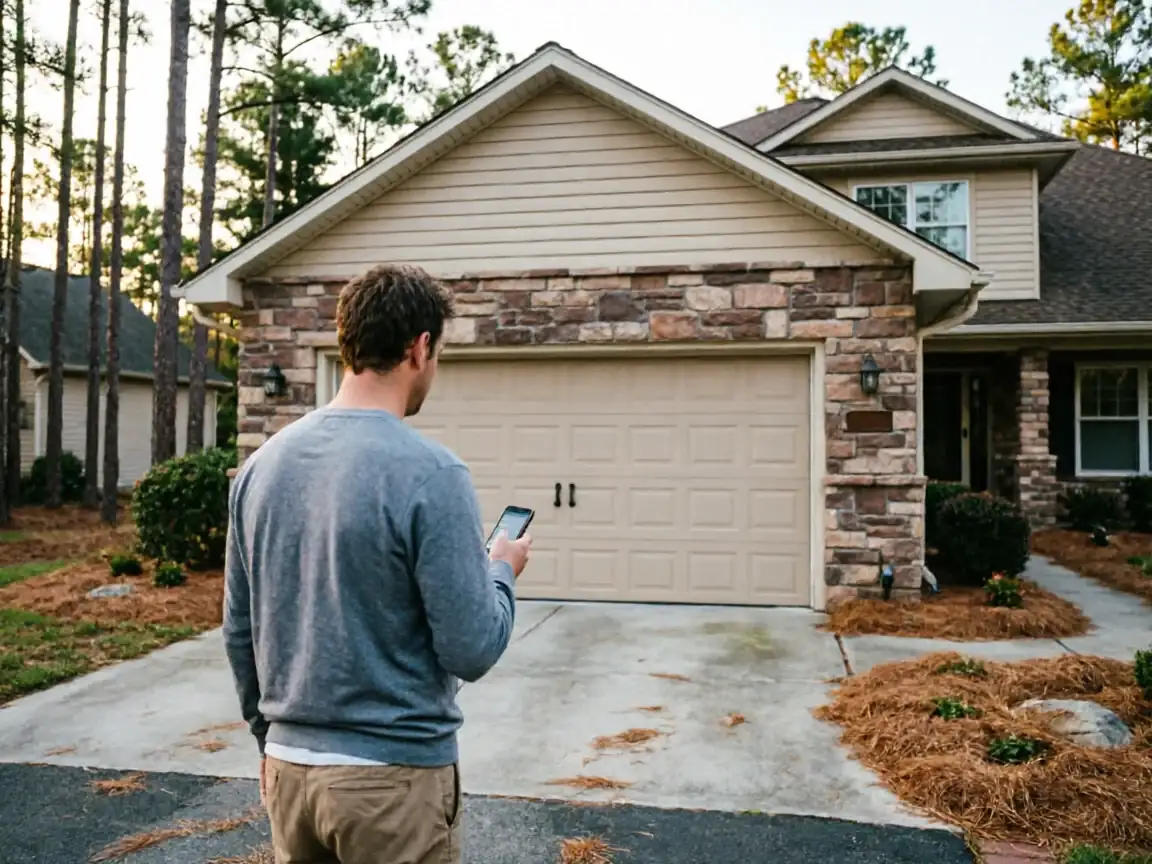
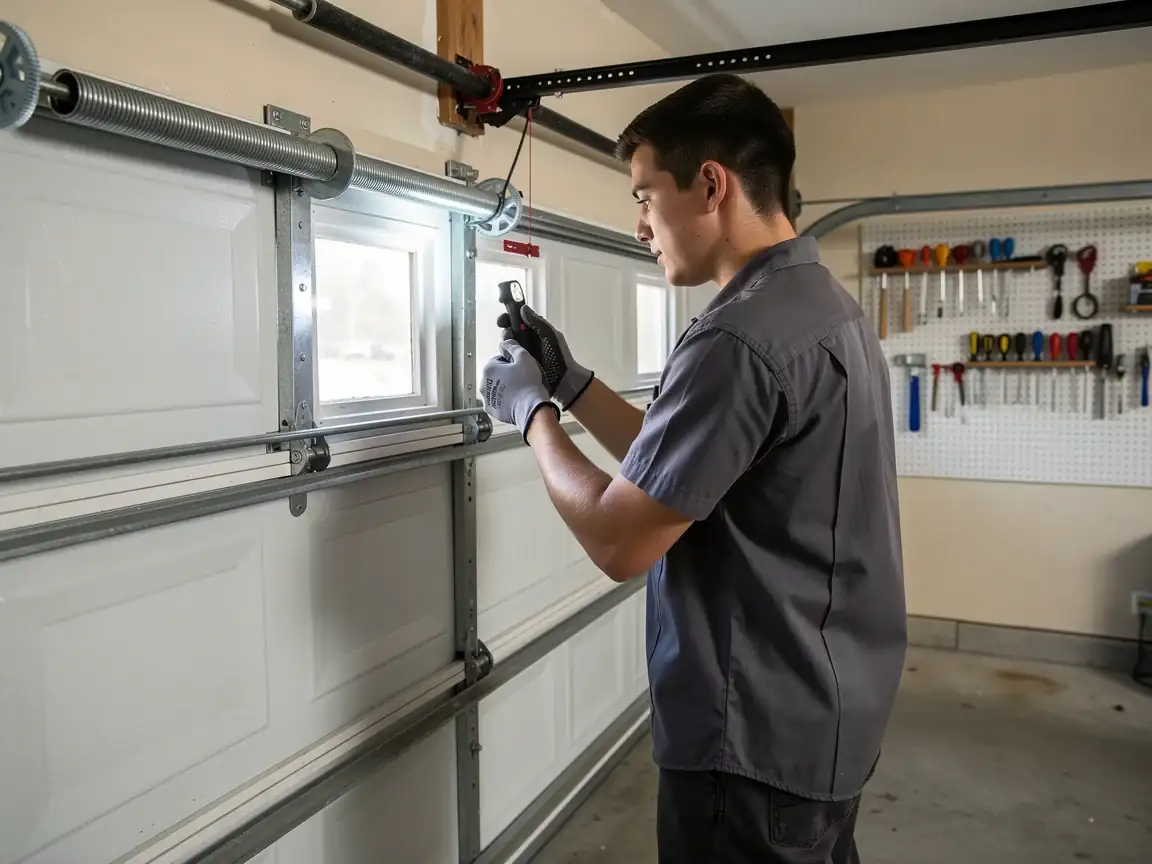
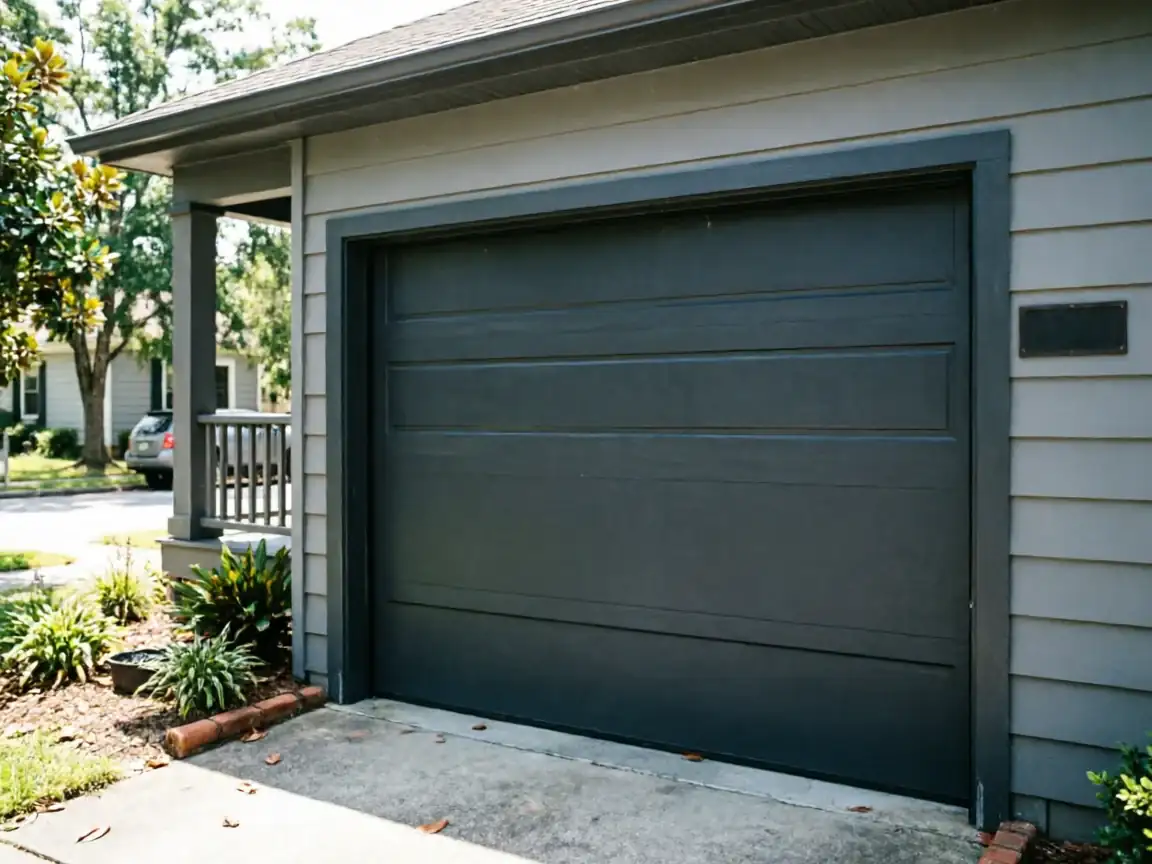
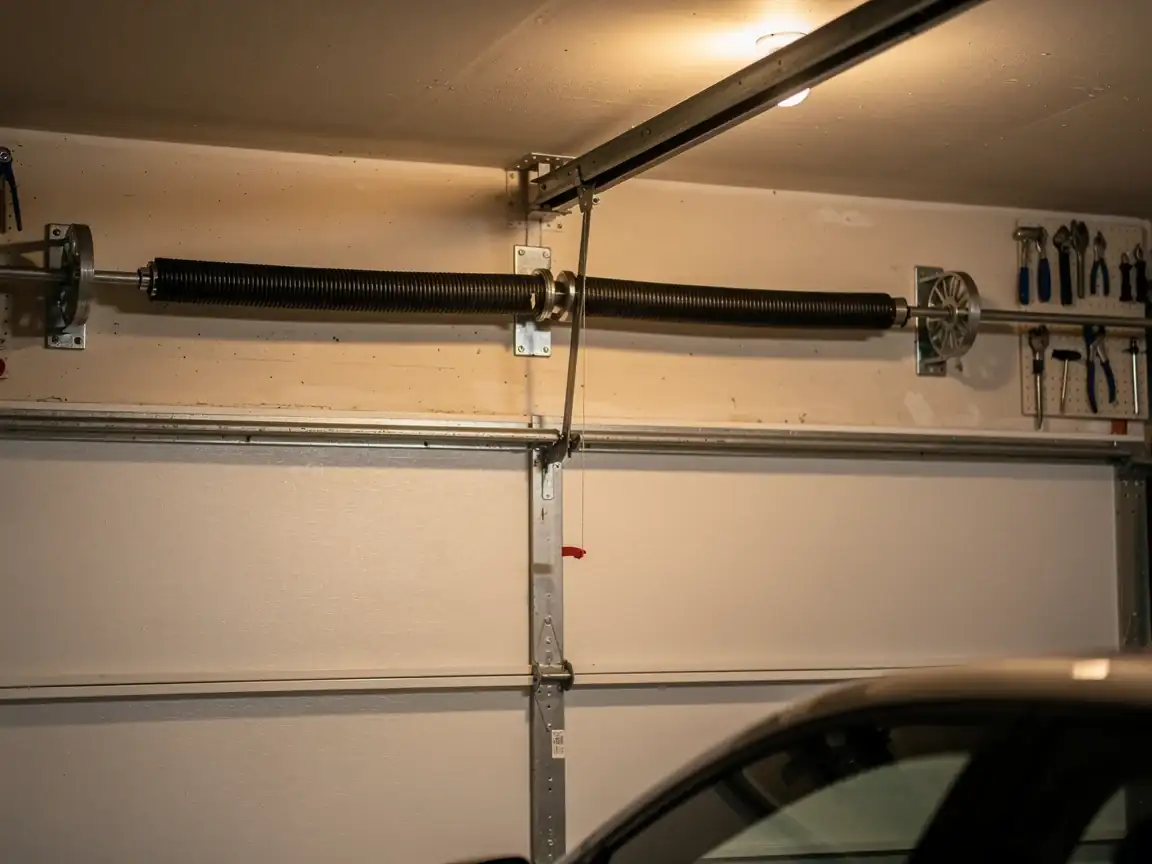
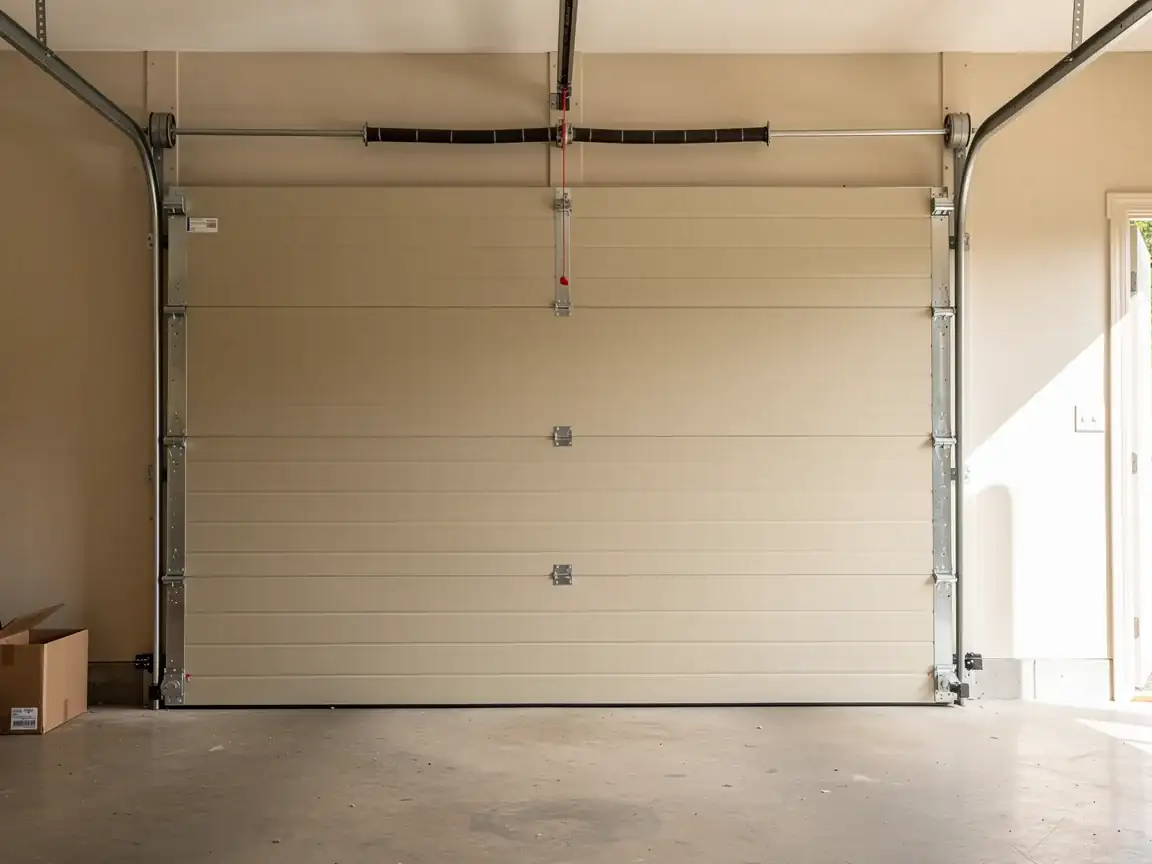
Triana's housing stock skews newer than most of the areas we cover out of Decatur - the median build year here is 2012, a couple decades younger than the 1988 median across our wider service area. That shows up in the calls. We hear a lot less about brittle, decades-old extension springs snapping on wood jamb doors, and a lot more about openers with circuit boards and rolling-code remotes that have simply worn out their sensors or logic boards after ten-plus years of daily use. Torsion spring failures still happen, but on newer doors they're usually the spring itself reaching the end of a rated cycle count, not rust or age-related fatigue. We also get calls about photo-eye sensors knocked out of alignment, and about insulated steel panels that got nicked by a trailer hitch or a basketball - cosmetic damage that's easy to fix on newer sectional doors with standard panel sizing, since most of this stock was built to similar specs within a narrow window of years.
What That Means for Doors
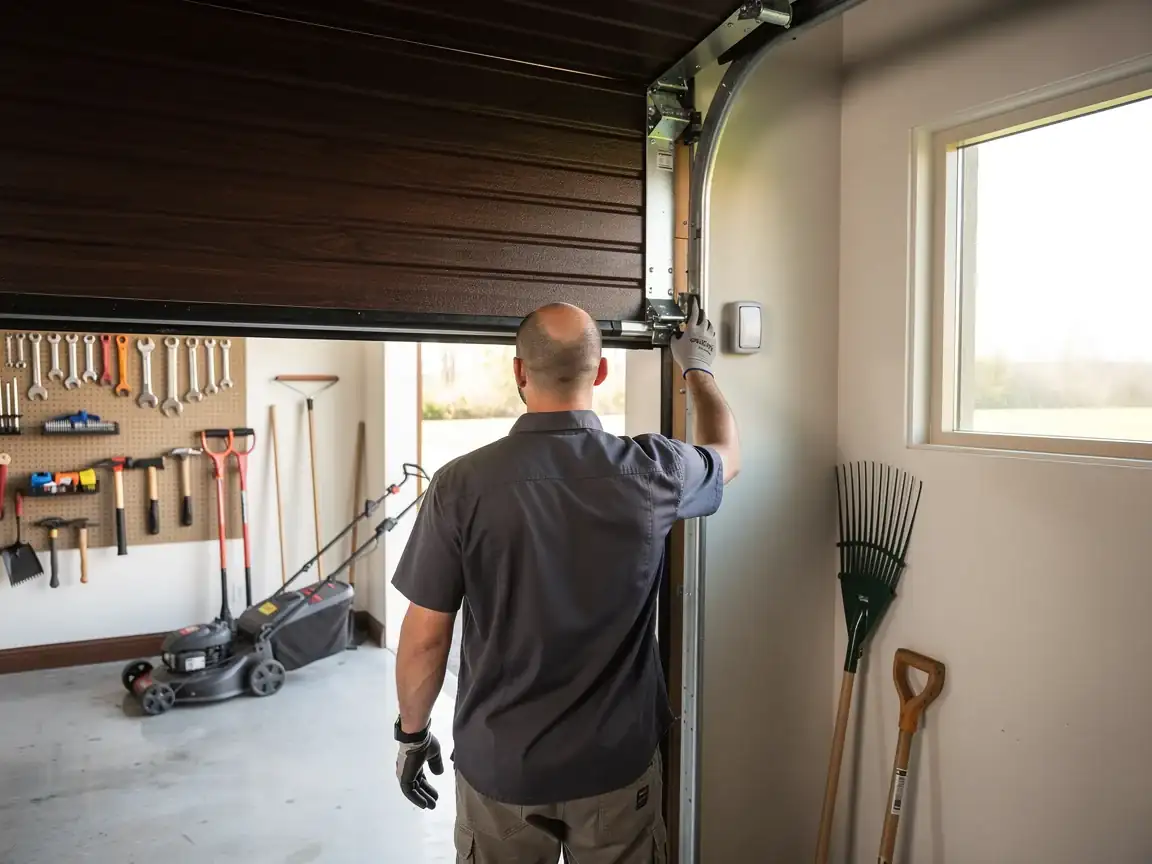
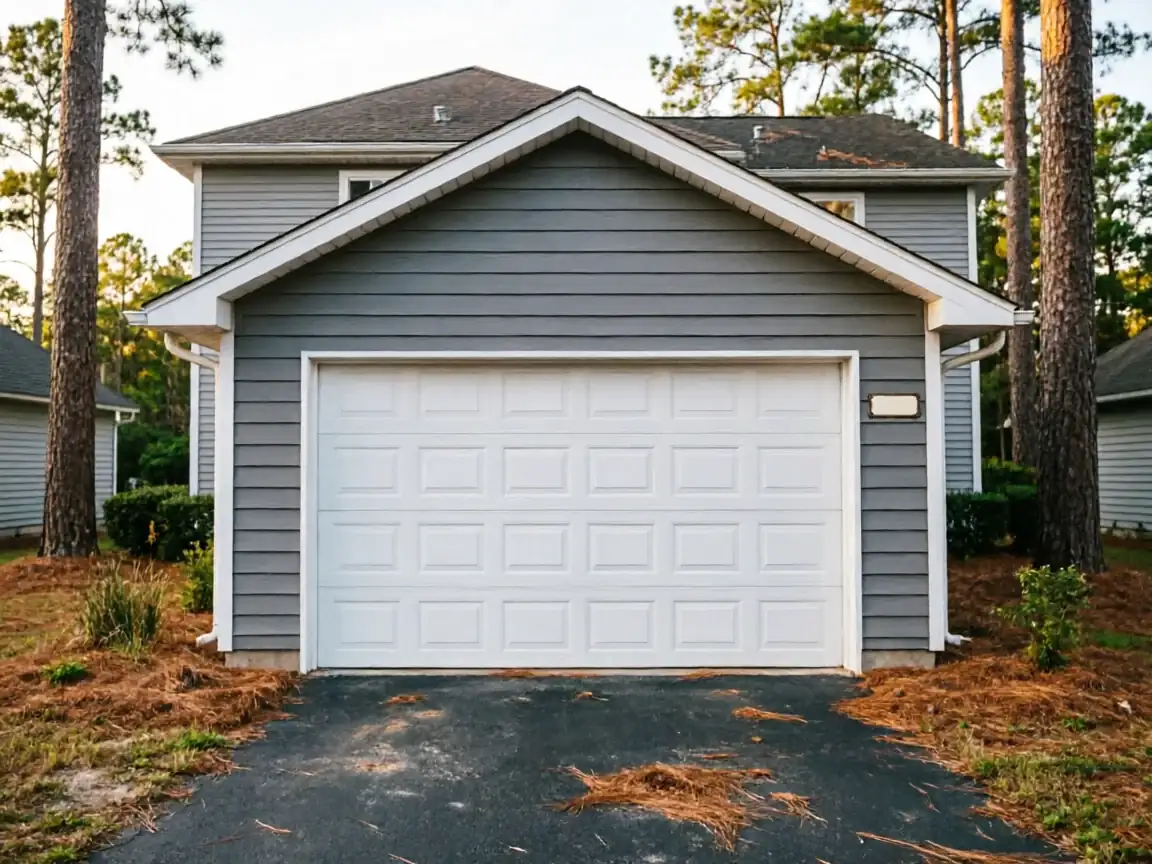
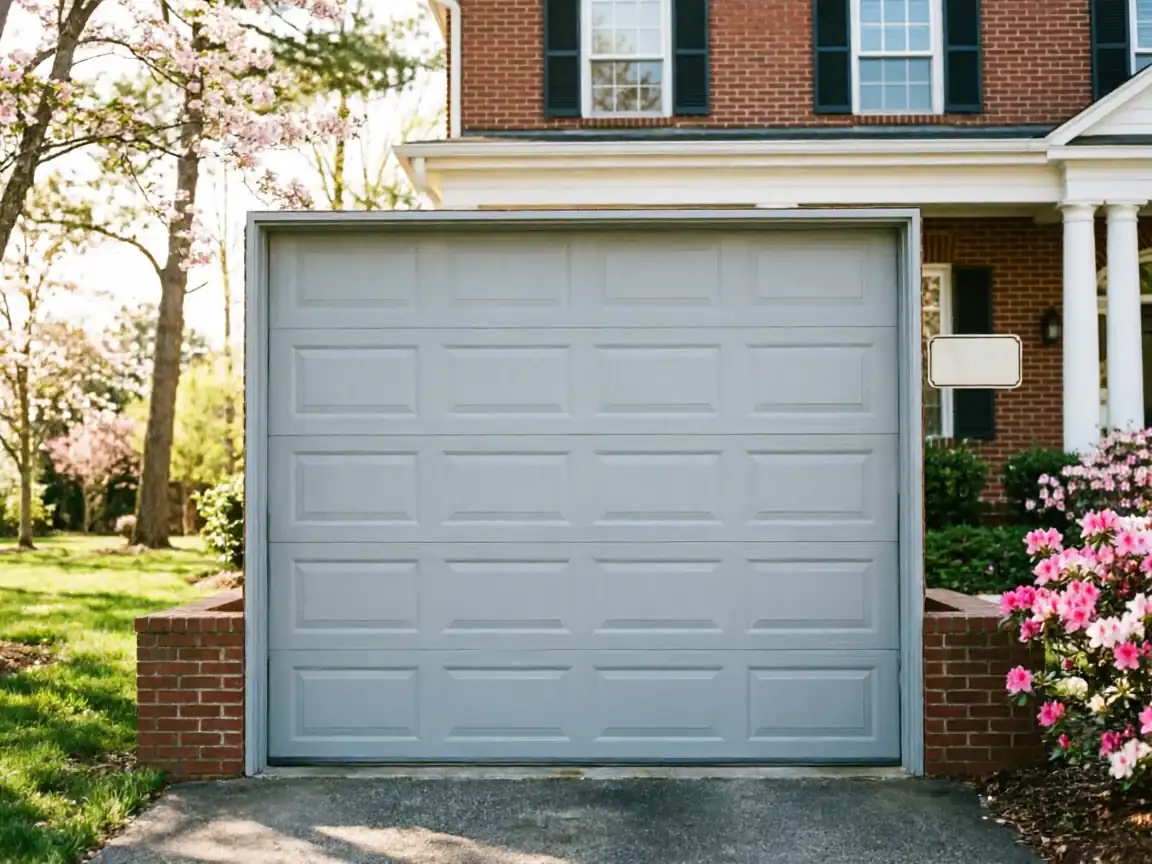
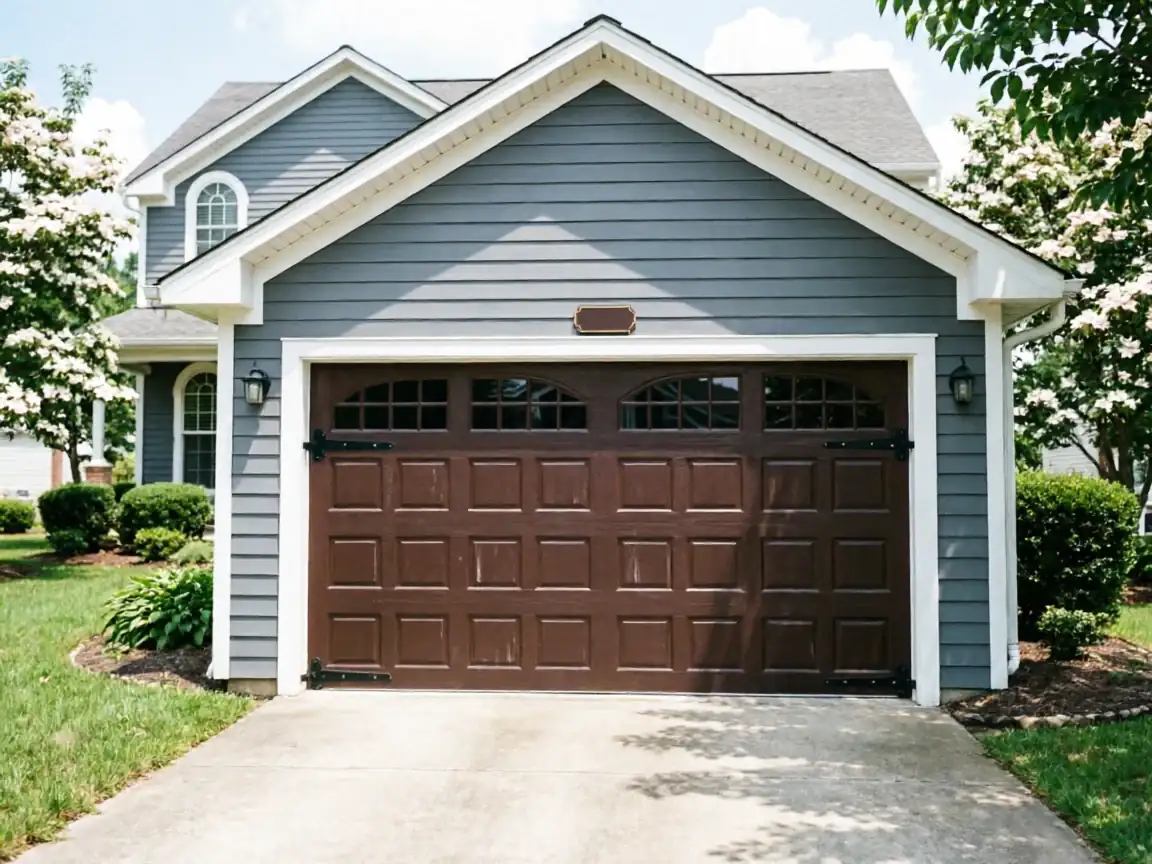
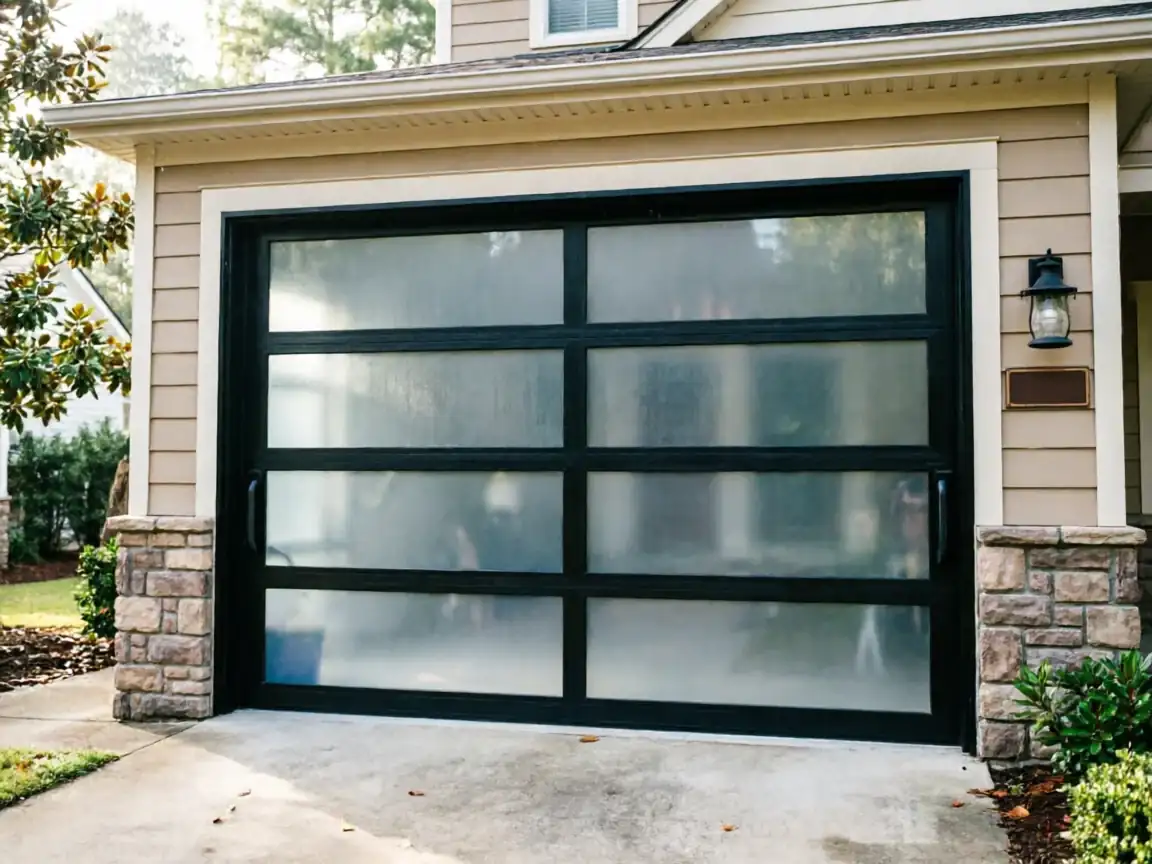
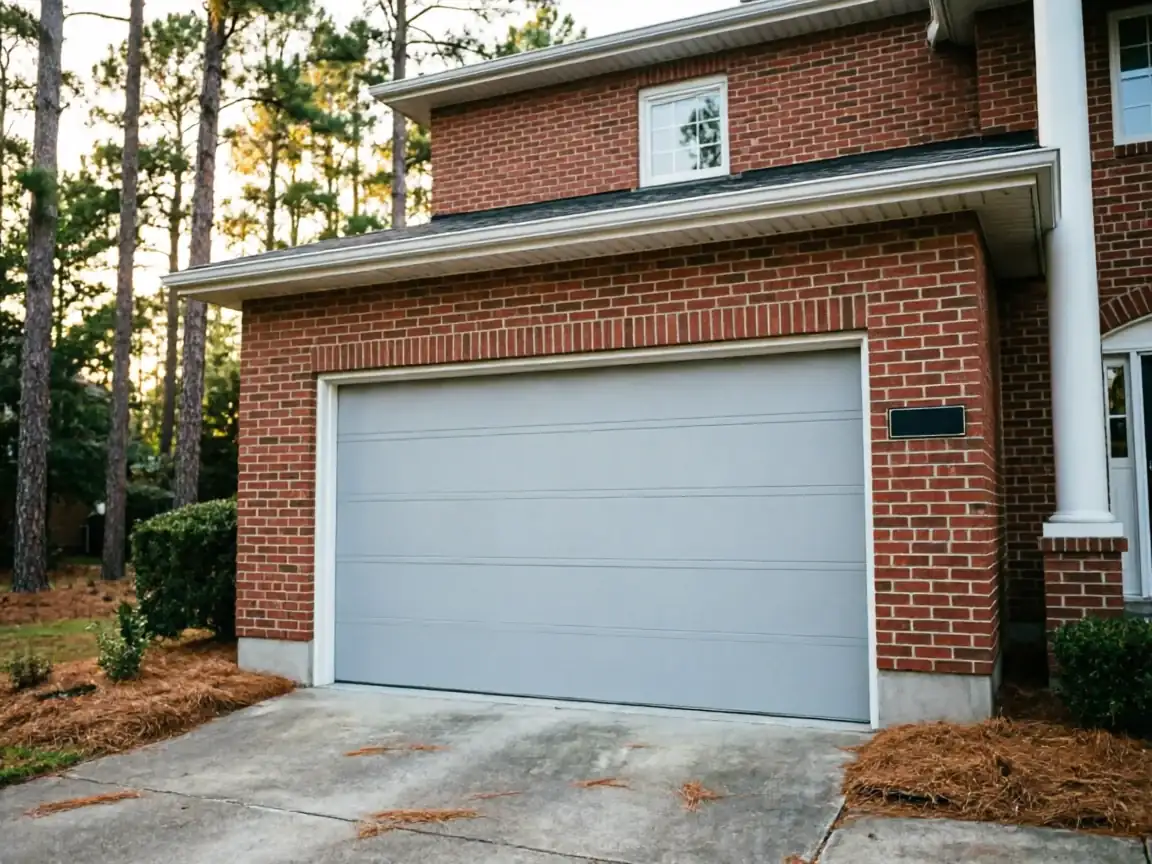
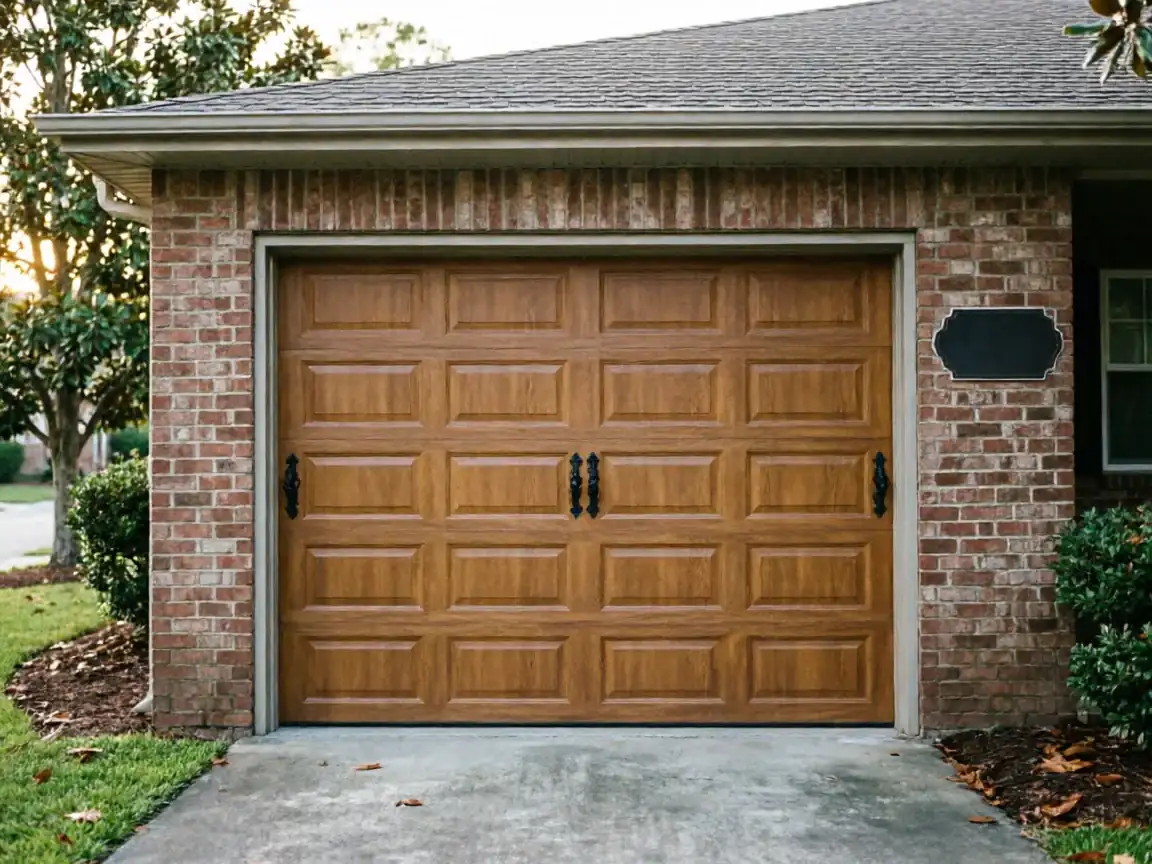
A 2012 median build year means most garage doors in Triana are factory sectional steel, insulated, on standard torsion hardware with a wall-mounted or belt-drive opener - not the older chain-drive units or one-piece tilt-up doors you'd find on 1980s stock elsewhere in our coverage area. Parts for this generation of door are easier to source; we're not hunting down discontinued hardware. The trade-off is that newer openers have more electronics to fail - logic boards, wall consoles, battery backup units on models that have them - instead of the simpler mechanical failures that dominate on older houses. Climate here is the moderate-cold band typical of this part of Alabama, which is kinder to door hardware than harsher climates, but temperature swings still stiffen steel tracks and thicken old grease in rollers over a winter, and that's a common reason doors start binding or running loud.
The Houses Here
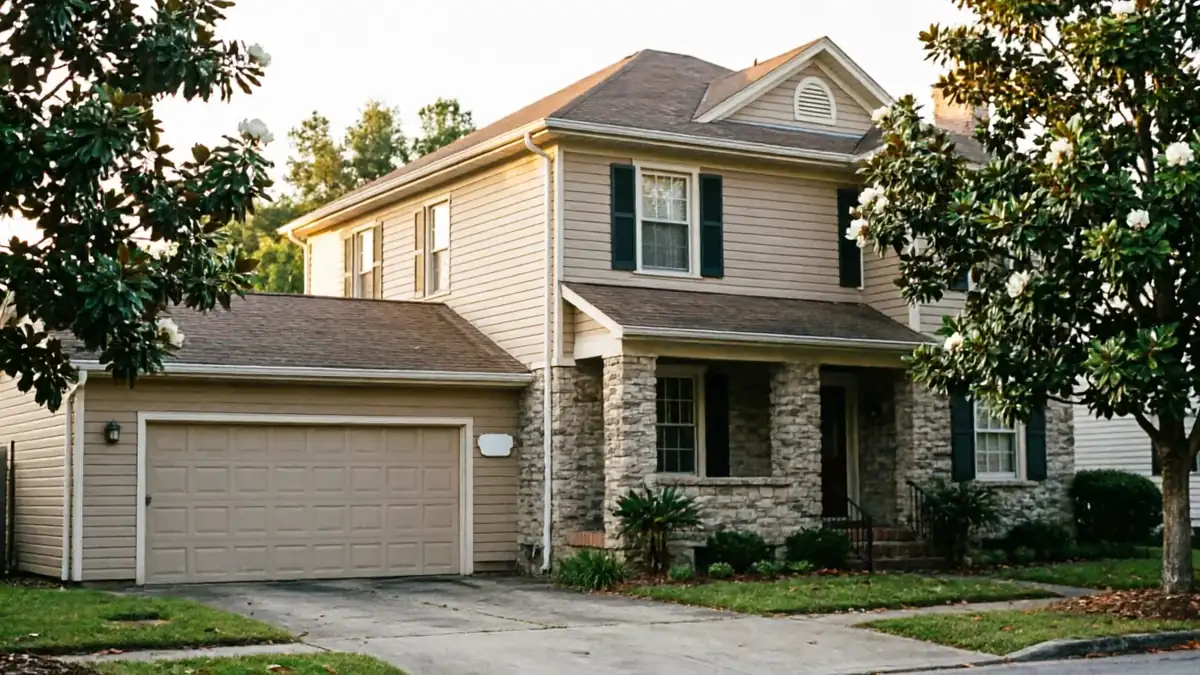
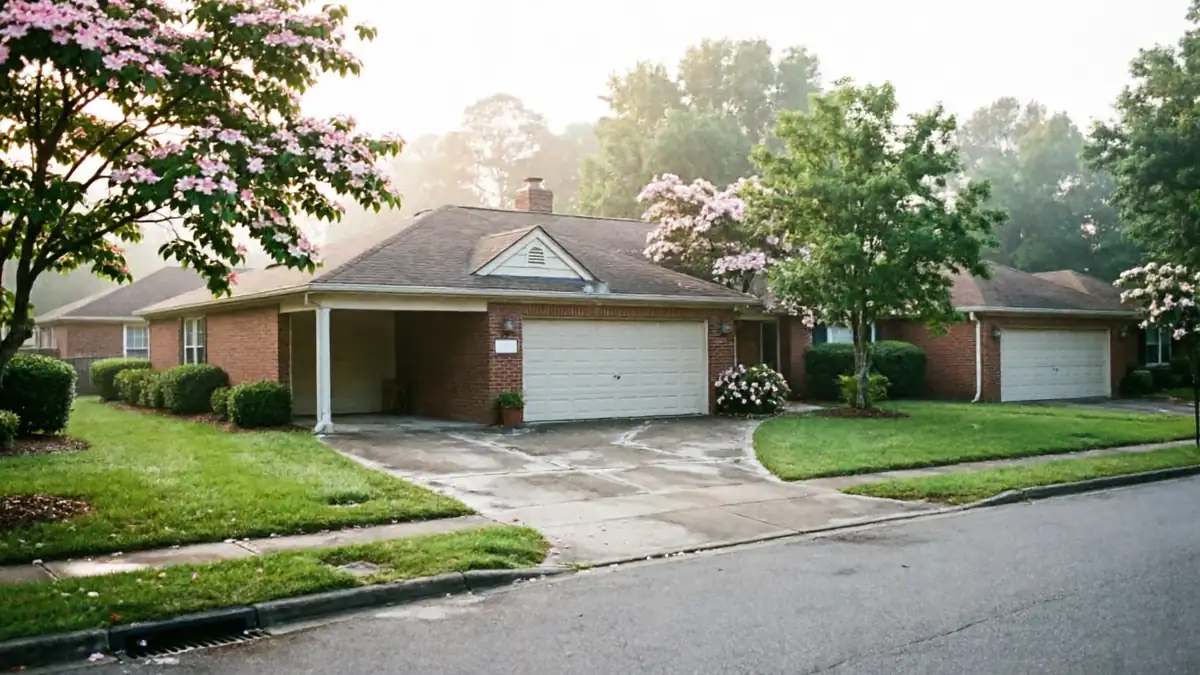
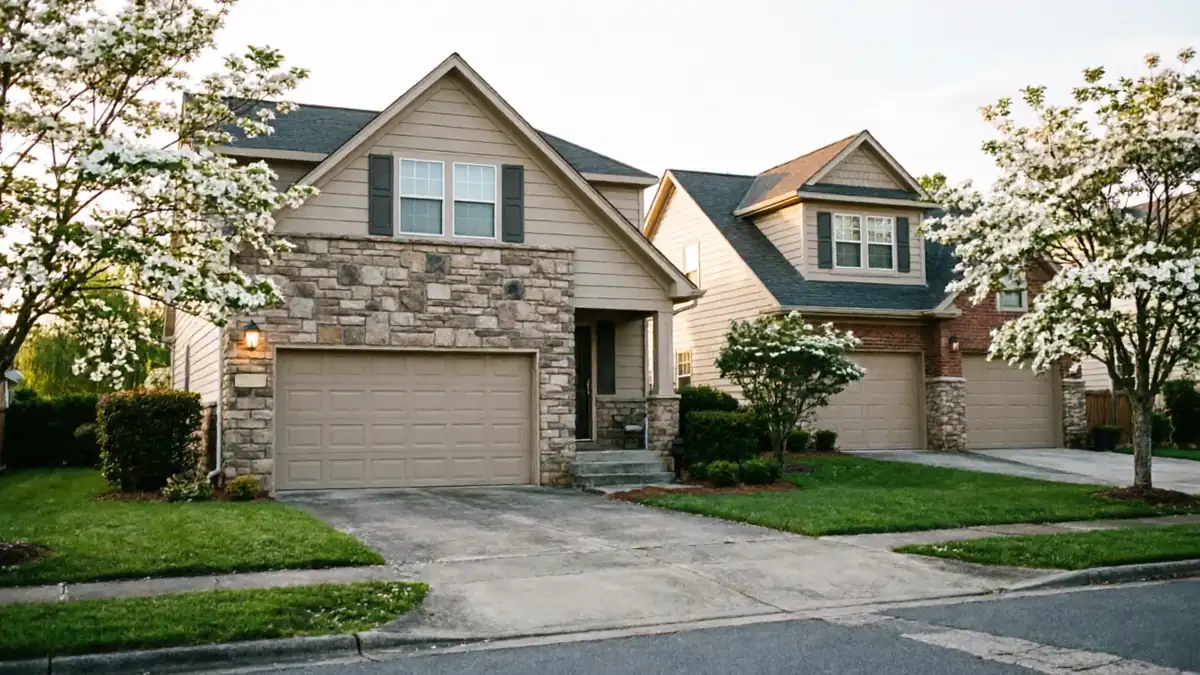
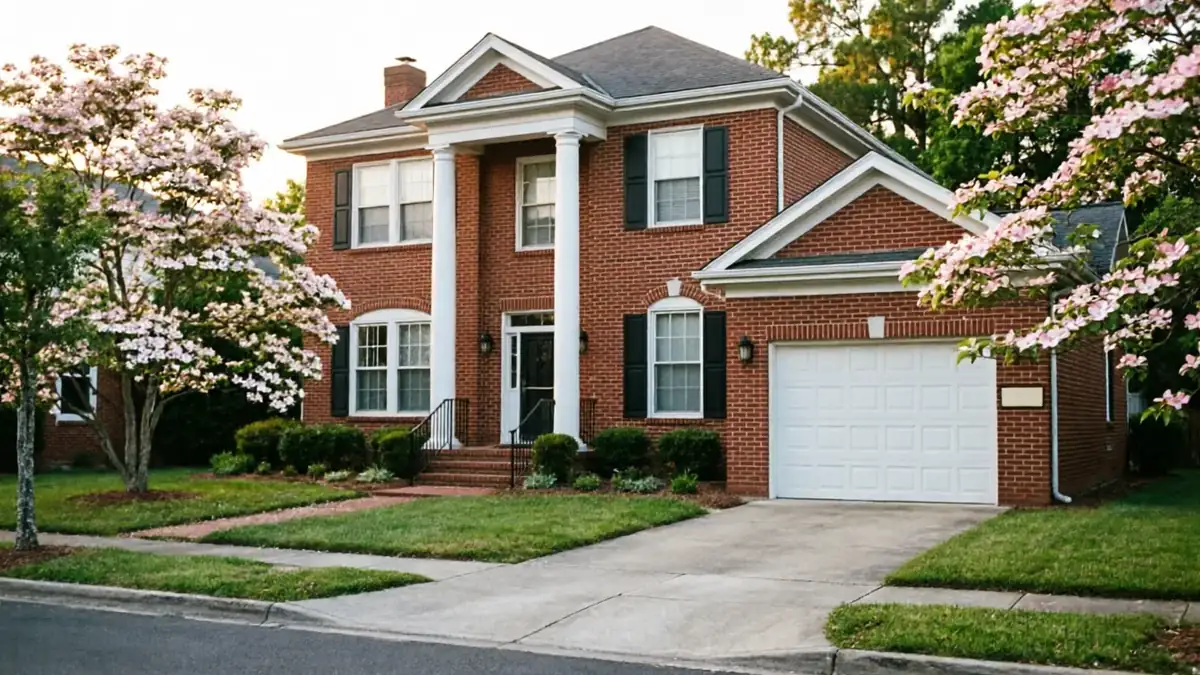
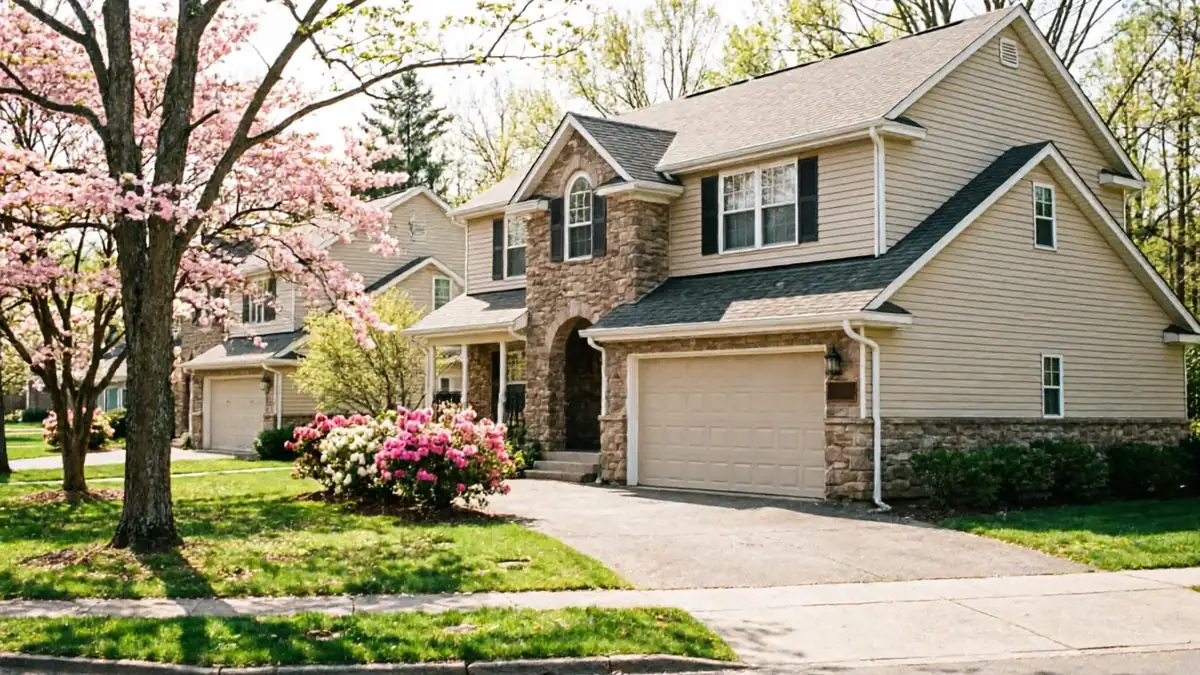
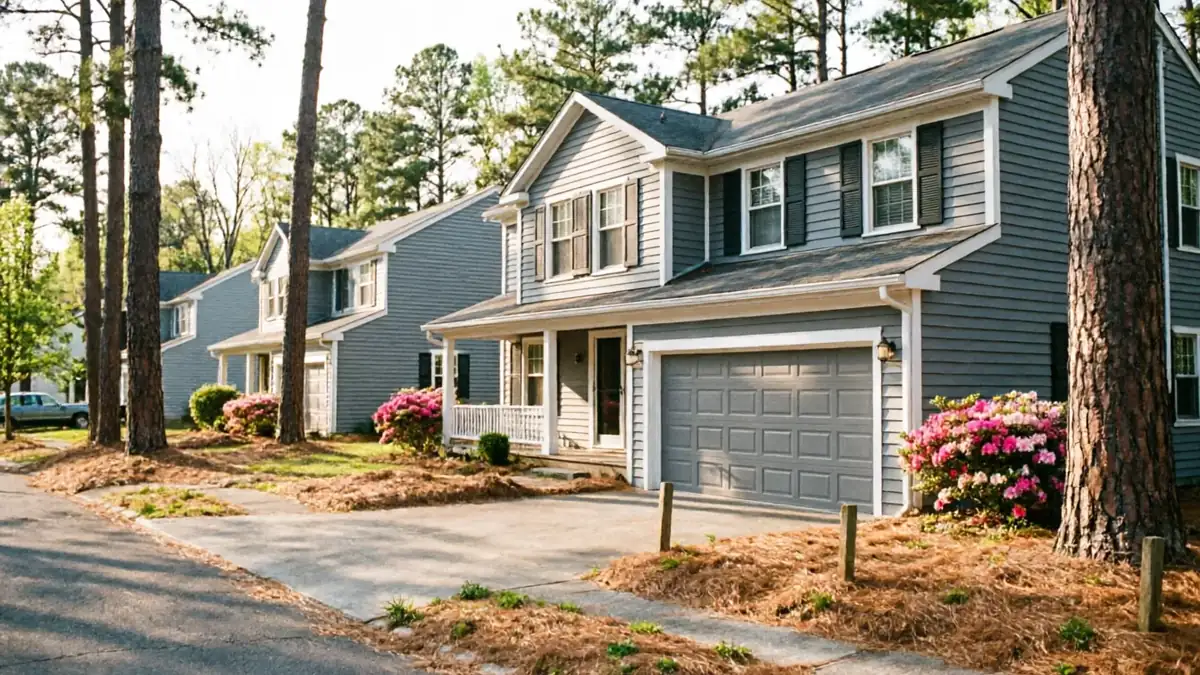
With about 1,359 households in Triana and a median income of $102,375, this is a smaller, newer, higher-income pocket of our coverage area compared to the broader service area average of roughly $67,863. That combination usually means two-car and three-car garages with heavier doors - more square footage of door panel per household than you'd see on older, smaller-footprint houses - and openers rated for that extra weight. It also means homeowners here are more likely to want a clean repair or a matched replacement panel than a bargain patch job, since the doors are younger and worth keeping in good shape rather than replacing outright. One honest limit: if a specific panel color or insulation spec was a builder-custom order, matching it exactly can take longer than a standard stock panel, and we'll tell you that up front rather than guess.