Stocked Parts
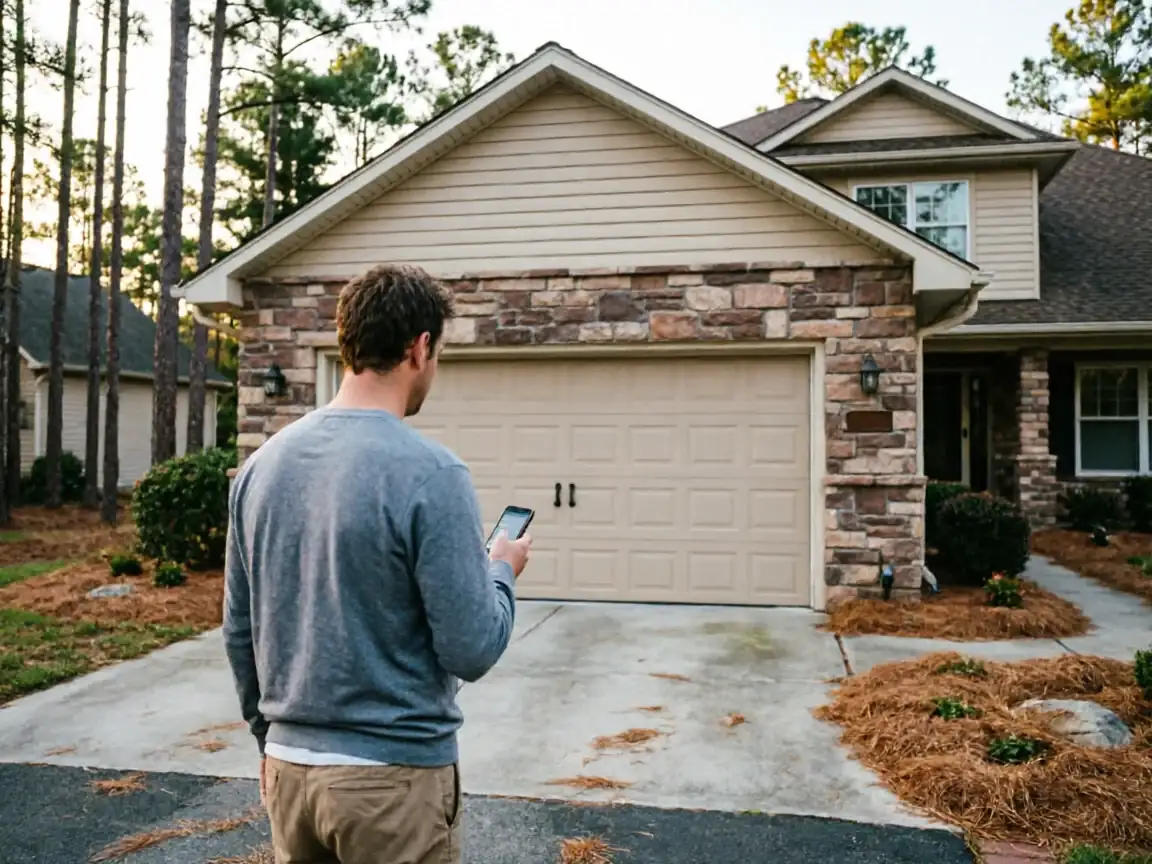
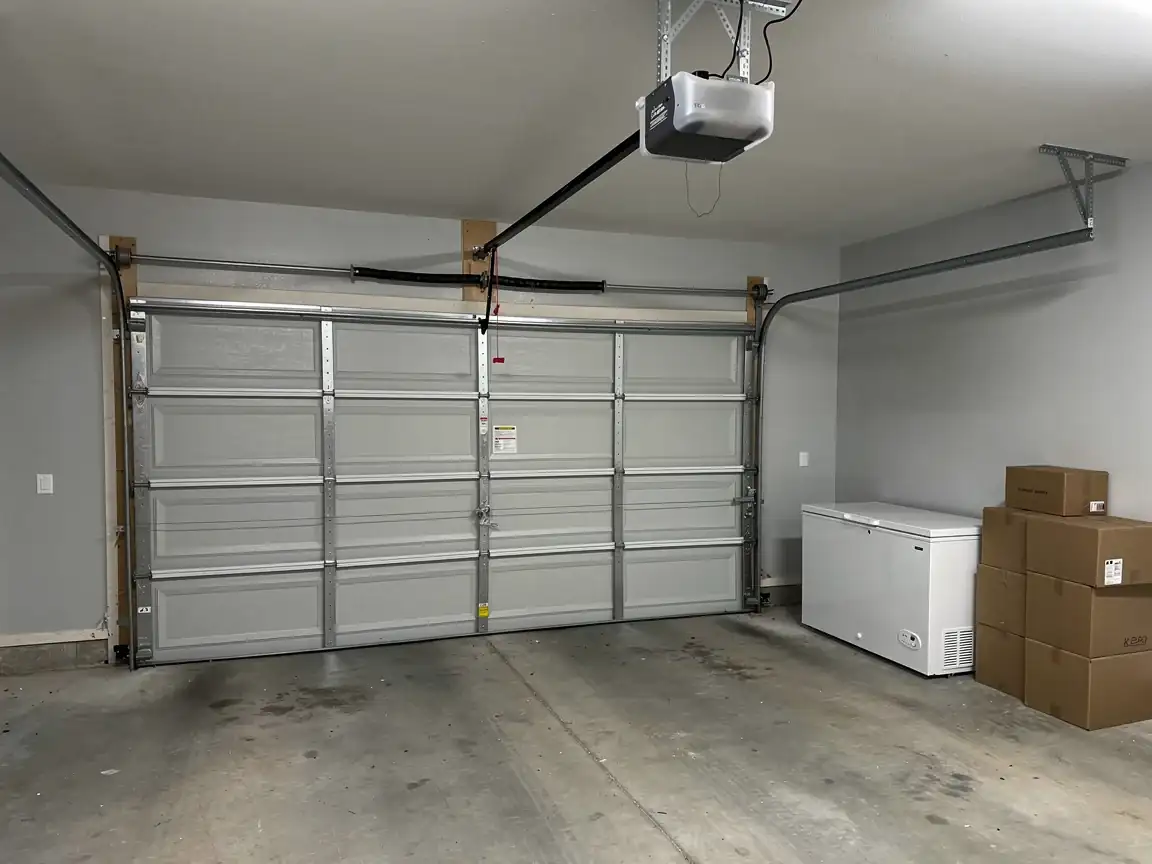
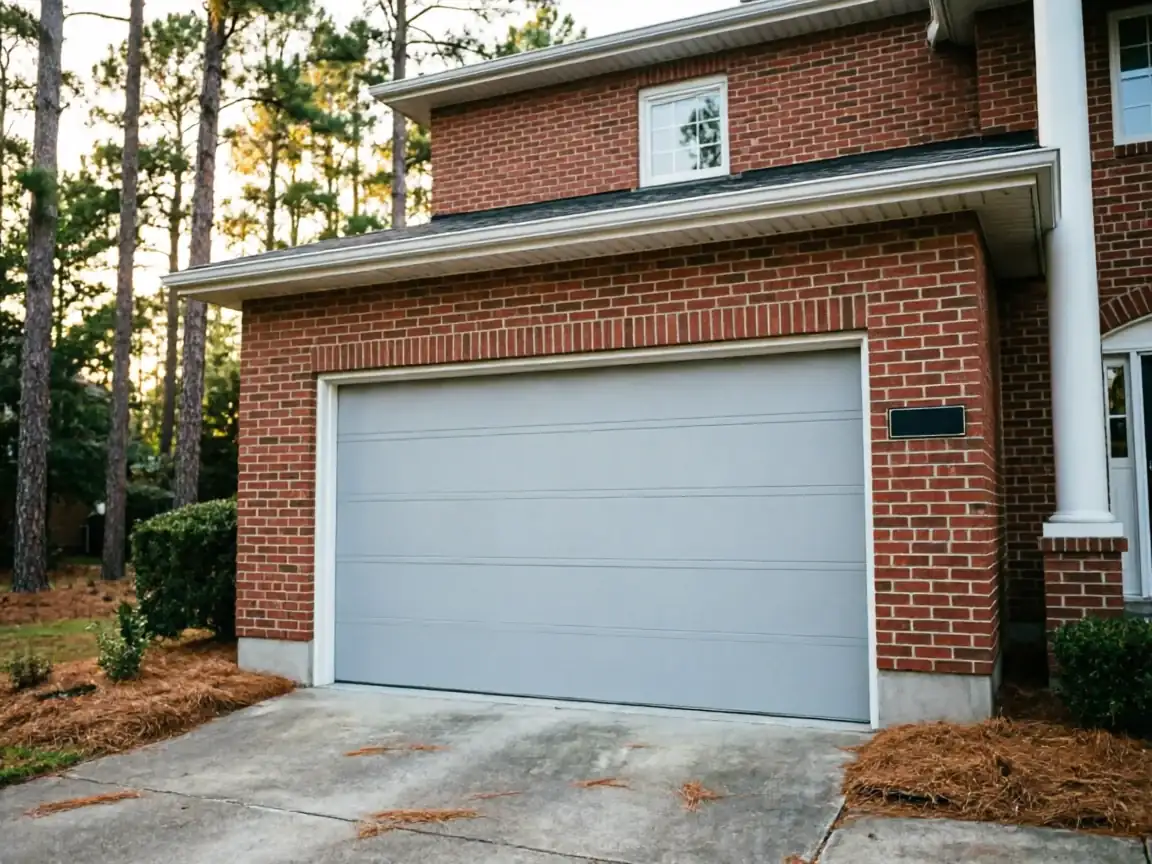
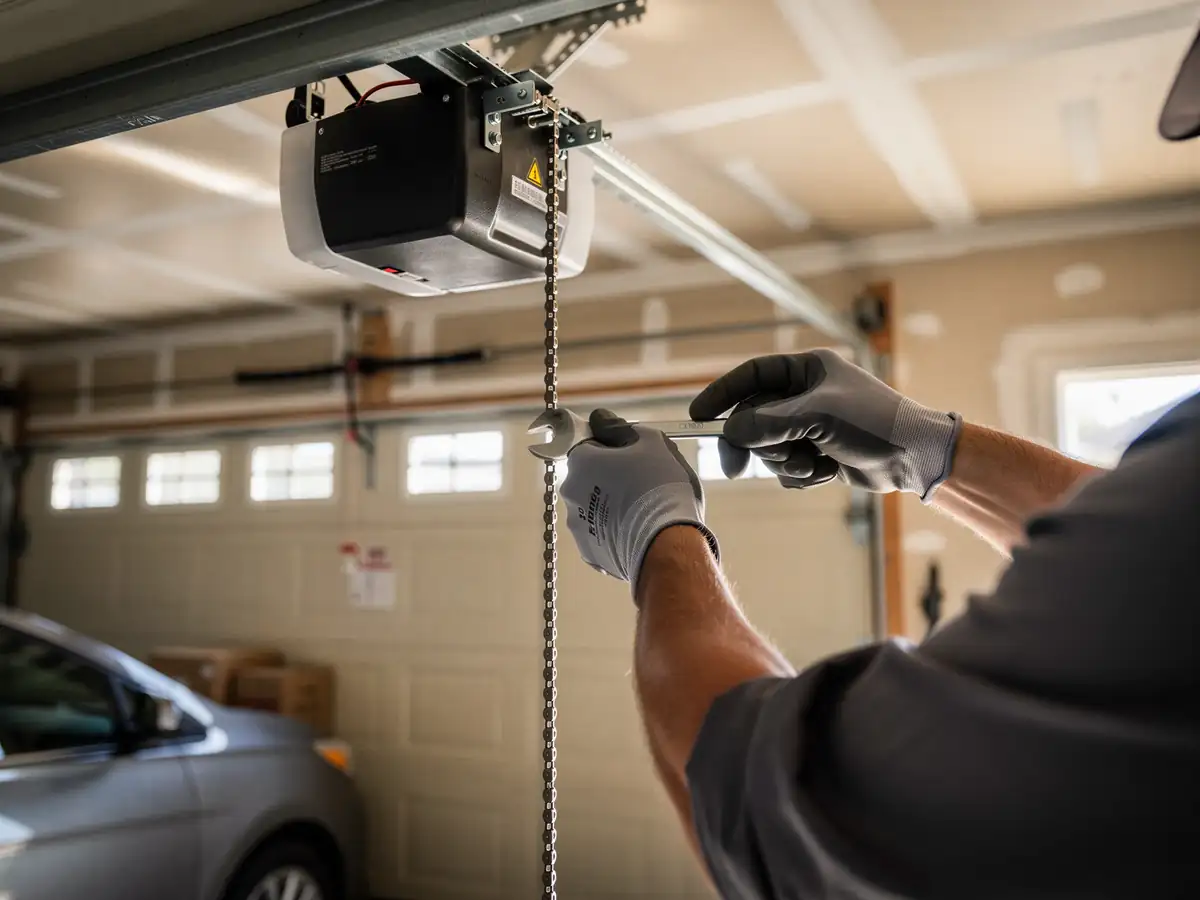
Across the wider service area the median house dates to 1988, but Triana itself skews much newer - the typical home here went up around 2012. That matters for openers because a unit installed in the last decade or so is almost always a chain or belt-drive with a circuit board, a rolling-code receiver, and photo-eye safety sensors built in from day one, not retrofitted. We carry logic boards, receivers, and sensor eyes sized for these newer drive units, along with the trolleys and belts that go with them. What we don't stock on the truck are parts for openers old enough to predate safety sensors entirely - chain-drive units from the 1980s with screw-drive or basic relay logic. If a Triana house still has one of those (less common here than in the older pockets of the service area), expect a short wait on parts rather than a same-visit fix. Most calls we get in Triana are boards, sensors, or the wall control losing sync with the head unit, not the older mechanical failures you see on 30-year-old drives. That's a direct result of how recently most of this housing was built.
Getting It Booked In
We run out of Decatur, about 14 miles from Triana, so there's no local branch to pop by - we book the call, bring parts suited to what's typical for the house, and travel. When you call, tell us the age of the house if you know it, roughly; a 2012-built home and a 1995-built home in the same neighborhood can have different opener generations, and that changes what we load on the truck before we leave Decatur. If the door won't close or the safety sensors are blinking a fault code, mention that specifically - it narrows the diagnosis before we're even on site.
What Can Go Wrong
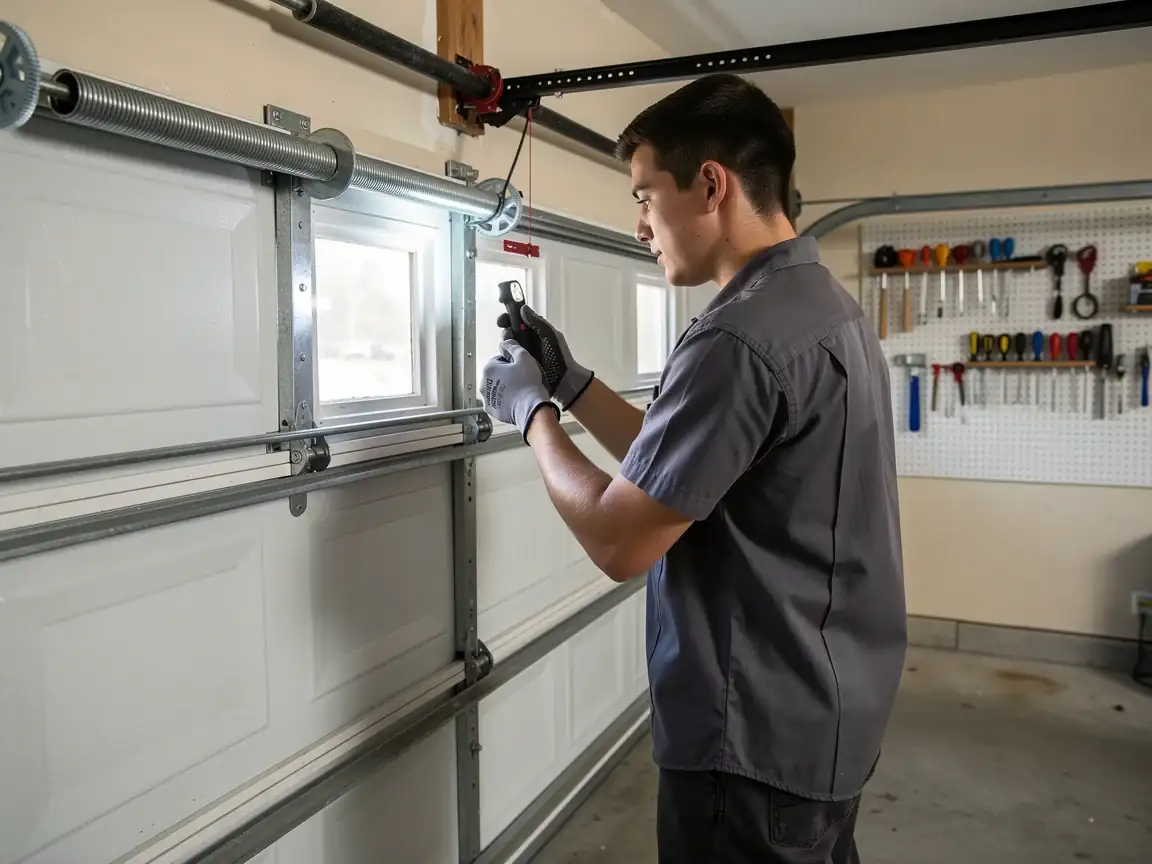
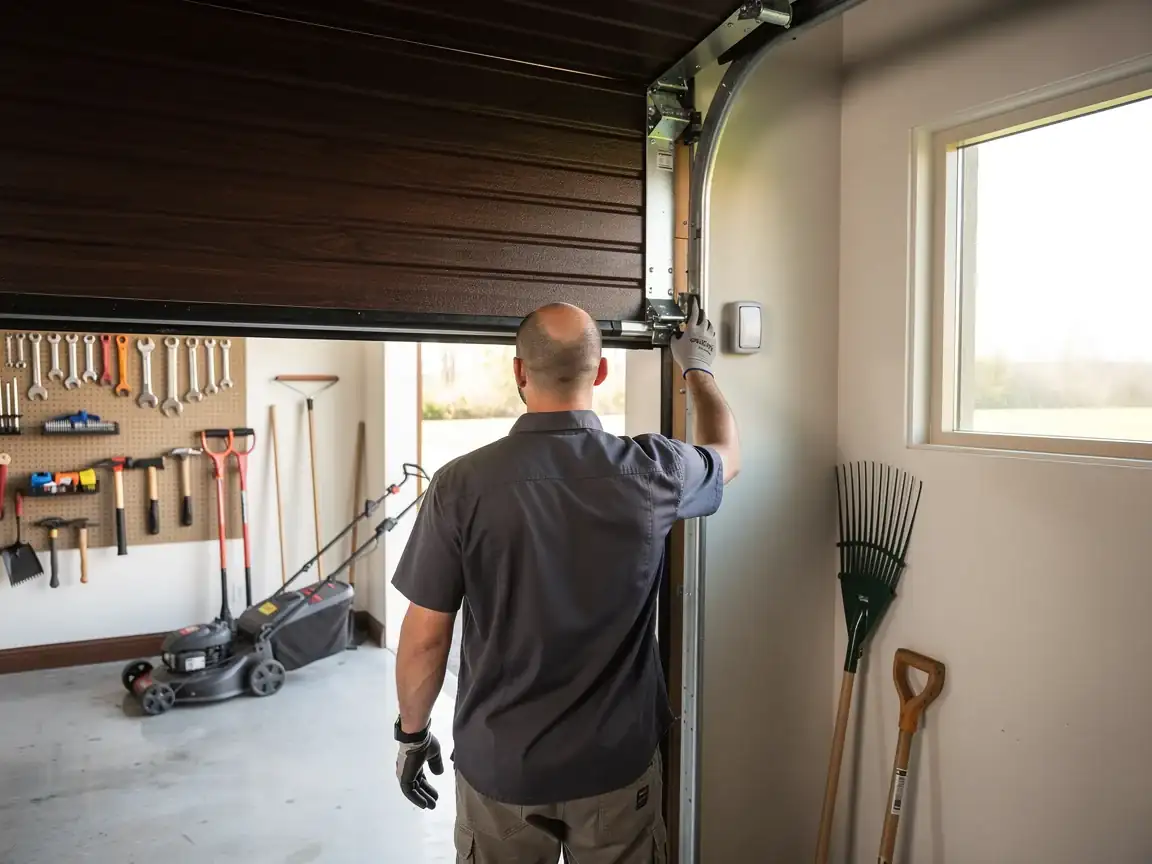
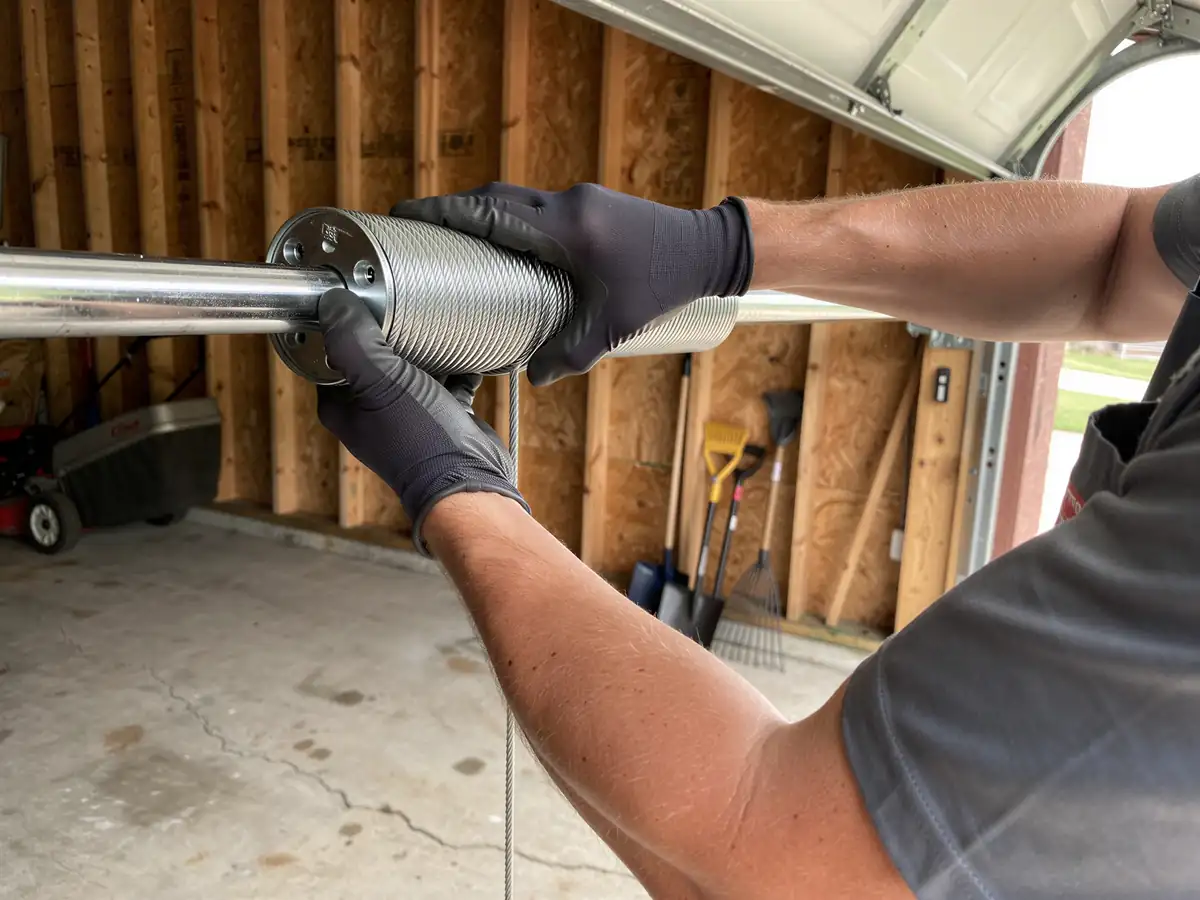
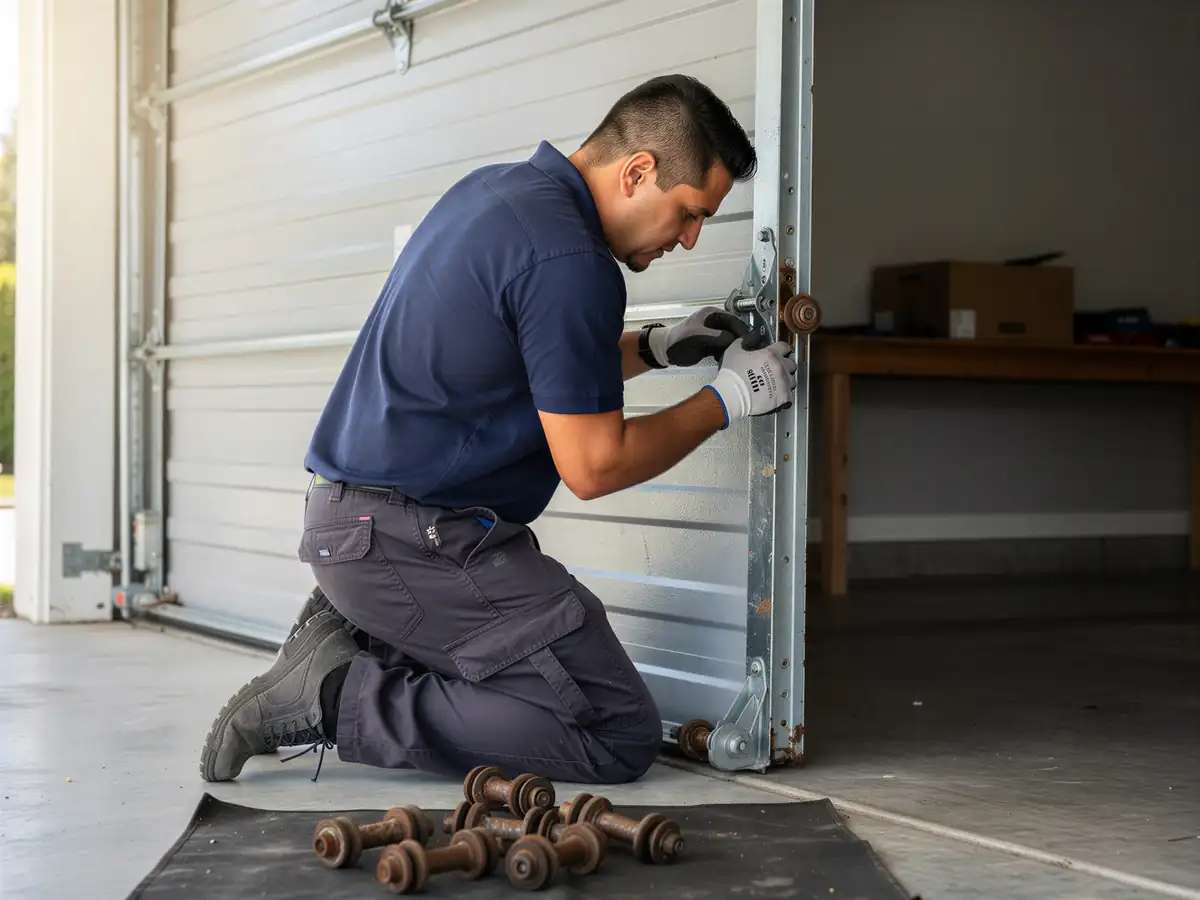
On the newer stock typical of Triana, the most common failure isn't a worn mechanical part - it's electronics. Circuit boards degrade from power surges more than age, and a cold-moderate climate still means enough freeze-thaw cycles each winter to stress wiring and connectors in an attached garage that isn't fully conditioned. Rolling-code receivers occasionally lose sync with remotes after a power blip, which looks like a dead opener but isn't. Photo-eye sensors knocked out of alignment - often from something leaned against the track, not from age - cause the door to reverse or refuse to close, and that's one of the most common calls we get regardless of how new the house is. True motor burnout is rarer on a unit this age; when we see it, it's usually a sign the door itself is out of balance and making the opener do work springs should be doing.