What Neighbours Usually Call About
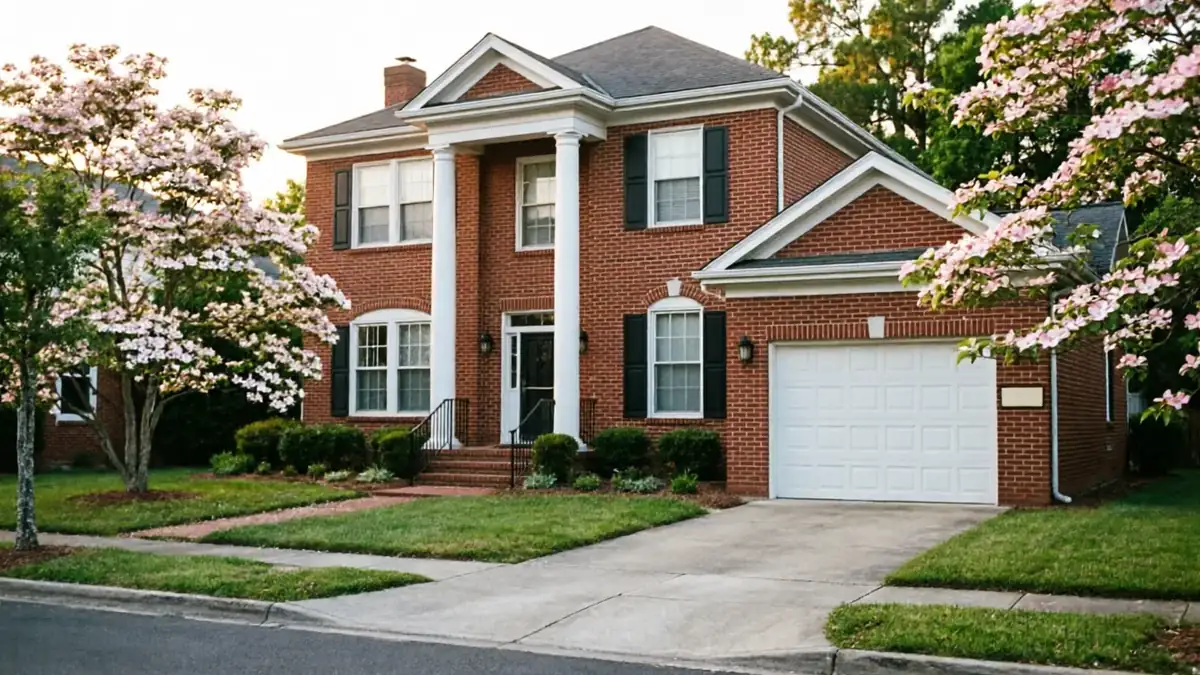
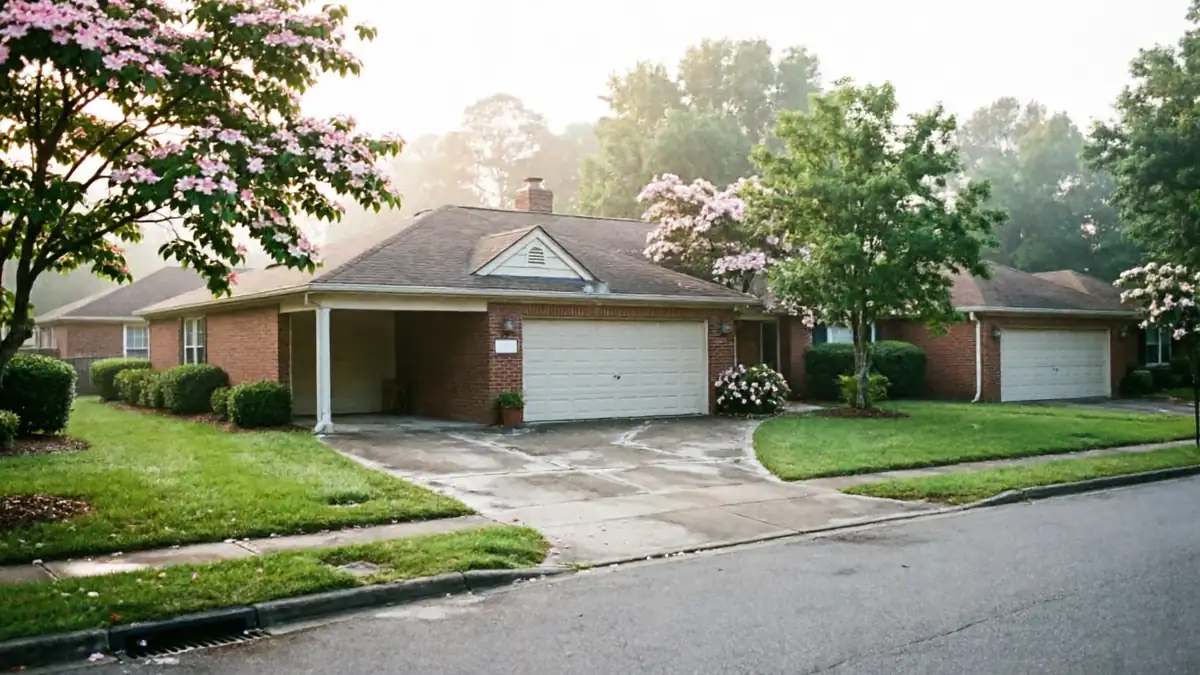
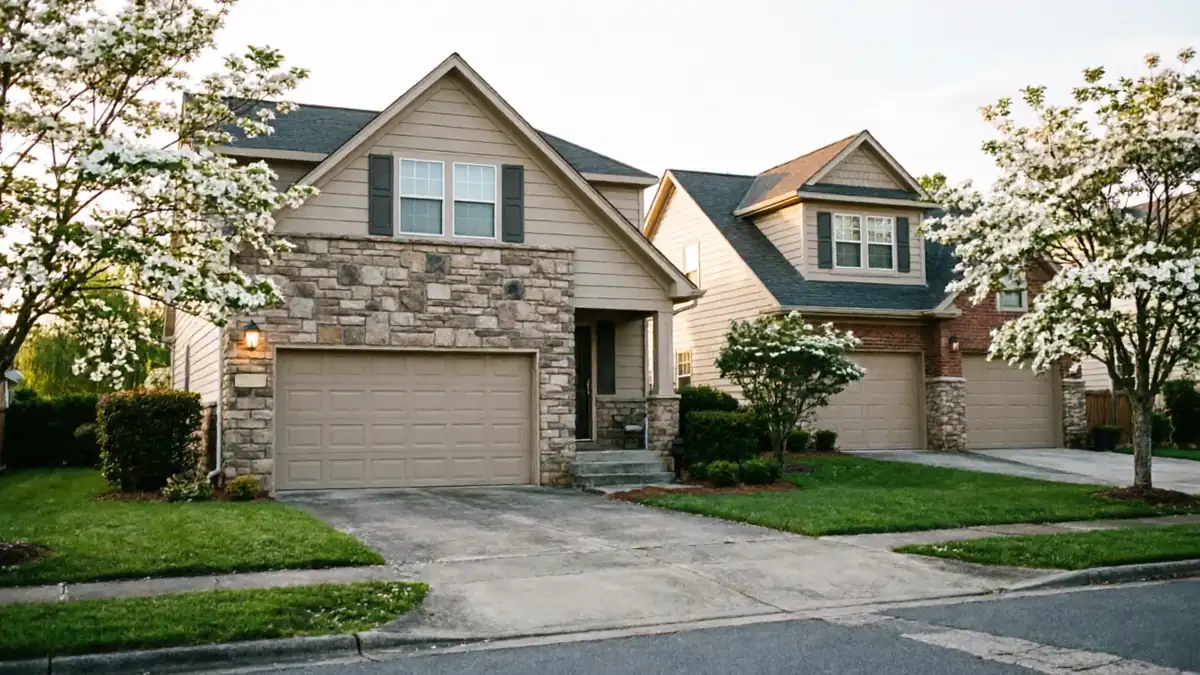
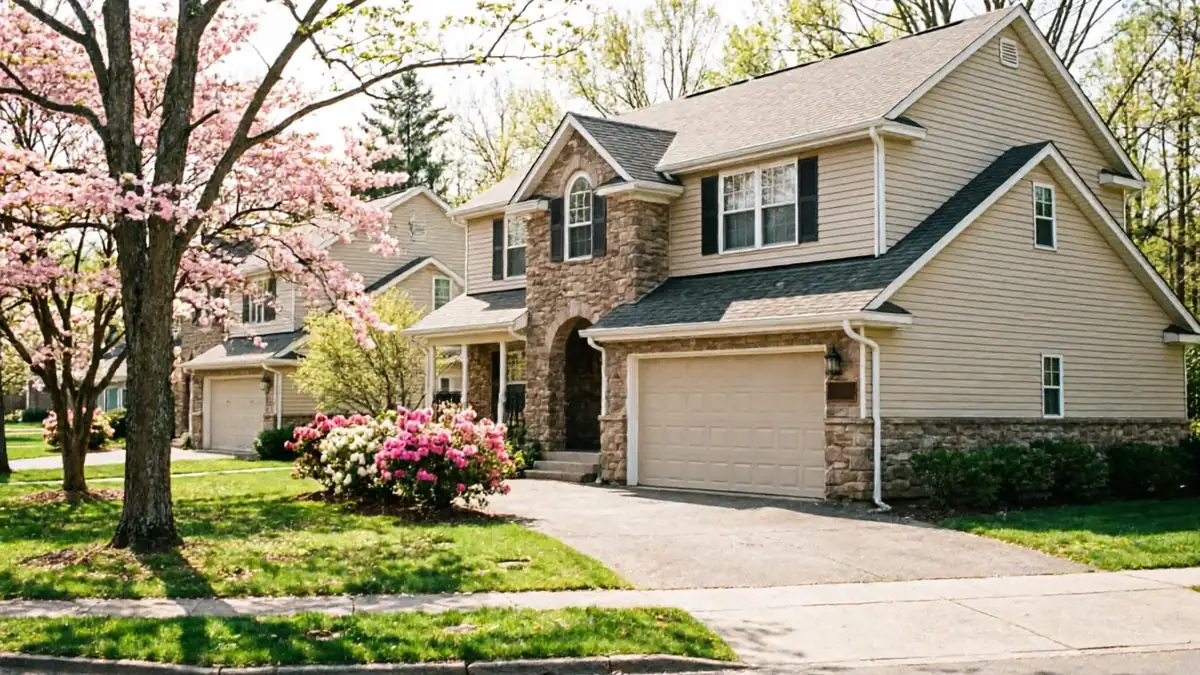
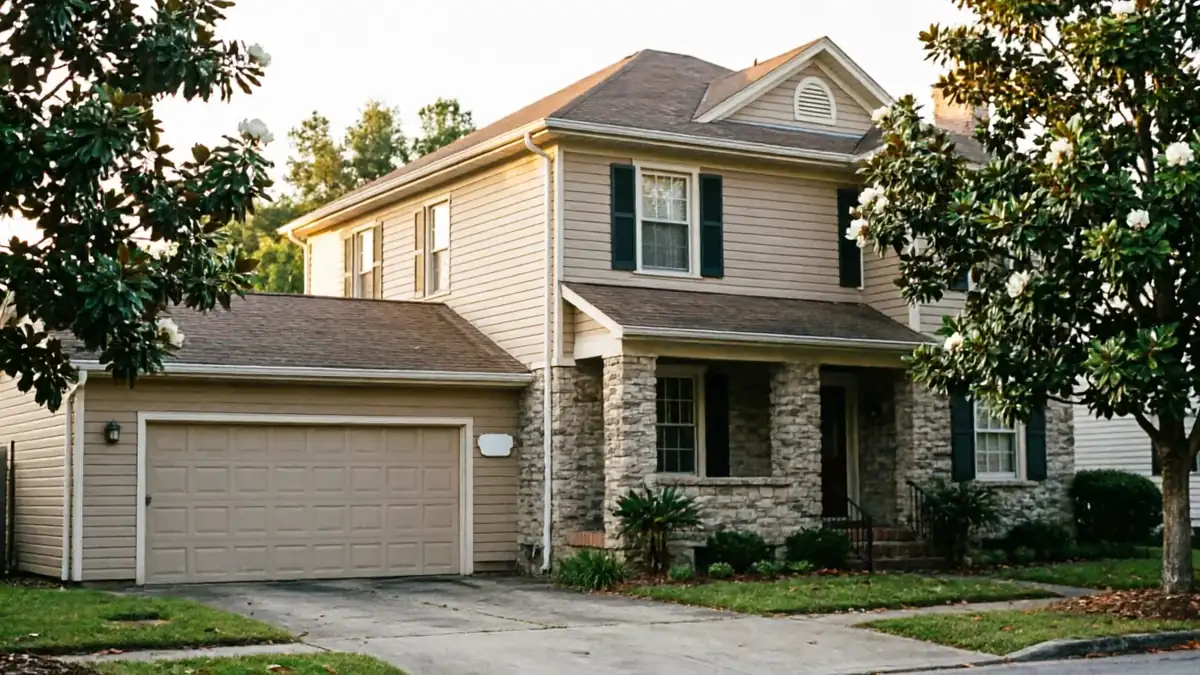
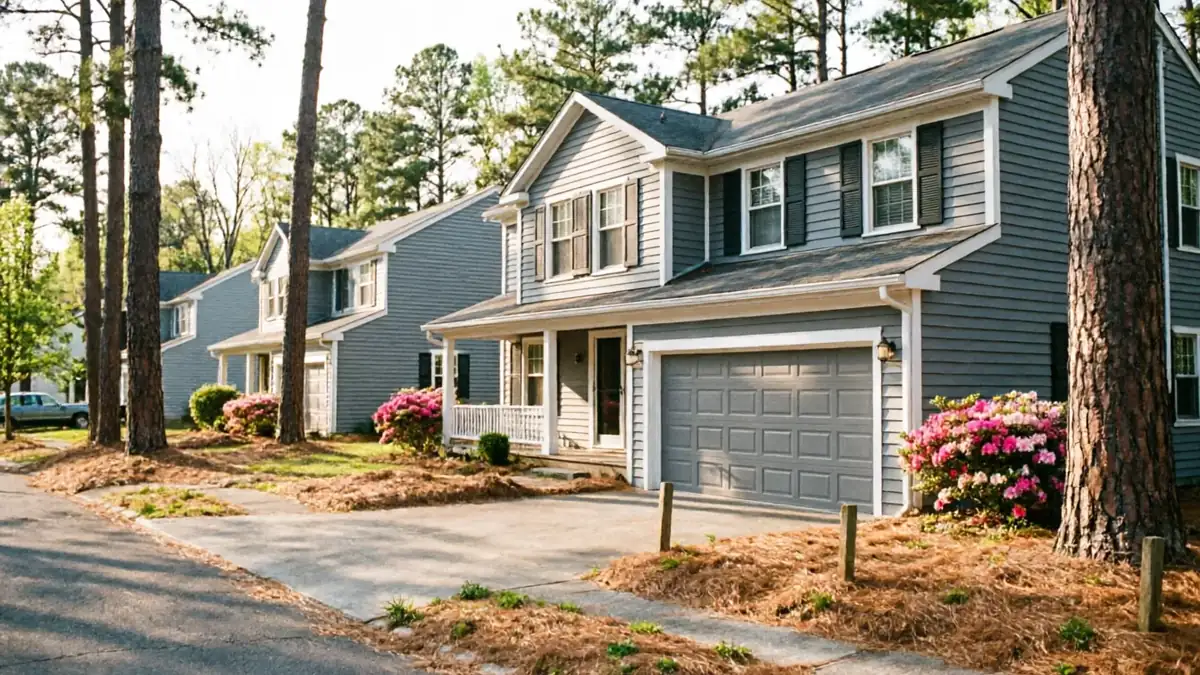
Priceville sits apart from a lot of the area we cover because the houses here are younger. Median build year across our whole service area runs around 1988, with most stock from the 80s and 90s. Priceville's median is 2004 - a solid 16 years newer. That gap matters more than people think. A door installed in 2004 is a different animal from one installed in 1988: steel gauge changed, torsion spring sizing changed, and most openers from that era already had rolling-code safety circuits built in rather than bolted on later.
What we actually get called for in Priceville is less about ancient hardware failing from age and more about openers reaching the end of their circuit board life, torsion springs hitting their cycle count after 15-20 years of regular use, and nylon rollers that were standard on builder-grade doors of that period wearing out or cracking. We also see weatherstripping failures - 2004-era seals are past due no matter how well the rest of the door has held up. It's a different repair list than you'd write for a 1960s neighborhood, and it's worth knowing before a tech shows up.
What That Means for Doors
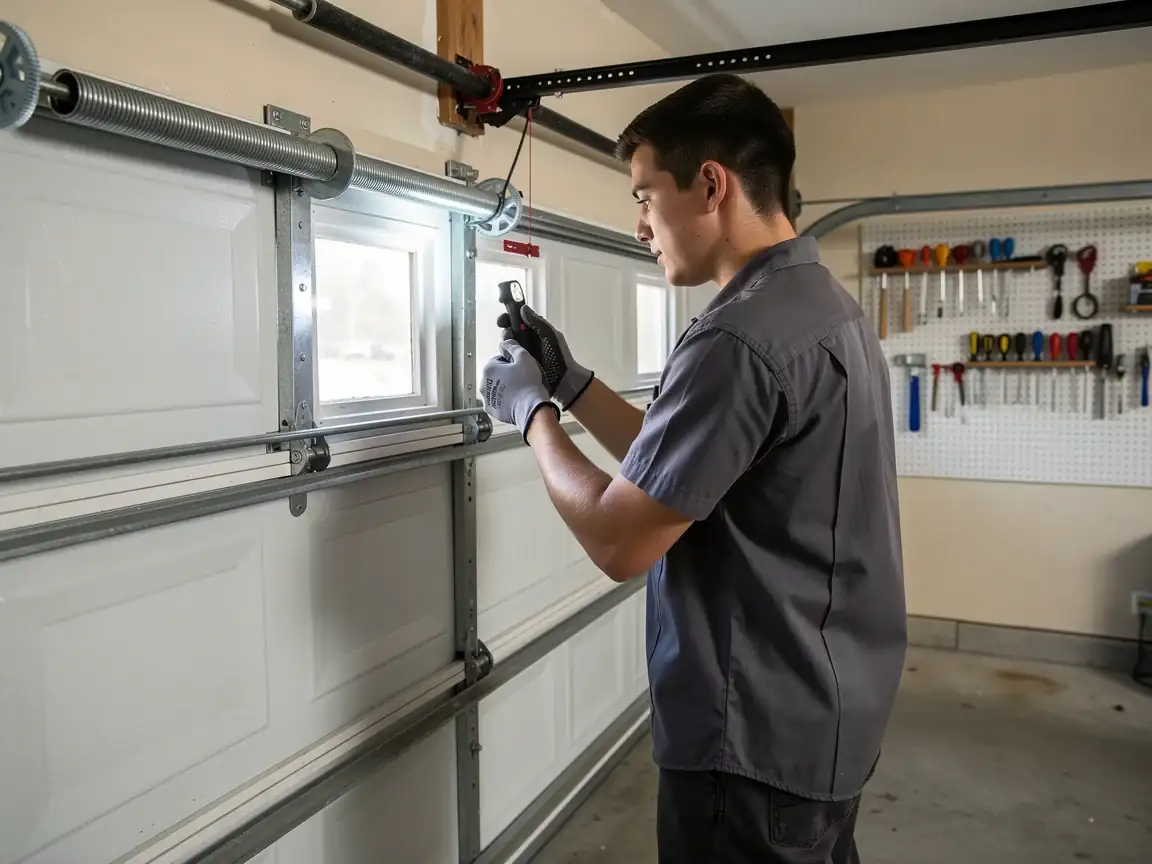
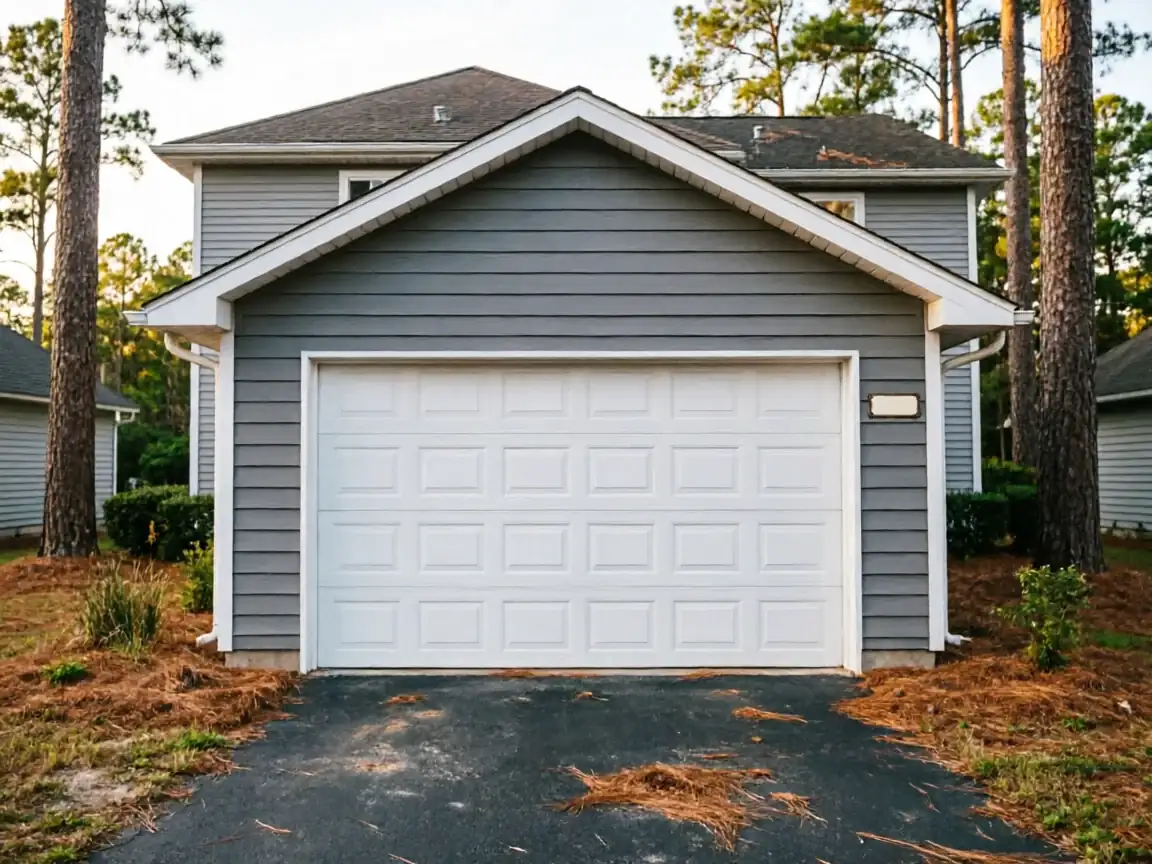
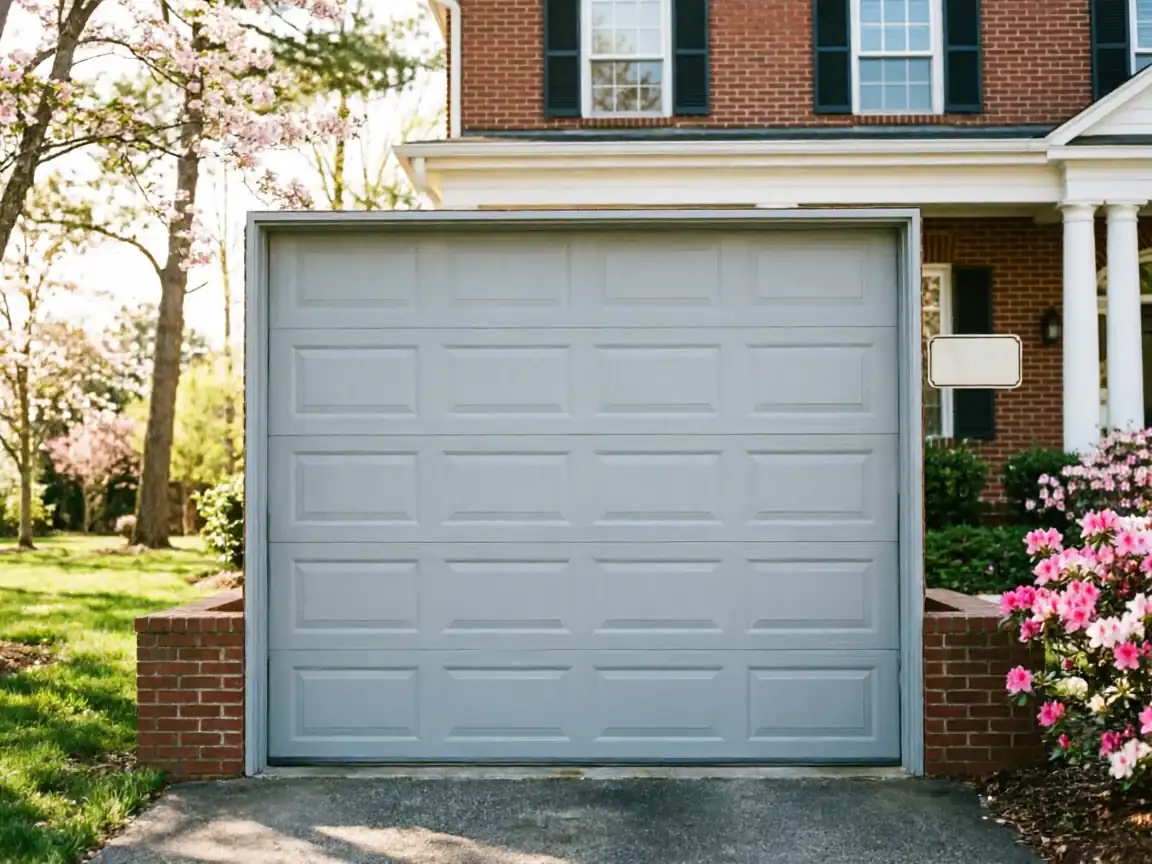
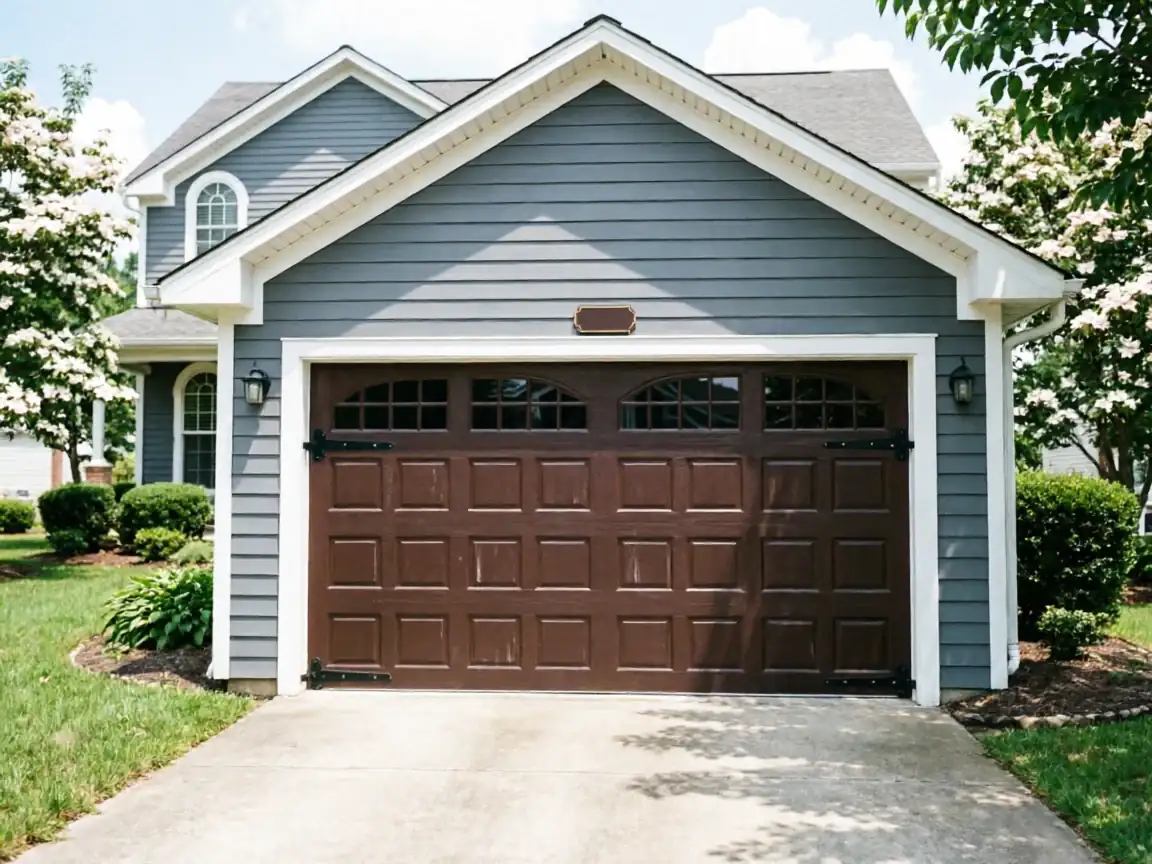
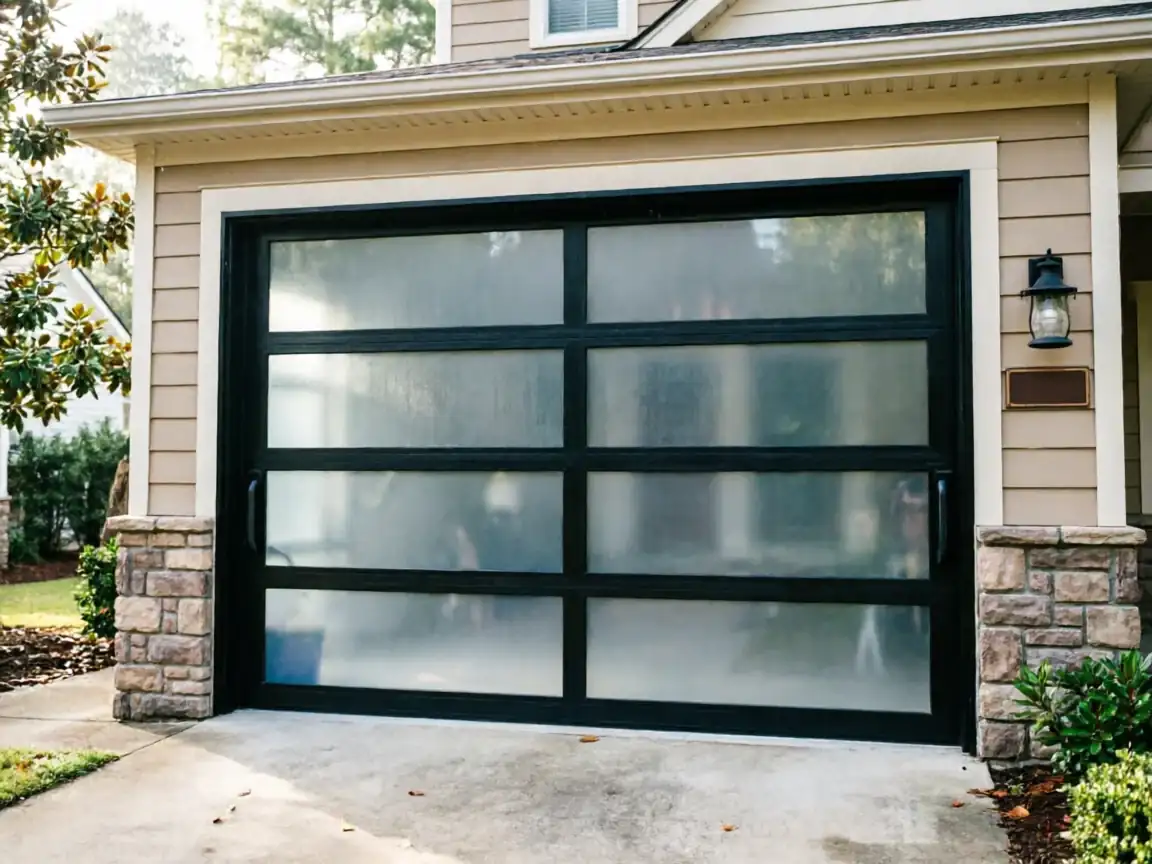
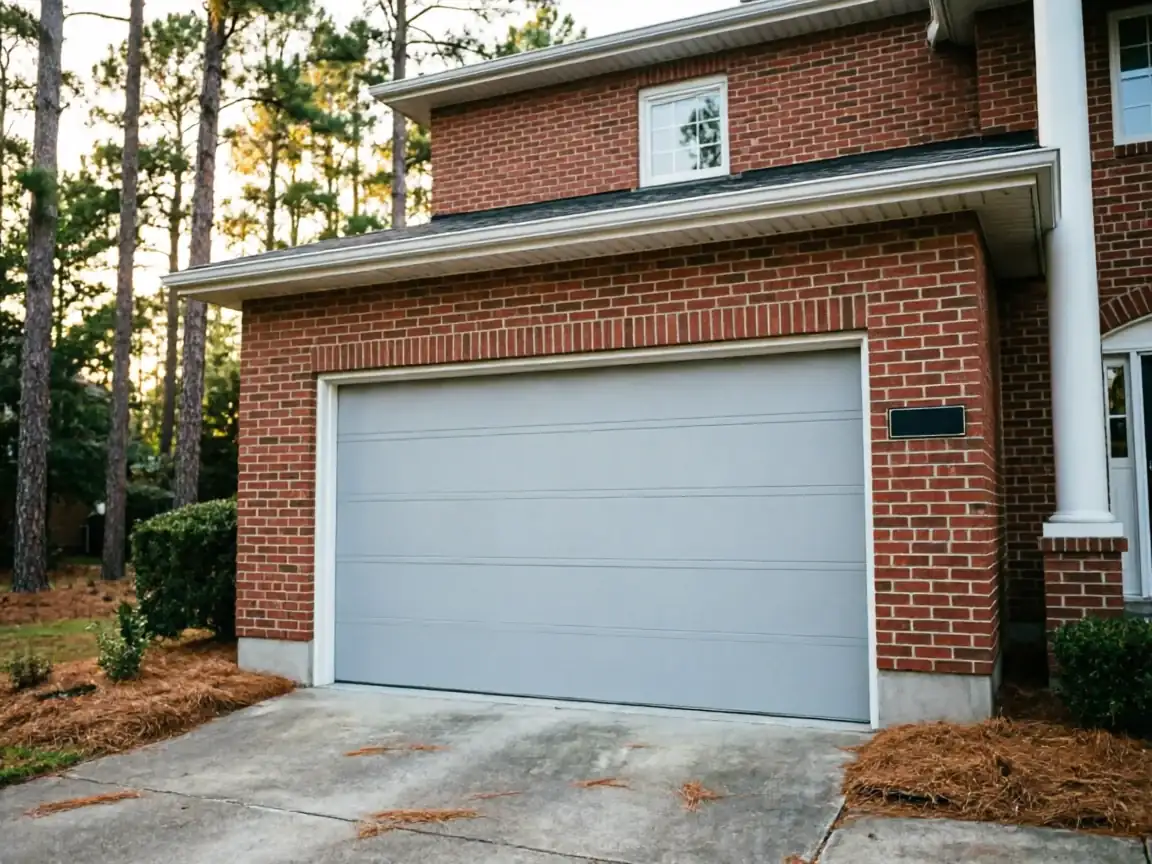
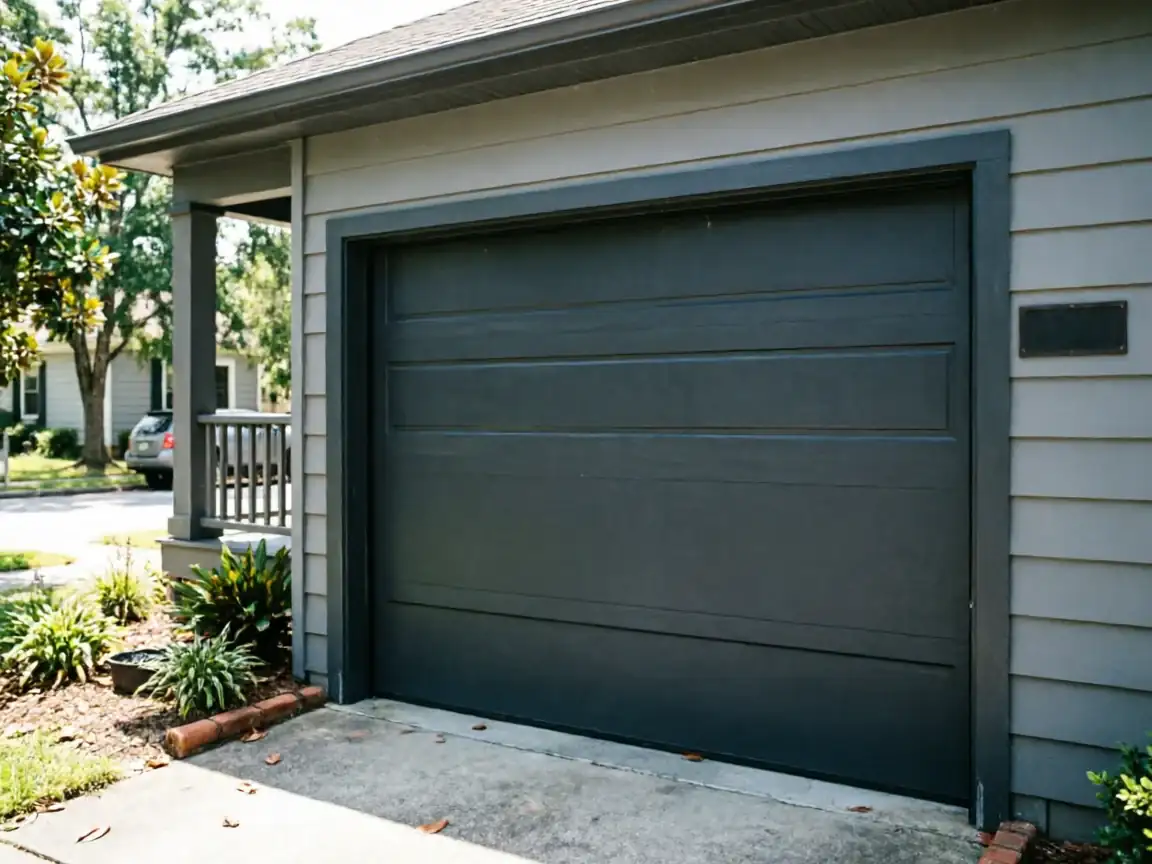
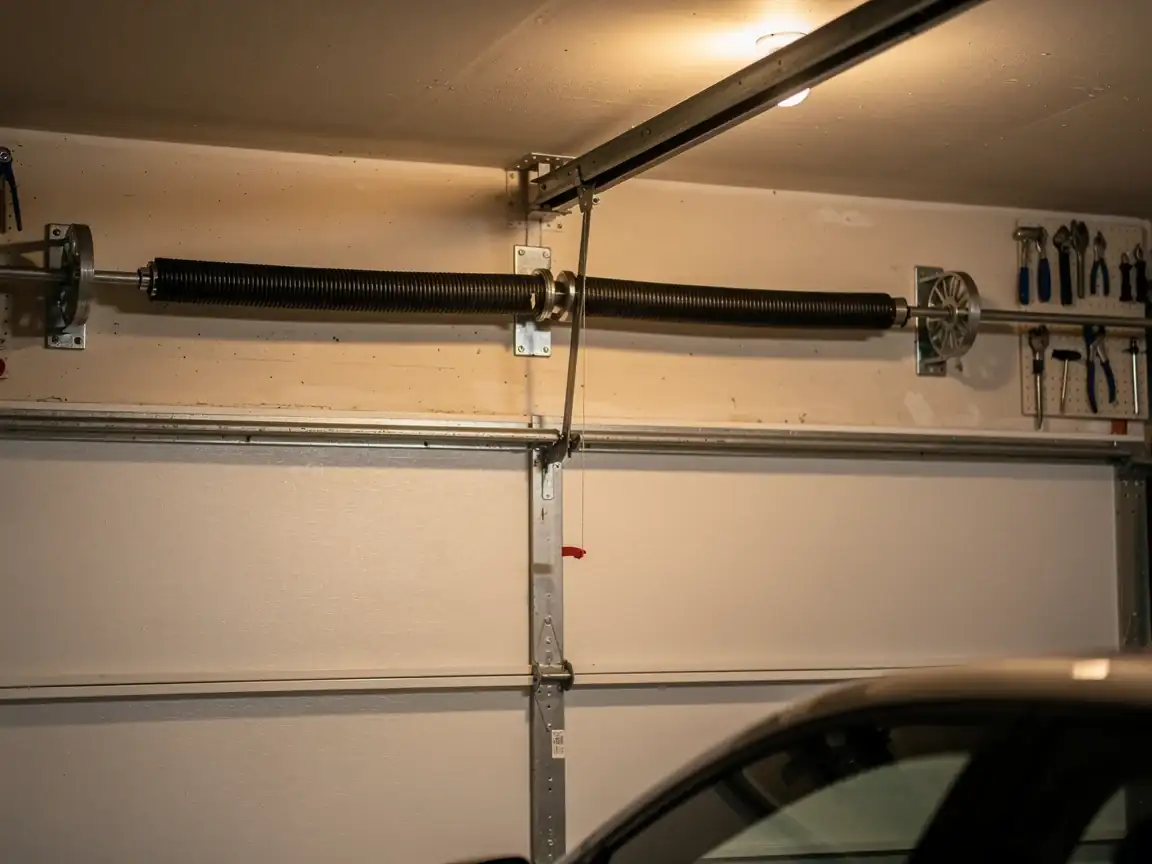
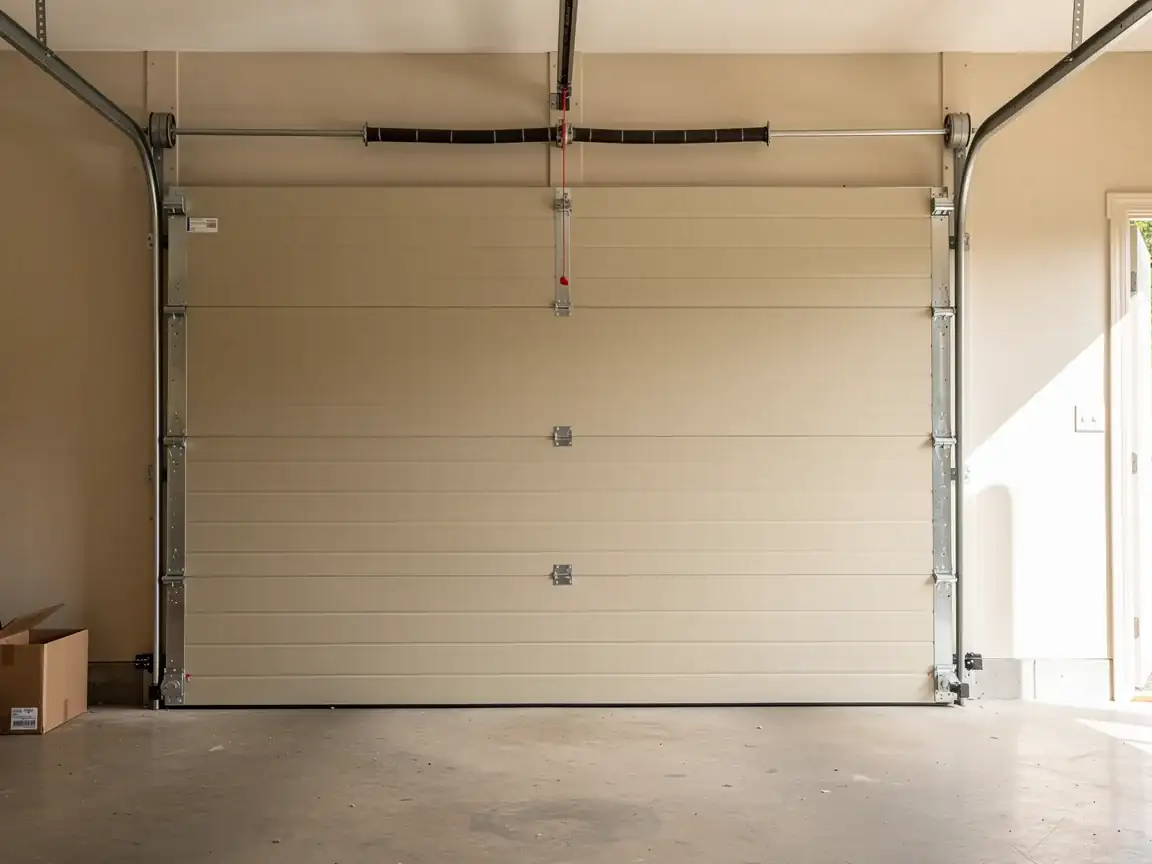
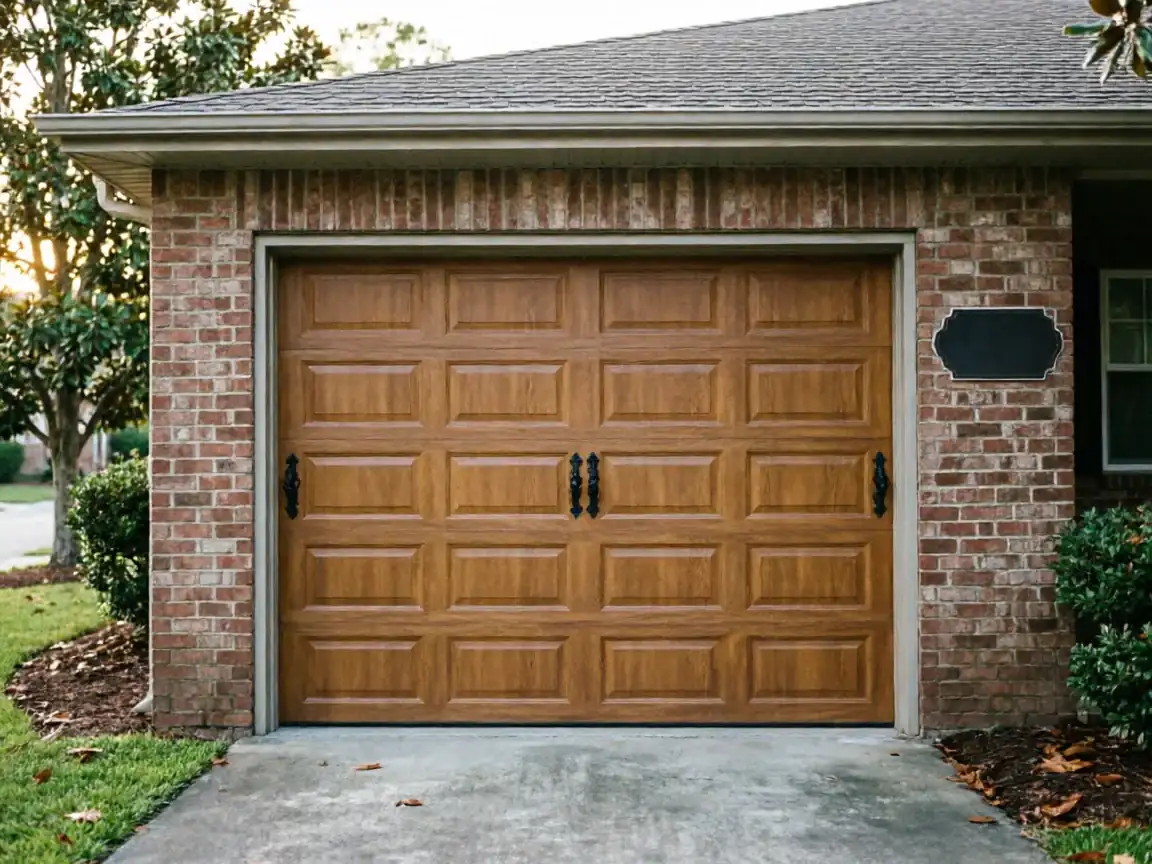
Because Priceville's housing stock clusters around the early 2000s, the doors we're pulling panels off and springs out of are mostly steel sectional doors on standard torsion systems - not the older extension-spring setups still common in parts of our territory with 1970s and 80s stock. That's good news in one sense: parts for 2004-era torsion hardware are still widely available, nothing obsolete or hard to source. The springs themselves are usually sized for a standard 7-foot door on a single torsion bar, which is the most common setup we see out here.
The flip side is that a lot of these doors are now 15-20 years old, which is exactly the window where torsion springs start failing without warning and opener logic boards start acting erratic before they quit outright. We're not seeing rot or rust-through structural issues the way we would on much older stock - this isn't 1960s steel. It's mechanical fatigue on parts that were fine for a long time and are now due.
The Houses Here
With 1,182 households in Priceville and a median income around $108,398, this is one of the higher-income pockets in our whole coverage area - well above the roughly $67,863 median across the broader service territory. That shows up in the kind of work people ask for: more full opener replacements with battery backup and smart-home connectivity, fewer bare-minimum patch jobs. It doesn't change the physics of a broken spring, but it does mean homeowners here are often choosing to replace an aging door system outright rather than nurse along one more repair, which is a reasonable call once a door's past the 15-year mark.
One honest limitation: we don't stock every opener logic board on the truck, especially for less common brands from that era. If your board needs to be special-ordered, that can add a few days to the job - we'll tell you upfront rather than guess at a date.