What Causes It Around Here
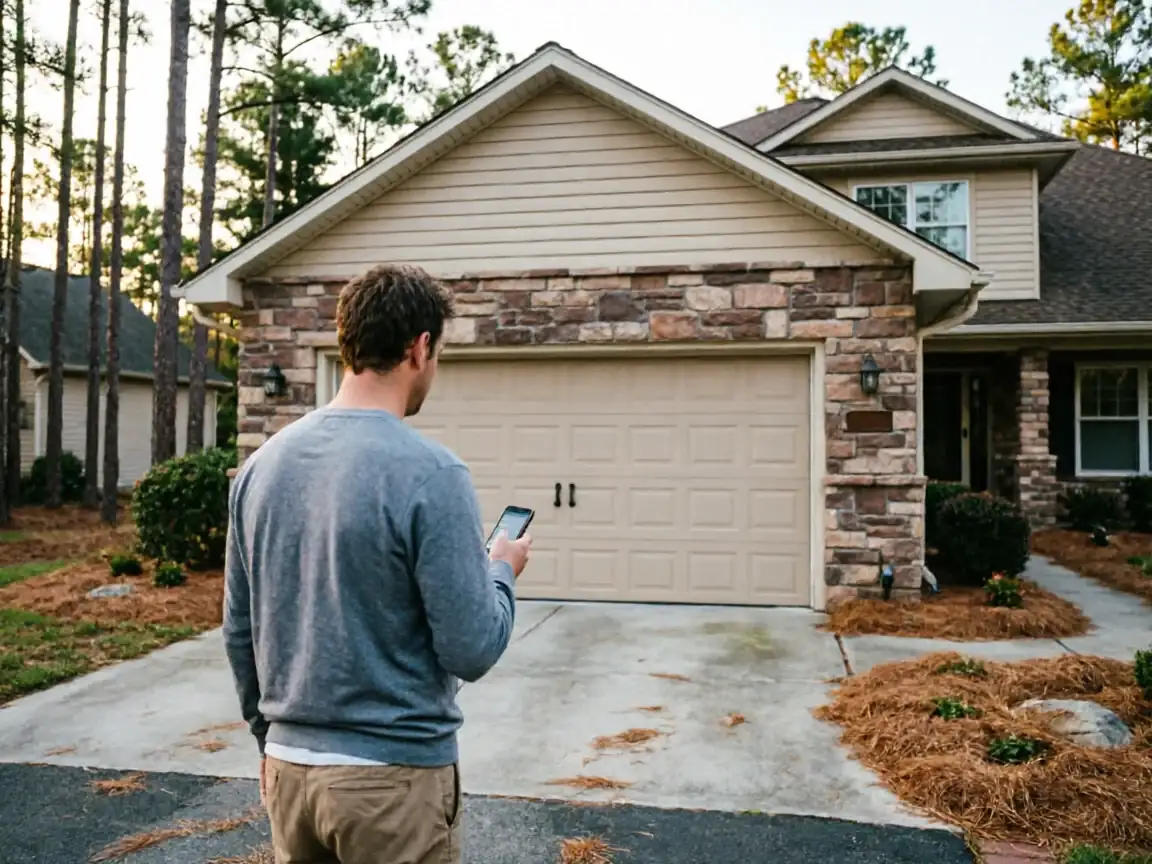
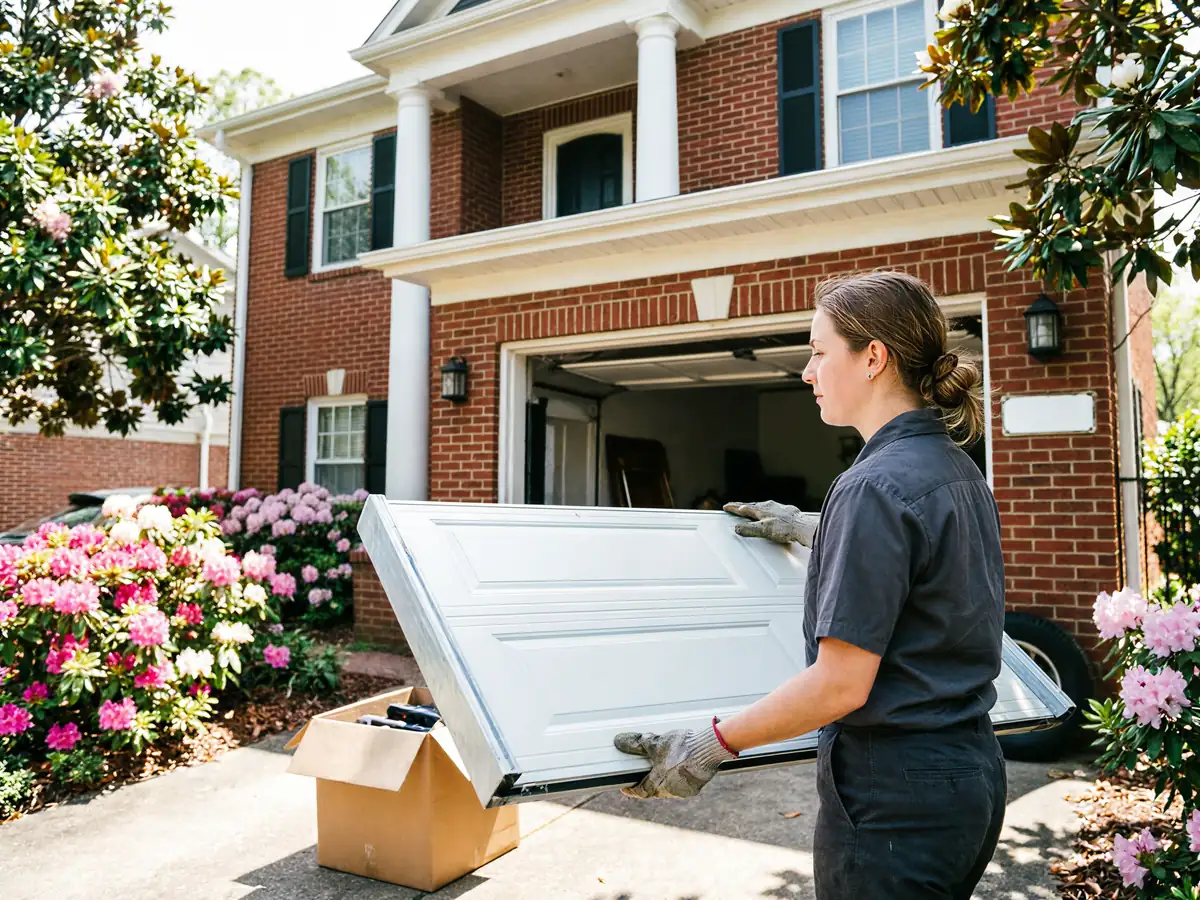
Most of the houses we work on in Decatur went up between 1972 and 2012, with the bulk of that stock dating to the 1980s and 90s. That matters for installation because doors from that era were built to specs that don't match what's sold today - different panel heights, different track widths, different spring systems. When a door from 1988 finally gives out, you're not just replacing a panel, you're usually replacing the whole unit because nobody stocks parts for hardware that old.
The cold-moderate climate here adds its own wear. Steel panels and seals go through real freeze-thaw cycles each winter without the extreme cold that would make insulation mandatory everywhere, so a lot of original doors in this area were installed as basic, uninsulated models. Thirty-plus years of that cycle warps panels, cracks bottom seals, and rusts out hinges faster than owners expect. Across the seven neighborhood pockets that make up most of Decatur's housing, we see the same pattern: a door that looked fine for two decades starts failing all at once once the steel fatigues.
This isn't a problem unique to one block. It's a function of when this town built out and what the weather does to a door over that many years.
How It Shows Up
The first sign is usually a door that's hard to lift by hand or that an opener strains against
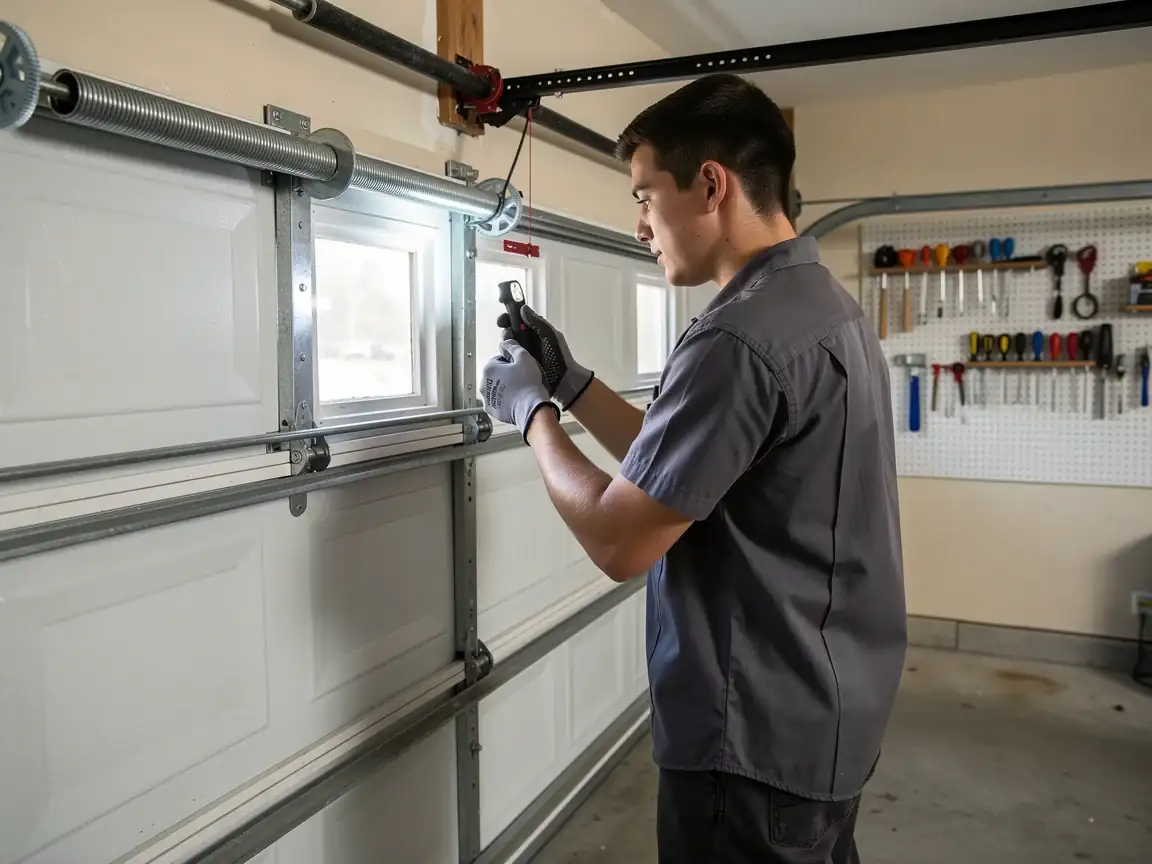
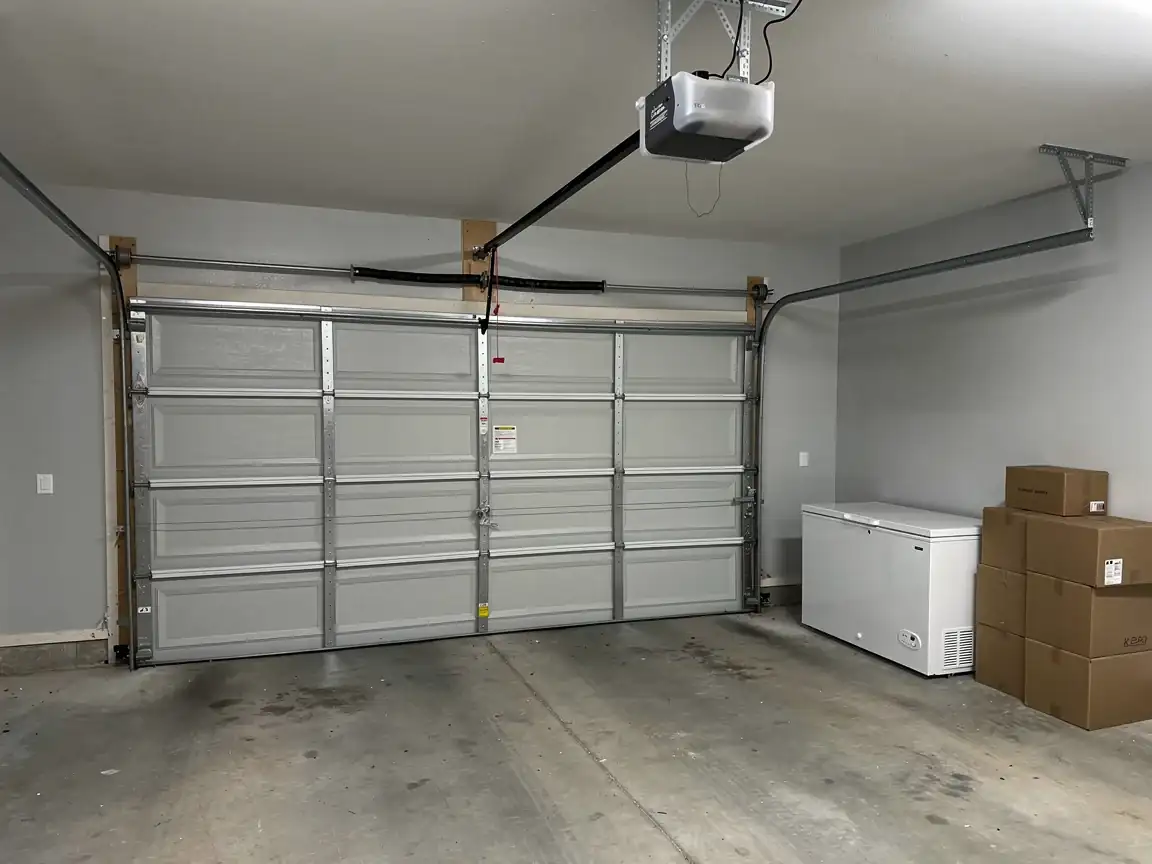
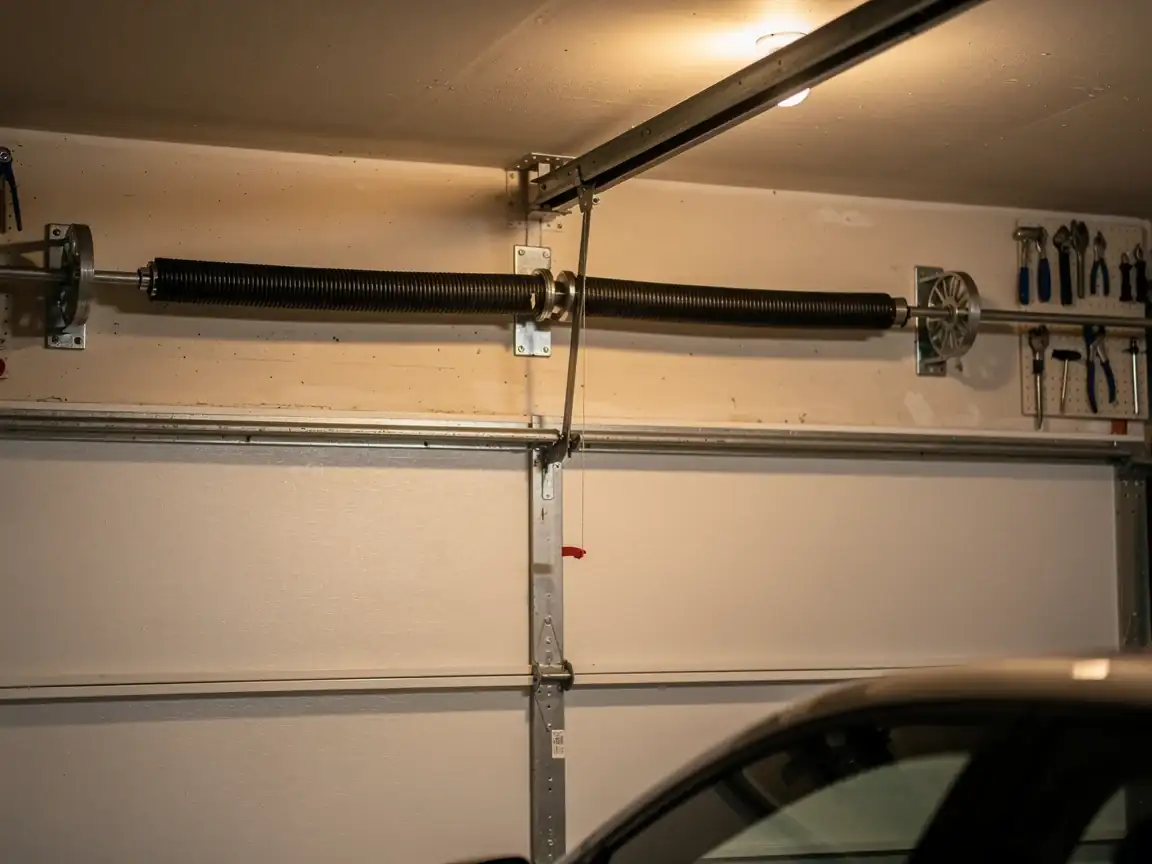
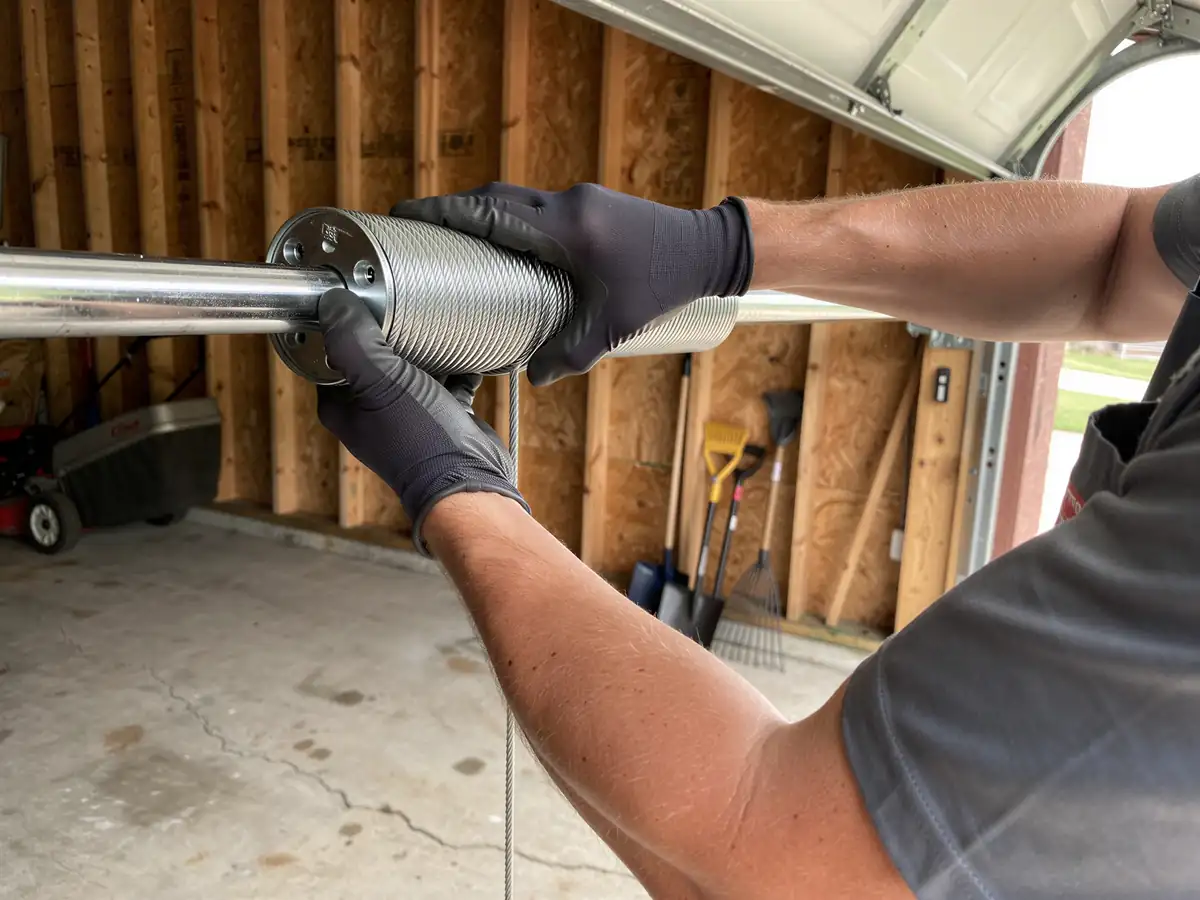
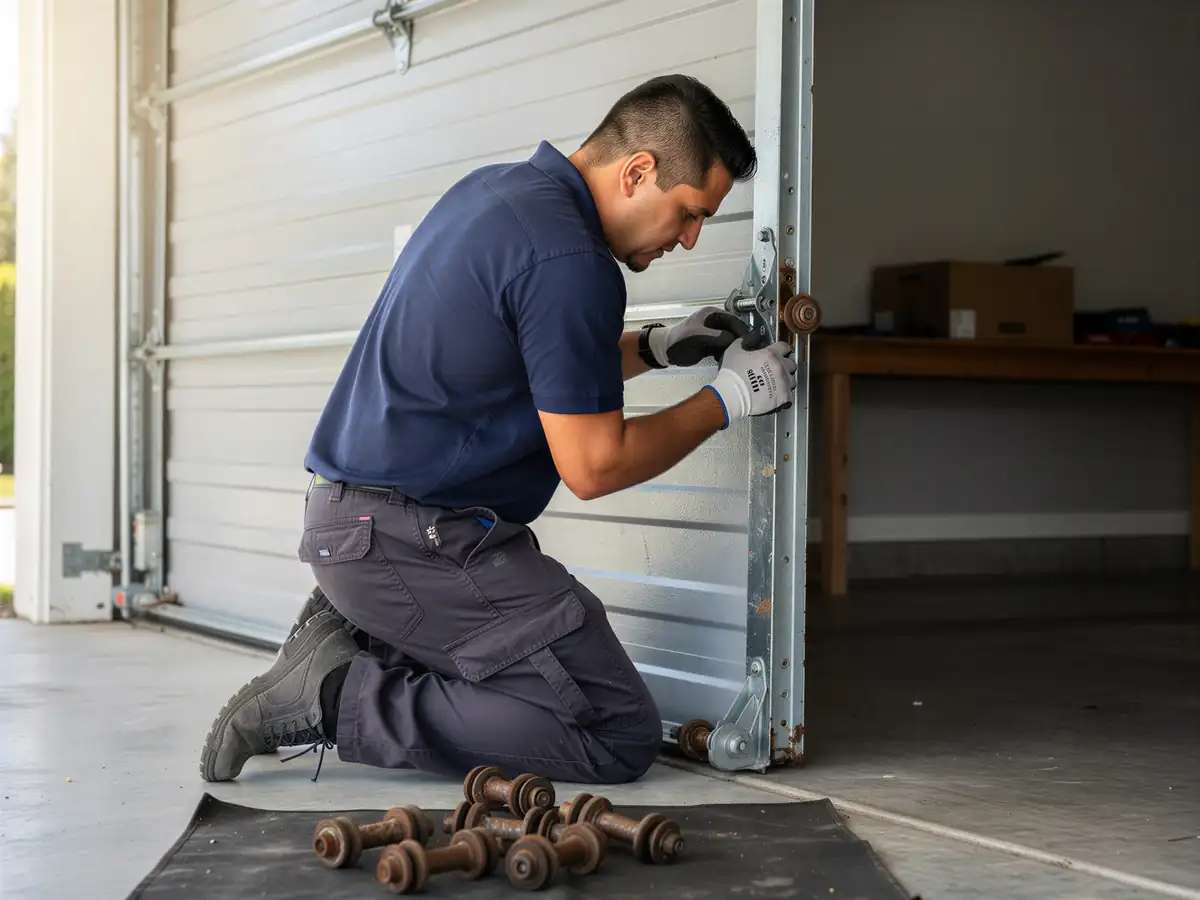
A torsion spring rated for 1980s door weight losing tension after decades of cycling. Next comes visible sag in the top panel, especially on single-car doors original to houses from that 1972-2012 build window, since those panels weren't engineered with today's thicker steel or polystyrene cores.
You'll also see it in the seals
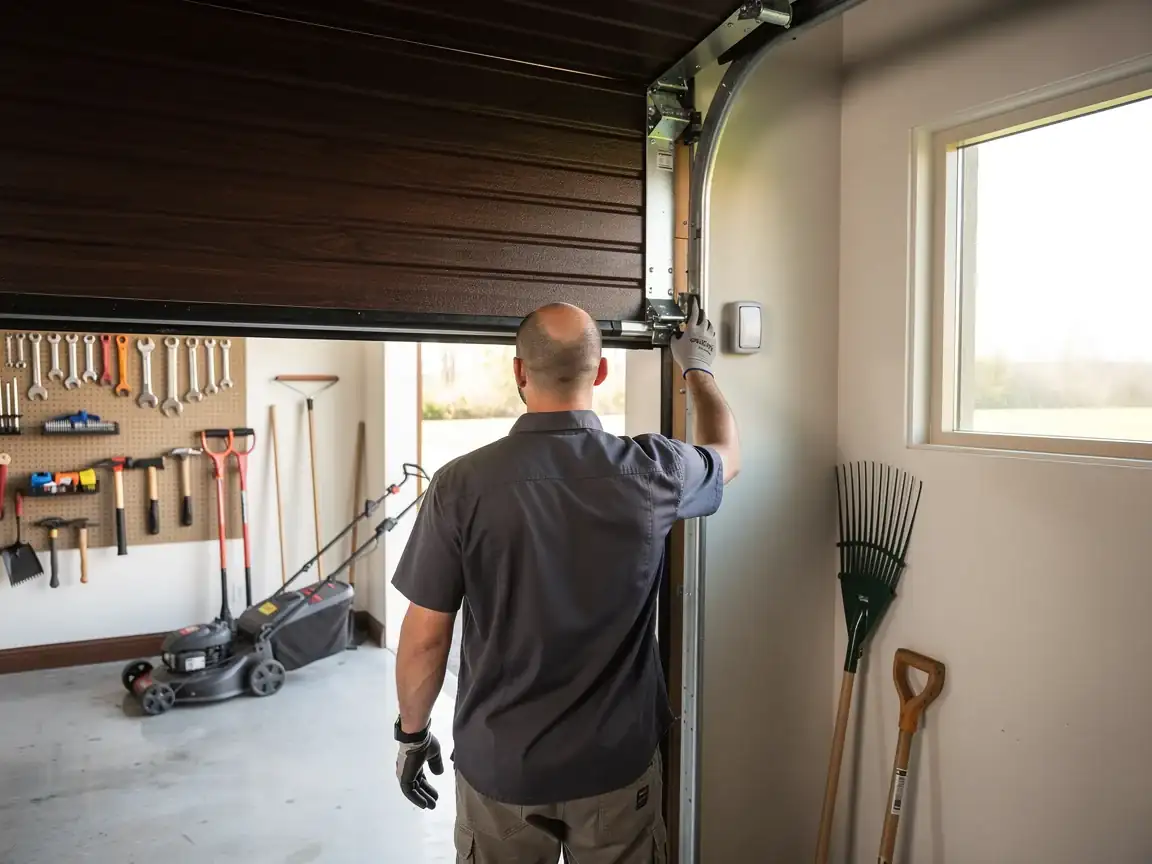
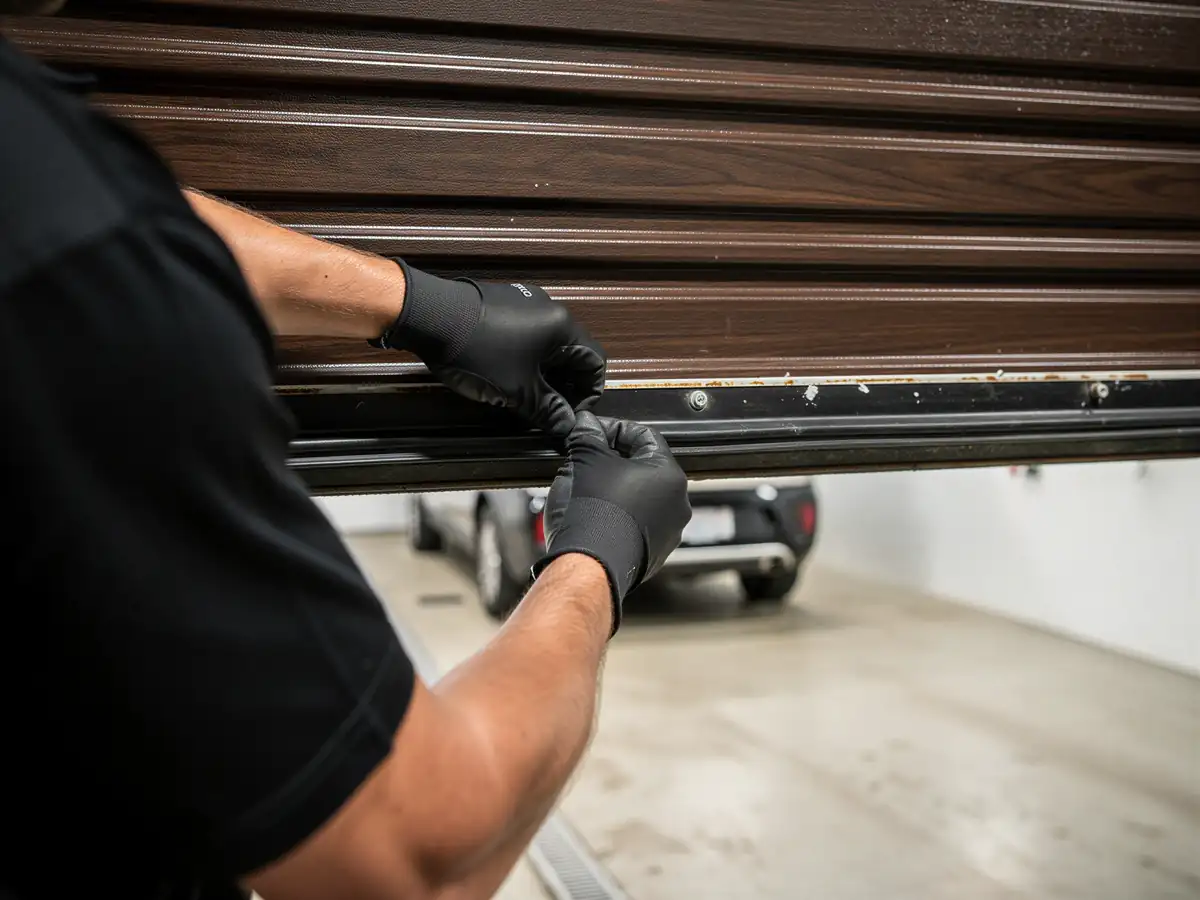
Bottom weatherstripping on a door that old has usually hardened and cracked, letting cold air and water under the door - not dramatic, but it shows up as a draft in the attached garage or a damp line along the slab. Track misalignment is common too, since older track hardware wasn't designed for the heavier insulated doors homeowners now want to upgrade to.
One honest note: if your opener is newer than your door
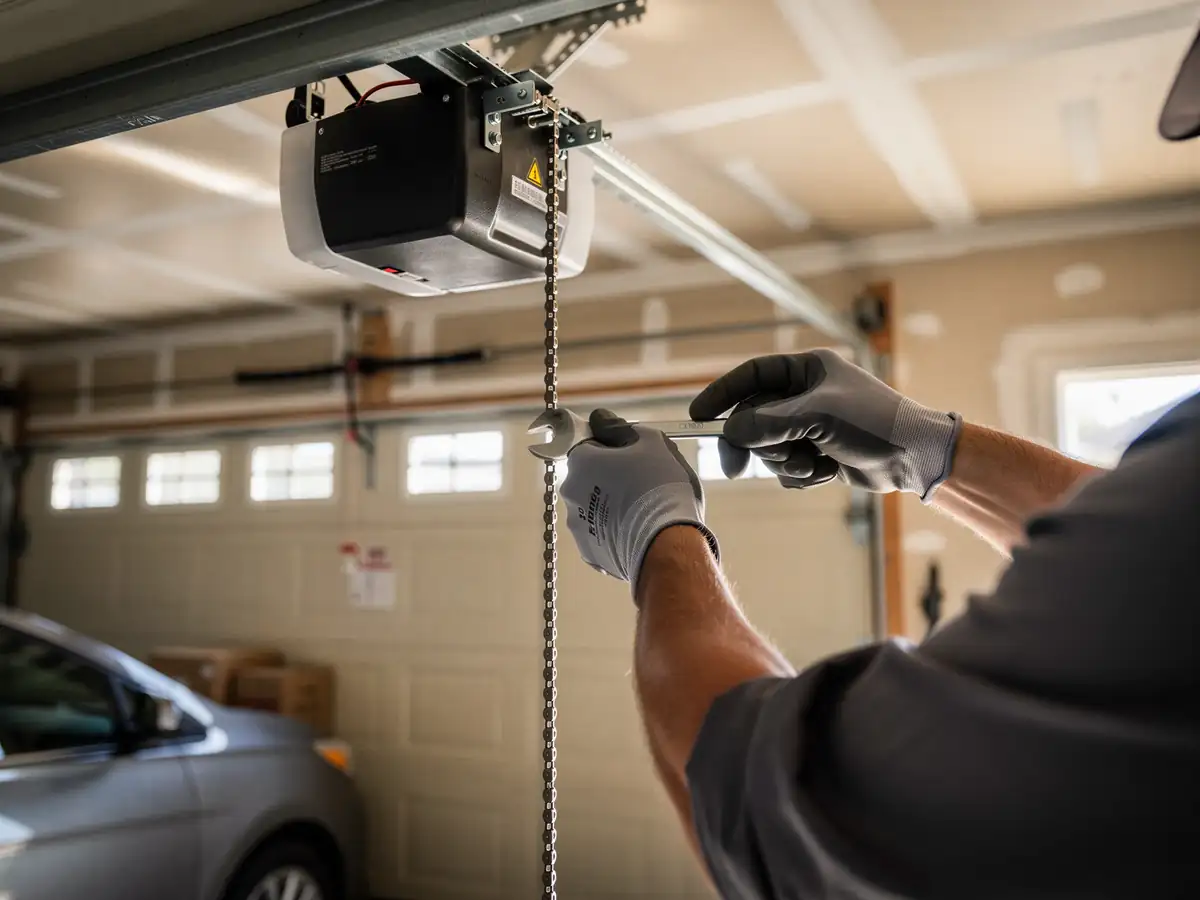
Don't assume the opener is the problem. We see plenty of calls where someone's replaced the opener twice chasing a symptom that was really a worn-out door pulling against a motor it was never matched to.
The Cost of This Job
We don't have a flat number to quote here, because door size, insulation level, and whether we're also swapping track or opener all move the price. What we can tell you is how to think about it against this area's numbers: median household income here runs just under $68,000, and most of the houses we quote are owner-occupied, so we price jobs with that household in mind rather than toward high-end custom work.
The real cost driver on most Decatur jobs is whether you're replacing a door only, or a door plus opener plus track - the older the house, the more likely all three need attention at once, since they were installed together decades ago and wear together. We'll tell you straight if a repair would hold for another year or two versus if you're better off installing now before a spring failure strands the door shut.
Getting It Booked In
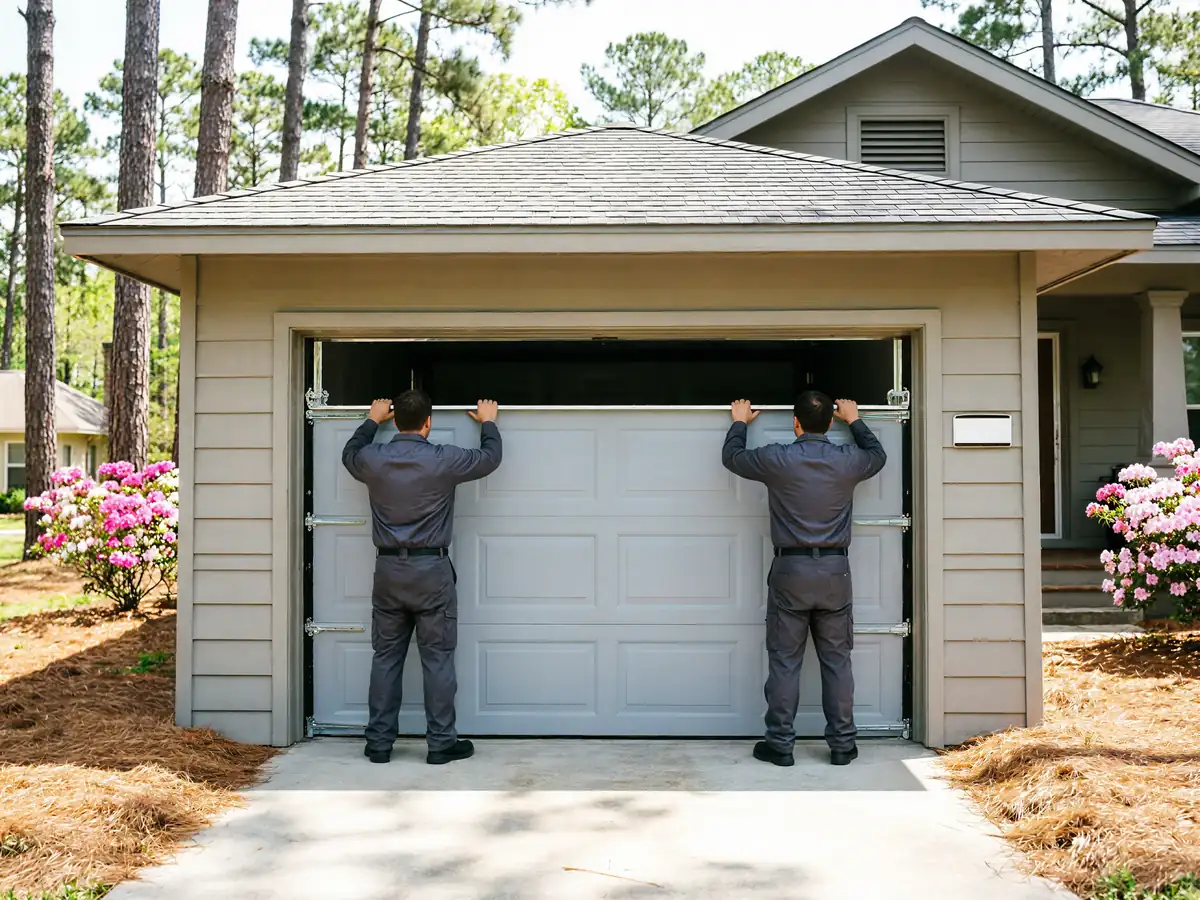
We quote installs for homes in Decatur and the surrounding area - Trinity, Priceville, and Hartselle are close enough that we're out there regularly, with Somerville, Triana, Falkville, and Moulton a bit further down the list. Tell us the age of your house if you know it; for anything built in that 1972-2012 window, we can usually tell you over the phone what kind of door and track setup you're likely working with before we even arrive.
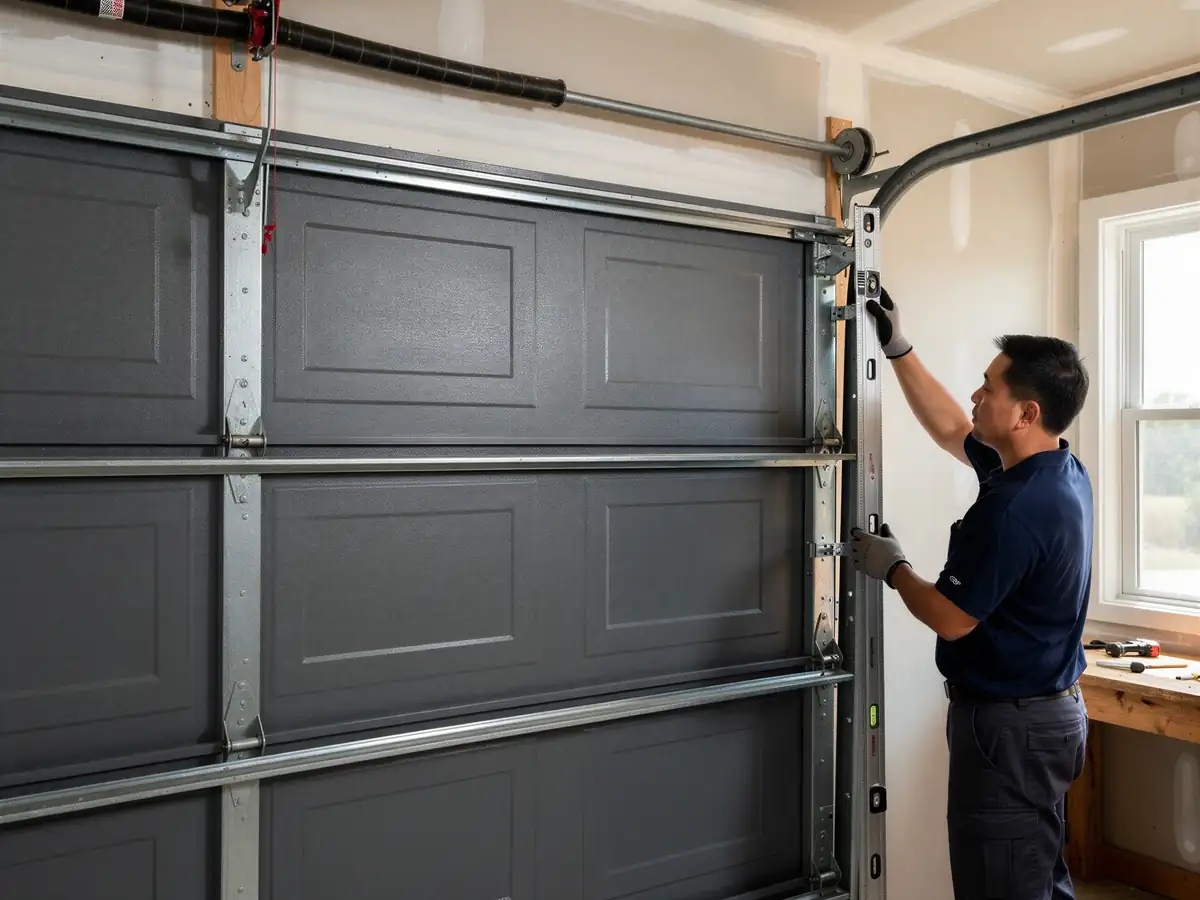
We book installs around measurement first - door opening size, headroom for the track, and whether the existing framing needs any work before a new door goes in. If your garage is attached and you're trying to cut down on drafts from a cracked seal, say so up front; it changes which door we'd recommend.