The Situation
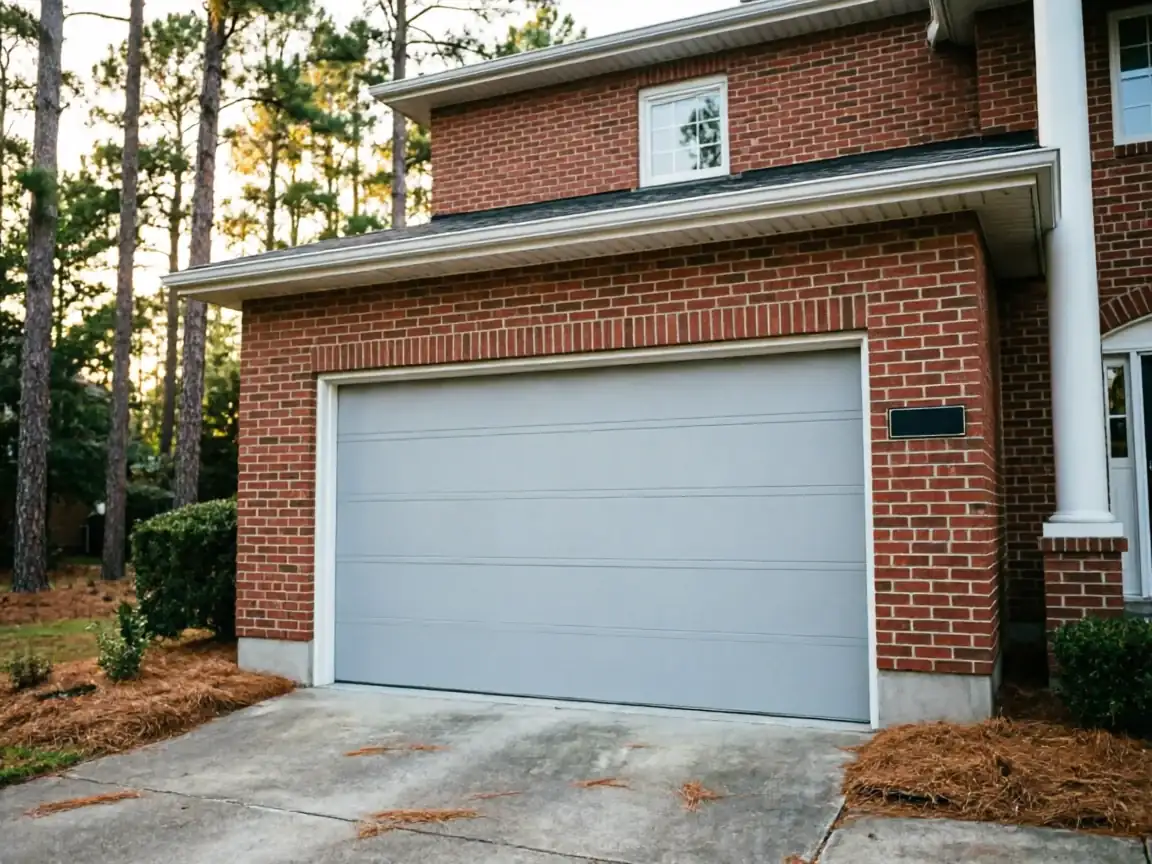
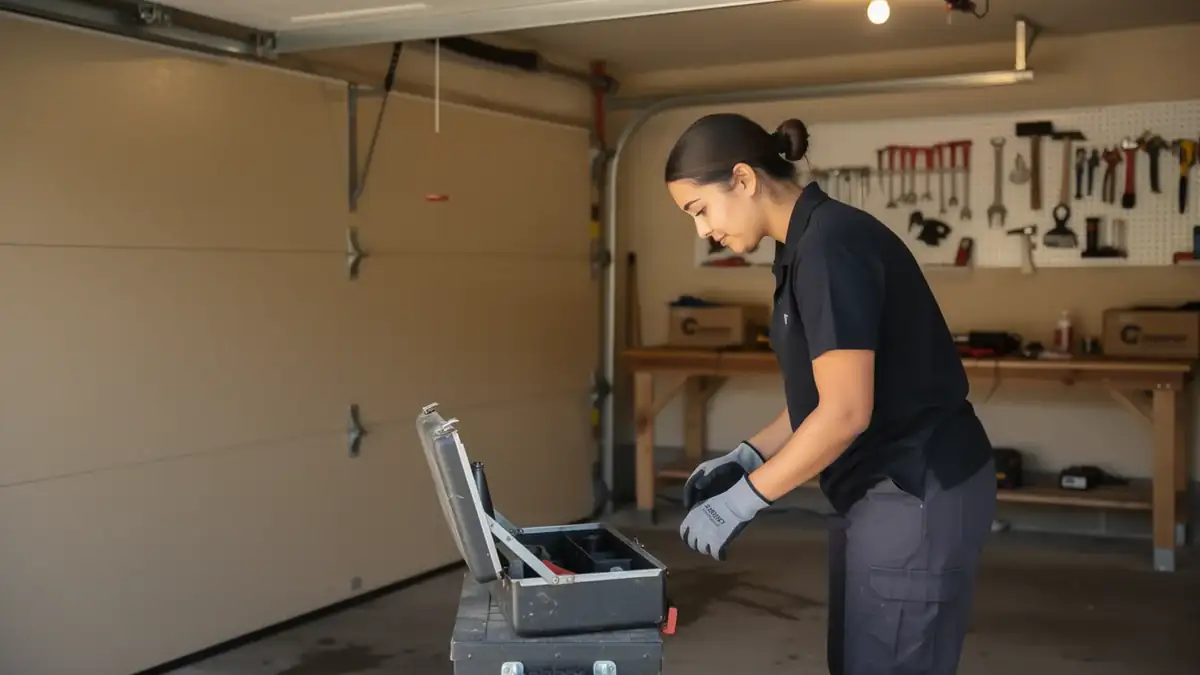
Most of the houses we get called to in Decatur went up between 1972 and 2012, with the bulk of that stock clustering in the 1980s and 90s across the seven areas we cover. That matters more than people think. A door and opener installed in 1988 is pushing 35+ years of cycles, and the hardware that was standard then - lighter-gauge torsion springs, older relay-style openers, steel rollers with no nylon sleeve - is not what gets installed today. When we show up, we're not walking in blind to guess at a brand-new system. We're usually looking at a door that's original or close to it, paired with whatever opener got bolted on sometime in the 90s or 2000s as a retrofit. A service call starts with figuring out which era of hardware we're actually dealing with, because the fix for a 1988 door is not the fix for a 2012 one, even if the symptom looks the same from the driveway.
Checking It Yourself
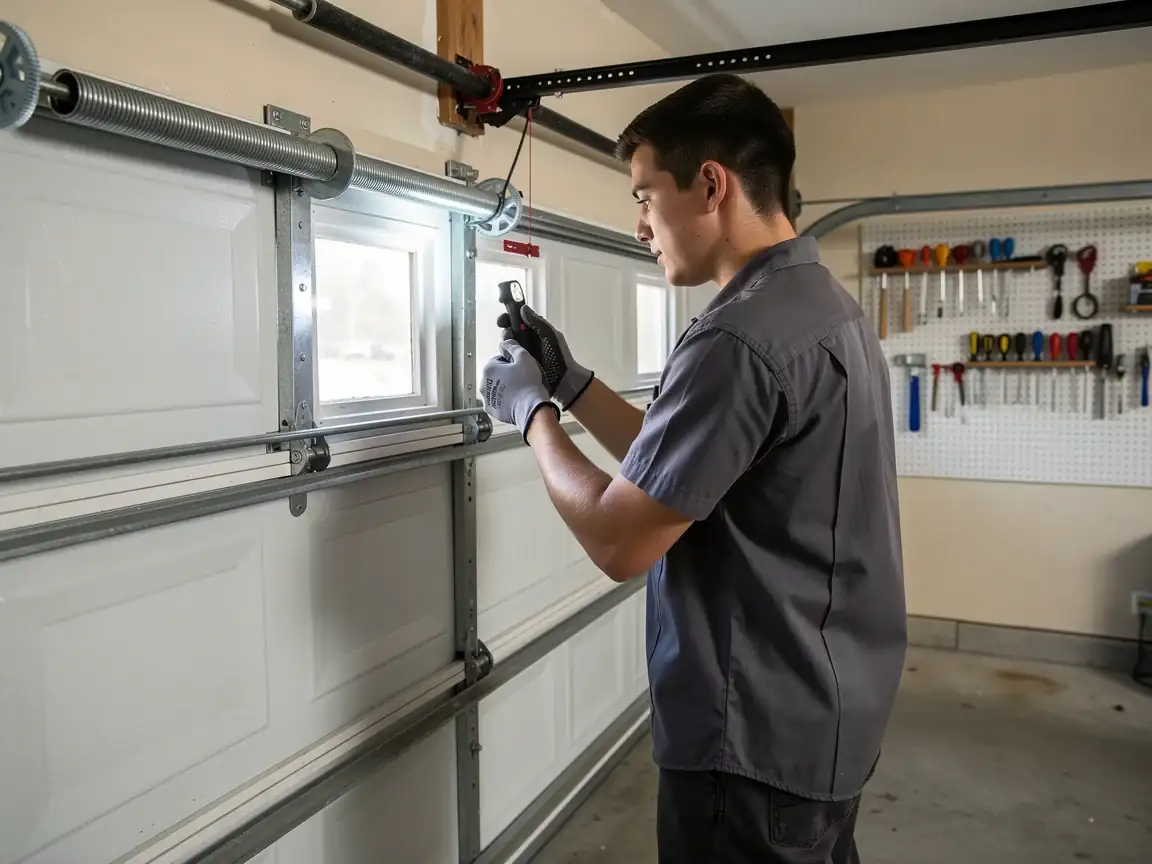
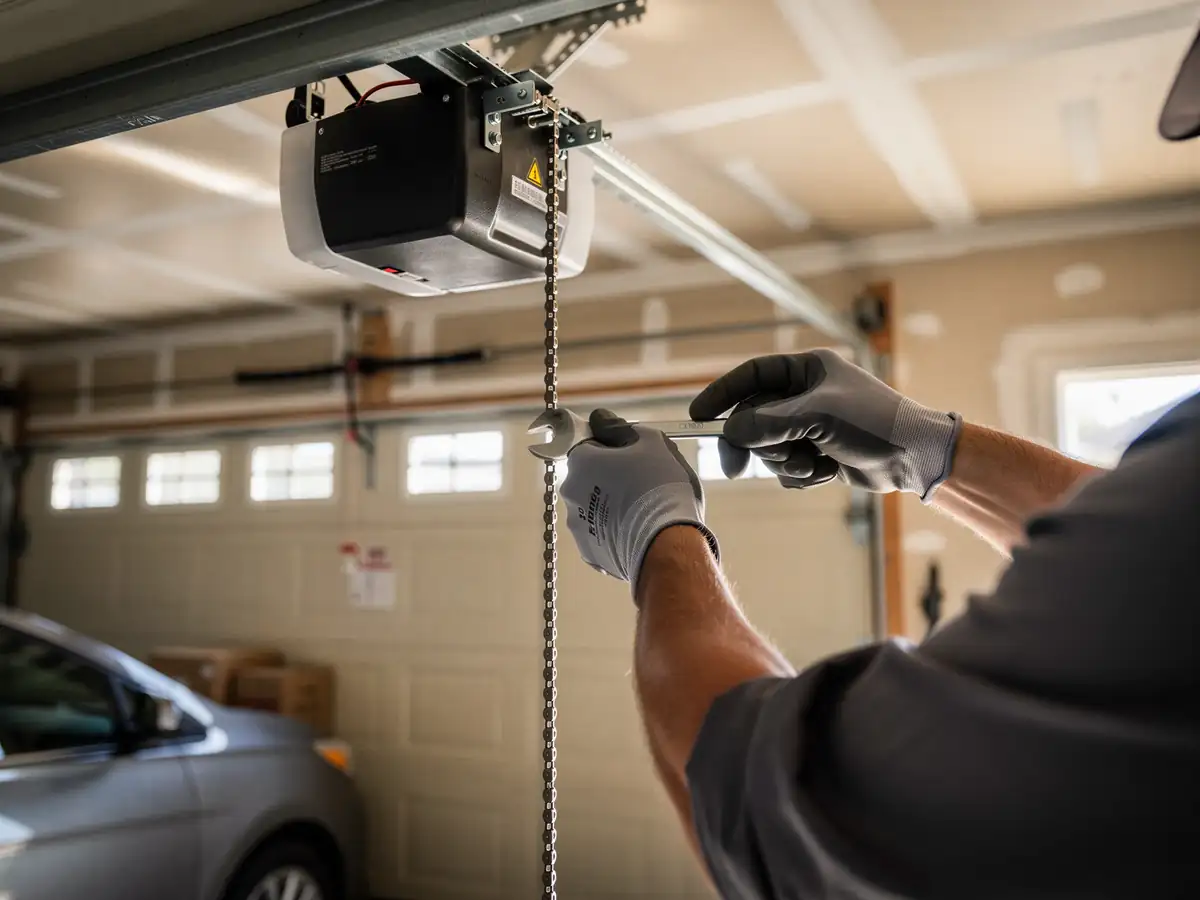
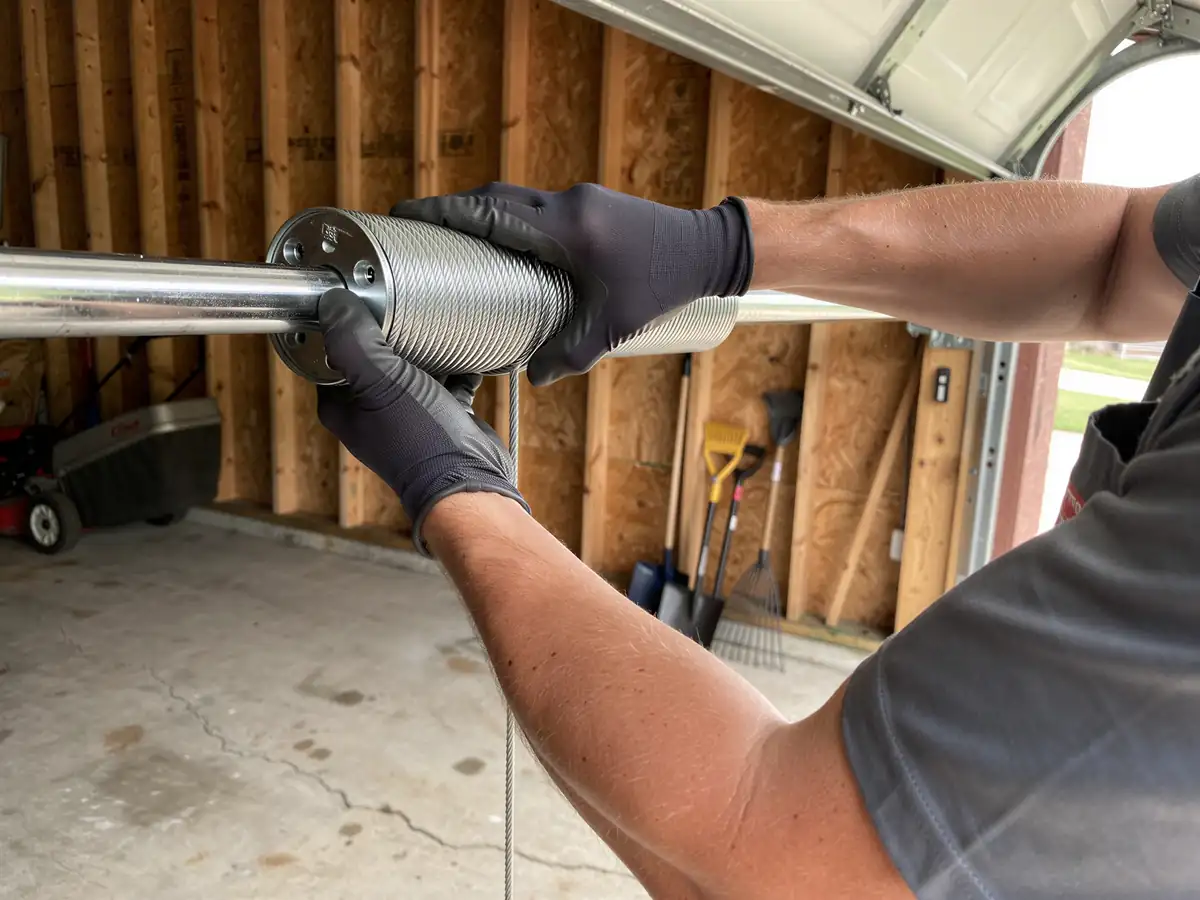
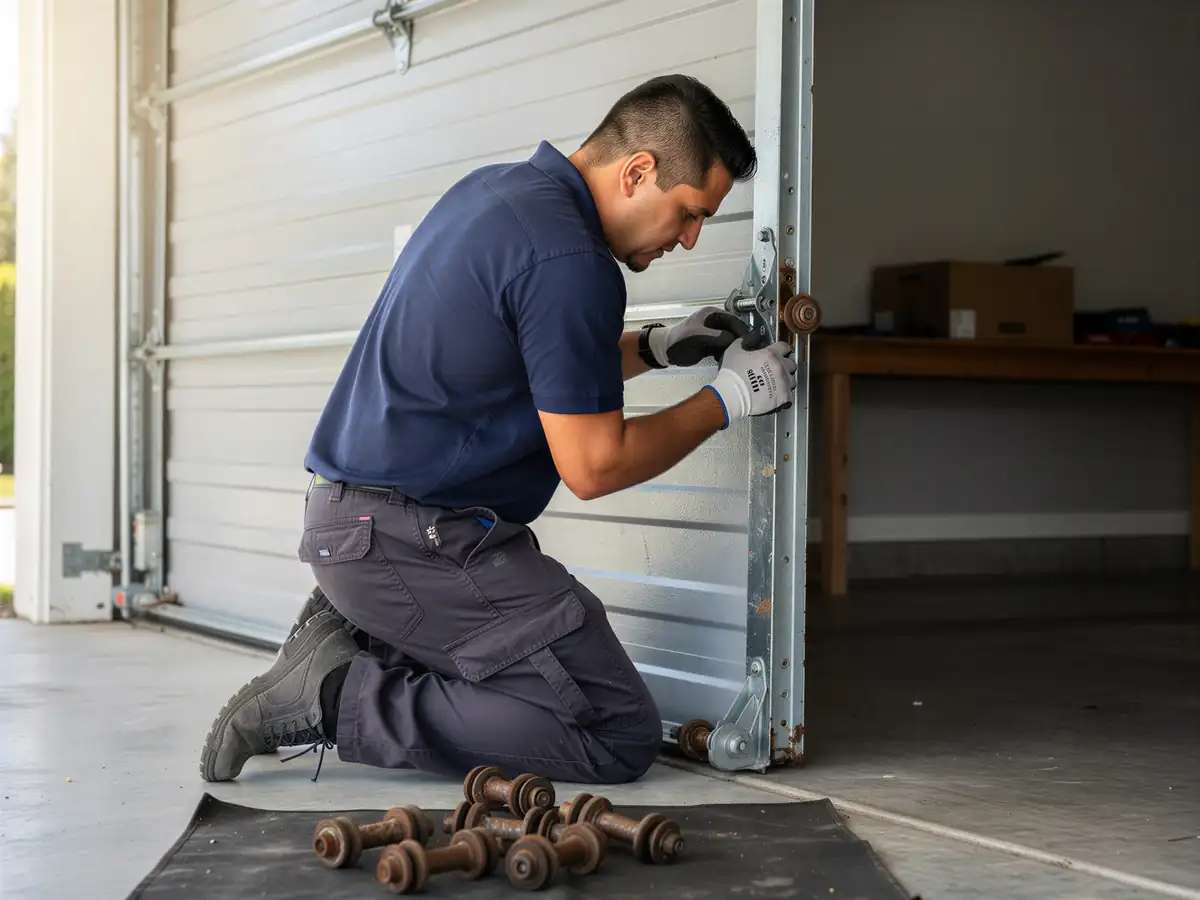
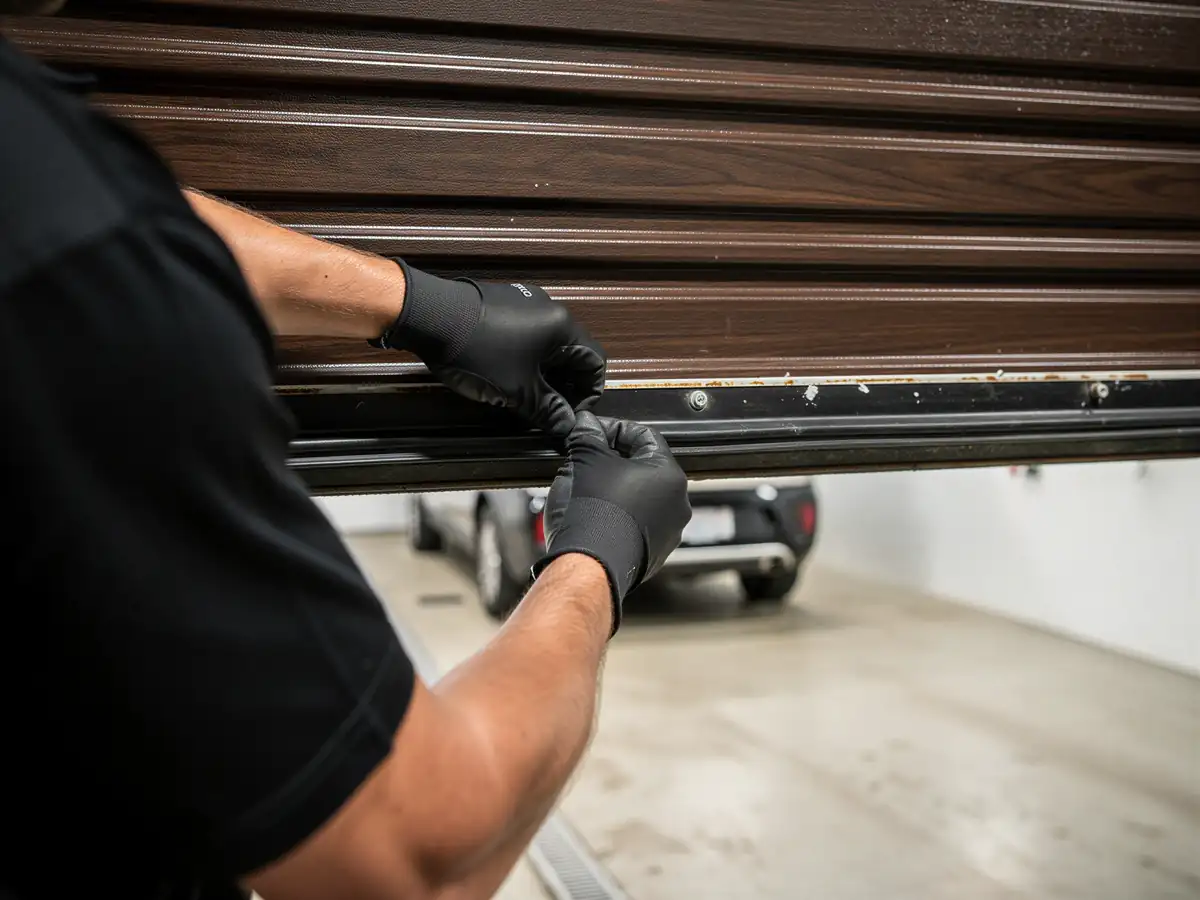
Before you call anyone, there's a short list worth doing yourself. Pull the manual release and lift the door by hand - if it's heavy or uneven, that's spring tension, not opener trouble. Look at the springs themselves; gaps in the coil usually mean a break is coming, not already here. Check the tracks for rust or bent spots, more common on original 1980s-90s installs than on newer doors. Listen for grinding versus popping - grinding is usually rollers, popping is usually a cable or hinge. If the opener runs but the door doesn't move, that's almost always the opener's drive mechanism, not the door itself. We can't tell you over the phone whether a 35-year-old spring is worth replacing versus a full torsion conversion - that's a judgment call made in person, looking at the actual hardware.
How Local Conditions Play In
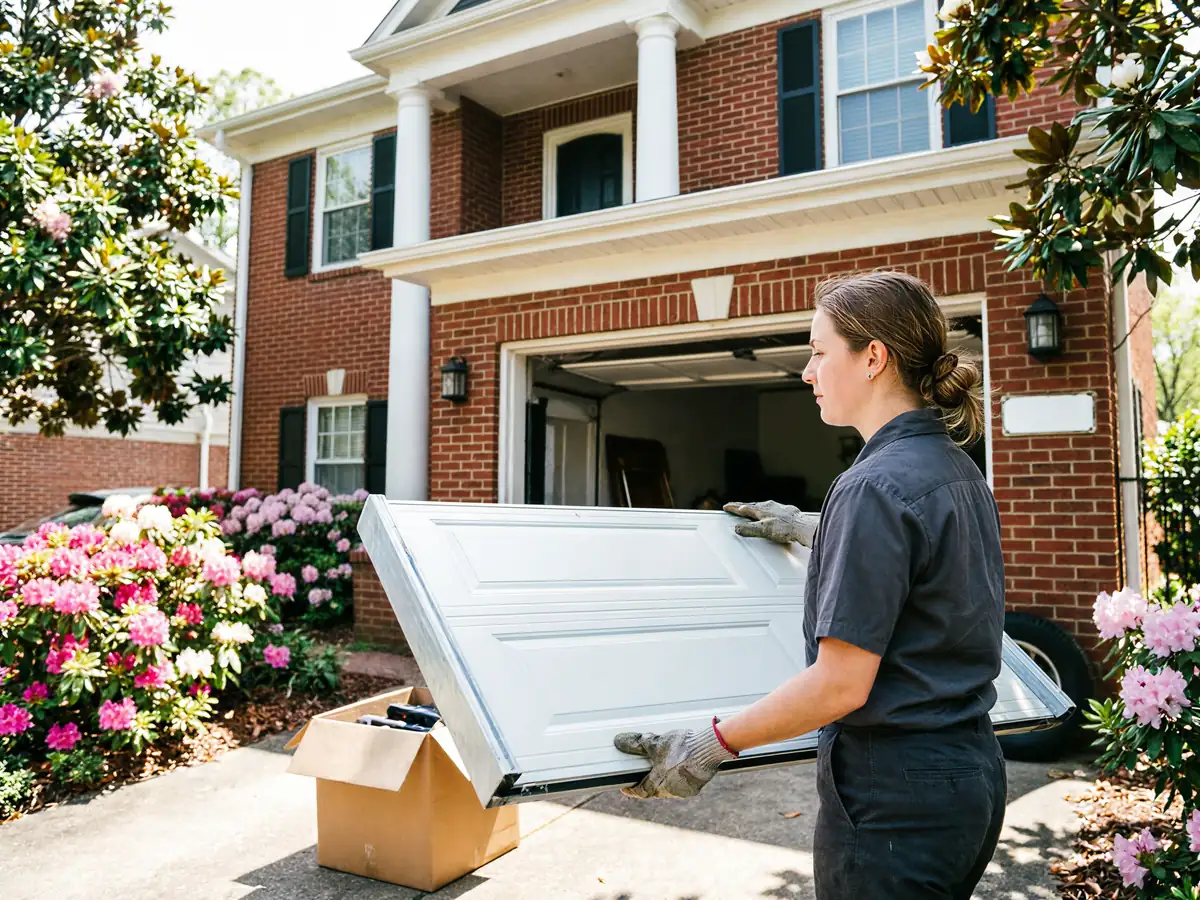
With 8,352 owner-occupied houses among the roughly 11,600 households we serve, and a median household income around $67,900, a lot of our calls are homeowners trying to decide whether to repair an original door or replace it outright - not an easy call when the hardware is pushing 30+ years old. We run calls out to Trinity, Priceville, Hartselle, Somerville, Triana, and Falkville, and as far as Moulton, and the housing pattern holds pretty steady across that stretch: 1980s and 90s builds dominate, with newer construction mixed in closer to town. One honest limitation: if a part is obsolete - some of the older torsion hardware and first-generation opener logic boards aren't made anymore - we tell you that on the spot rather than quoting a repair we can't actually deliver parts for.