The Situation
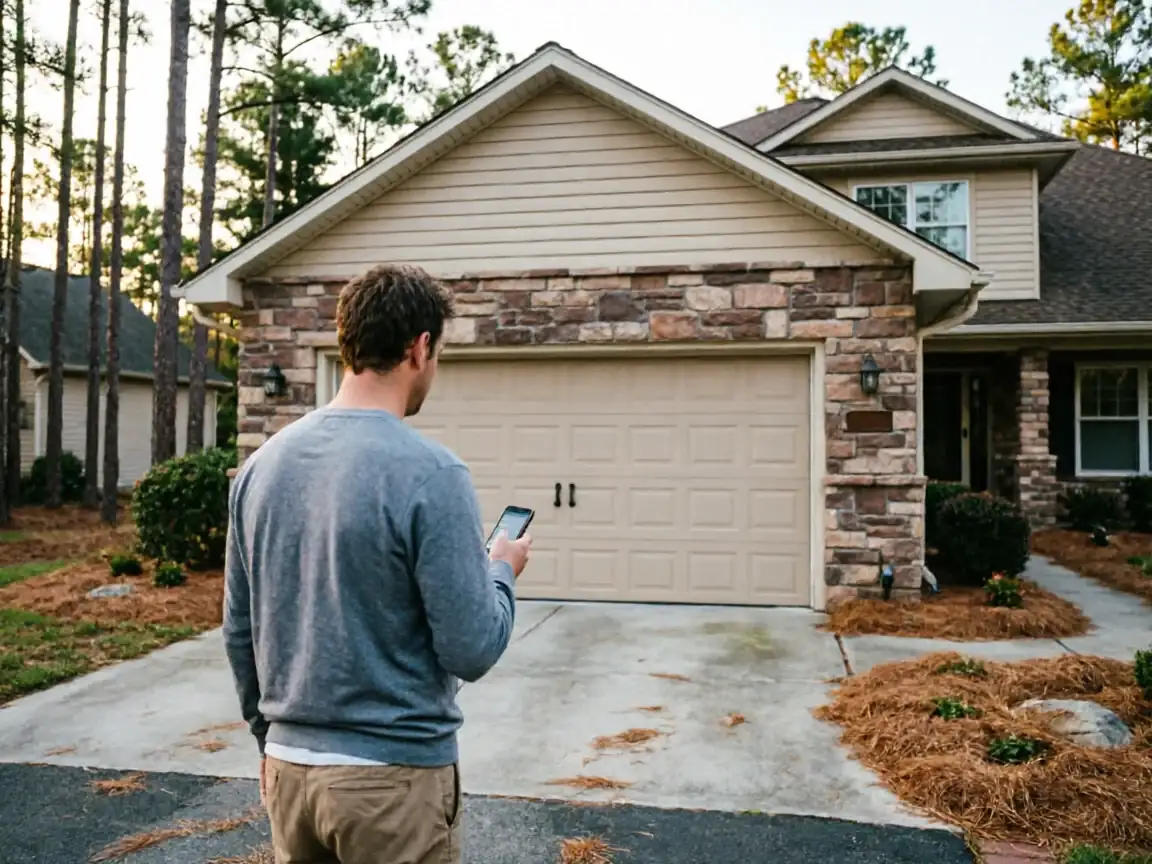
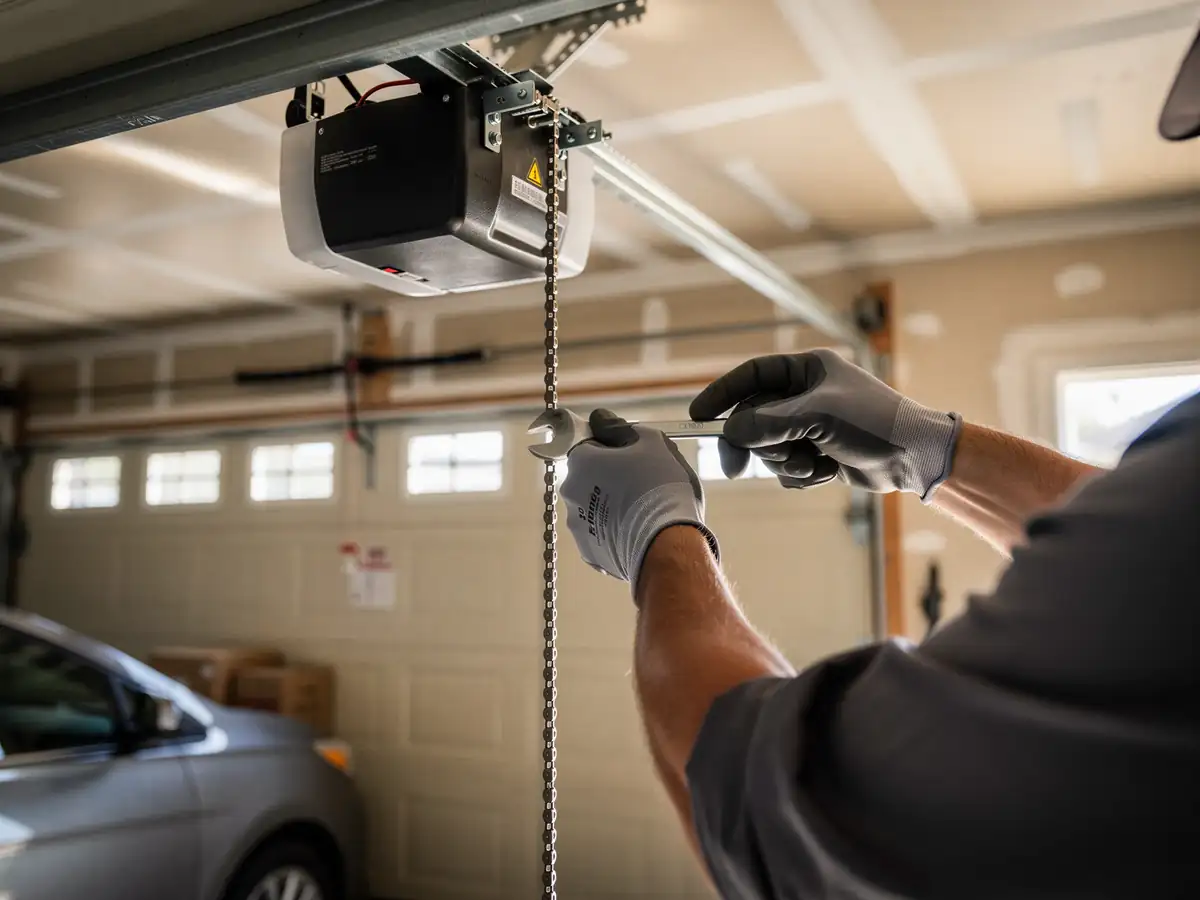
Most of the houses we work on around Decatur went up between 1972 and 2012, with the bulk of that stock dating to the 1980s and 90s. That matters more than people think when the power blinks. A lot of these openers are original to the house or are a second-generation replacement installed sometime in the 90s or 2000s, and the battery backup units common on newer chain-drive and belt-drive models weren't standard equipment back then. So when the power cuts, a chunk of homes in this service area lose opener function entirely - no backup, no manual override memory, nothing - until someone pulls the release cord and lifts the door by hand. We see this across the seven areas we cover, not just one pocket of town. The age spread also means we're dealing with a mix of logic boards: some openers from the 1990s run on simple relay logic that doesn't care much about power quality, while newer units from the 2000s and later have circuit boards that can glitch or need a reset after a surge, even a short one. Knowing which decade your opener came from tells you more about what to expect during an outage than the brand on the box.
Checking It Yourself
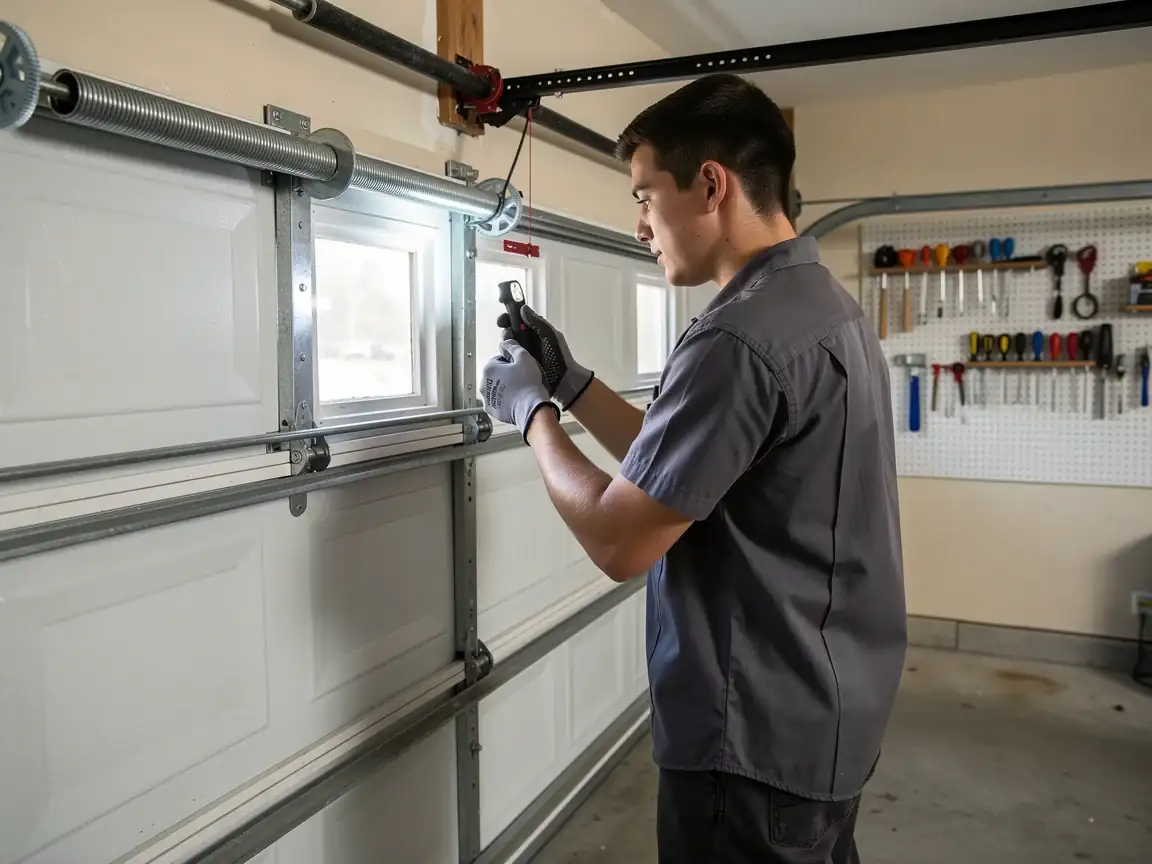
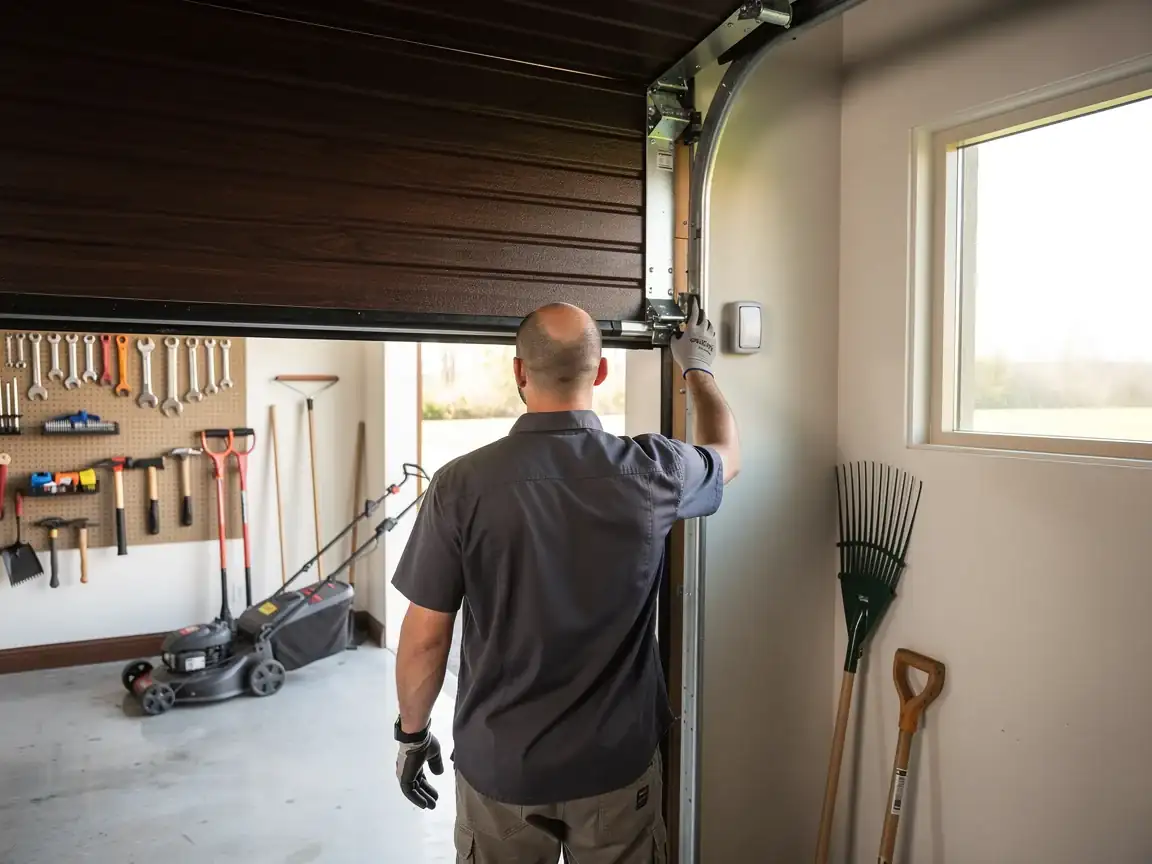
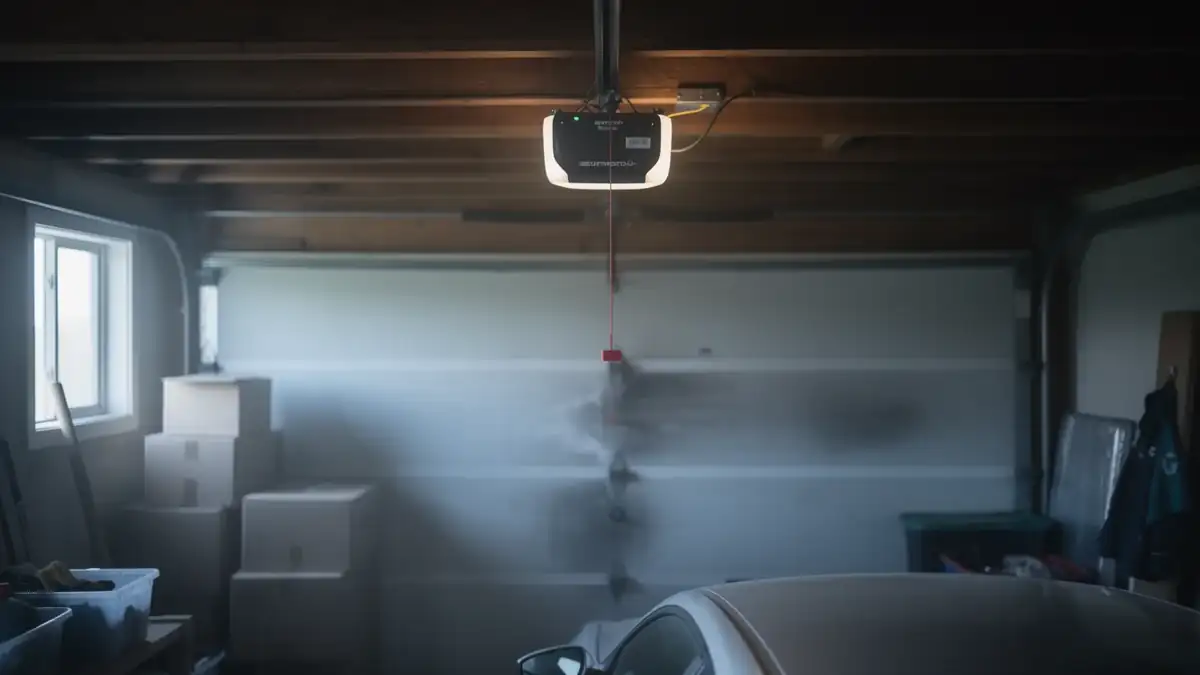
Before you call anyone, there are a few things worth checking. First, find the manual release cord - usually a red handle hanging from the track near the opener head - and make sure it isn't seized or painted over on an older door. Second, check whether your opener has a battery backup compartment; most units installed before the 2000s in this area simply don't, so don't waste time hunting for one that was never installed. Third, after power comes back, give the opener a full minute before trying it - older logic boards sometimes need that pause to reset rather than a quick unplug-replug. Fourth, listen for a hum with no movement, which usually points to a capacitor issue rather than the power event itself, especially common in openers now pushing 20-30 years old given the area's housing stock. If the door moves but the opener doesn't respond to the remote afterward, that's often a simple reprogram, not a failed unit. None of this requires tools - just patience and knowing what decade you're dealing with.
How Local Conditions Play In
With roughly 8,352 owner-occupied houses across the service area and a median household income near $67,863, a lot of homeowners here are weighing a $20 reset against a $200 service call, and that's a fair question to ask. Here's the honest limitation: if your opener is original to a house built in the 1980s or early 90s, a power-cut failure is sometimes the first sign the motor itself is near the end of its life, not just a logic glitch - and no amount of resetting fixes a tired motor. We can usually tell the difference over the phone before we send a truck out to Trinity, Priceville, Hartselle, or anywhere else we cover. What we can't do is promise a part for every opener we find out here; some of the older board-and-motor combinations from that housing era are discontinued, and at that point replacement is the honest answer, not a repair quote that just delays the same call.