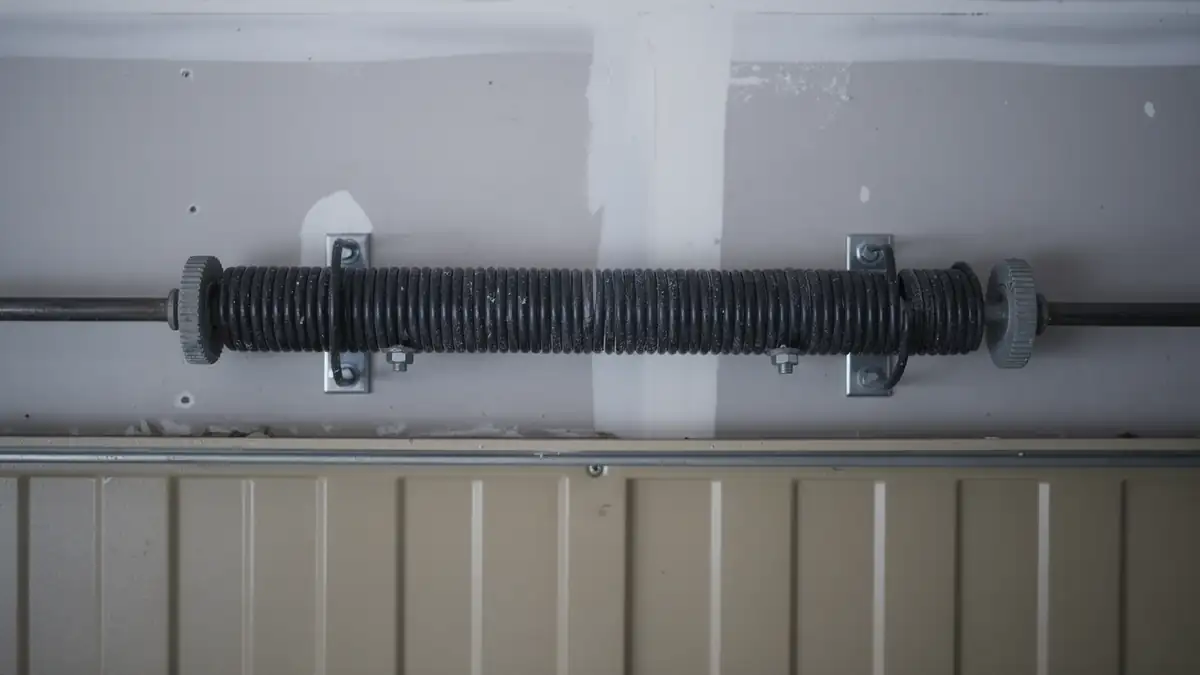
The Situation
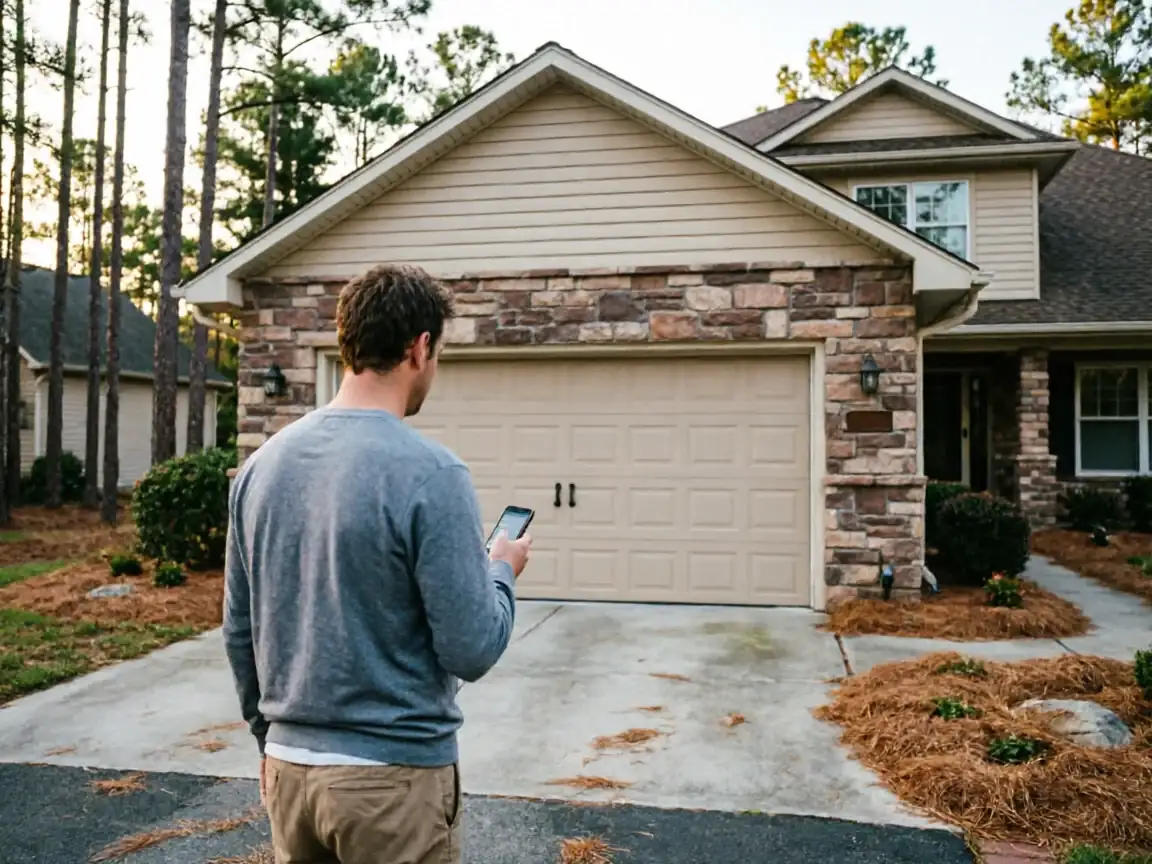
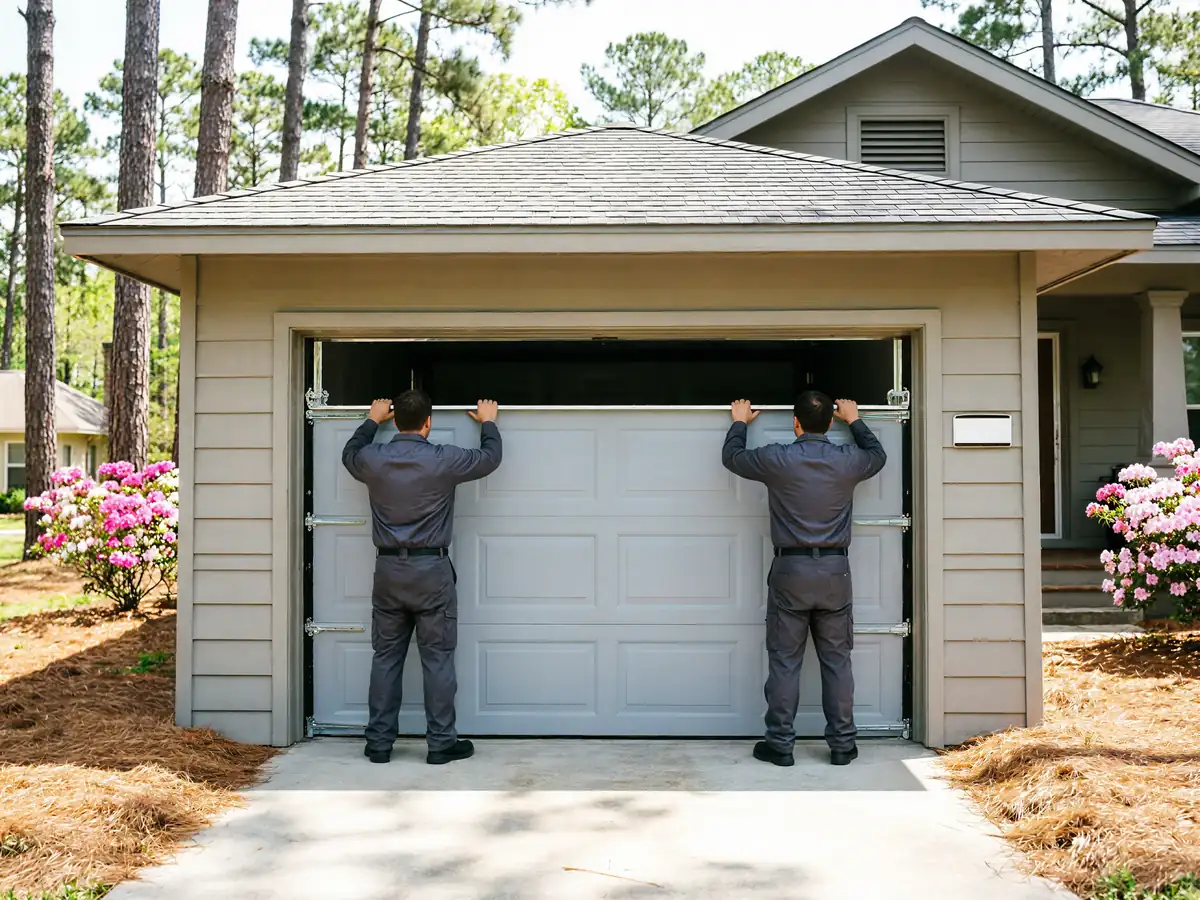
Most of the housing in this service area went up between 1972 and 2012, with the median build year sitting at 1988. That means a lot of torsion springs out there are original to the house, or close to it - three and a half decades of cycling through heat, humidity, and the occasional hard freeze. Steel fatigues the same way no matter how well it was installed. Every open-close cycle puts a little more stress on the coil, and a spring rated for a certain number of cycles doesn't care that it's February instead of July when it finally lets go. What we see in houses from this era, across the 1980s and 90s stock that makes up most of the seven named areas we work, is springs that have been fine for years and then aren't. The door that opened smooth on Monday won't budge Tuesday morning, or it slams down with no resistance at all. That's not bad luck. That's a spring at the end of its life picking the worst possible moment to prove it.
Checking It Yourself
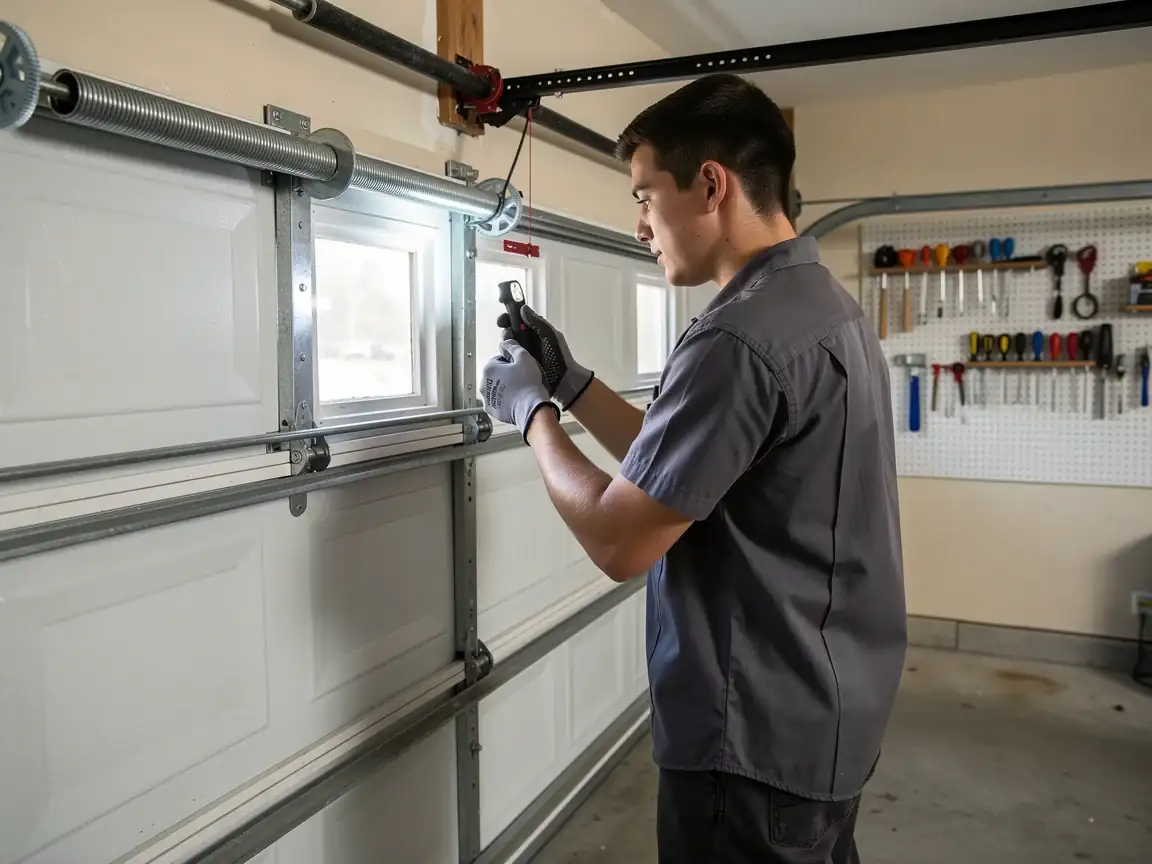
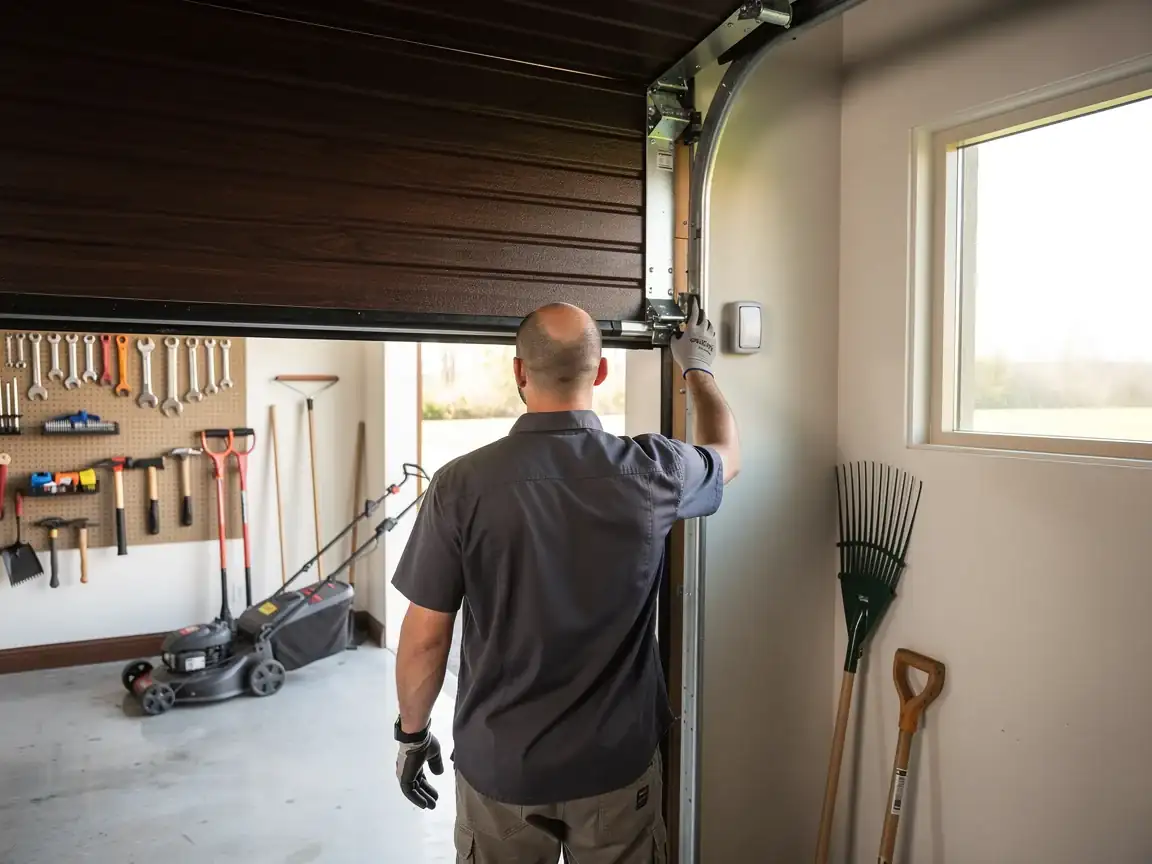
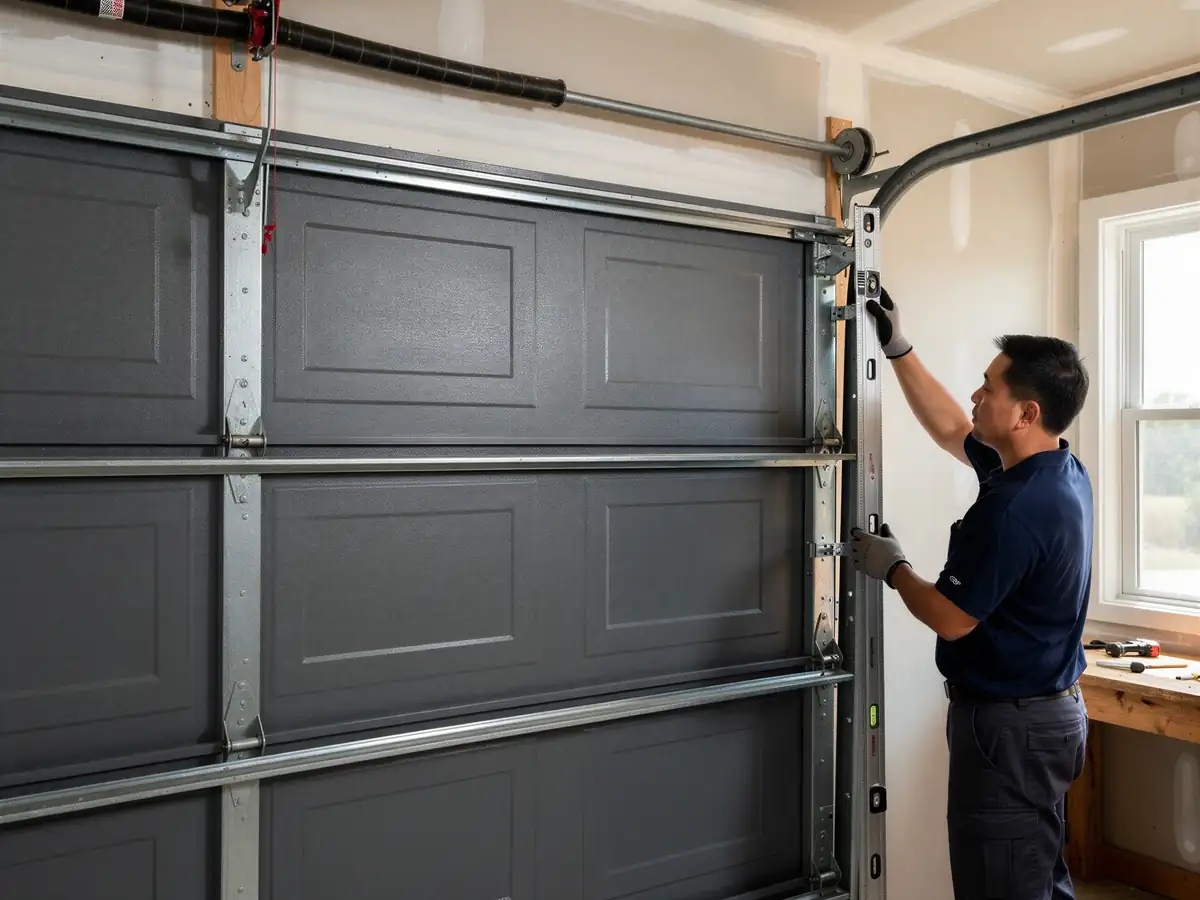
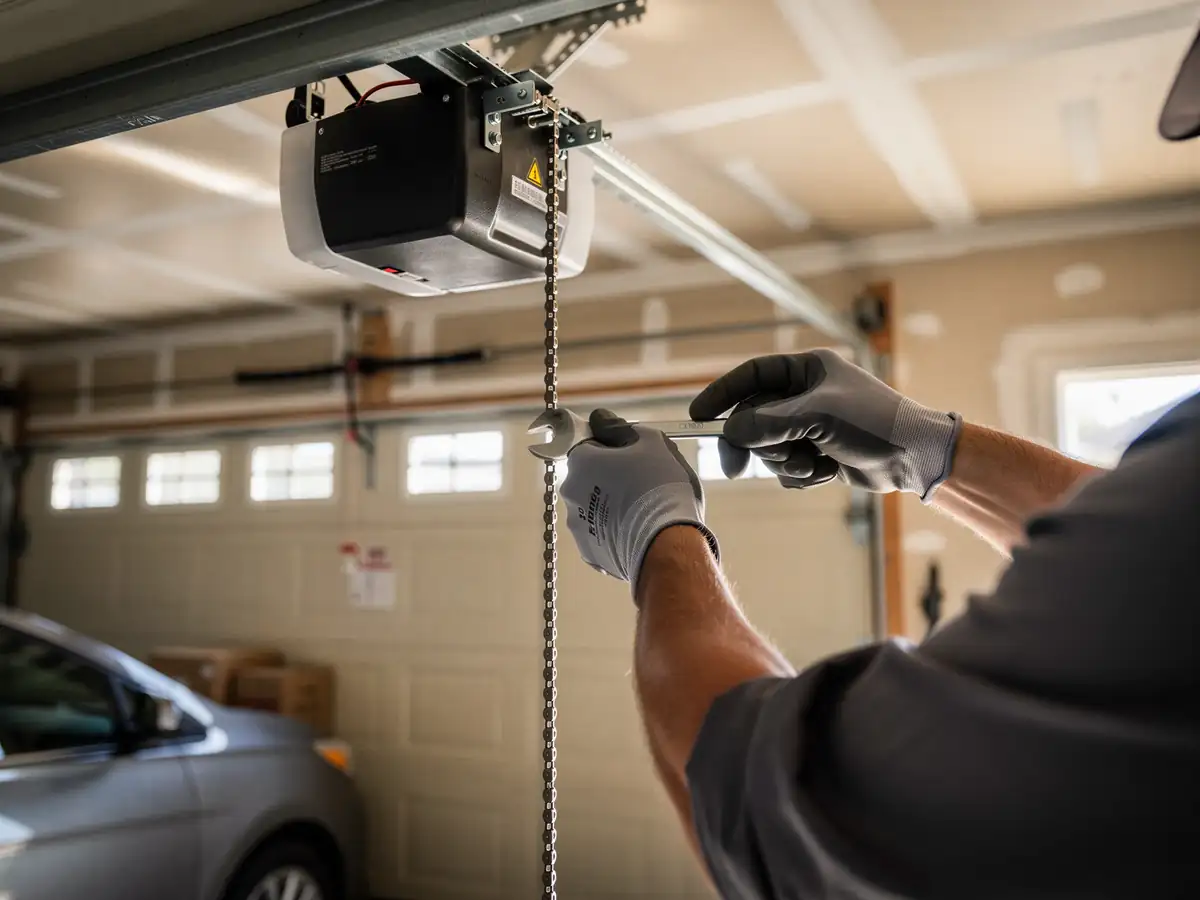
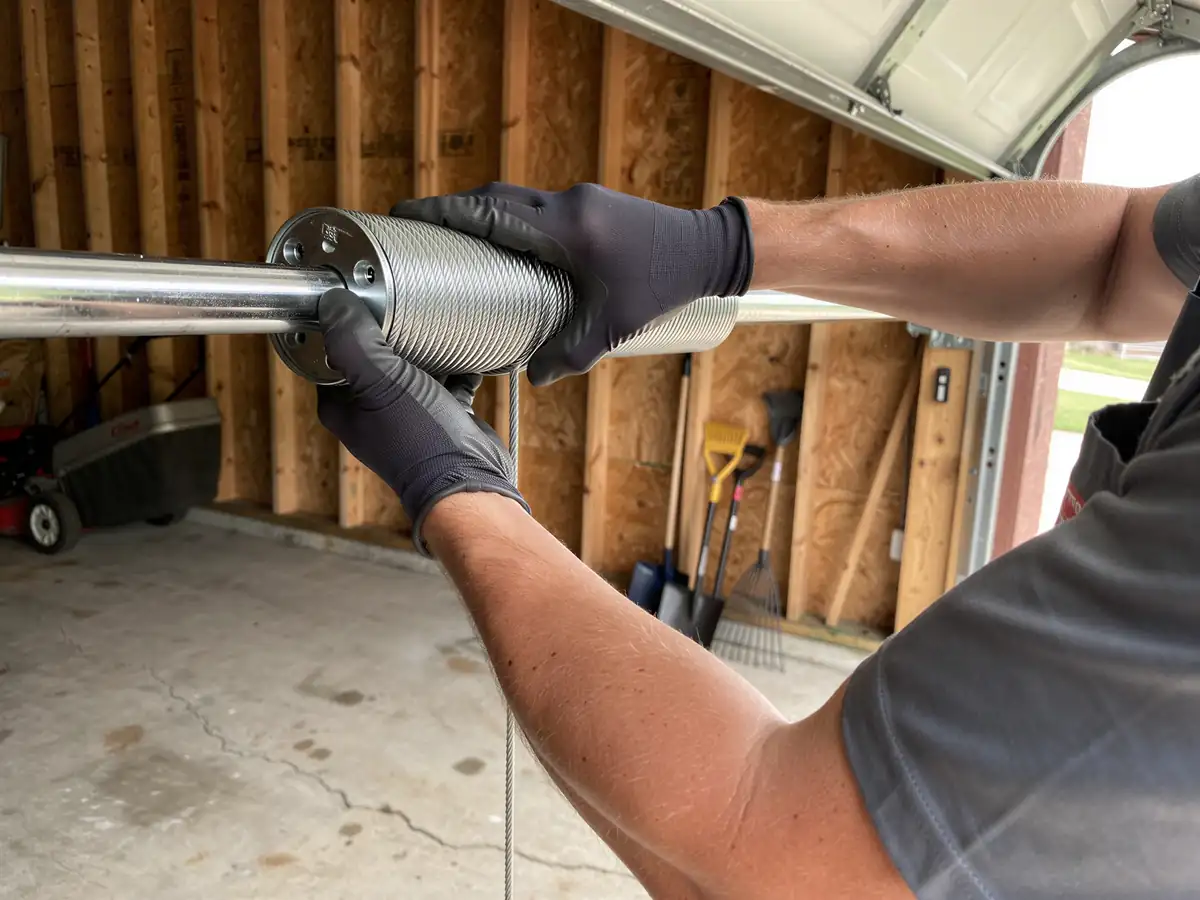
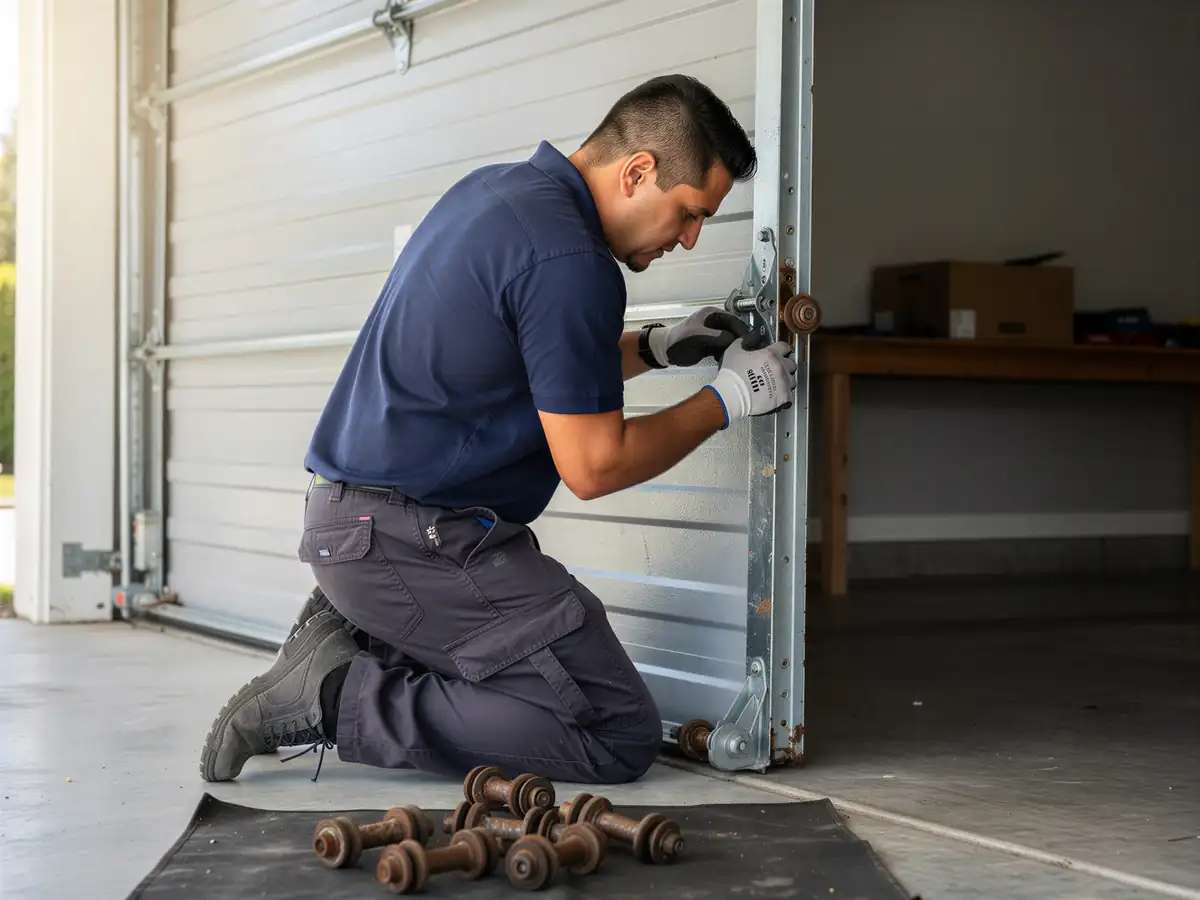
You can look at a torsion spring without touching it. It sits on a shaft above the door, usually one or two coils depending on door weight. Look for a visible gap in the coil - a clean separation means it's already broken, even if the door still seems to move using the other spring. Look for rust streaks or flaking on the coils, which shows up more on doors with poor weatherstripping that let in cold, damp air. Listen for a loud bang from the garage on a cold morning - that's almost always a spring letting go, not the door itself failing. What you shouldn't do is touch the winding cones, loosen the set screws, or try to unwind tension on a broken spring. A torsion spring holds enough stored energy to cause serious injury, and that's true whether it's thirty degrees out or seventy. This is the one part of garage door work we don't recommend as a homeowner project, full stop - call it in instead of working on it yourself.
How Local Conditions Play In
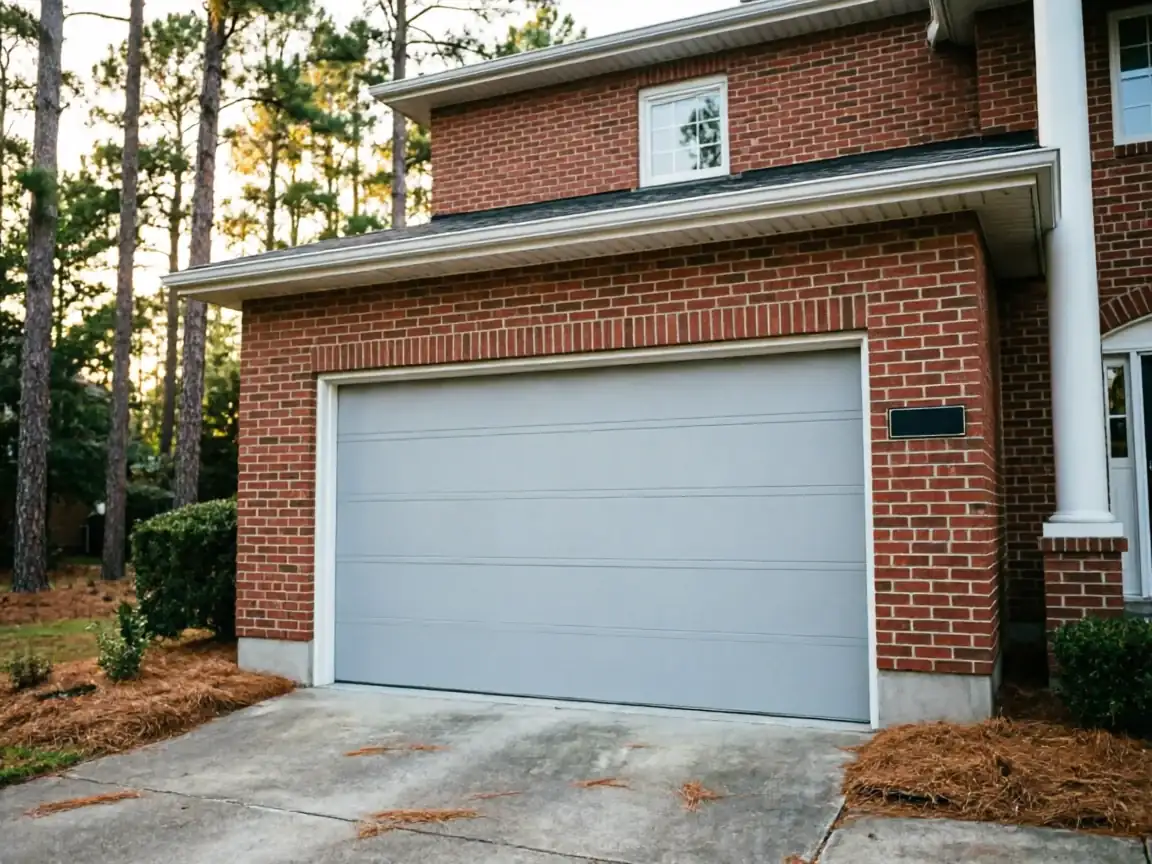
We work across roughly 8,352 owner-occupied houses in this service area, most of them built in that 1972-2012 window with a median income around $67,863 - which tends to mean homeowners who'll fix a spring rather than let the door sit broken, but who also want a straight answer on repair versus replacement before committing to either. The seven named areas we cover share the same housing stock and the same cold-moderate winters, so a spring failure in one part of town on a given morning usually means we're fielding similar calls nearby. Trinity sits about six miles out, Priceville seven, Hartselle ten, with Somerville, Triana, and Falkville each around fourteen miles and Moulton out at eighteen. That spread matters on a cold morning - a cold front moving through hits all of them inside the same few hours, which is why winter mornings tend to bring a run of spring calls rather than one-off jobs. It's less about any single town being unlucky and more about the whole area running the same hardware, installed in the same decades, under the same weather.