What Neighbours Usually Call About
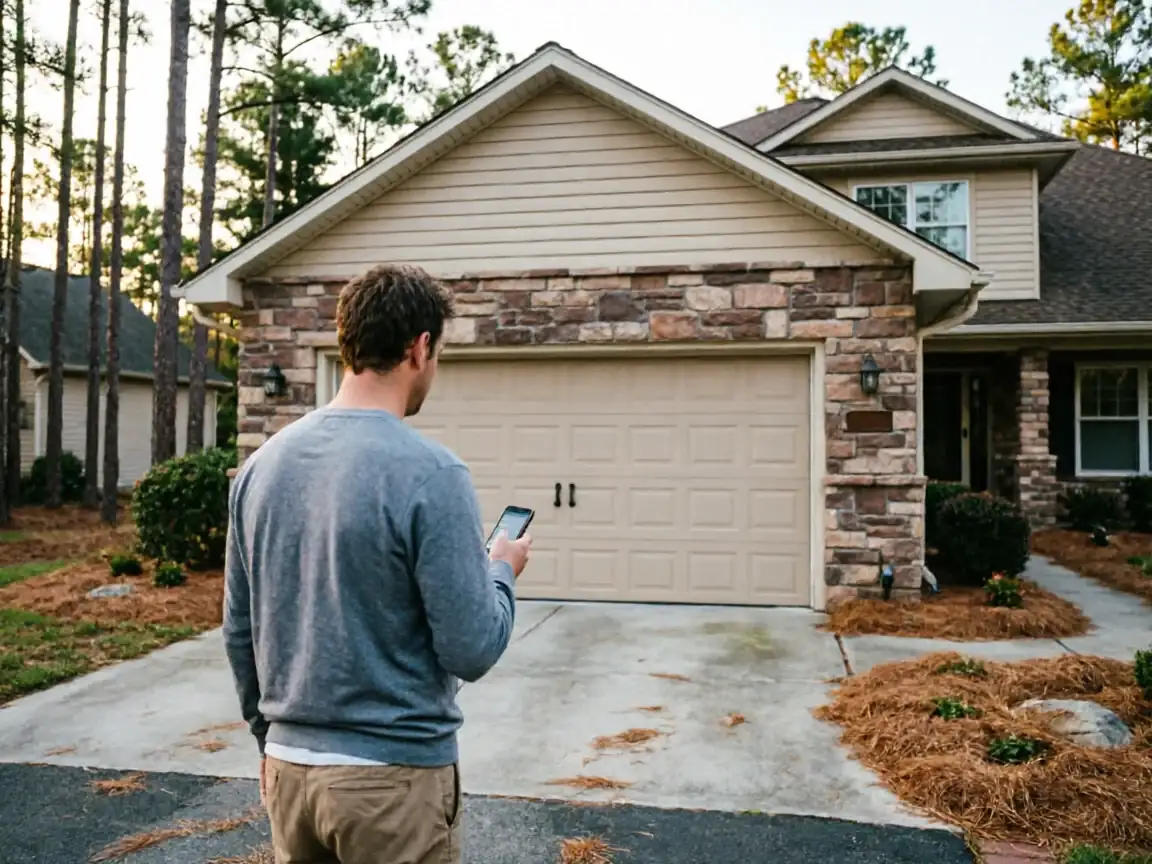
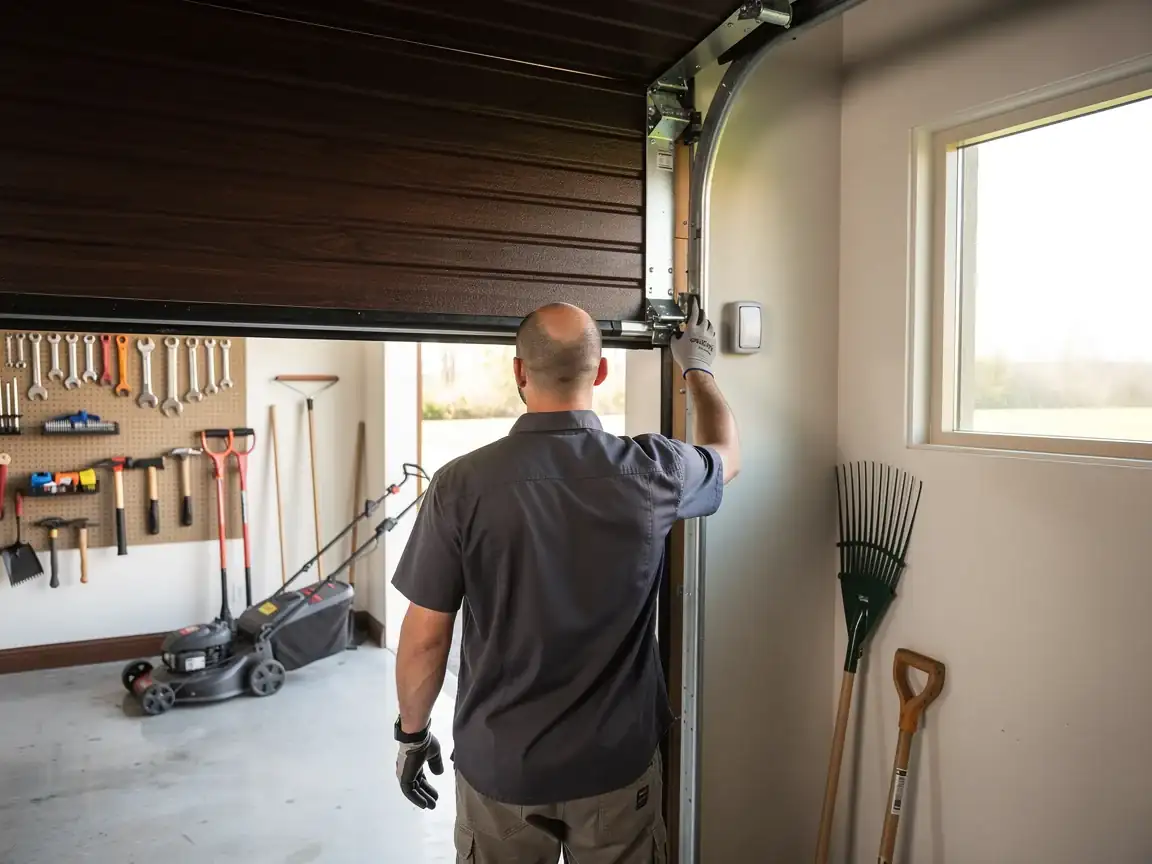
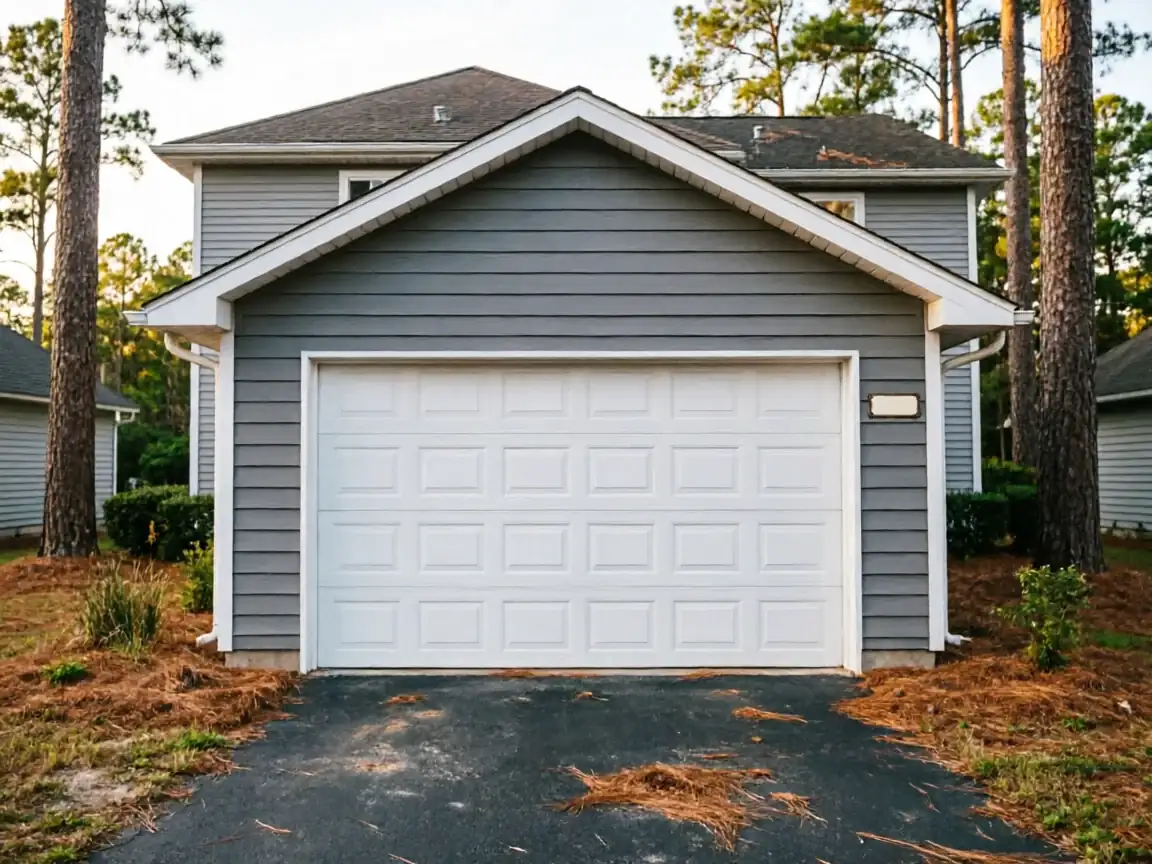
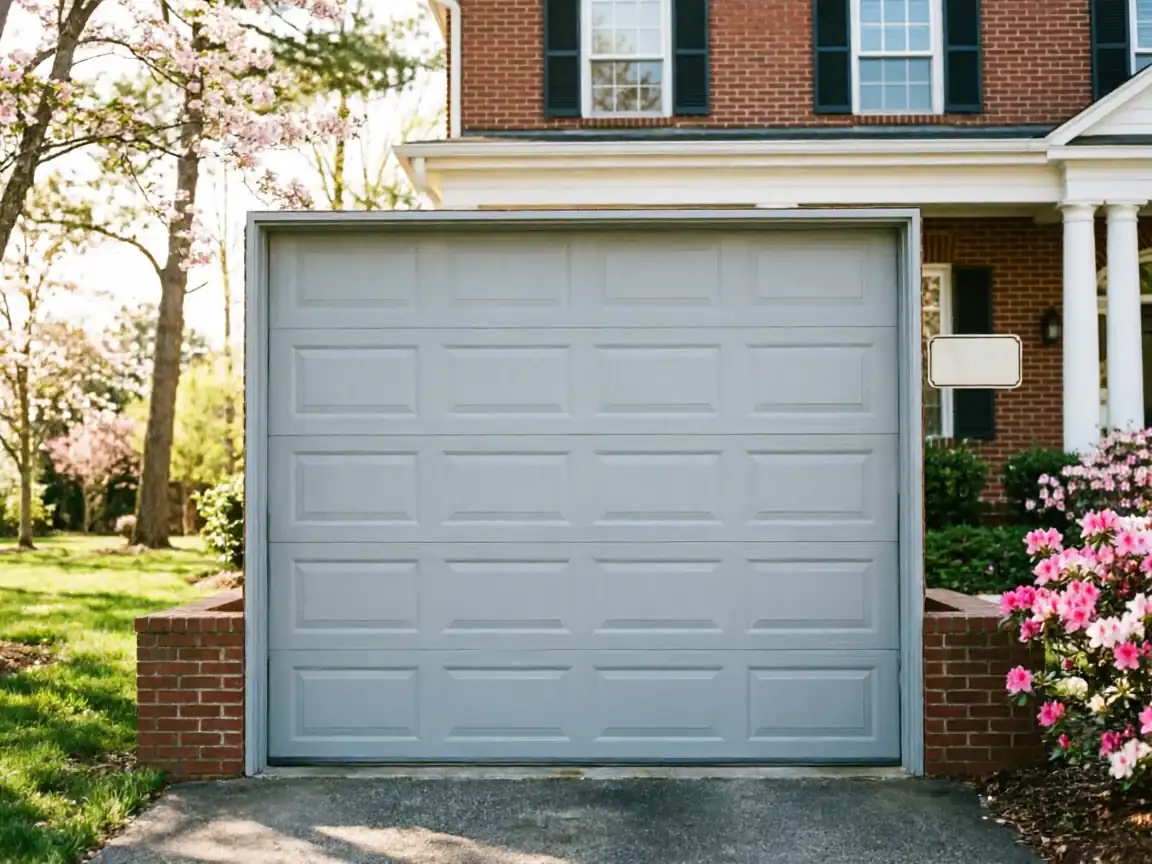
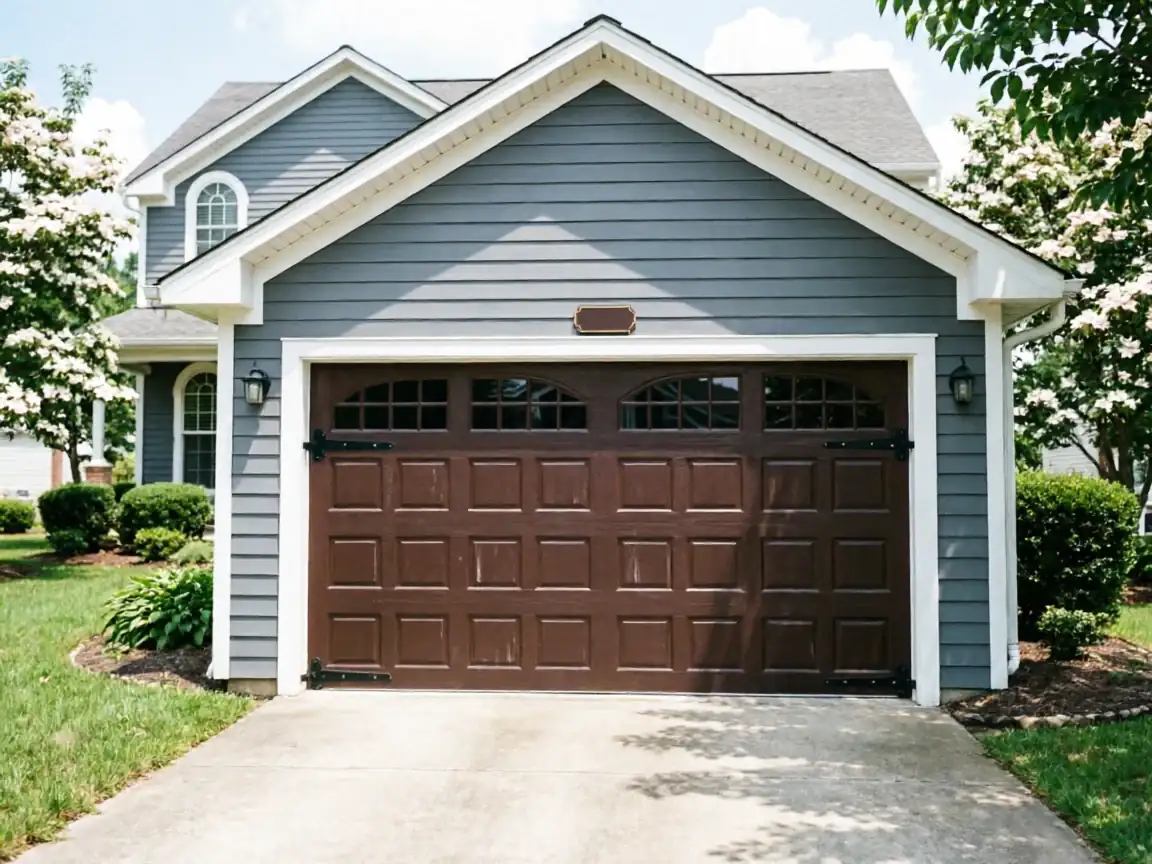
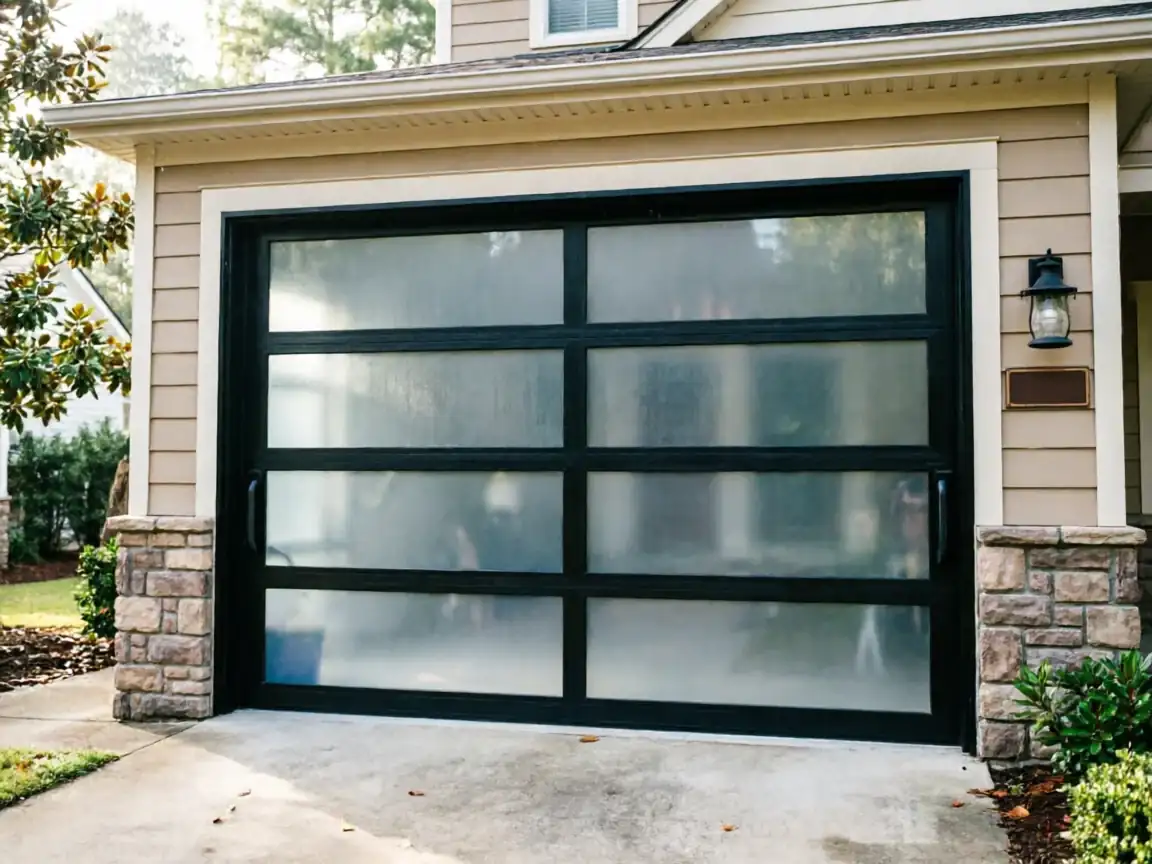
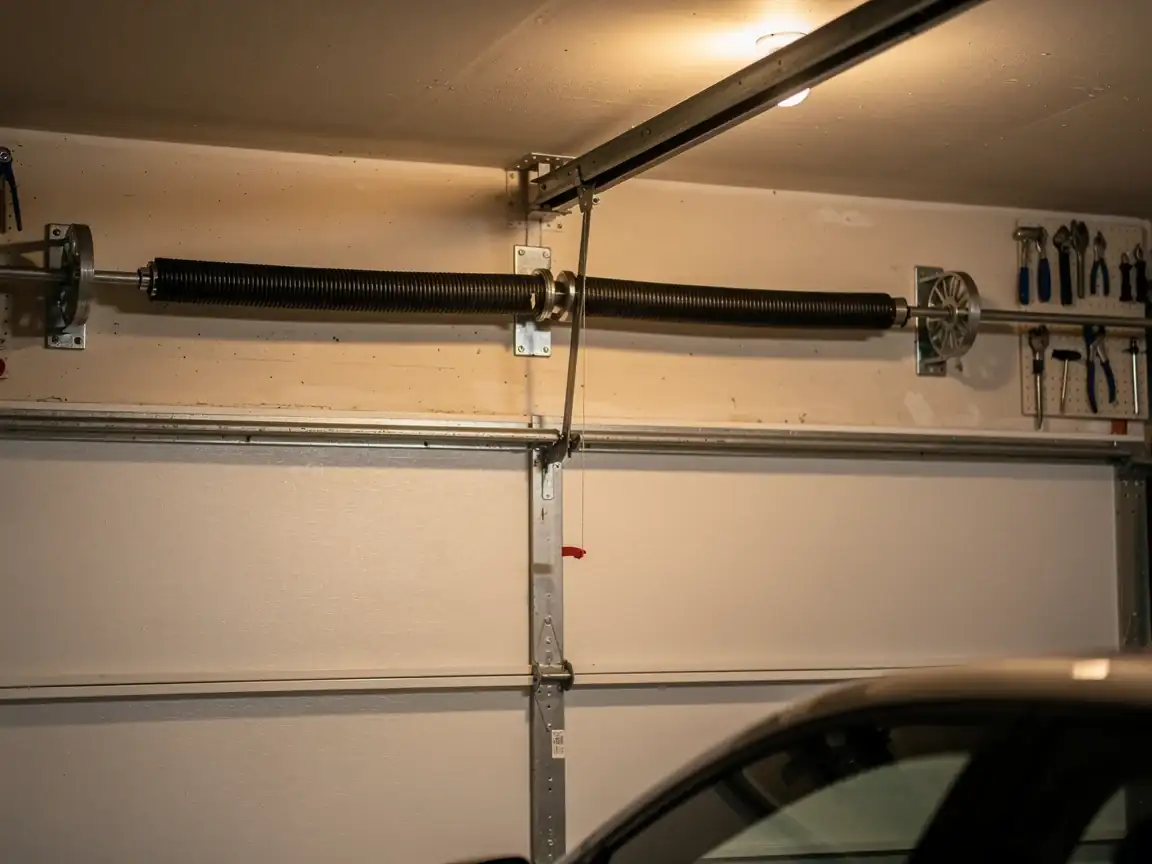
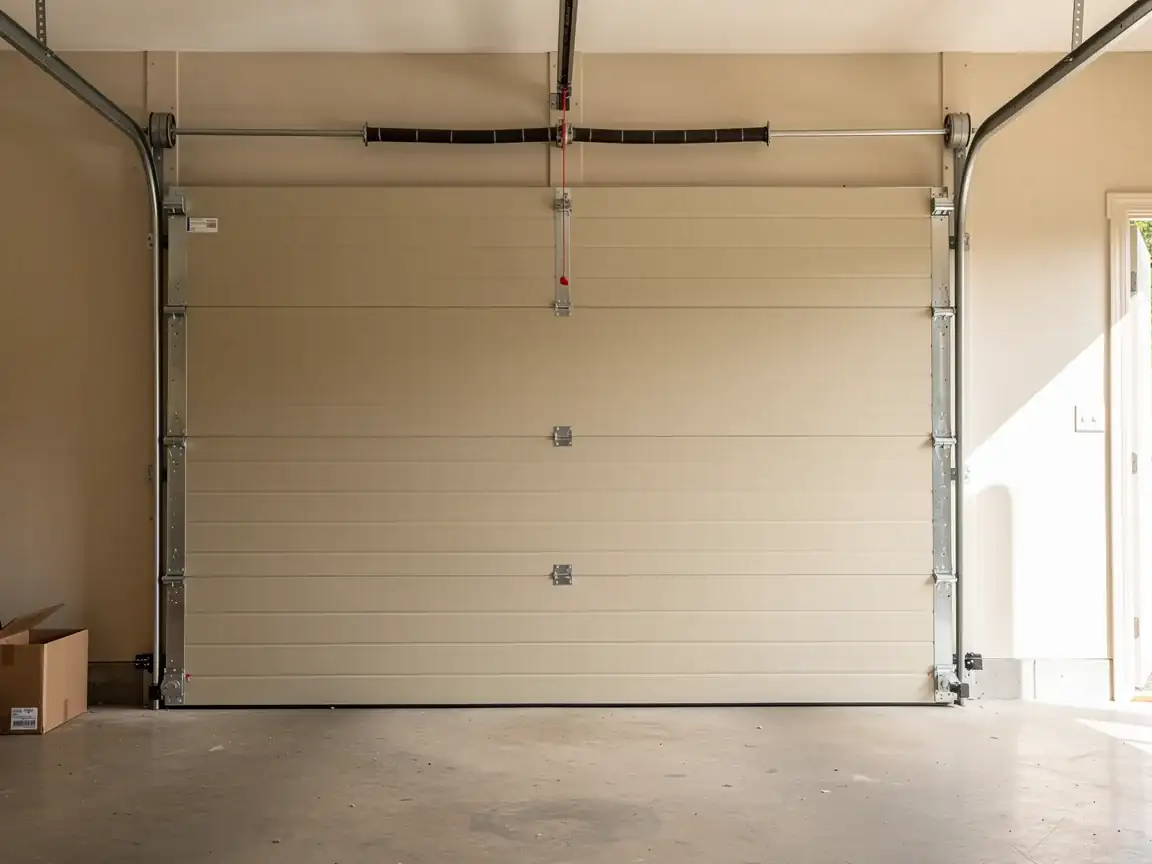
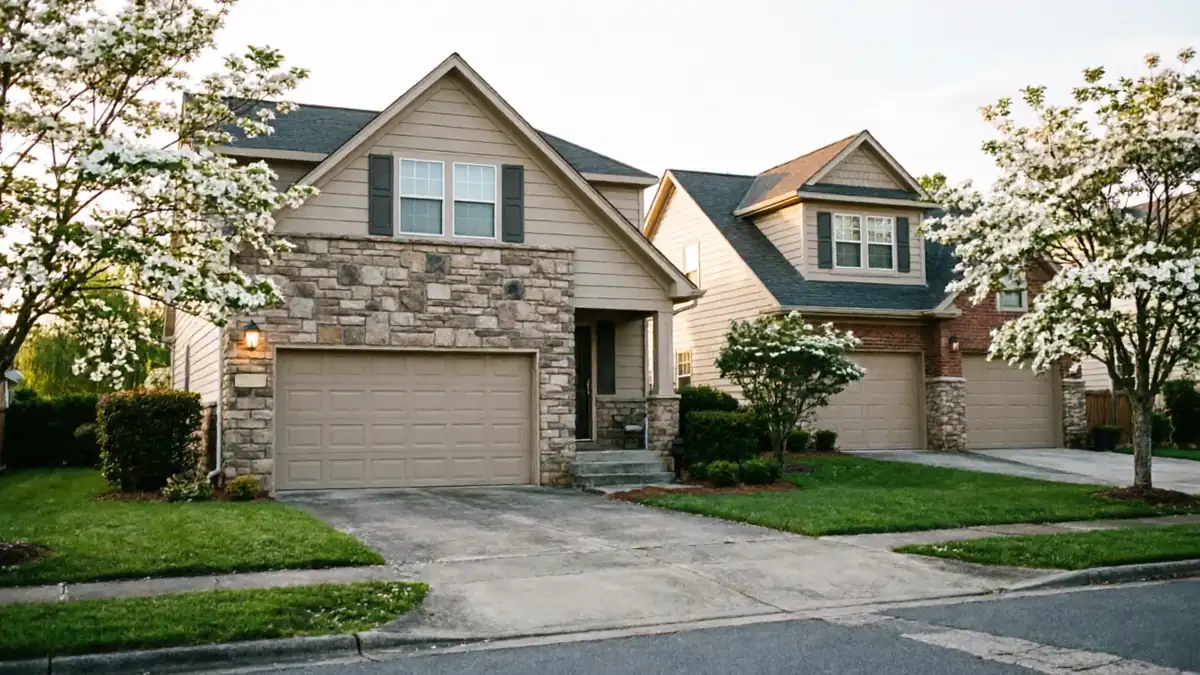
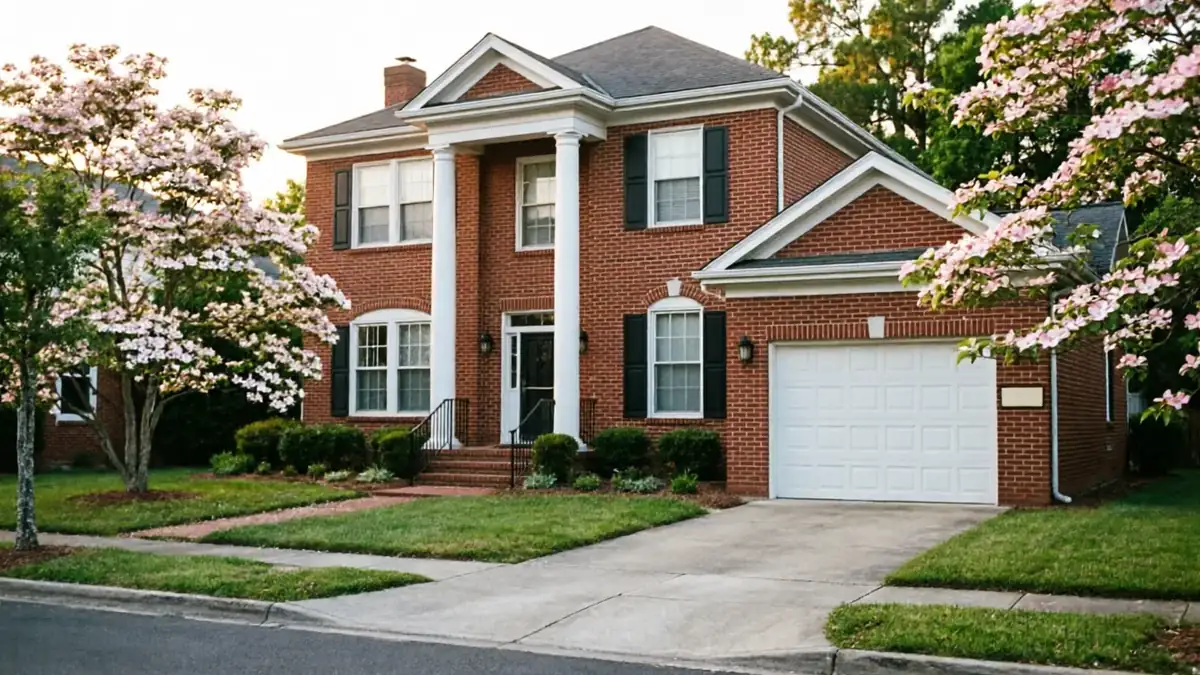
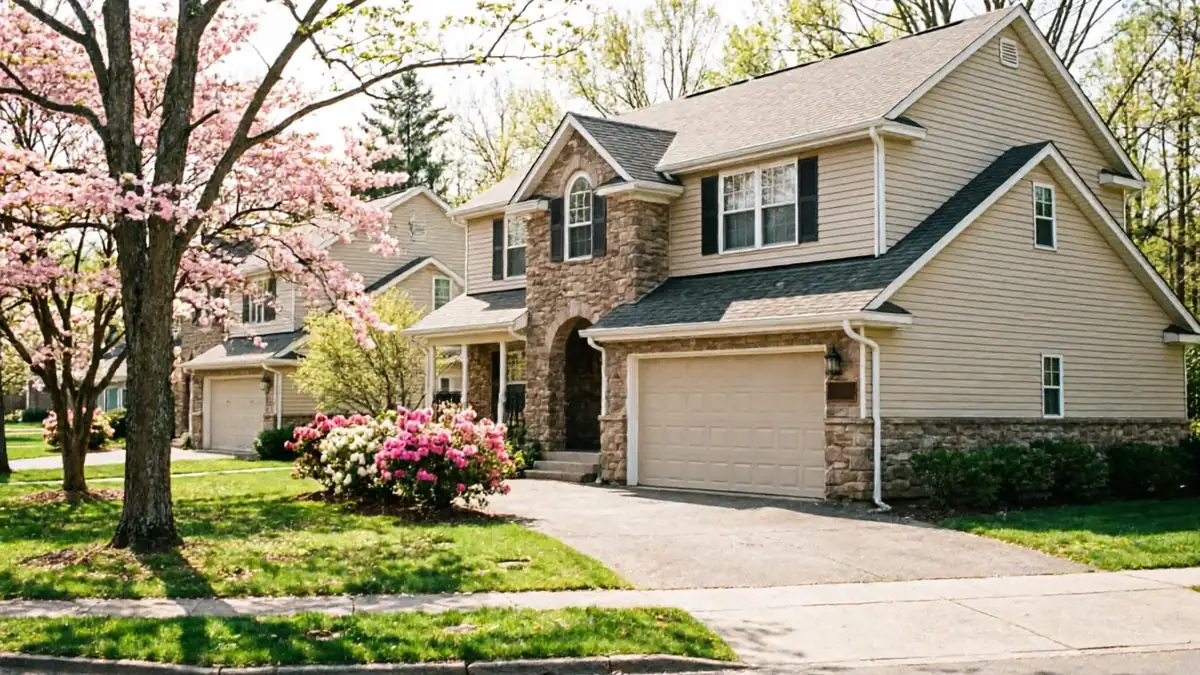
Hartselle sits about 10 miles from our Decatur base, and most of the calls that come from this side of the county trace back to the same thing: original hardware on houses built around 1982. That's the median year built here, which puts a lot of garage doors at or past the point where torsion springs lose their temper and openers start grinding instead of lifting clean. We hear about doors that reverse halfway up, springs that let go with a bang at 6 a.m., and openers that run hot and shut themselves off mid-cycle. Less common, but it shows up: steel panels from that era with rust starting at the bottom seam, especially on doors that sit in shade most of the day. None of this is exotic. It's just what 40-year-old steel and springs do when nobody's touched them. If your door is from a later remodel or a newer build in one of the subdivisions put up since, the symptoms skew different - belt-drive openers losing Wi-Fi sync, rollers wearing out faster on wider two-car doors. Either way, the fix starts with knowing which era of door we're looking at before we load the truck.
What That Means for Doors
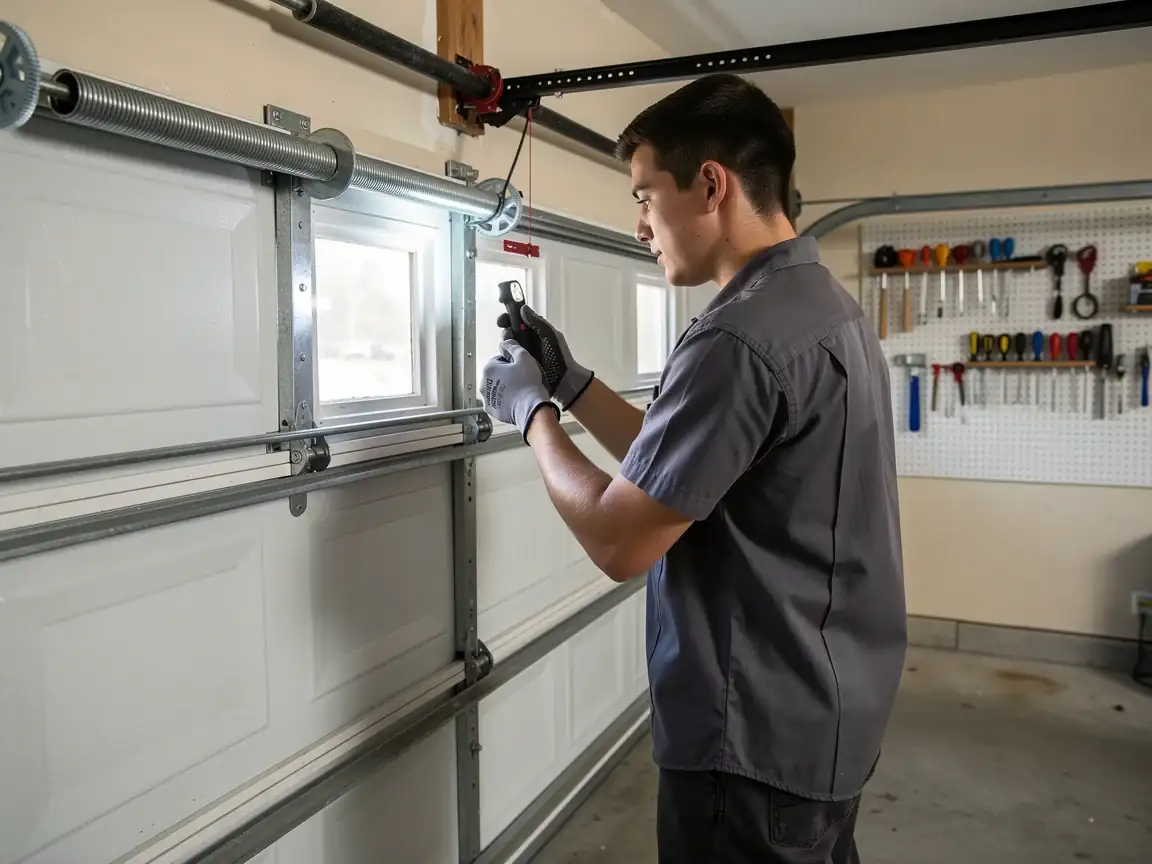
A door built when Hartselle's housing stock was going up - roughly the early 1980s median here - almost never has the same torsion setup you'd find on a house built in the 2000s. Spring wind, drum size, and the way the torsion bar is mounted all shifted over the decades, which means a tech showing up with