What Can Go Wrong
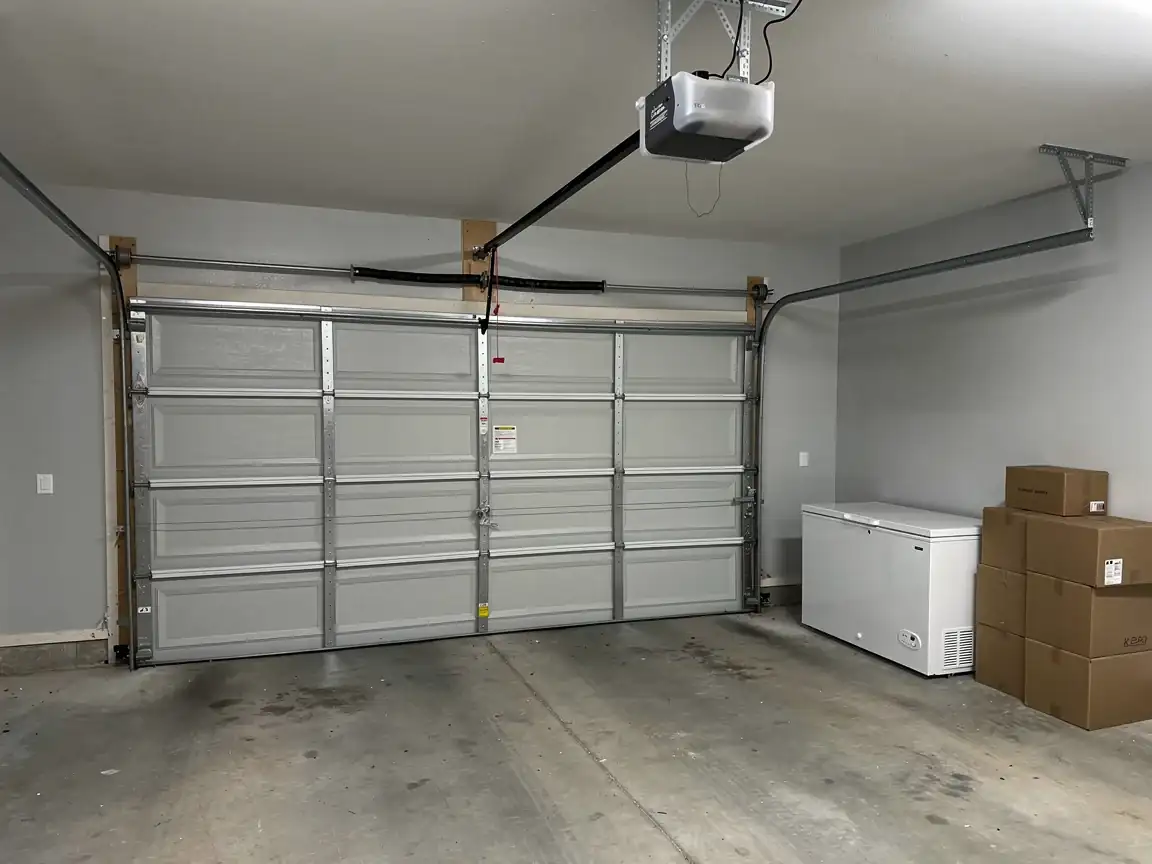
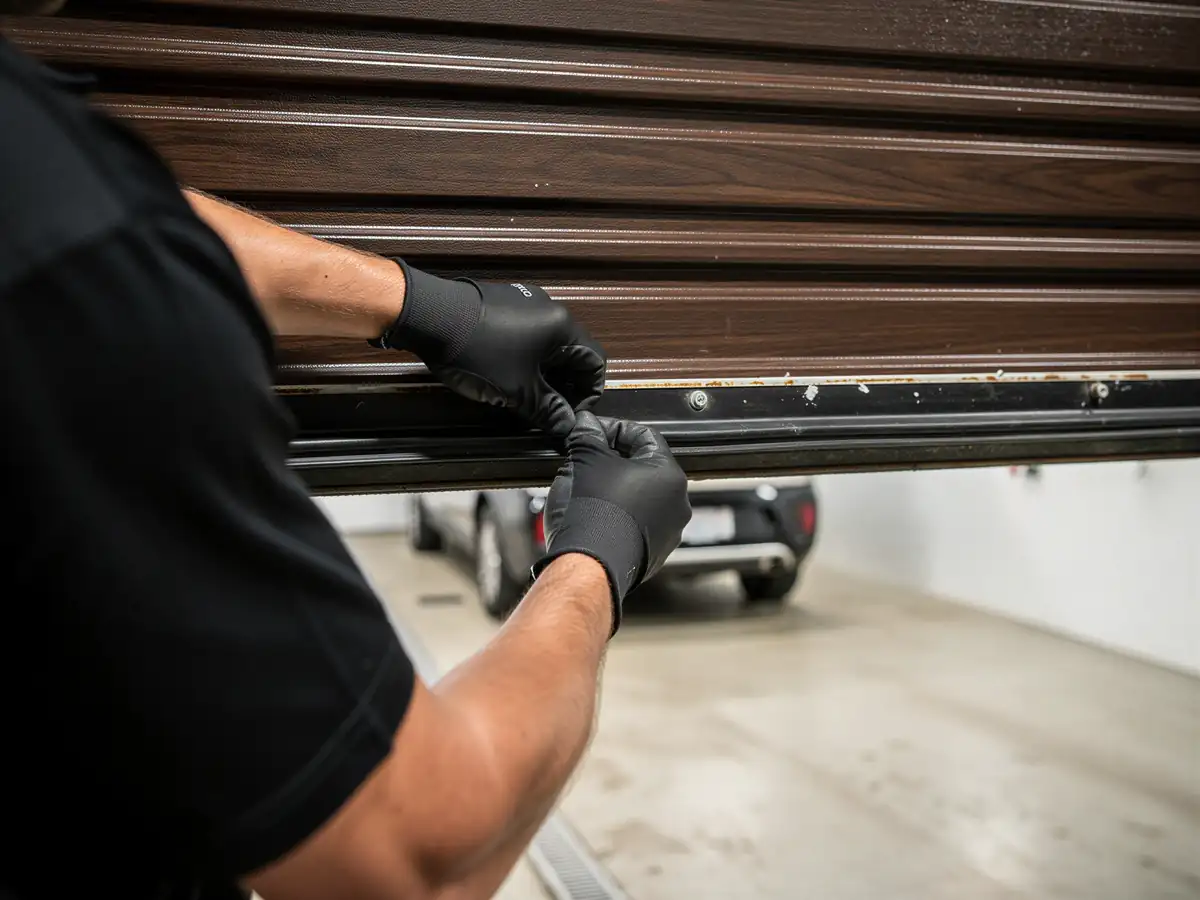
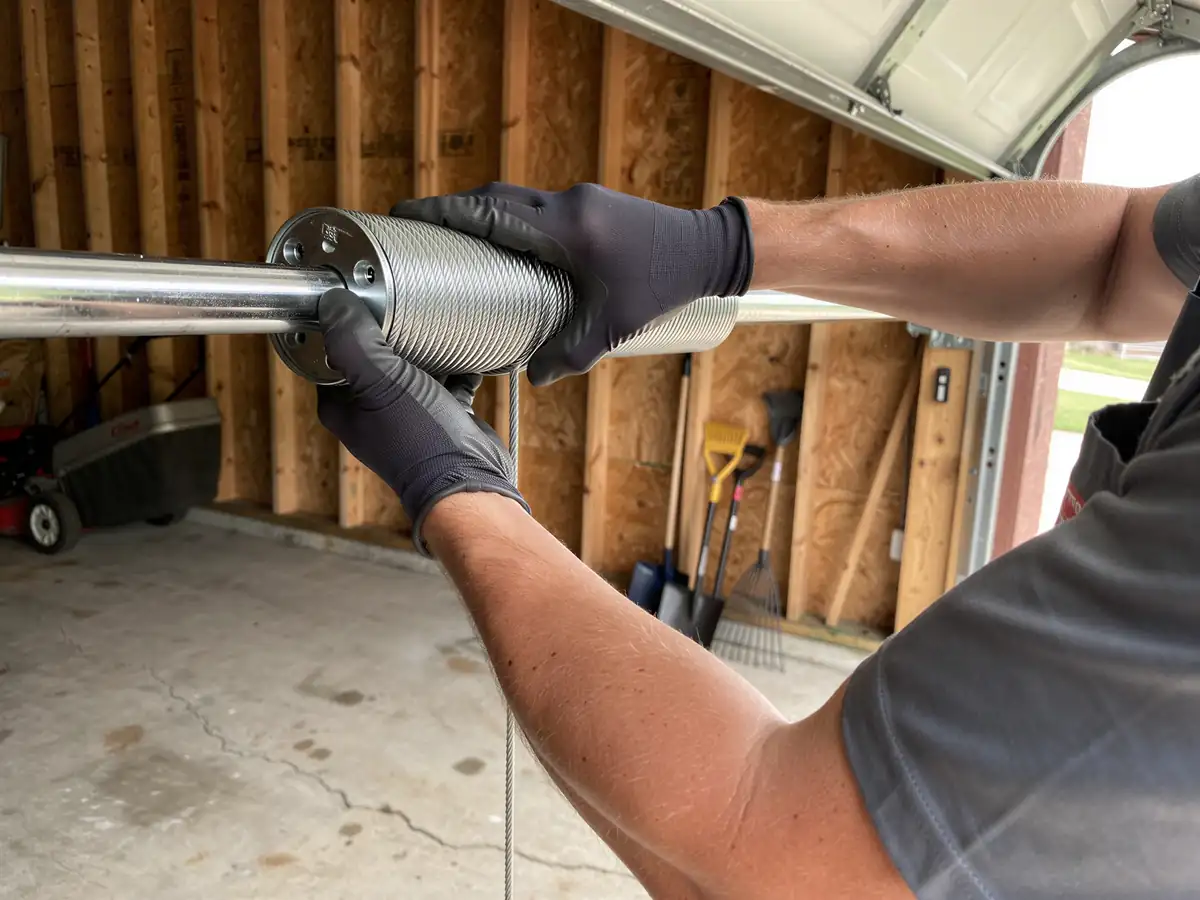
Hartselle has about 5,904 households, which is a small enough base that we're not running cable calls here every day the way we might in a bigger pocket of the service area - but when a cable goes, it goes the same way everywhere: one strand at a time until the last one snaps, usually while the door is mid-cycle. The lift cables run from the bottom bracket up to the drum at the top of the torsion shaft, and they take the full weight of the door every single time it moves. You'll see it start as fraying near the bottom bracket, a cable that's jumped off the drum and is winding wrong, or a door that suddenly hangs crooked on one side because one cable let go and the other is still holding. Sometimes the cable itself is fine but the bottom bracket it's anchored to has rusted or bent, which puts the same strain on the cable and gets blamed on the wrong part. None of this is an opener problem, even though an opener straining against a stuck door is often the first thing a homeowner notices.
How We Fix It
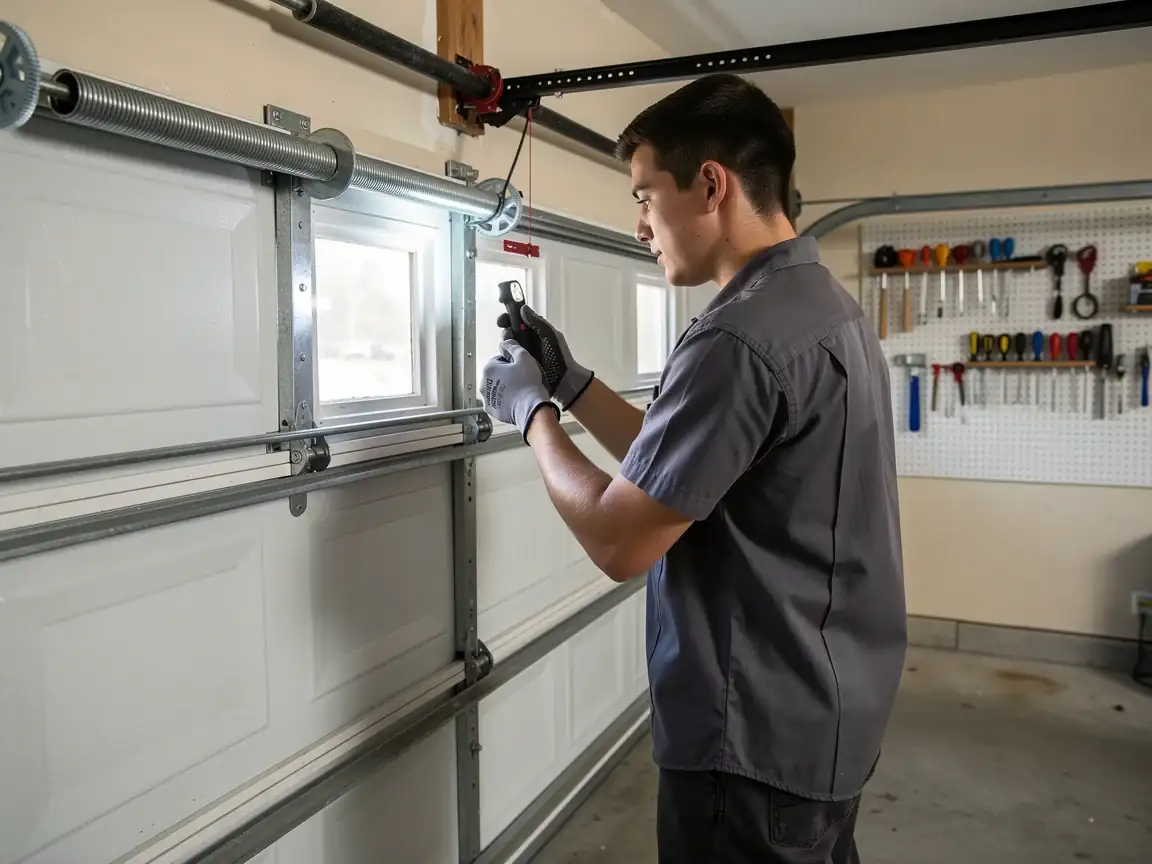
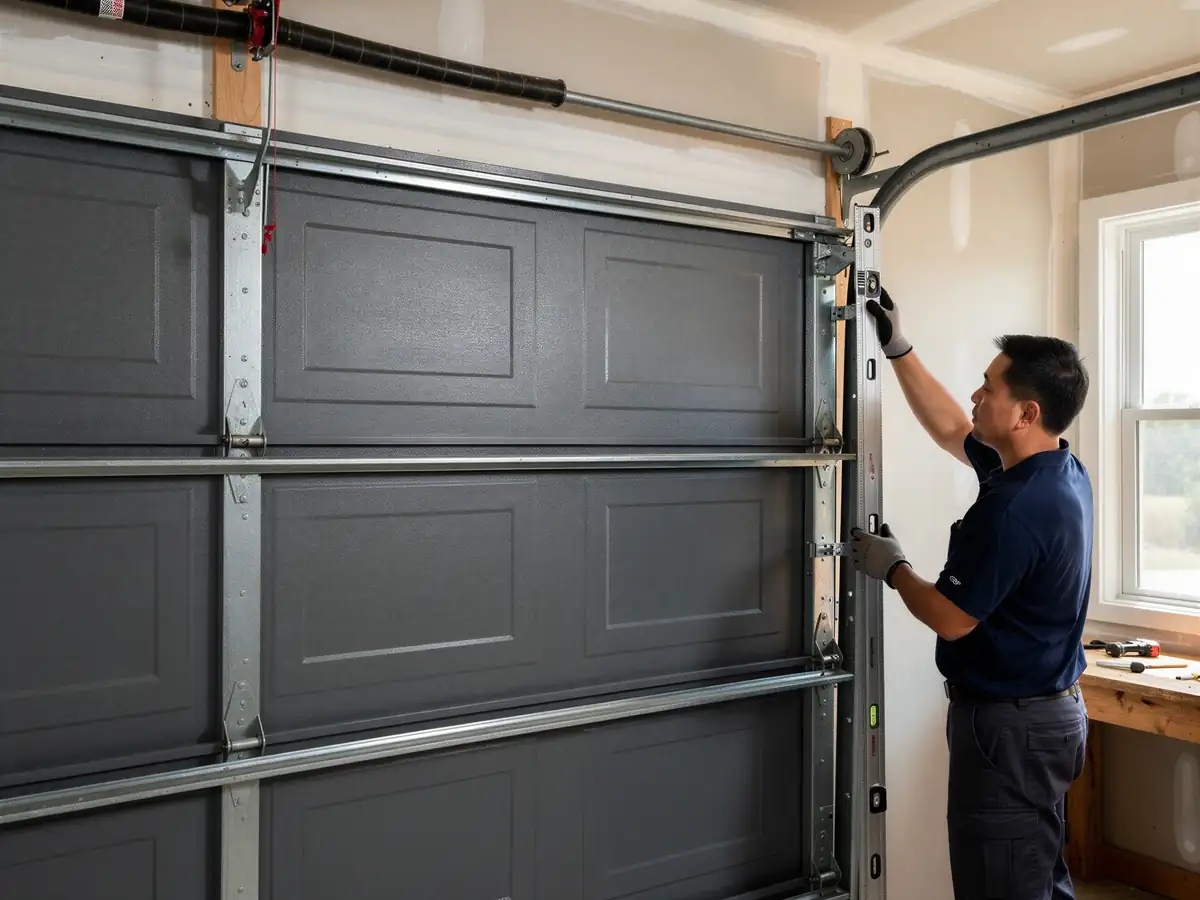
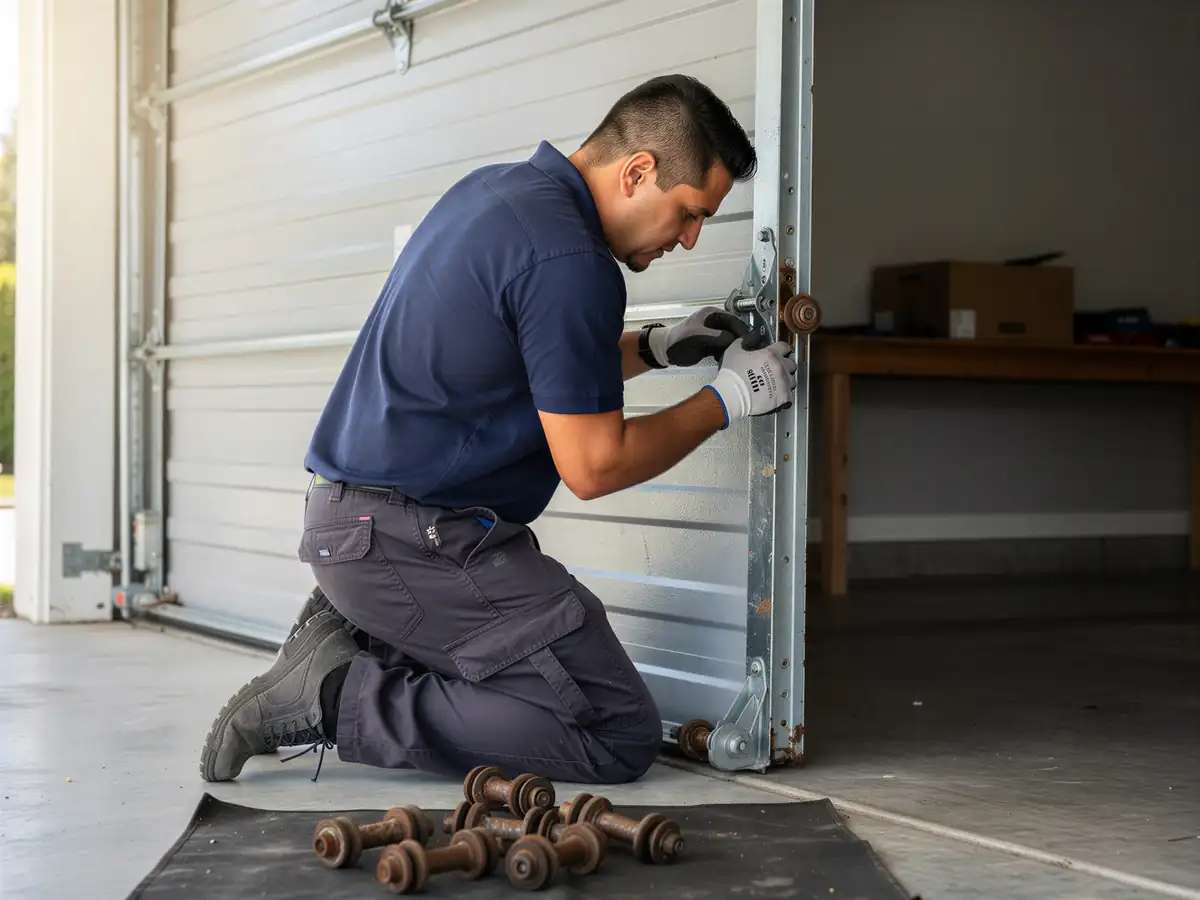
We don't patch a frayed cable - once a strand lets go, the whole cable gets replaced, and we do both sides even if only one has failed, because the other side on a door built in the 1980s is running on the same age and the same wear. That means pulling the tension off the torsion spring safely, pulling the old cable off the drum and bottom bracket, running new cable sized to the door, and reseating it with even tension on both sides so the door doesn't rack going up. If the bottom bracket is bent or rusted through, that gets replaced at the same time, since re-anchoring new cable to a bad bracket just moves the failure down the road. We check the drums and the shaft while we're in there, since a door this age with one worn part on the lift system usually has a second one close behind it. We travel out from Decatur for this, about 10 miles to reach Hartselle, so we don't keep stock sitting in town - what's on the truck when we arrive is what we're running with.
Can You Do This Yourself
A garage door cable is under real tension from the torsion spring even with the door closed, and the bottom bracket it's anchored to is one of the few spots on the door where a slip can take a finger. This isn't a job we'd tell a homeowner to try with a ladder and a pair of pliers. If you're comfortable with tools, the safe DIY move is to stop using the door, pull the emergency release so it won't cycle again on a bad cable, and leave the heavy lifting - the spring unwinding, the drum work - to someone who does it with the right bars and clamps. Trying to rewind a cable by hand with the spring still loaded is how people end up in the emergency room, not how they end up with a fixed door.