What Can Go Wrong
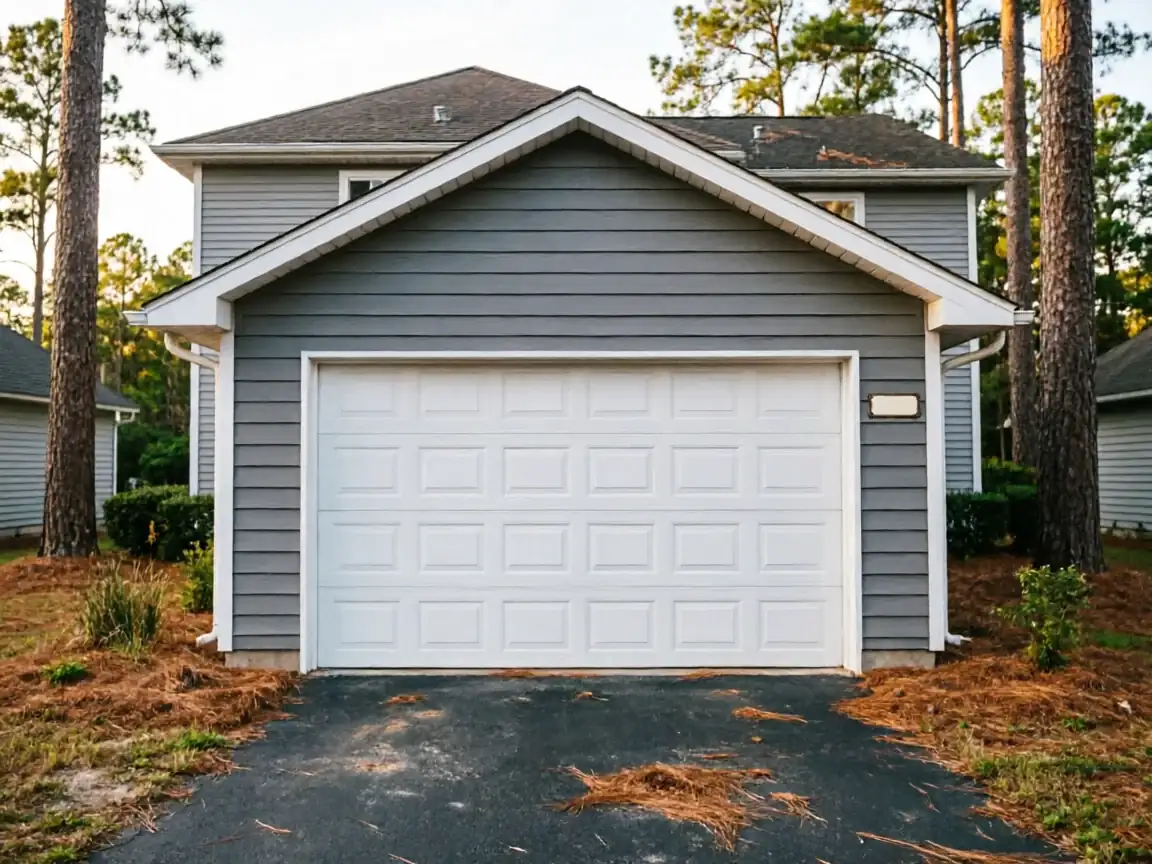
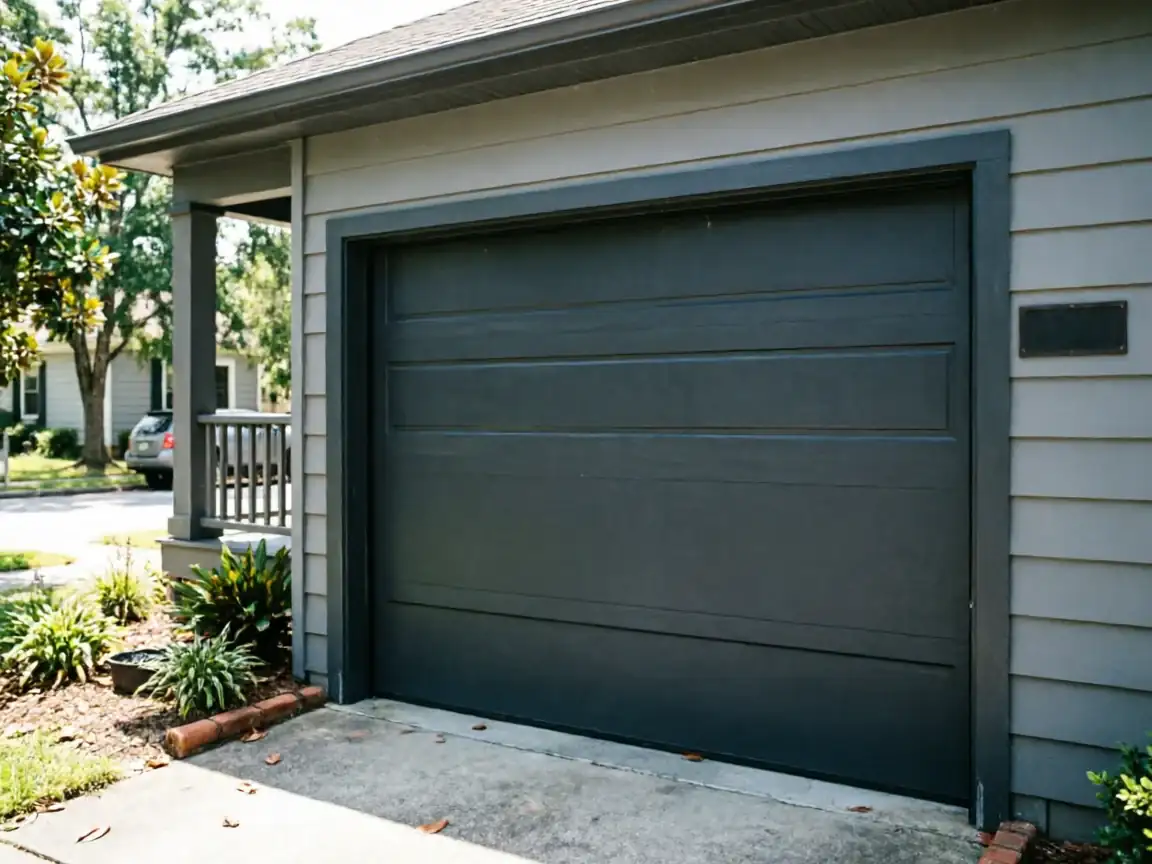
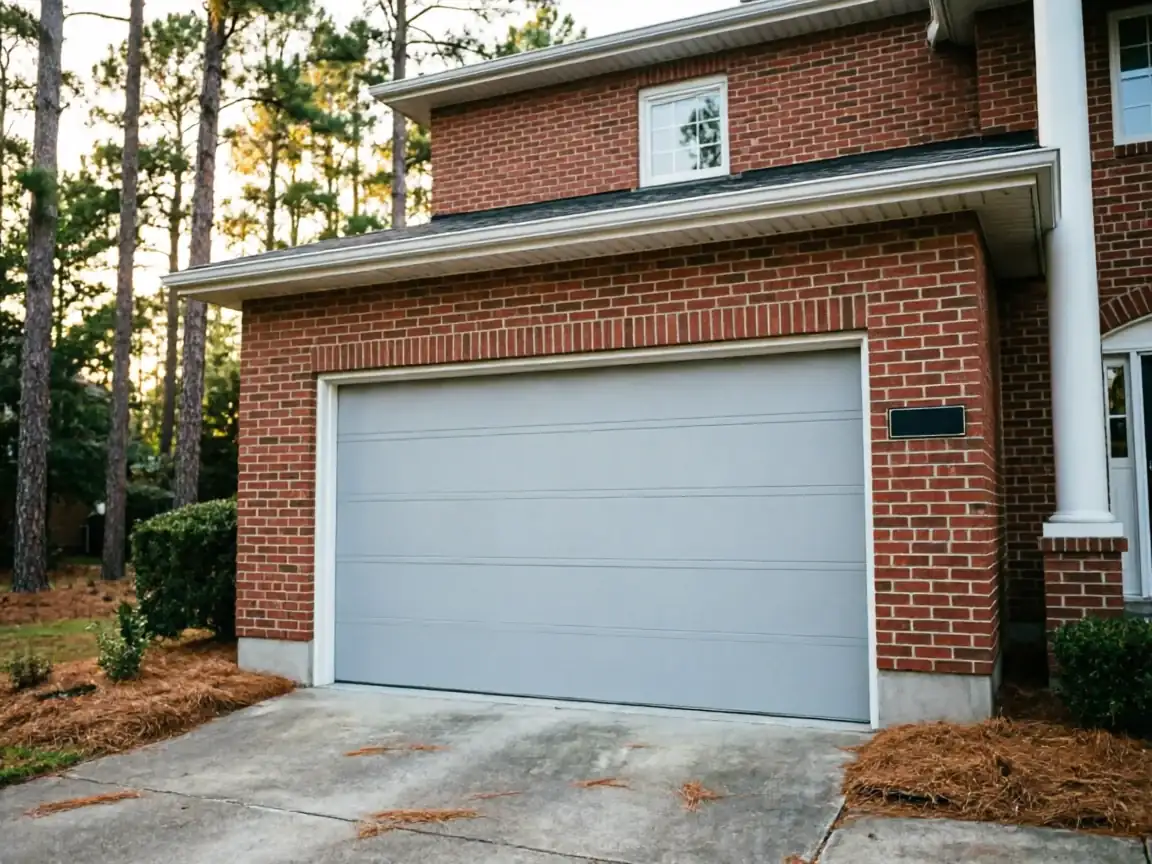
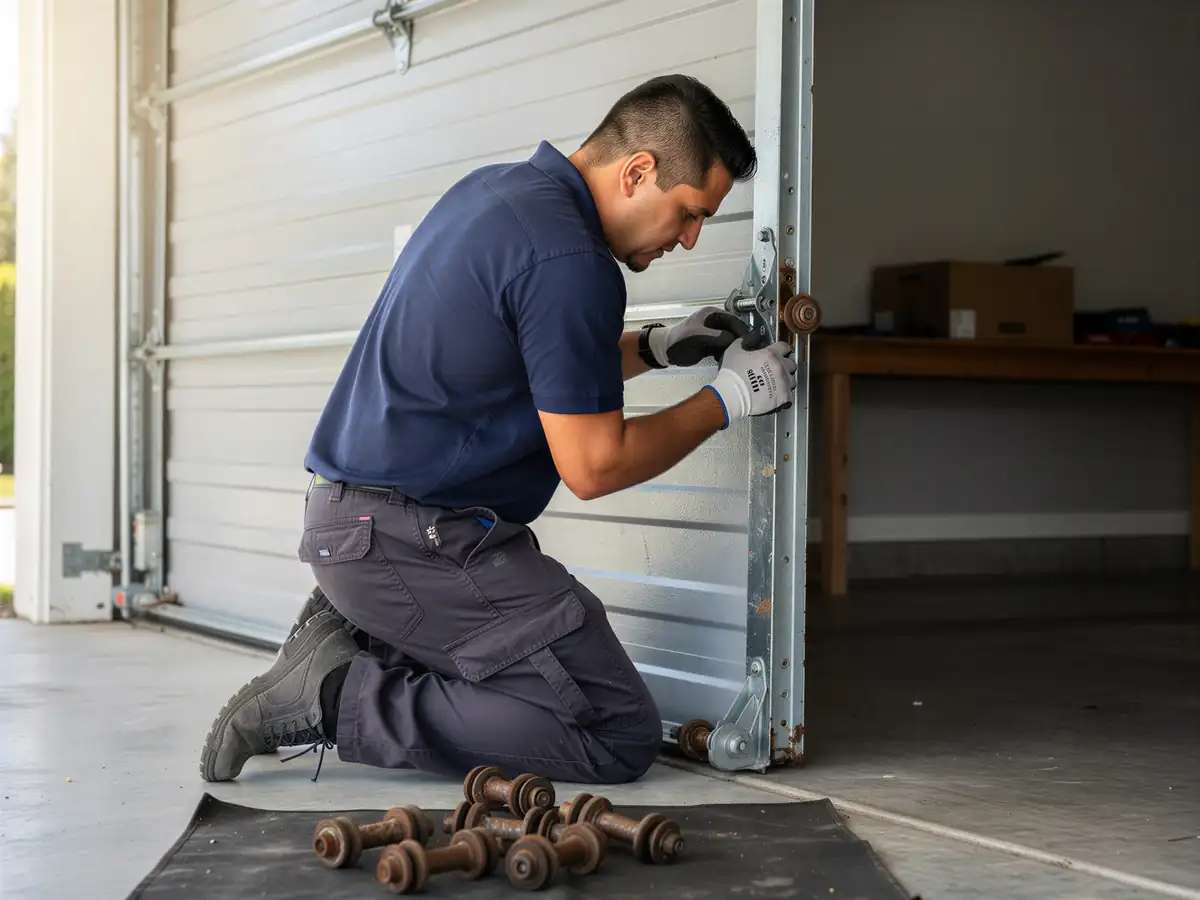
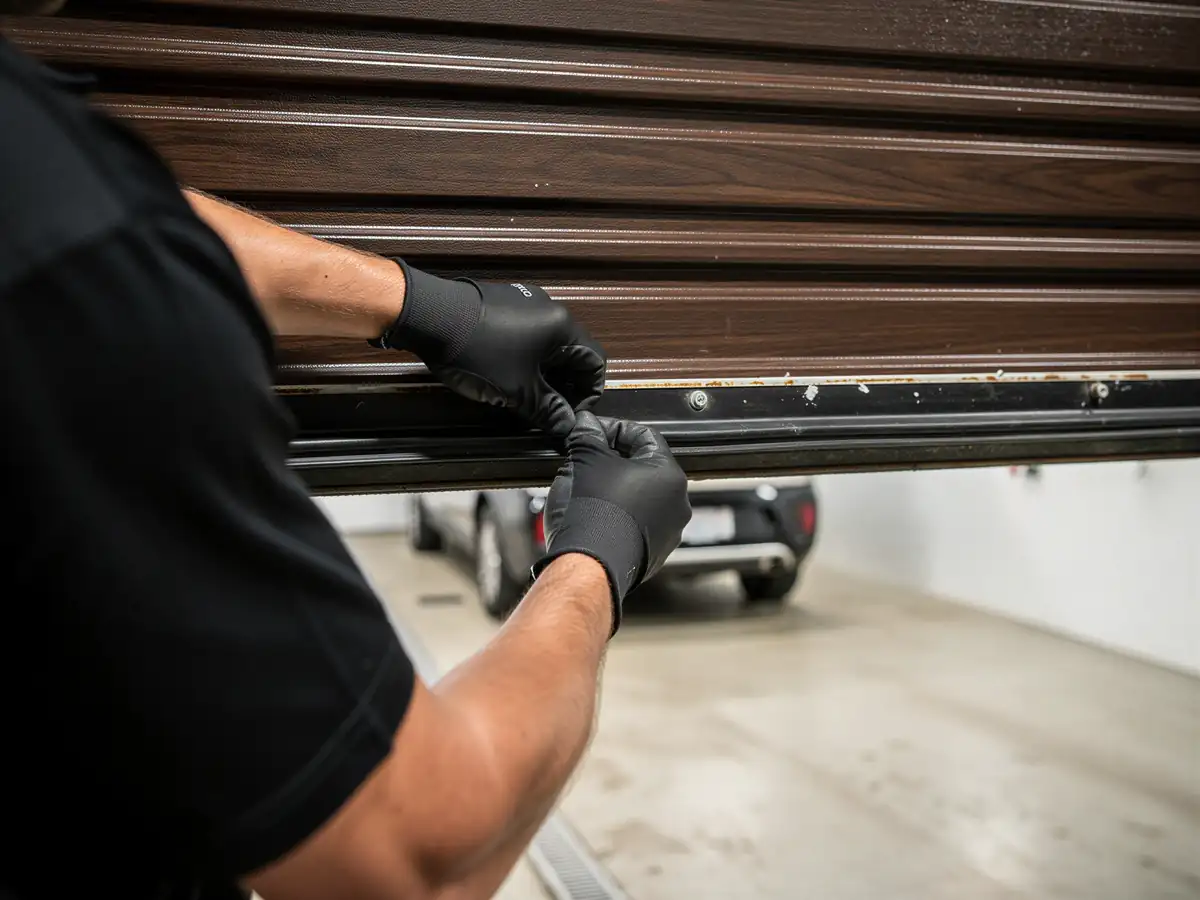
Hartselle sits about ten miles from Decatur, close enough that a new-door install is a single straightforward trip, not two separate visits for measuring and then installing. That matters because most of what goes wrong with an aging door here shows up only once someone is standing in front of it with a tape measure - a track that's been shimmed crooked for twenty years, an opening that's slightly out of square because the house settled, or a header that won't take a standard bracket without extra blocking. On a house built around 1982, which is about the median age of homes in this part of the service area, you're often dealing with a single steel panel door on a torsion spring system that was perfectly normal hardware then and is undersized or just worn out now. Add a second garage bay added on later, a different year than the original structure, and the two openings may not even match each other in width. None of this is a reason to put off replacing the door - it's just why a phone quote on a new install is a starting point, not a final number, and why someone has to actually look at the opening before ordering a door.
How We Fix It
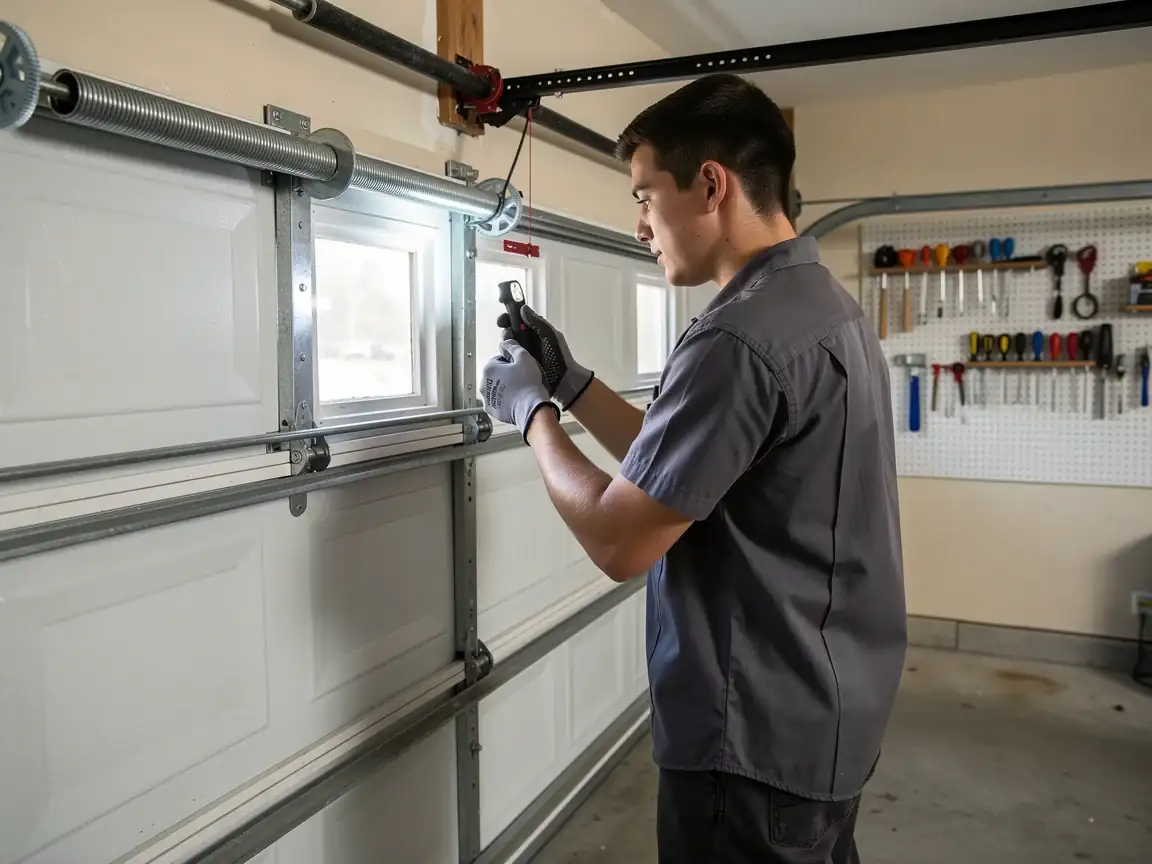
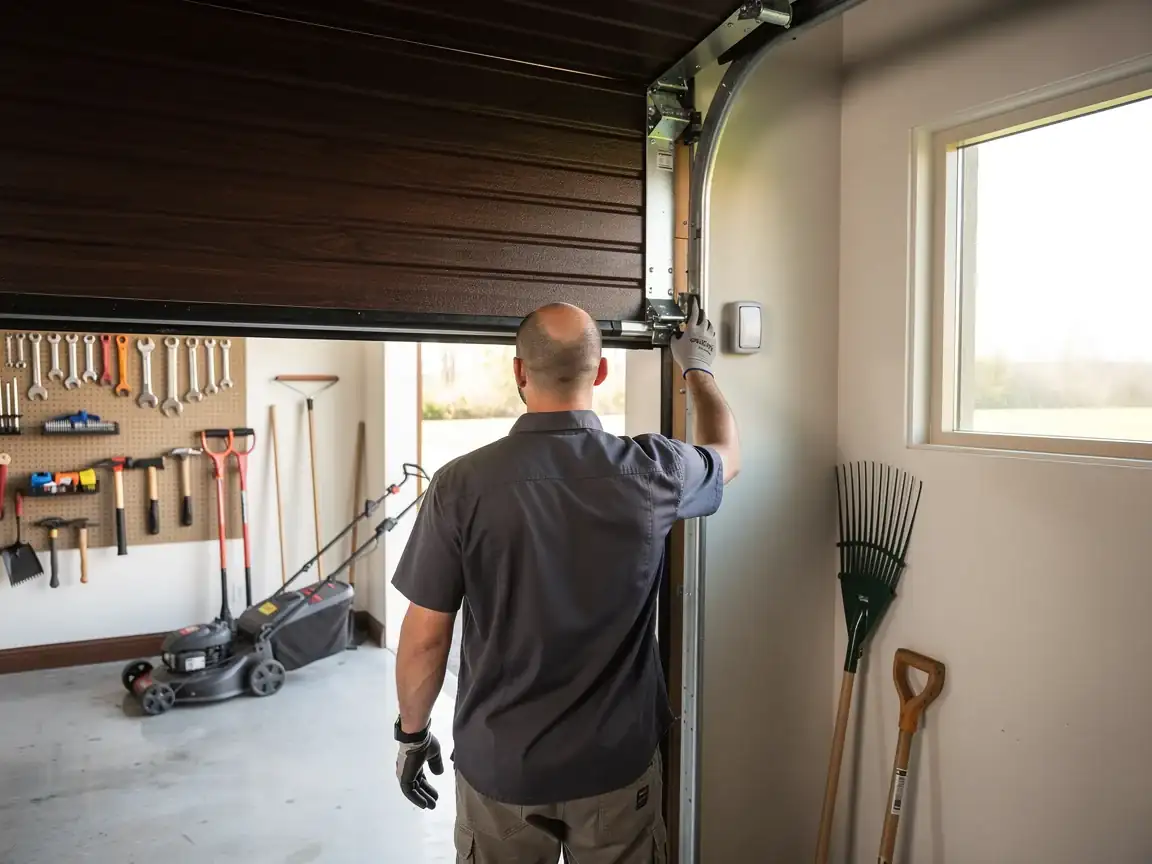
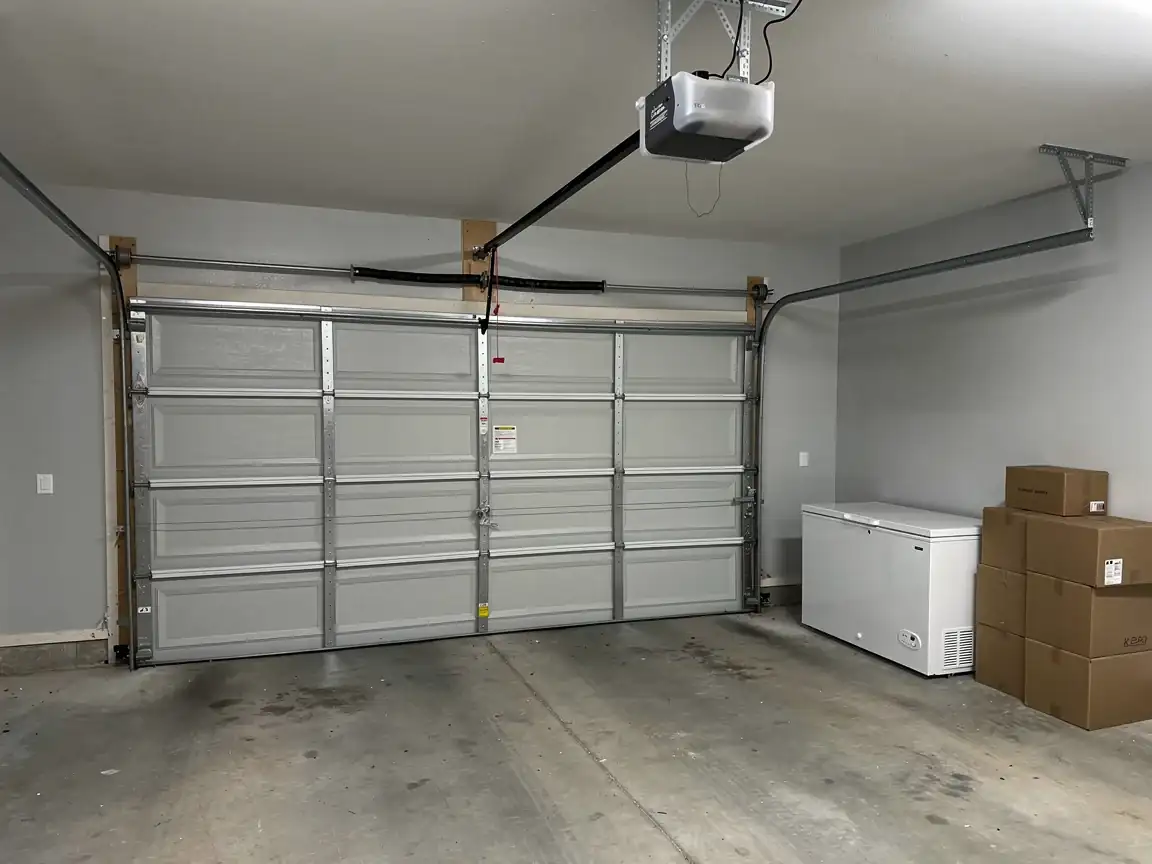
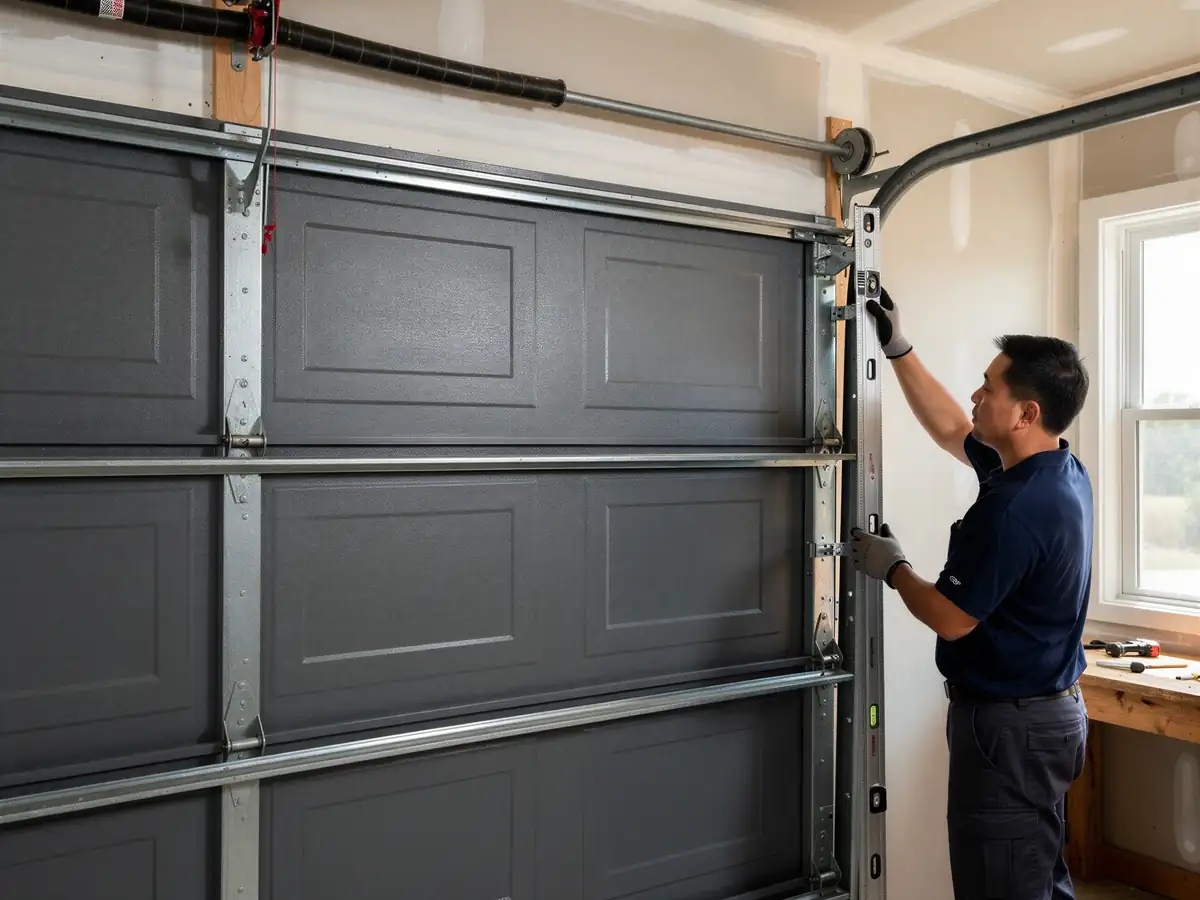
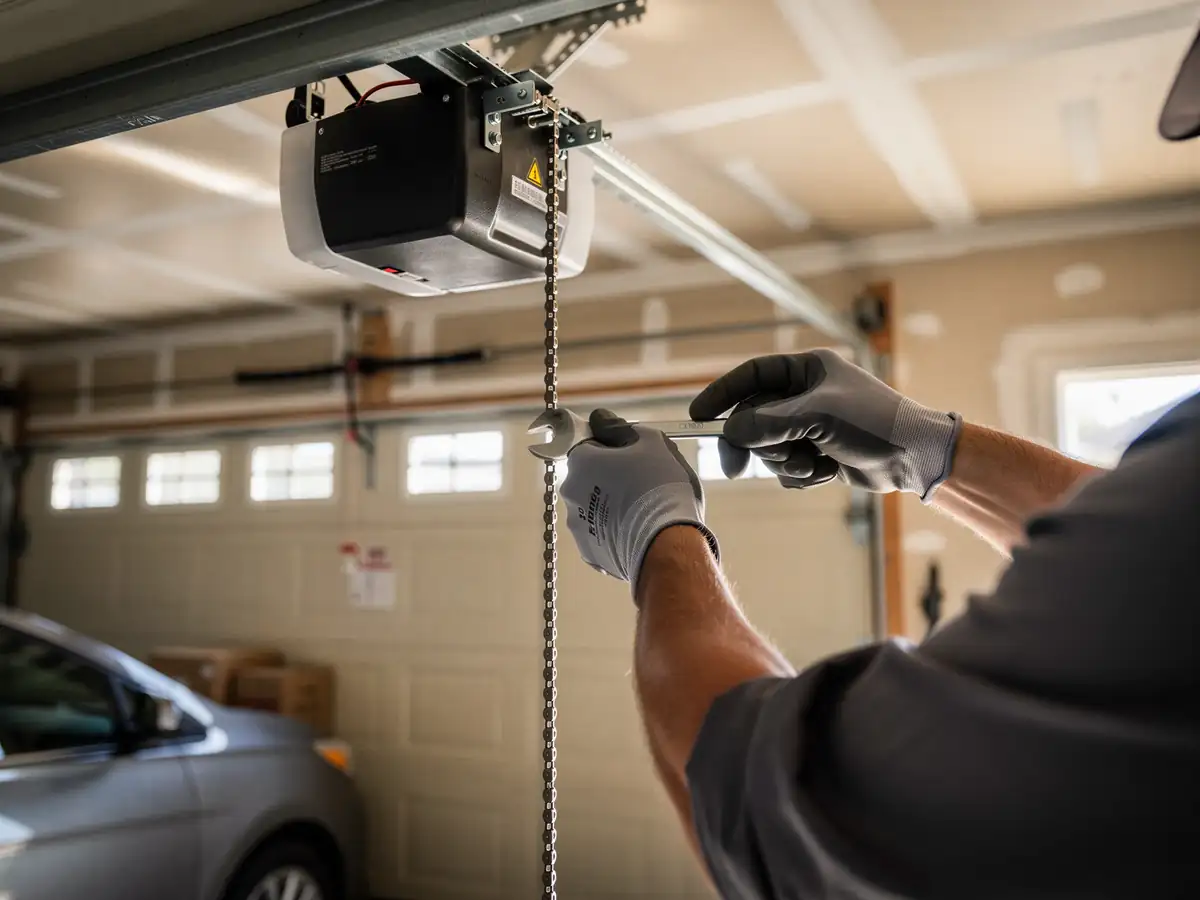
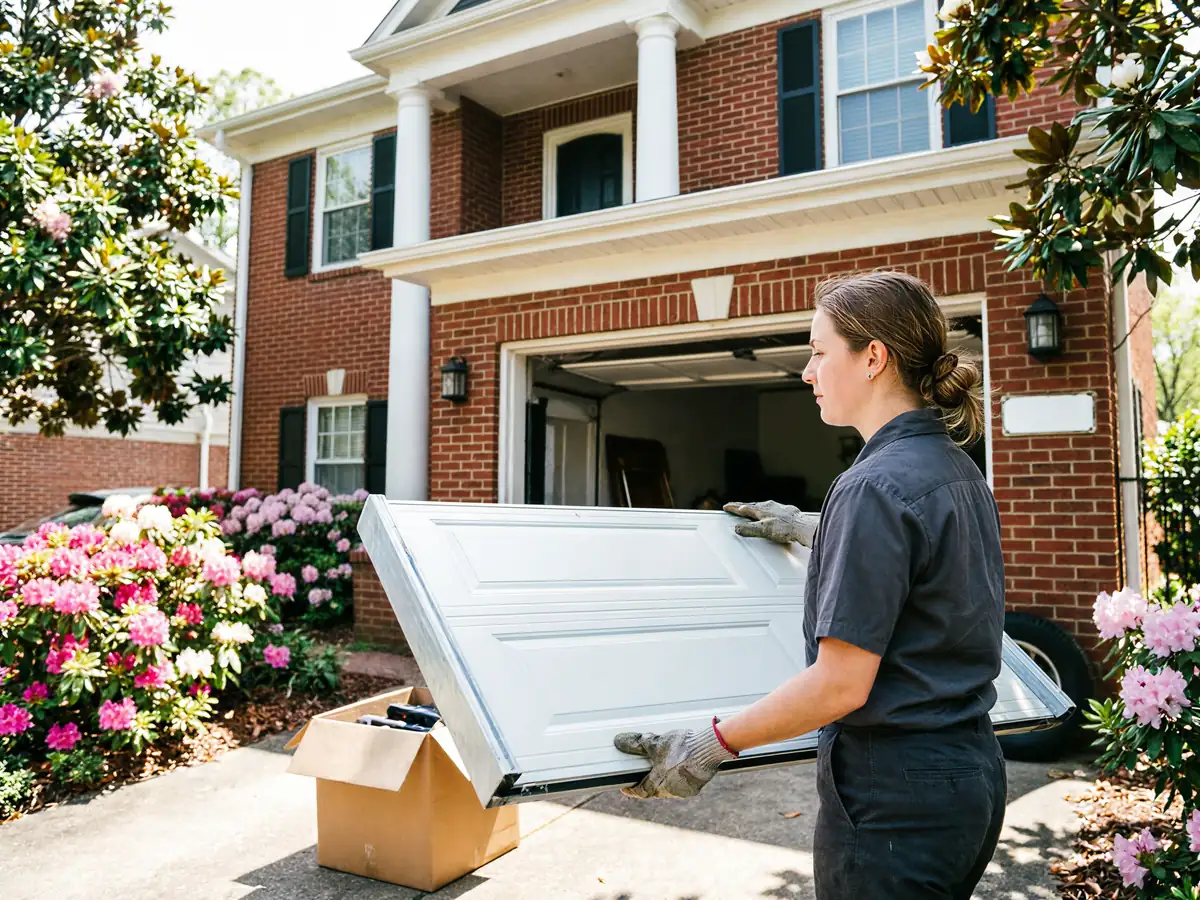
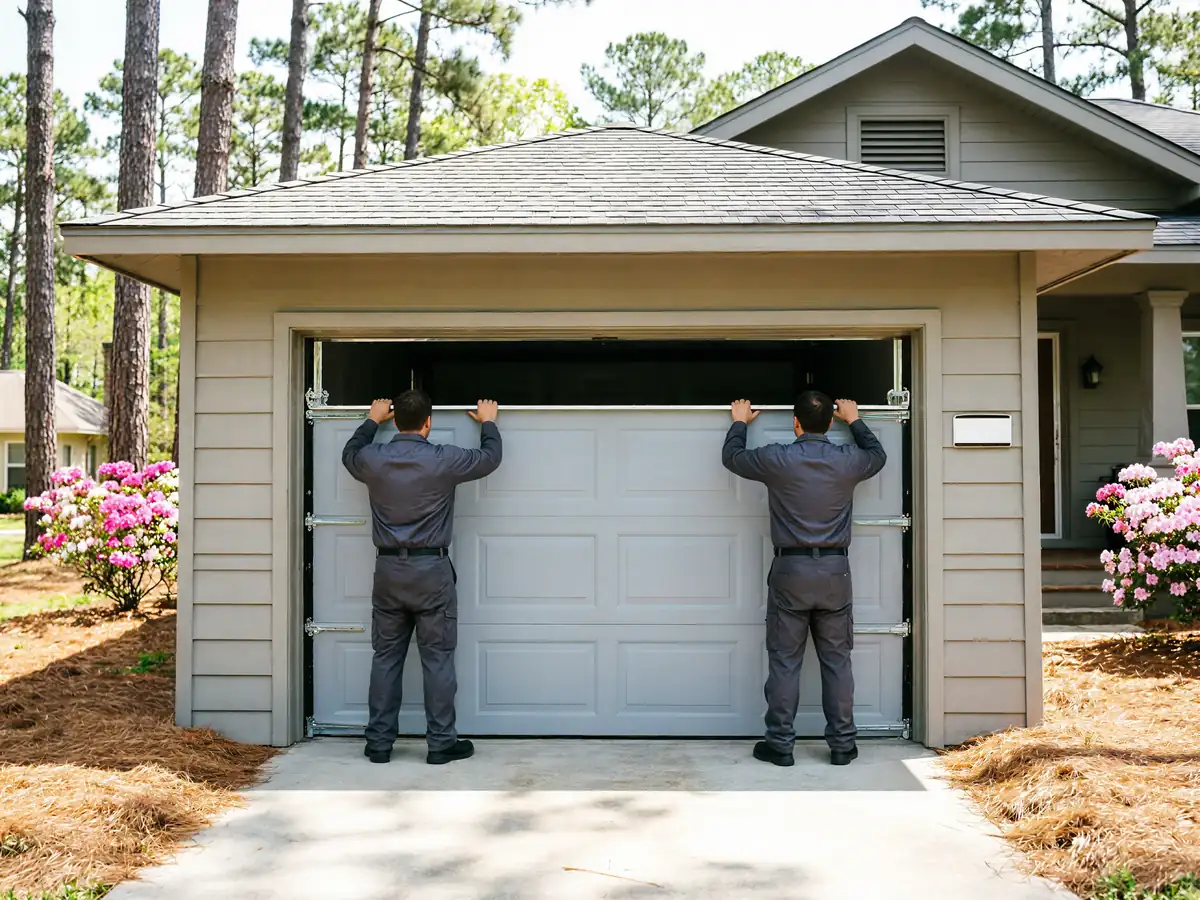
We come from Decatur, so the first stop is measuring the opening and checking the track, header, and slab for anything that'll affect the new door's fit - not assuming the original 1980s-era framing is square, because on a house this age it often isn't by now. From there it's picking the door itself: panel style, insulation level if you want one (most of the original doors from that build era didn't have any), and spring system sized for the actual weight of what you're installing, not a generic default. Installation is removal of the old door and track, setting new jamb brackets if the old ones are shot, hanging the new door, and balancing the spring so the door holds position at any height by hand, not just with the opener doing all the work. We test the opener's force settings against the new door's weight before we leave, since a new door on an old opener's settings is one of the more common comebacks in this trade.
Can You Do This Yourself
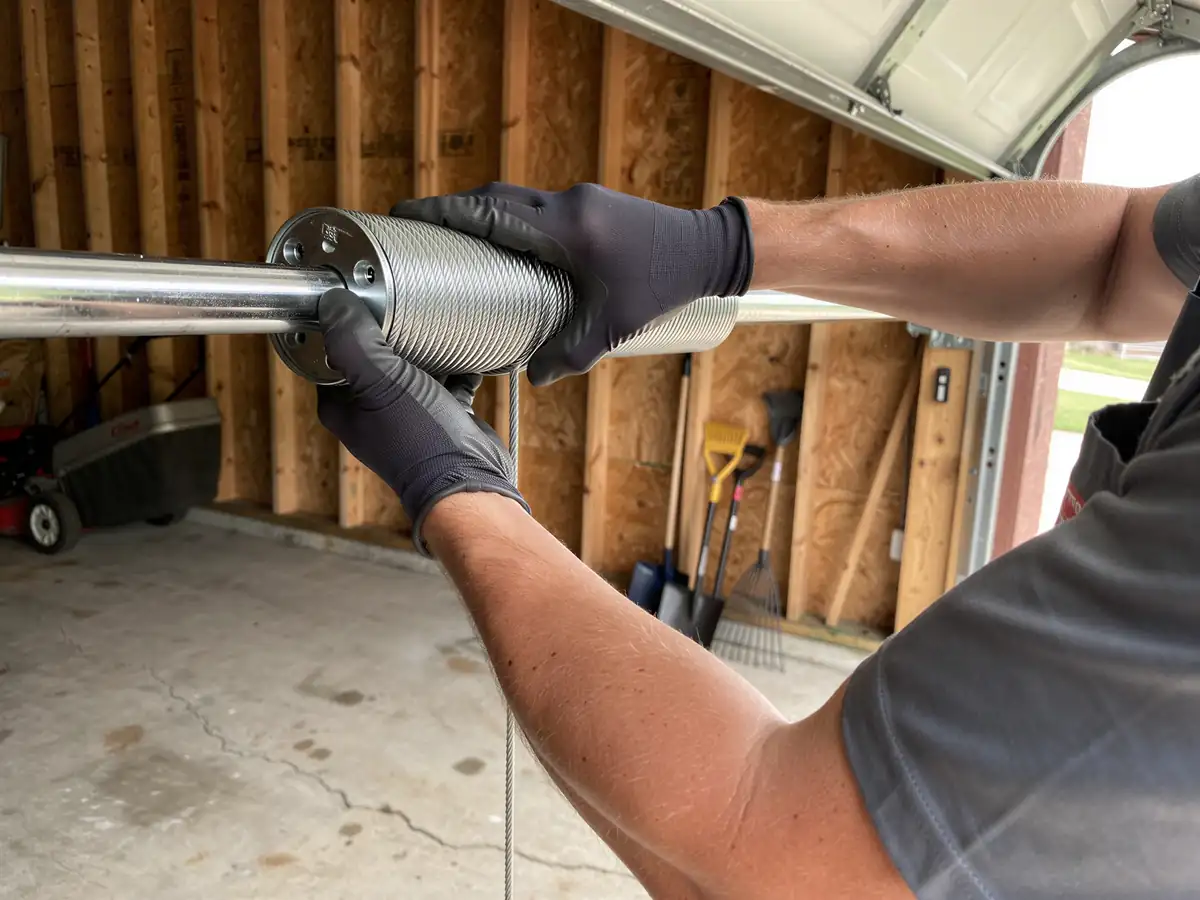
A new garage door install is not a weekend project for most homeowners, and the part that actually hurts people is the torsion spring - it's under enough tension to cause serious injury if you don't know how to wind it. Hanging the panels themselves is manageable with a second set of hands, but getting the track plumb and the spring tension right is where most DIY installs go wrong, and a door that's slightly out of balance will wear out its opener fast. If your opening is a standard size and in good shape, a handy homeowner can save money doing the demo and prep work themselves and having a pro handle the door, spring, and final balance. If the framing's out of square - common enough on a house from the early 80s - that's a job to hand off entirely.