What Neighbours Usually Call About
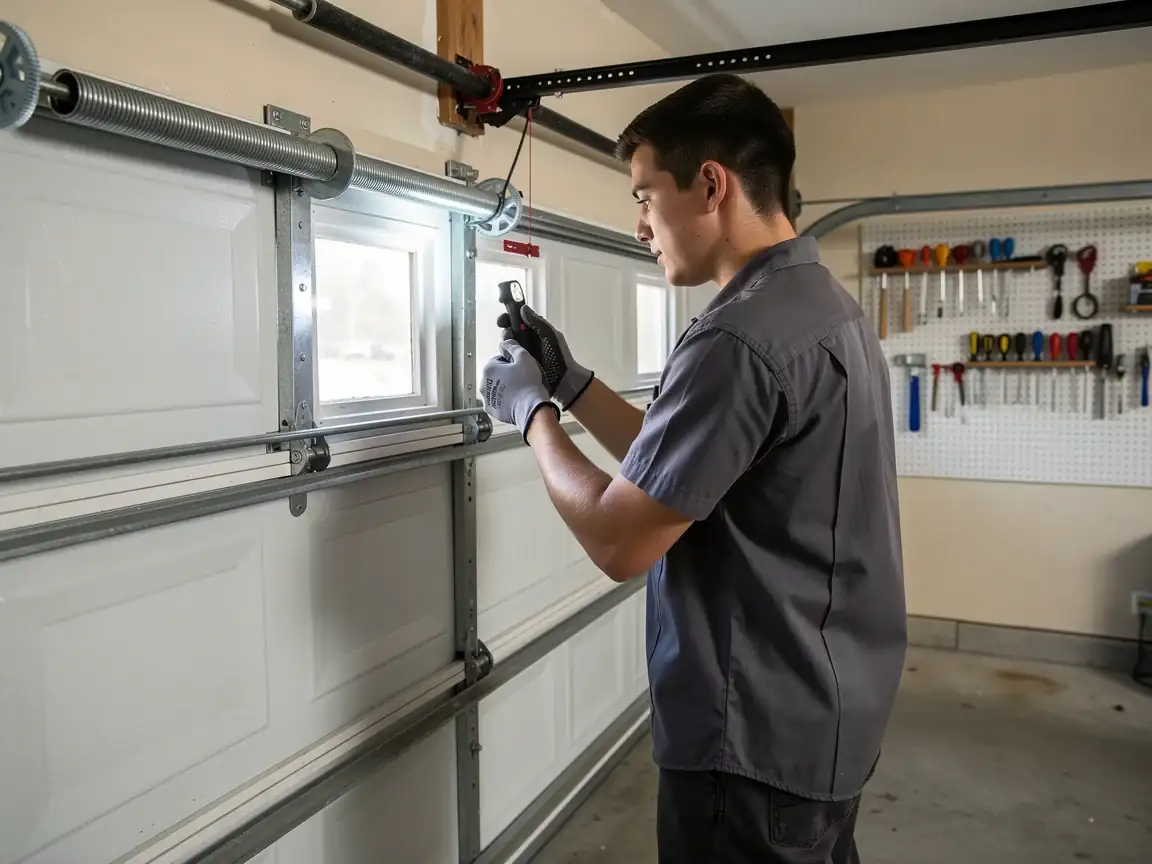
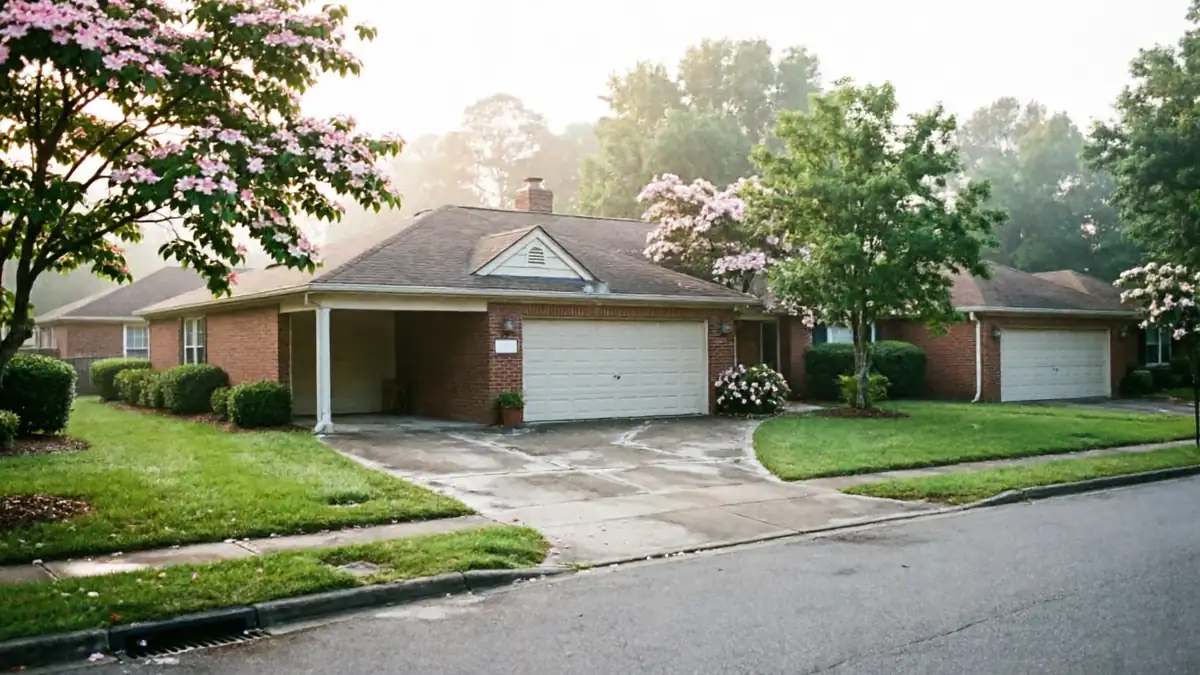
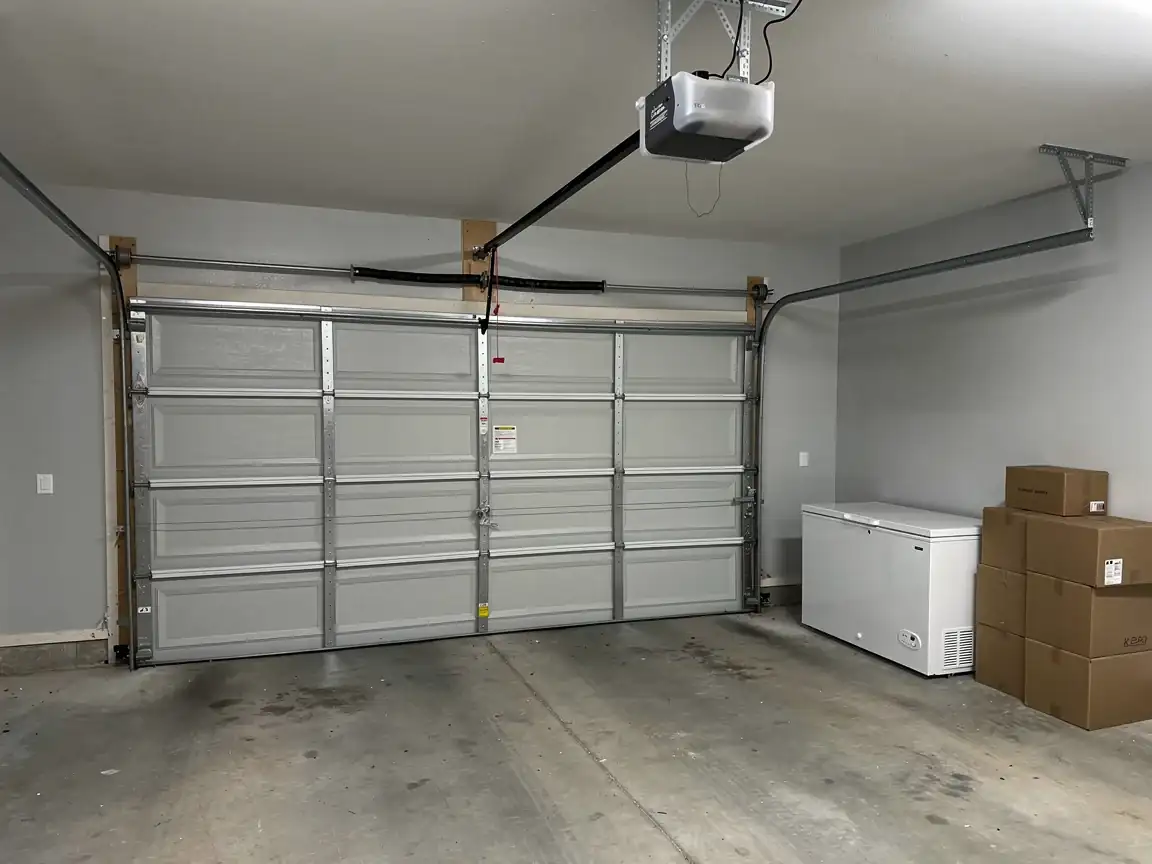
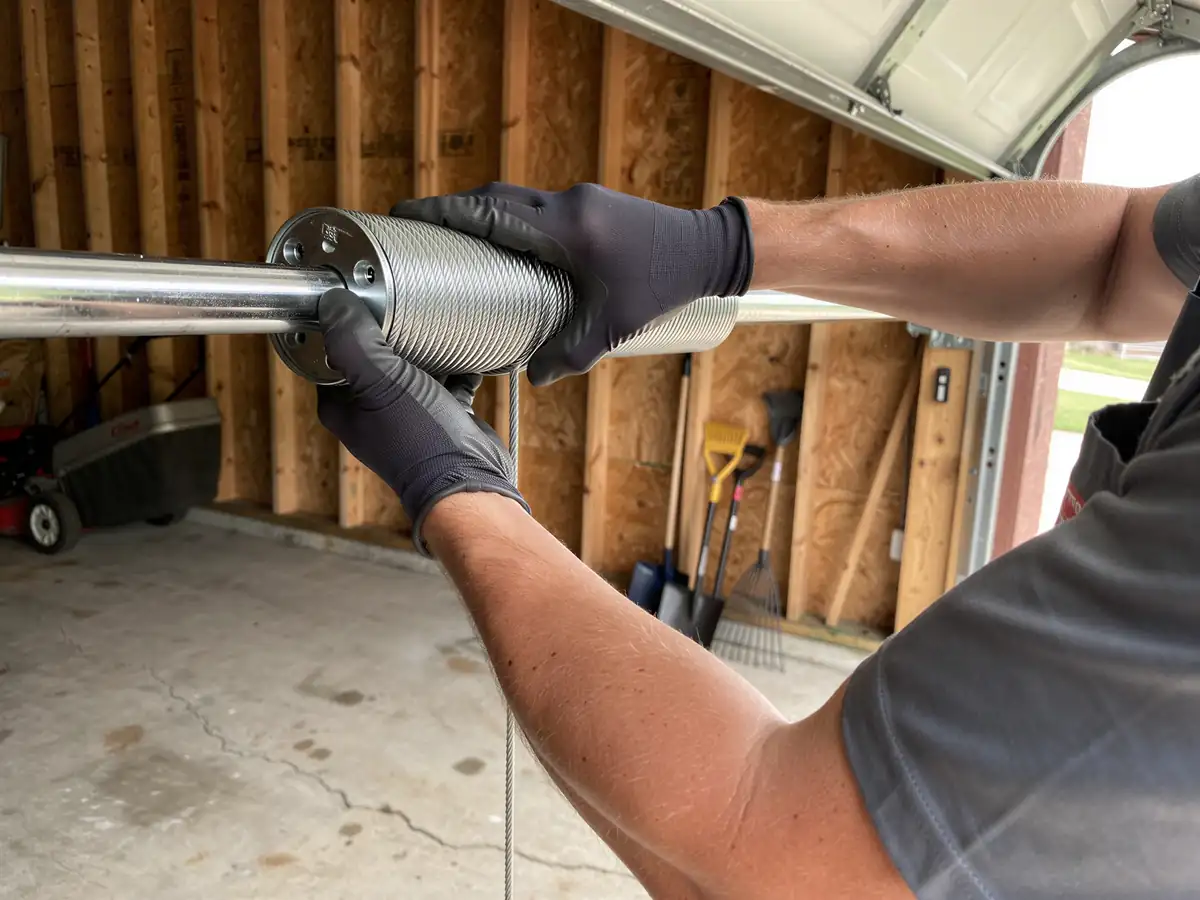
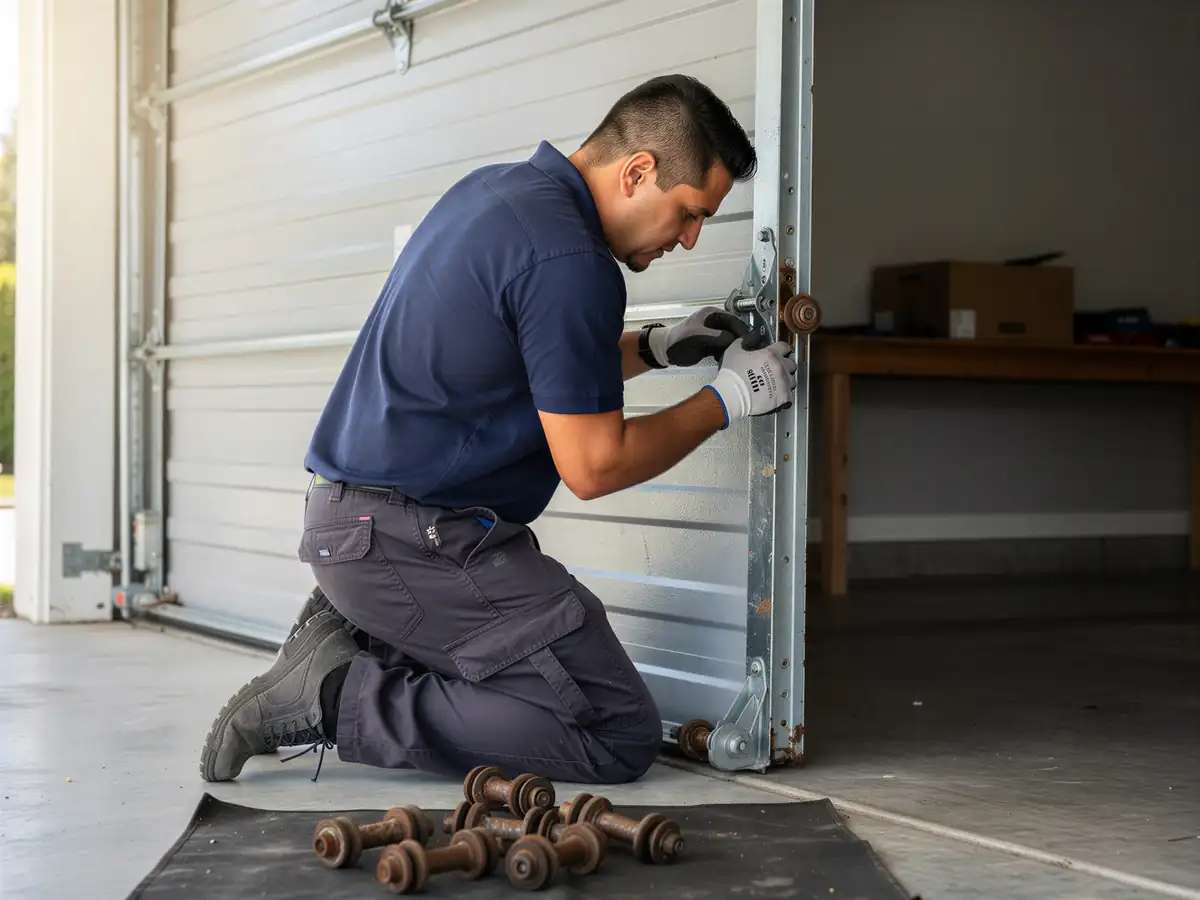
Most of the calls we get from Trinity point back to one thing: houses here were built mostly in the late 1980s, with the median year sitting right around 1988. That means a lot of original torsion springs, steel rollers, and single-horsepower chain-drive openers that are now entering their fourth decade of lifting a heavy steel door twice a day. A spring sized for a door built in 1988 isn't the same wind count as one sized for a door built today, and when it finally lets go, it tends to go all at once rather than gradually.
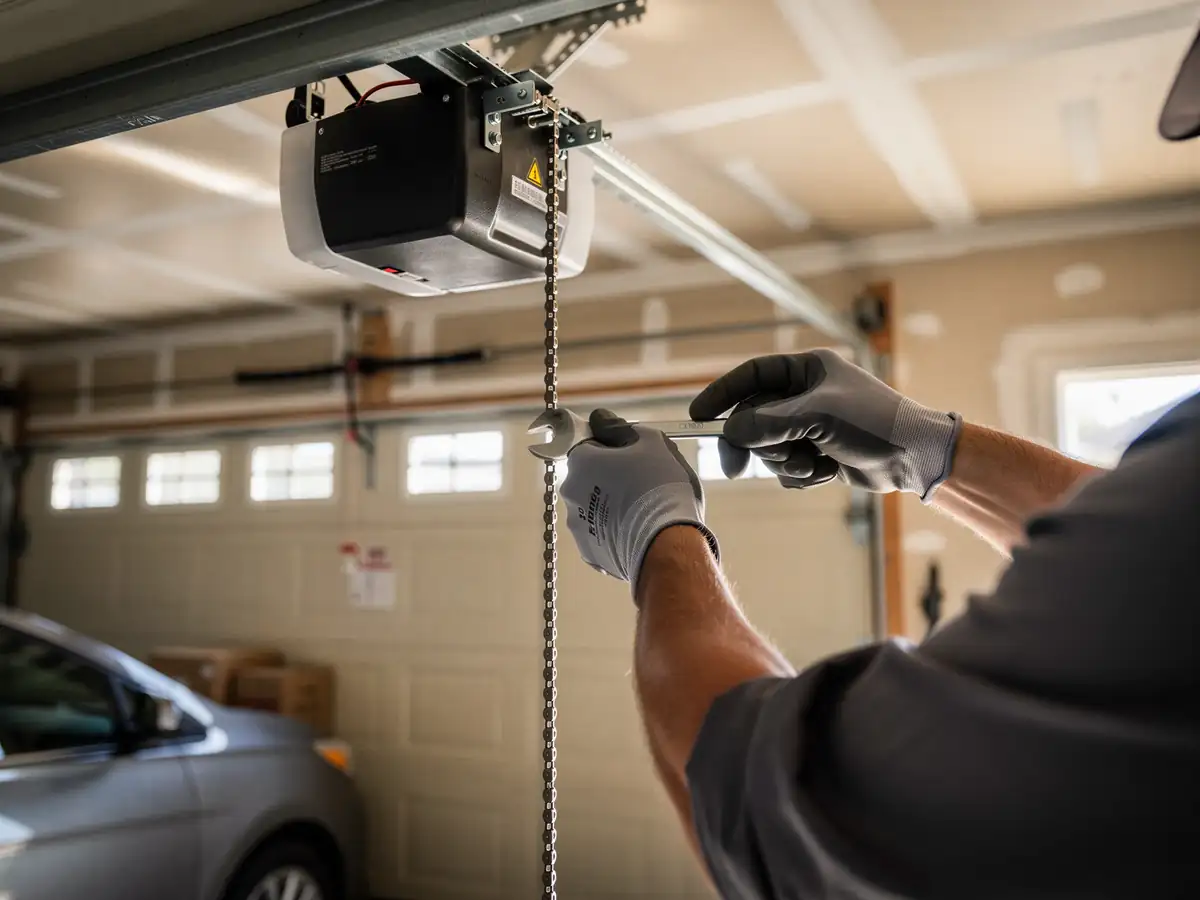
We also hear from people whose openers still run the original logic board - no safety-reverse sensors, no rolling code, because that gear wasn't standard equipment yet when the house went up. We can't always get a replacement part for a board that old off a shelf; sometimes the honest answer is to replace the opener rather than keep chasing parts for electronics that stopped being made years ago. That's not us pushing a sale - it's what thirty-plus-year-old gear actually requires.
Where We Stop
We run out of Decatur
And Trinity sits about 6 miles out along that route - close enough that a morning call doesn't turn into an afternoon job. We don't keep a second location in Trinity itself; every truck starts in Decatur and drives in.
- 6 miles
Compare that to some of the farther stops we cover
Somerville, Triana, and Falkville are all around 14 miles out, Moulton is 18, and Hartselle sits at 10. Trinity, at 6 miles, is one of the closer calls on our list, alongside Priceville at 7. That doesn't change what a job costs, but it does mean less of the day burned driving and more of it spent actually working on your spring or track once we get there.
- 14 miles
- 6 miles
What That Means for Doors
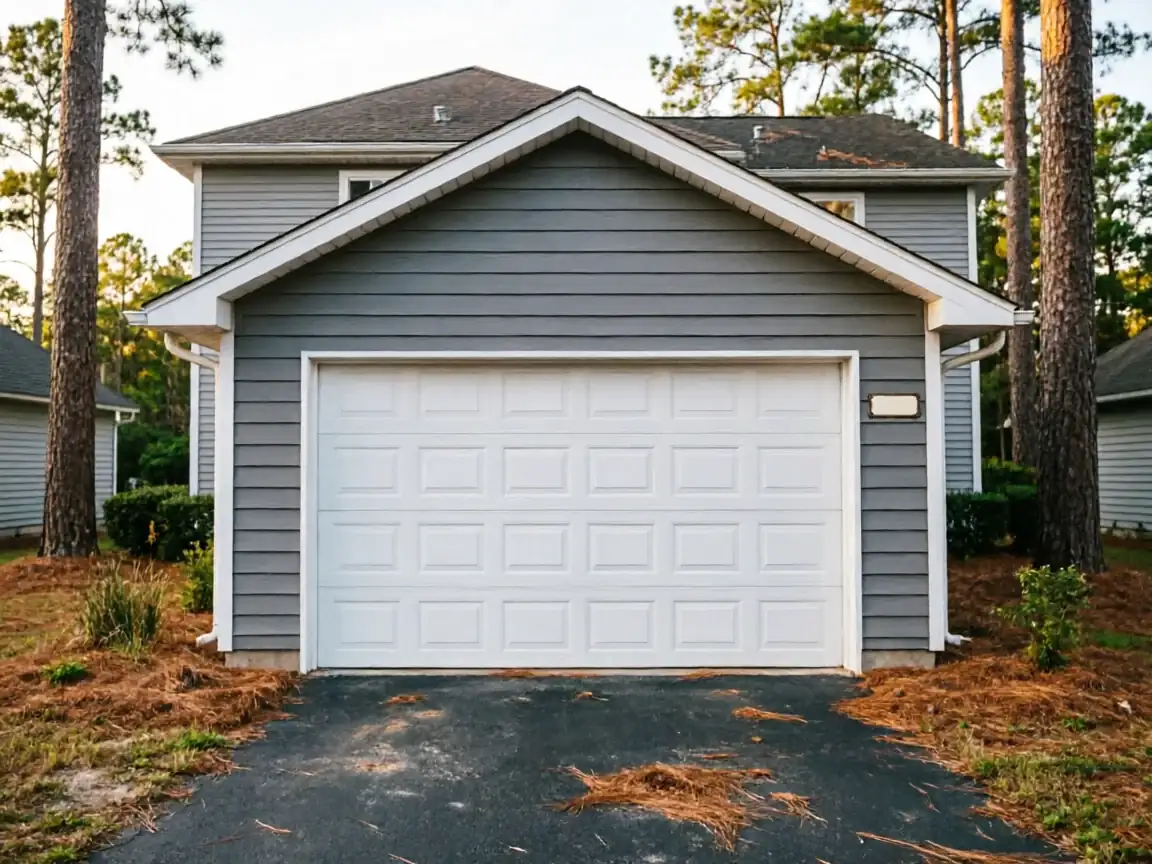
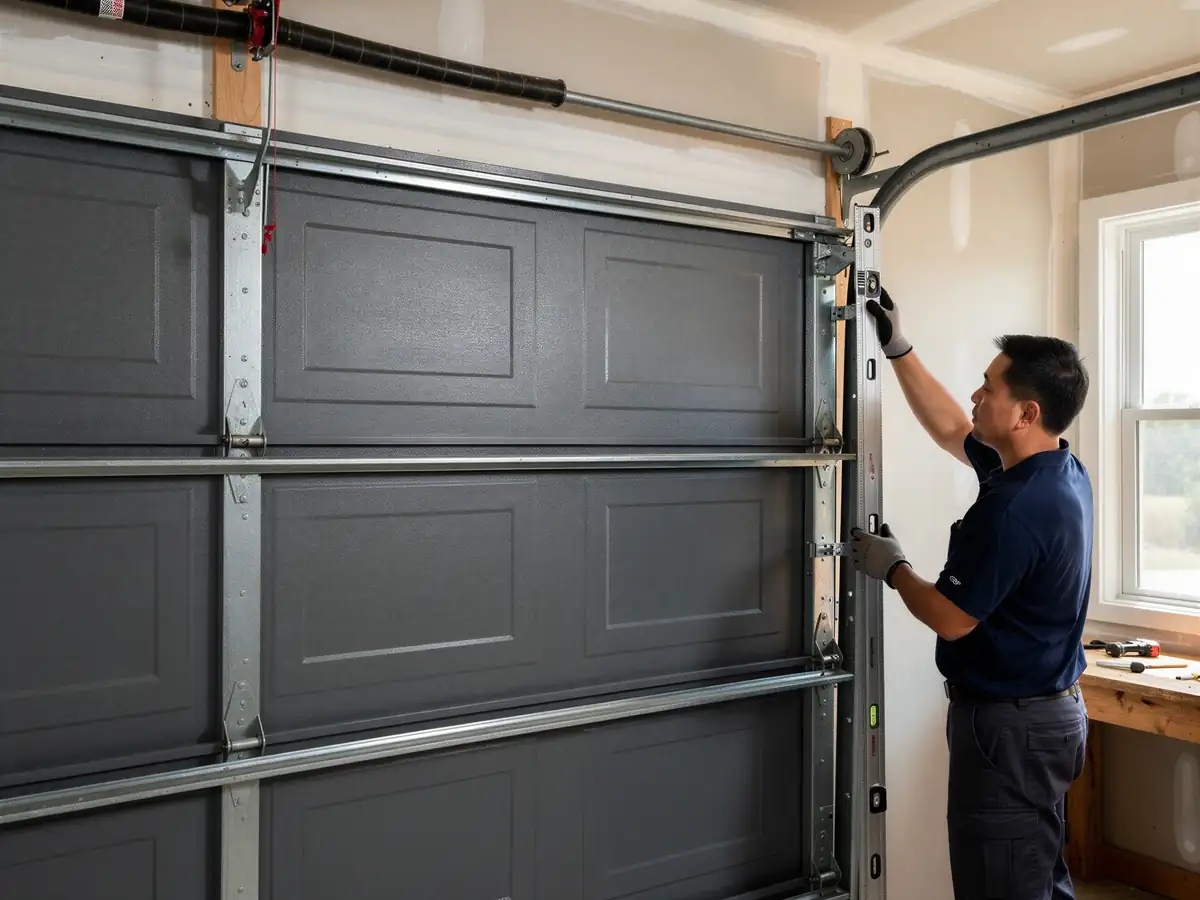
A door built to 1988 specs in a moderate-cold climate wasn't engineered the way doors are now. Steel panels from that era tend to run thinner, without the foam-core insulation that became common later, so the door itself is lighter - but the torsion spring on it still has to match that specific weight. Swap in a heavier insulated replacement panel later and leave the original spring in place, and that spring will wear out fast or snap outright.
Cold doesn't hit Trinity as hard as it hits places further north, but moderate cold still means steel contracts, grease stiffens, and a track that was a little out of plumb in July can bind hard by January. A frayed cable or a stiff torsion spring are common fixes when the hardware matches this build era, but we size every spring to the actual door in front of us, not to an assumption based on the house's age.
The Houses Here
Trinity's own numbers run different from the wider Decatur service area. Median household income here is $95,625, well above the $67,863 median across the full seven-area service region, and the area has roughly 944 households against the 11,609 households and 8,352 owner-occupied houses we cover overall.
That gap usually shows up in what people ask for: more requests for insulated replacement doors and quieter belt-drive openers, fewer calls asking us to patch together an old chain-drive unit for one more winter. Houses here tend to be owner-occupied, built in that late-1980s window, and kept up - which means when something does break, it's often one specific part failing on an otherwise solid door, not a door that's due for full replacement. We tell people that straight even when a full replacement would be the bigger job for us.