What Causes It Around Here
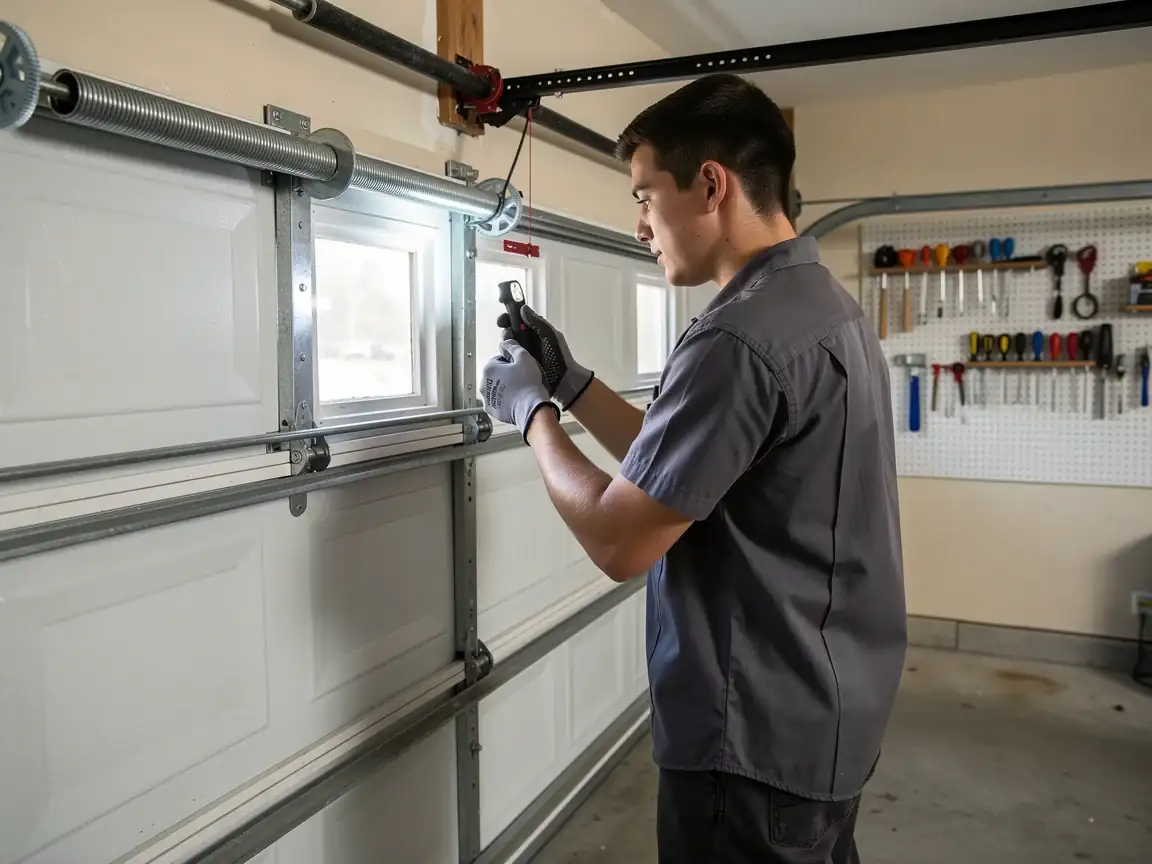
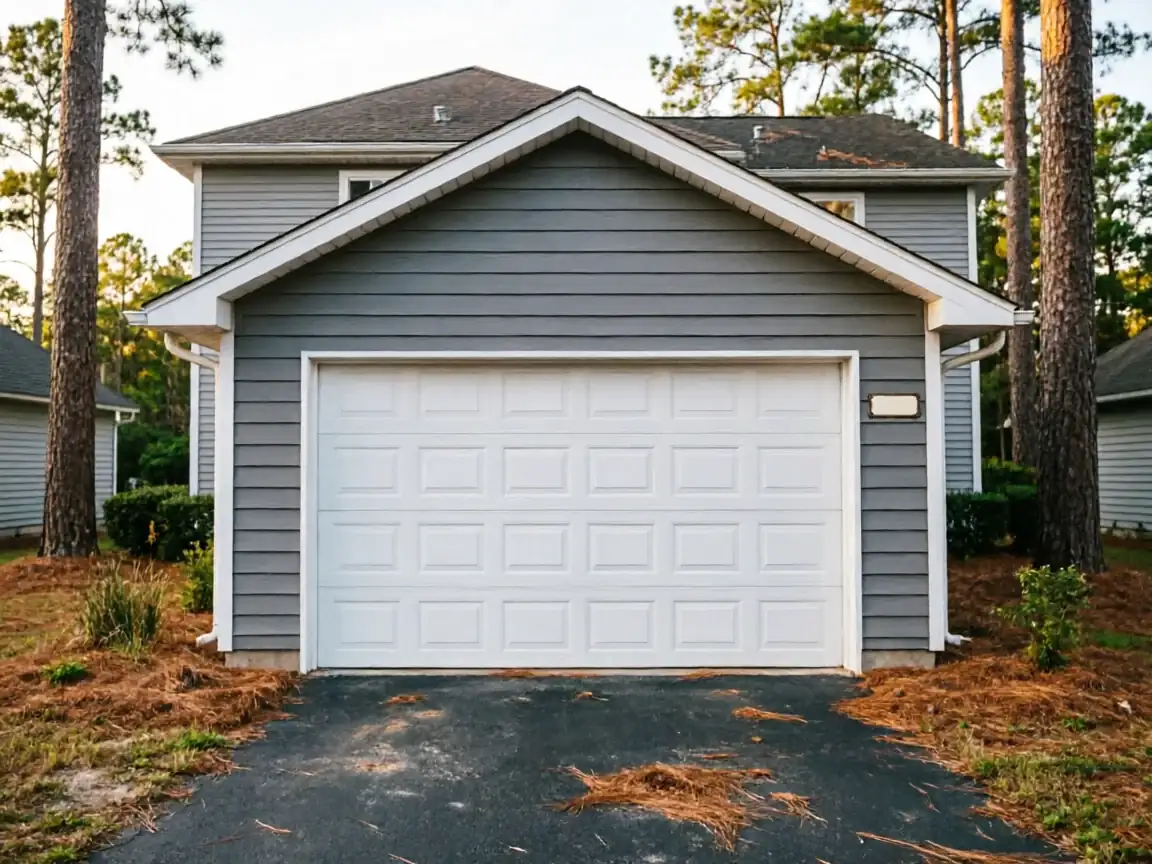
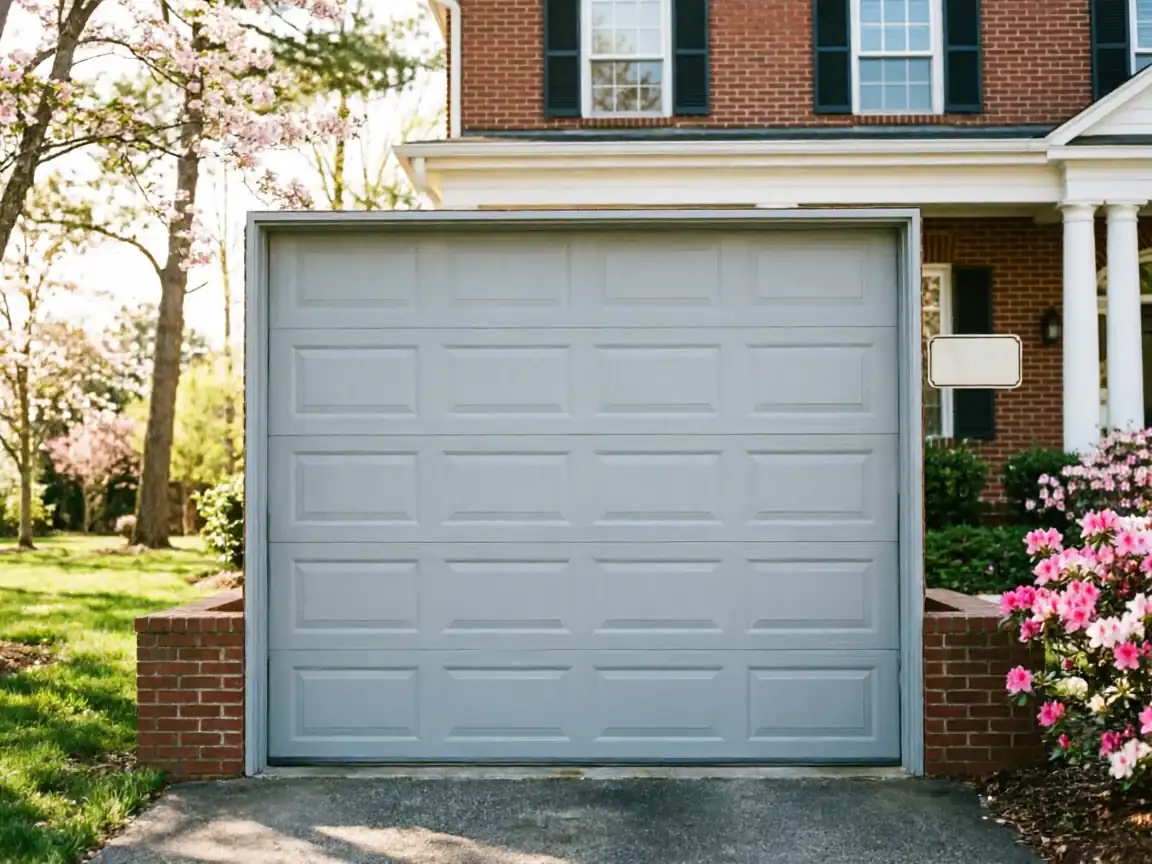
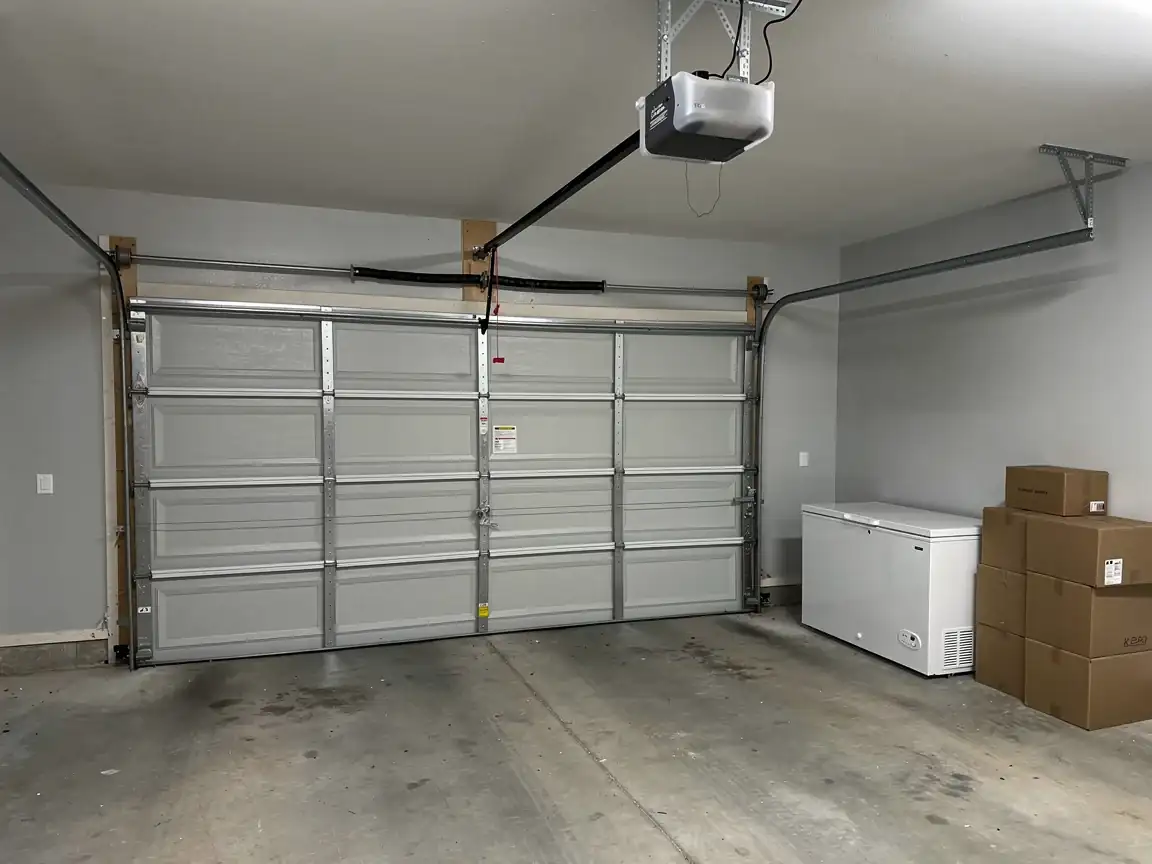
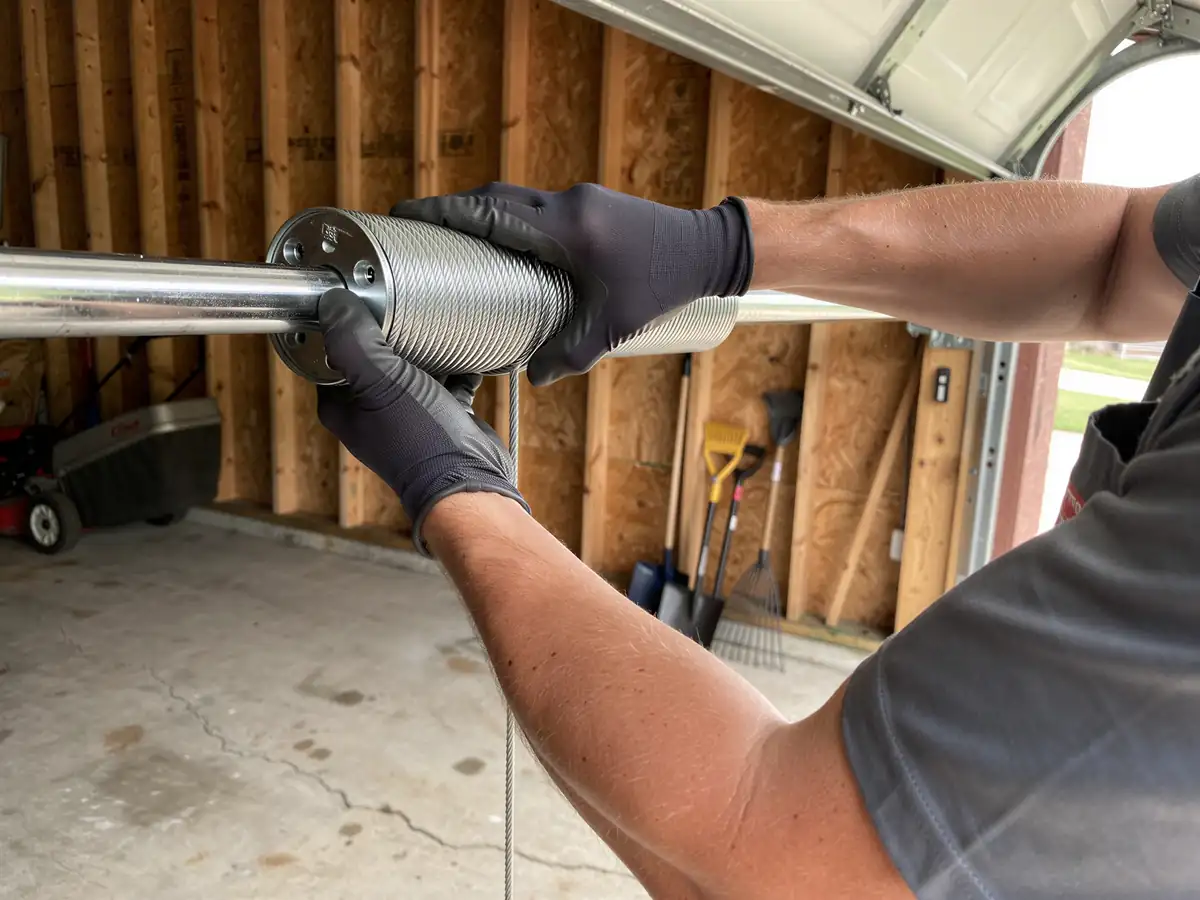
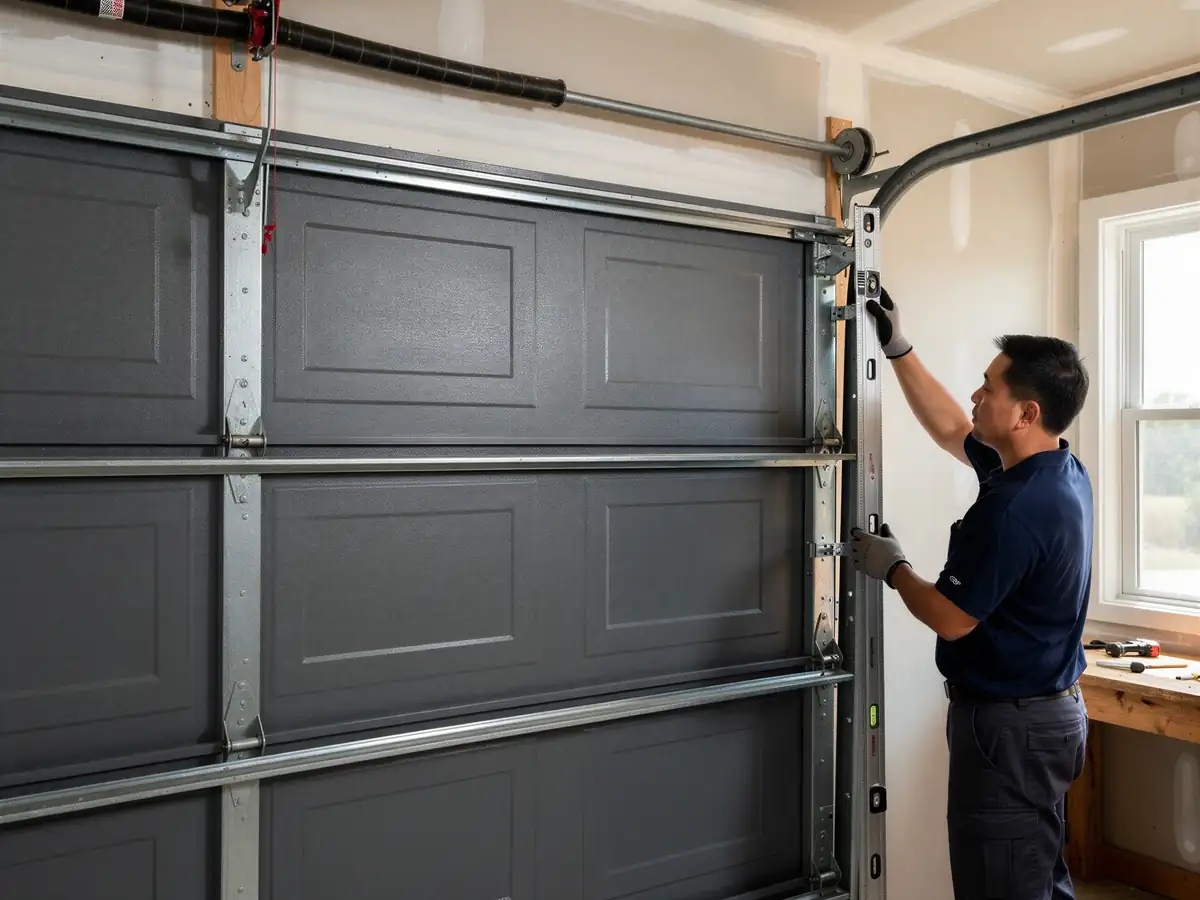
Most houses in Trinity went up around 1988, which tells you a lot about what's hanging over your car right now. That build year puts you squarely in the torsion-spring era for sectional steel doors - not the older extension-spring setups you still see on pre-1972 stock, but not today's insulated panels either. These are first- or second-generation torsion systems, often with the original opener long since swapped out but the spring, drum, and cable hardware left alone because it still turns the door.
Thirty-plus years on steel torsion hardware means fatigue, not neglect, is usually the failure mode. Springs rated for a certain cycle count simply reach the end of that count. Add Trinity's cold-moderate climate band - real winter cold snaps, not desert heat - and you get metal that contracts, lubricant that stiffens, and cables that lose a little flex every freeze. That combination is why so many calls out here are springs and rollers rather than openers.
Trinity sits about six miles from our Decatur shop, close enough that a truck can look at a 1988-era torsion setup the same day it's scheduled without the job competing with a lot of distance-driven overhead. We're not guessing at what's behind your door panel - the housing stock here is consistent enough that the fault pattern repeats from one street to the next.
The Cost of This Job
We're not going to print a number here
Because what drives the bill is what's actually failed, not the town. What we can tell you is what tends to push cost up or down in a neighborhood like Trinity. Original 1988-vintage torsion springs are a standard size - not a rare, hard-to-source part - so a straight spring swap is usually a parts-and-labor job, not a hunt.
Where cost climbs is when the opener has been replaced once already (common by now
Thirty-plus years in) but the track or drum hardware underneath hasn't, so a tech finds a mismatch between a newer opener and older drums or a bent track that's been living with it for years. That's a job that grows once the door's open, not before.
Trinity's median household income runs well above the surrounding service area
About $95,625 here against roughly $67,863 across the wider area we cover. That doesn't change our pricing, but it does mean we see more owners choose full hardware replacement over patching an aging system when a tech lays out both options. Honest limitation: if your springs, drums, and track are all original 1988 stock, patching one part and leaving the rest is often a short-term fix, and we'll tell you that instead of just doing the cheaper job.
Time on the Job
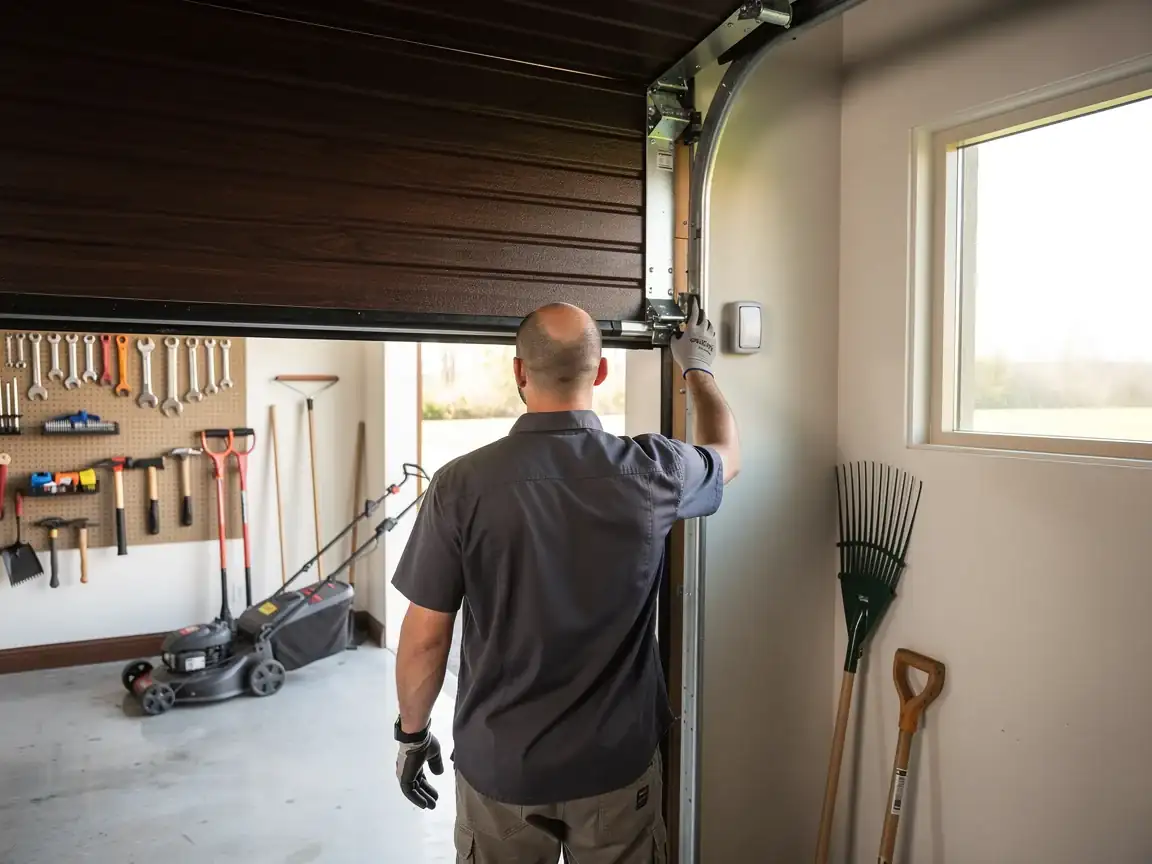
A straight torsion spring replacement on a standard double door is a same-visit repair once the tech is on site - that part of the job doesn't depend on which street you're on. What does depend on Trinity specifically is getting there: we run from Decatur, about six miles out, so scheduling a Trinity call means working it into the day's route rather than dispatching from a local branch, because there isn't one.
Where the clock runs longer is diagnosis, not repair, on houses where the opener's been changed but the drums and cable drums haven't. A tech has to confirm the drum size matches the cable and that the spring is actually rated for the door weight before touching anything, and on a 1988-era setup that's been through one or two partial upgrades, that check takes longer than on a door that's never been touched.
We don't promise a response window here - that's not something we can back up without a stated figure, and we won't invent one. What we can say is that the drive from Decatur is short enough that a Trinity call isn't treated as an outlier stop on the schedule.
What Can Go Wrong
The most common failure on Trinity's 1988-era stock is a broken torsion spring, usually one side going first and the second following within months because both springs have the same cycle count and the same age. Cables fray at the drum end before they fray in the middle - that's a hardware-age issue, not a weather event, though the cold-moderate swings here do speed up corrosion on cable ends that have gone a decade without lubrication.
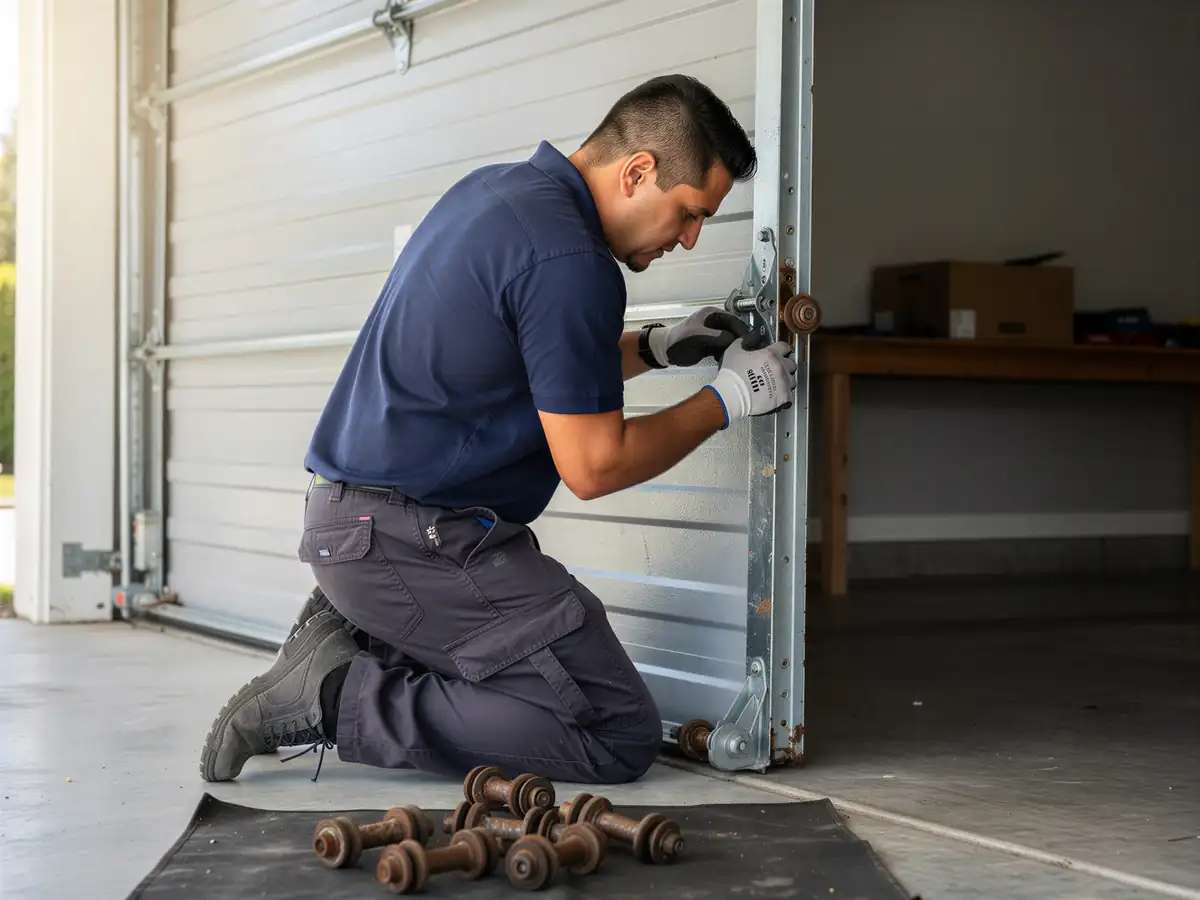
Rollers are the other predictable one. Steel rollers from this era on original track wear a groove into the track itself over enough years, so a roller swap alone sometimes doesn't quiet the noise - the track has to come out too. We'll flag that rather than selling a roller job that won't fix the actual rattle.
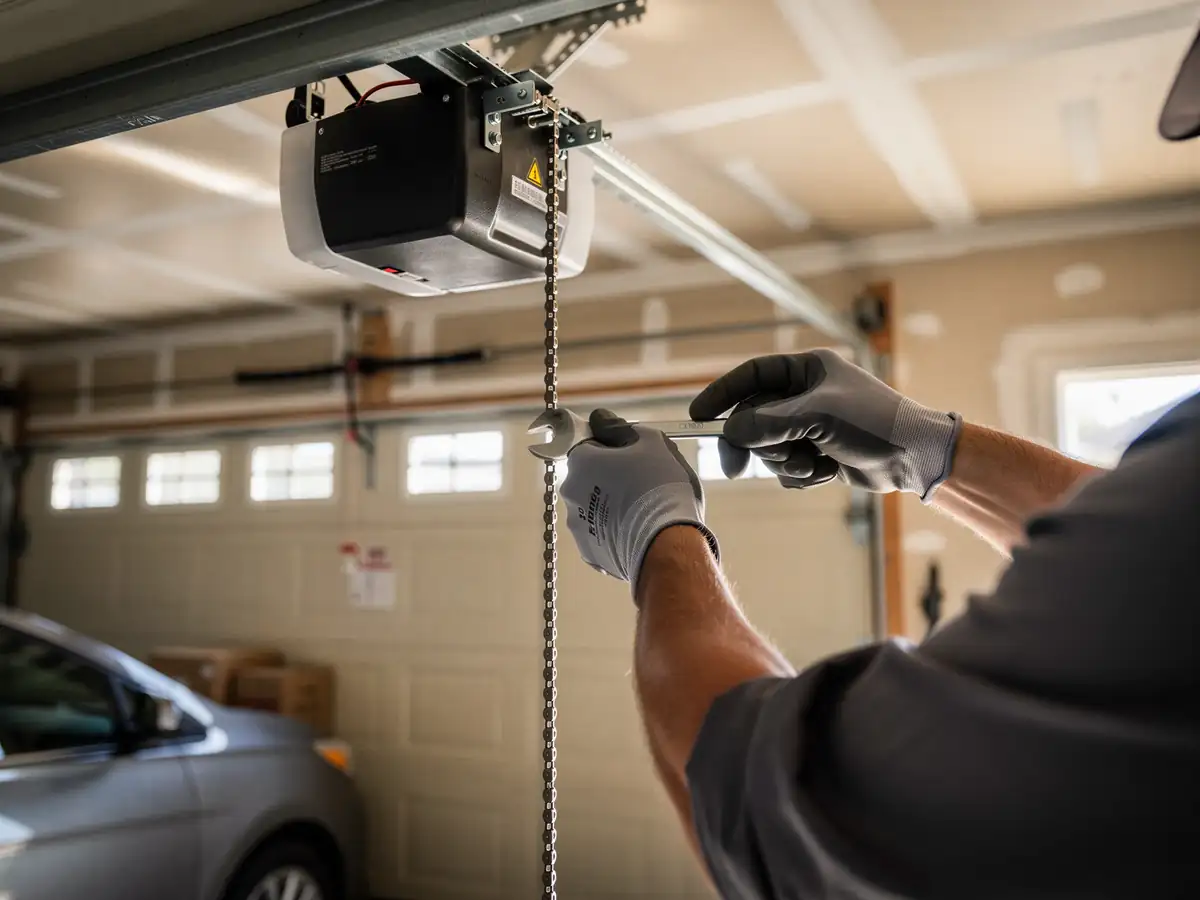
Openers are the least predictable part of the picture, because so many Trinity garages have had at least one replacement opener installed on original torsion hardware. That mismatch - a newer opener logic board paired with a thirty-plus-year-old drum and spring combination - is where we see the odd safety-reverse or travel-limit complaint that isn't really an opener problem at all. Honest limitation: we can diagnose that mismatch on site, but if the drum or track is a discontinued size, we may need a day or two to source the part rather than finishing in one visit.