What Causes It Around Here
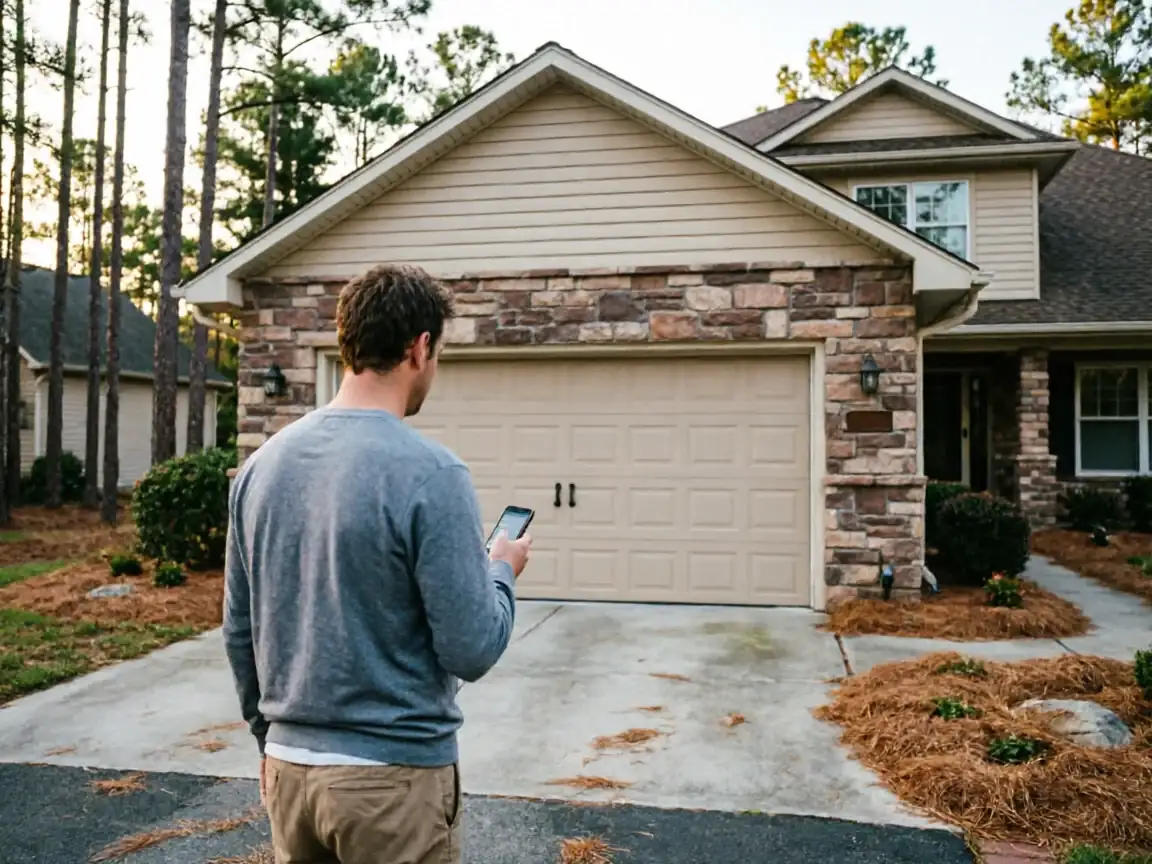
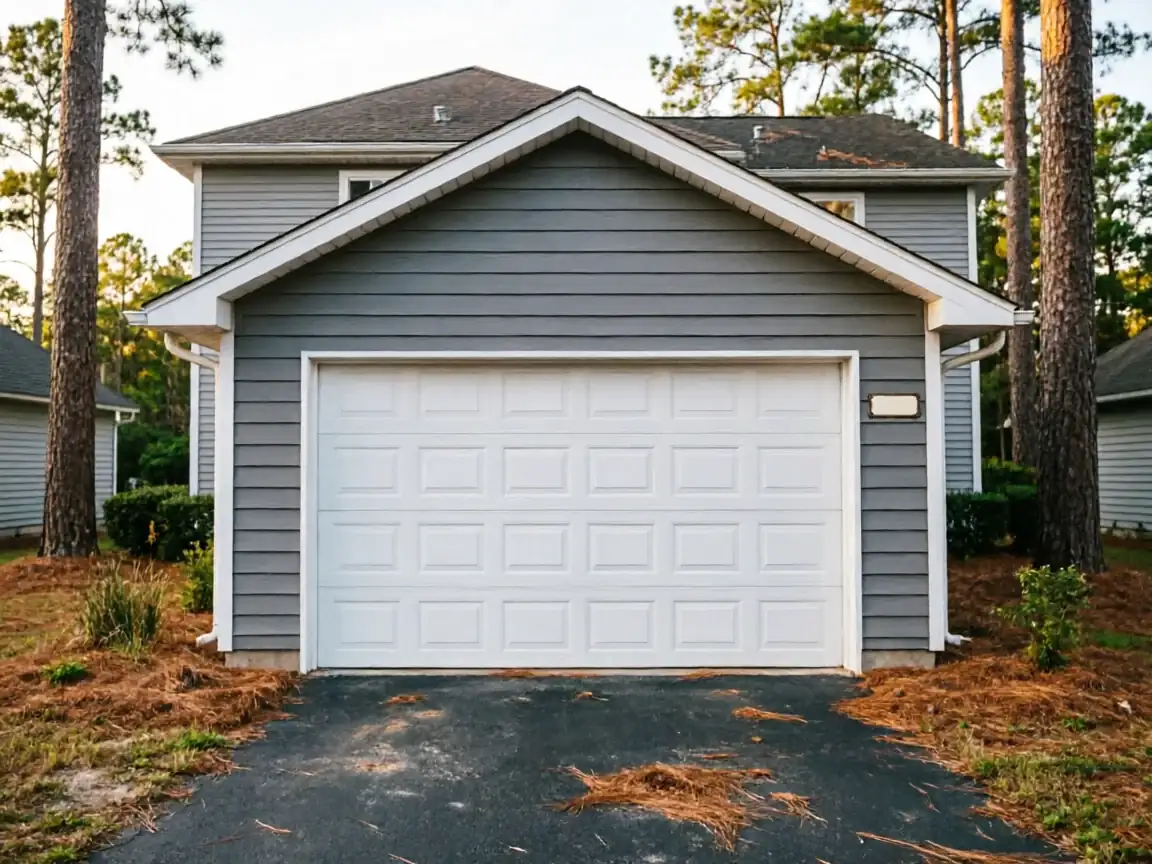
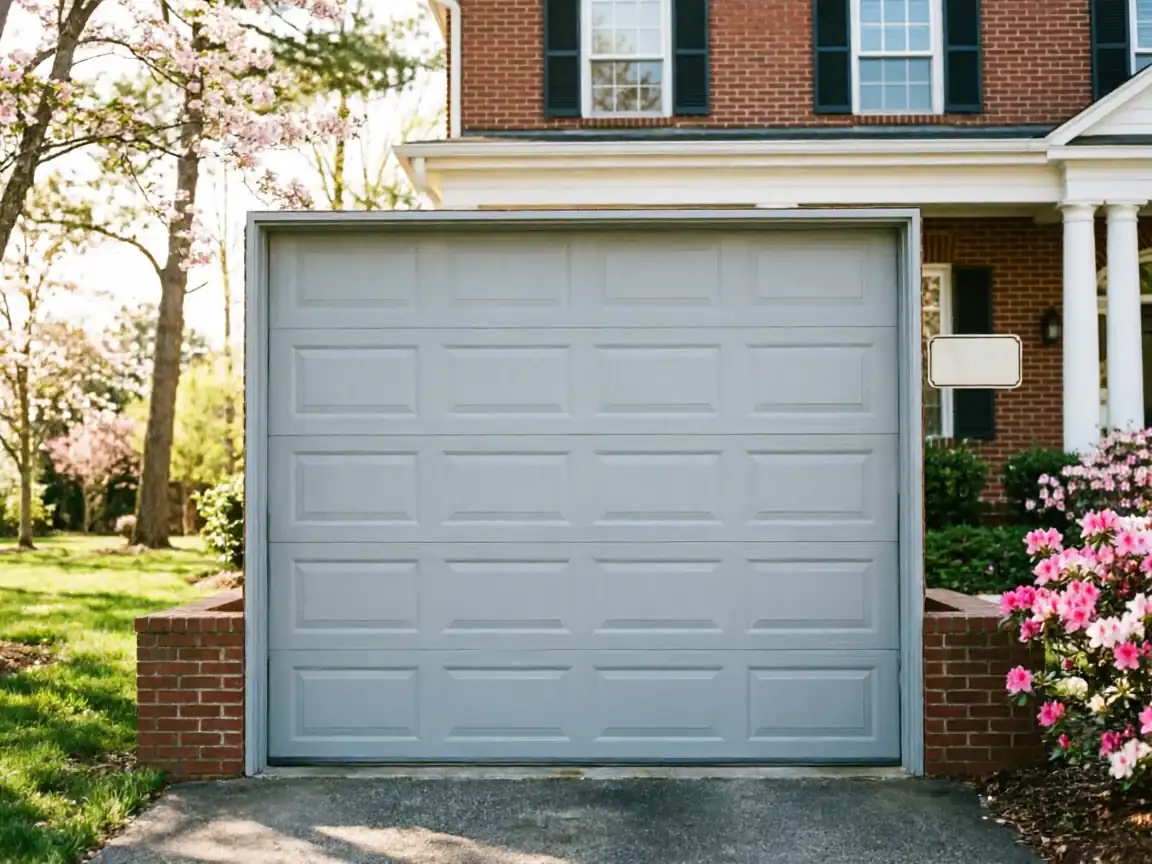
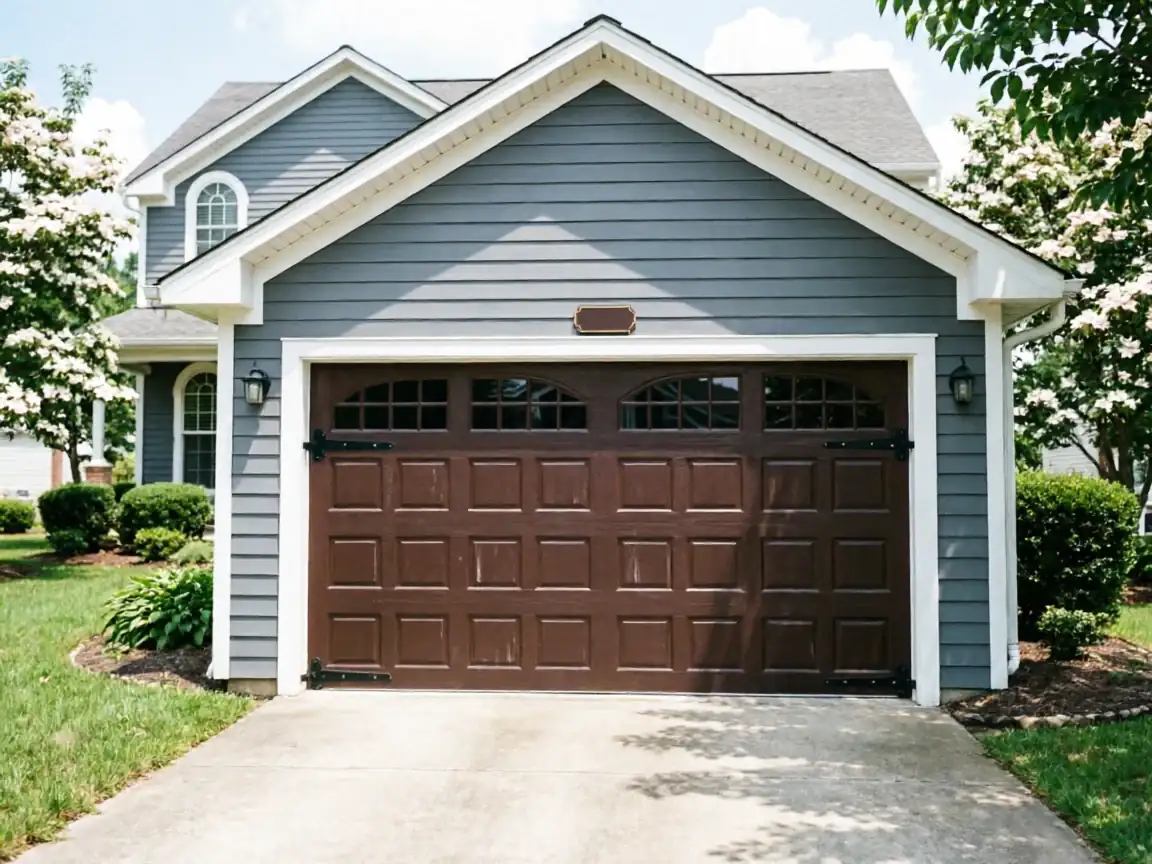
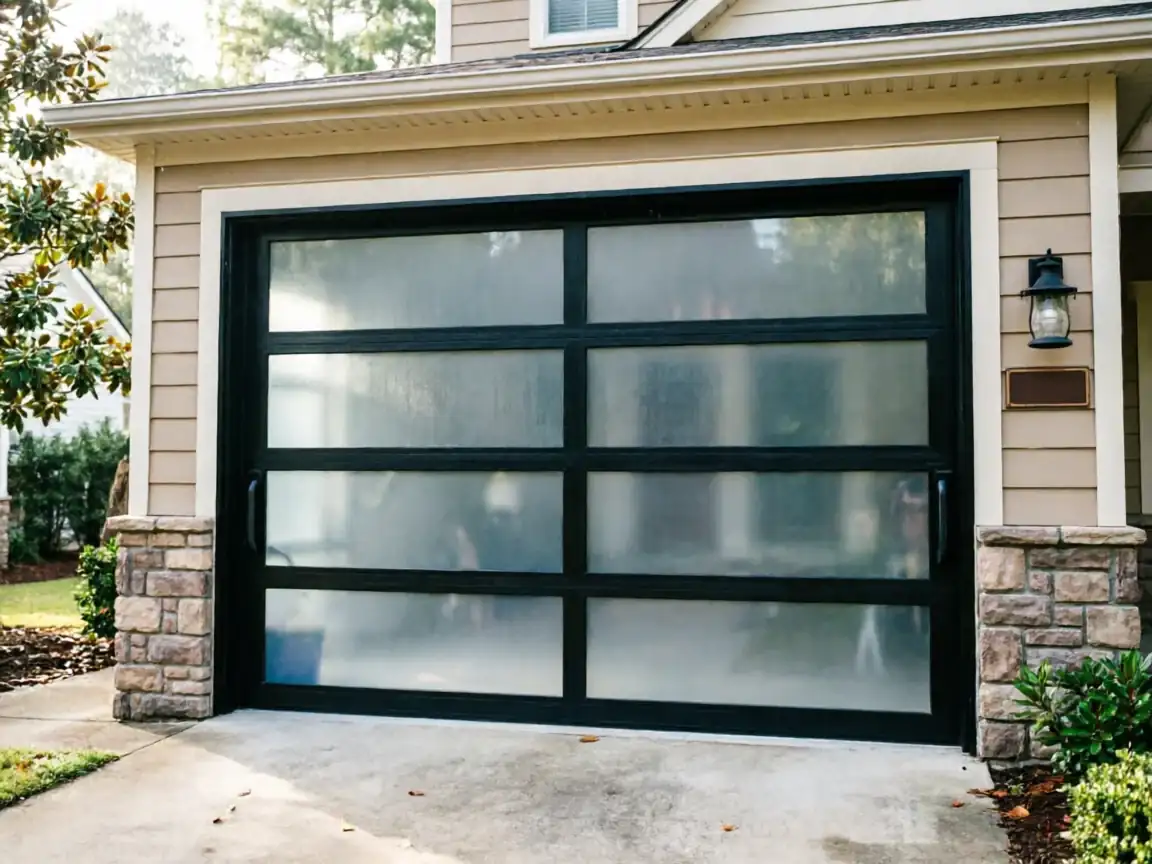
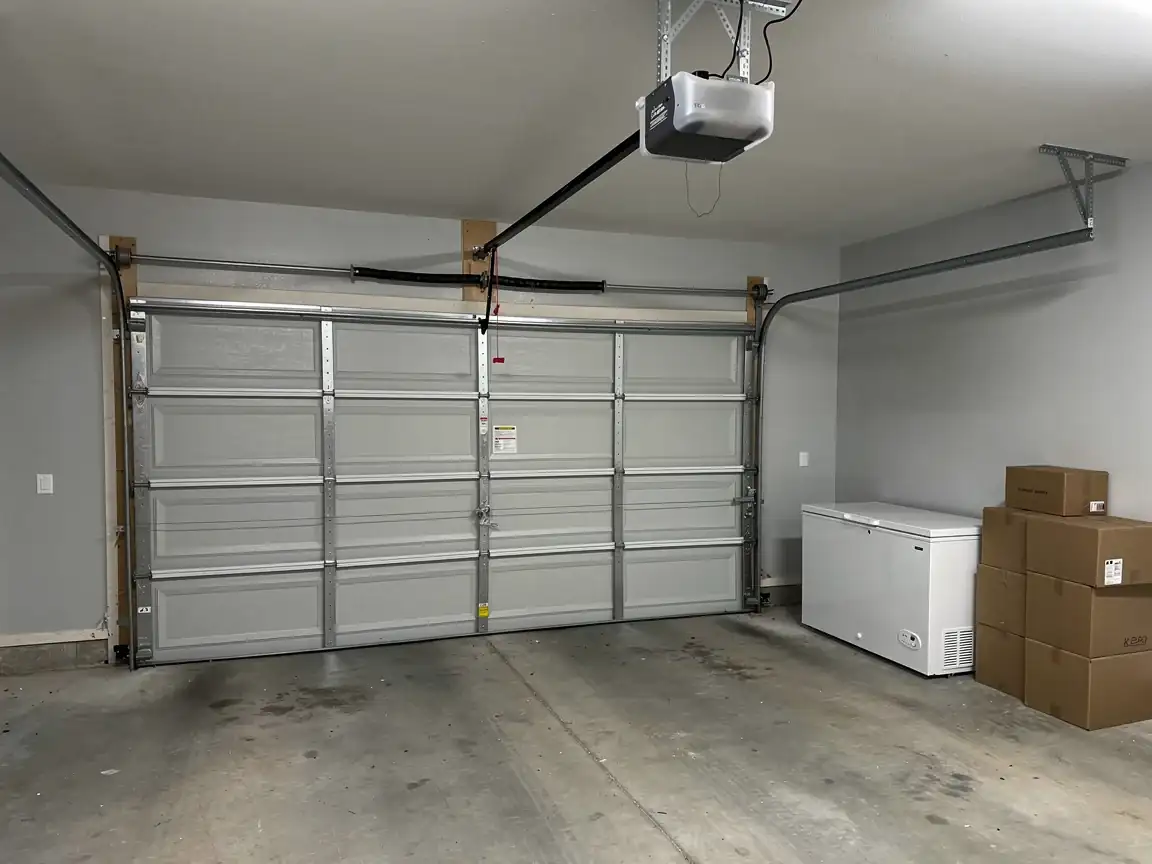
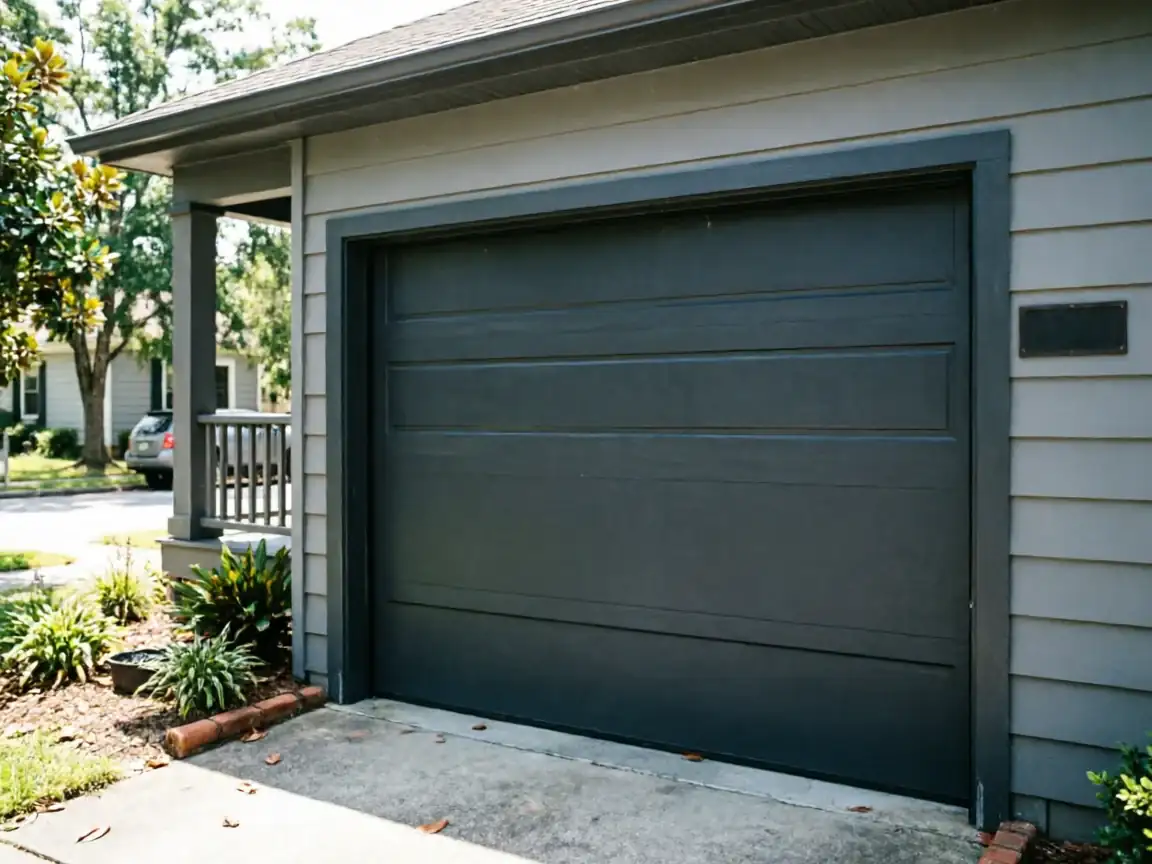
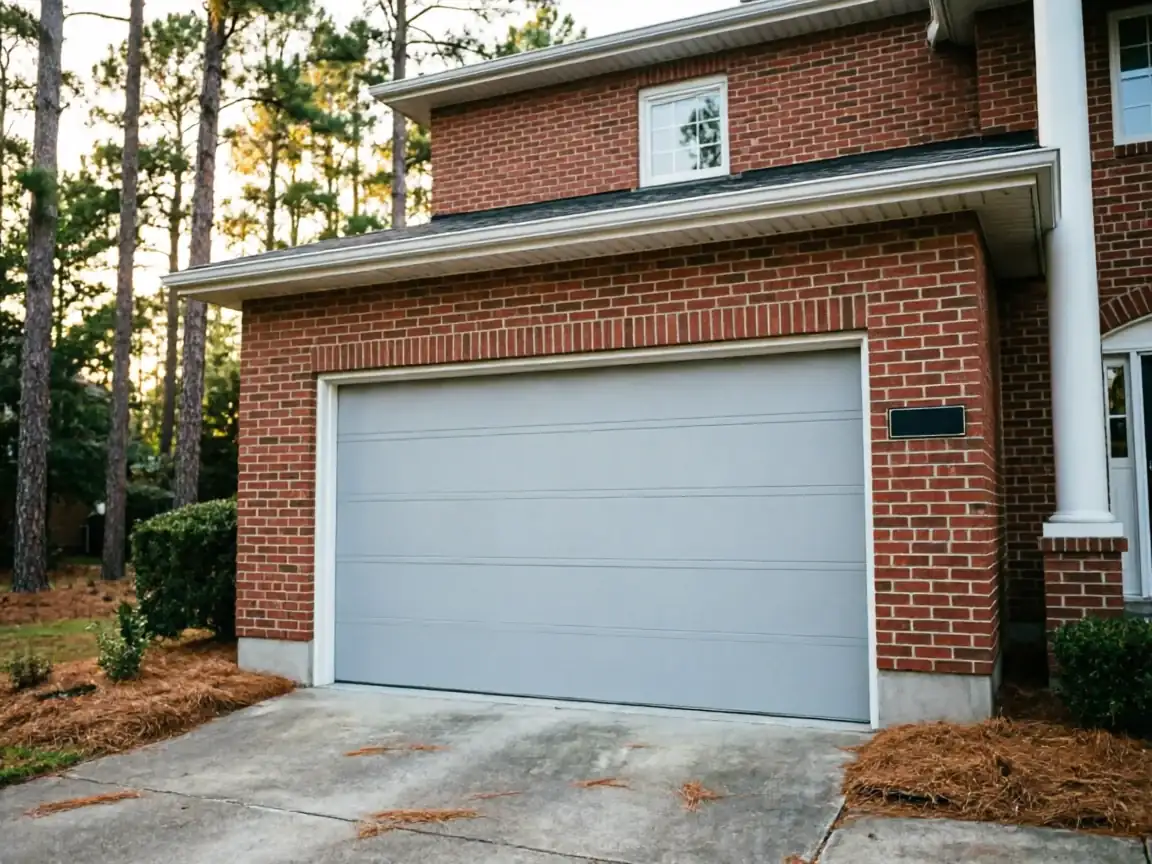
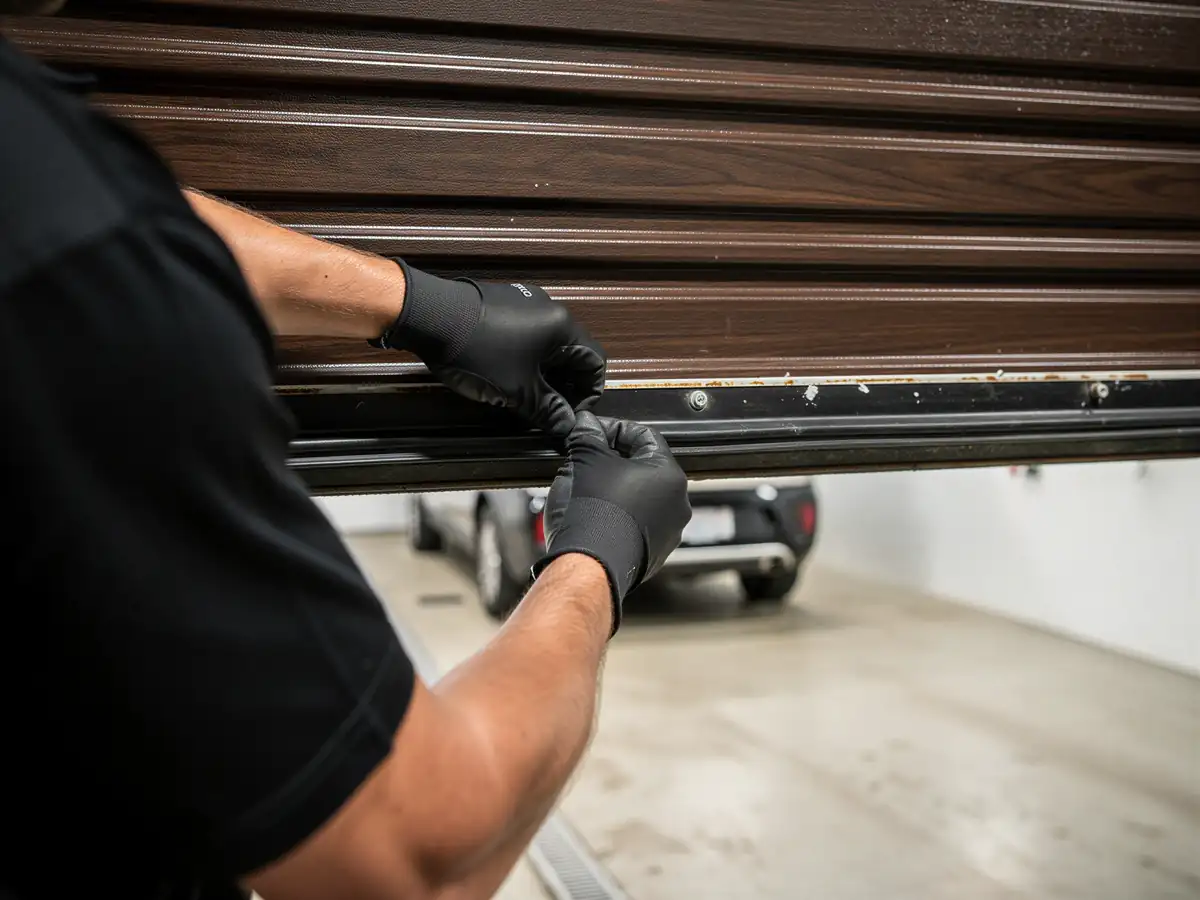
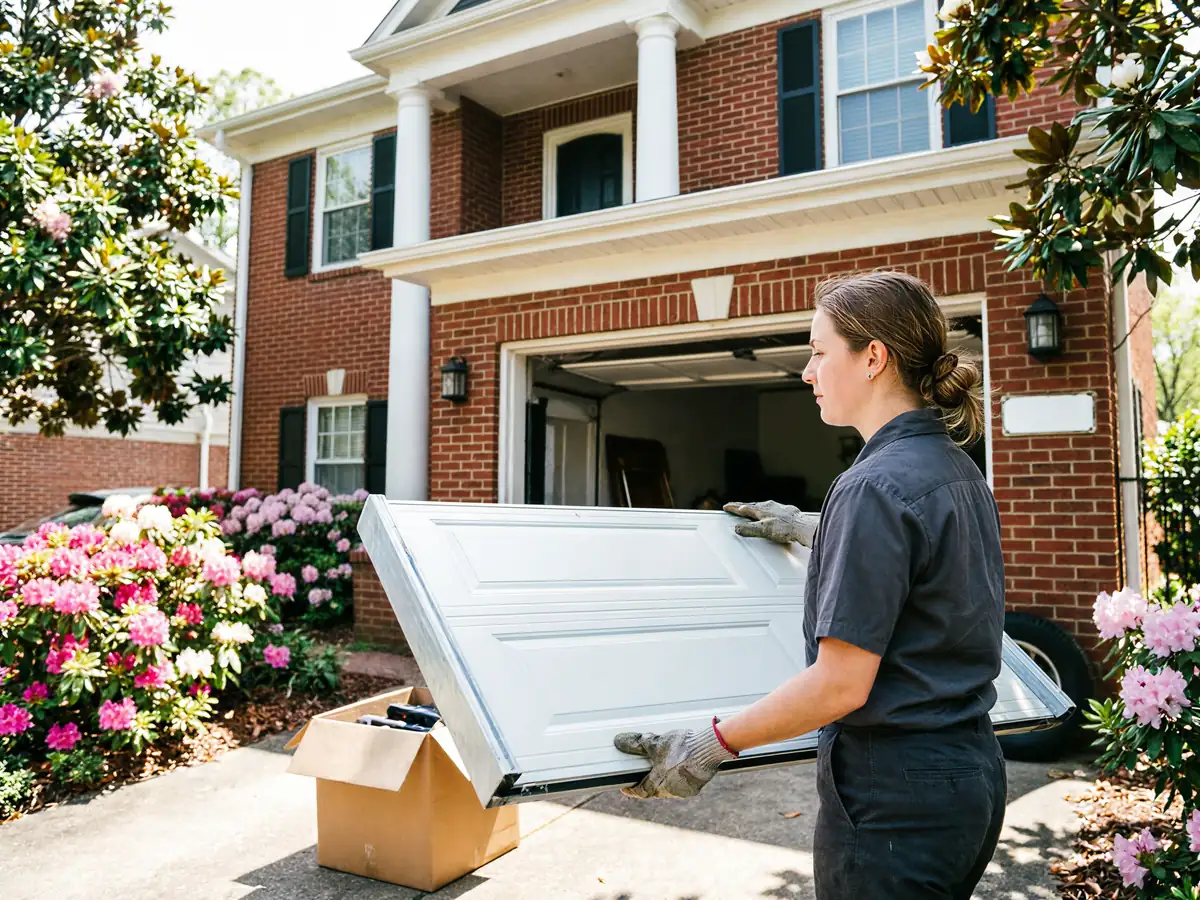
Trinity's housing stock centers on 1988, and a lot of those garage doors still carry their original panels. That's 35-plus years of a steel or aluminum panel taking sun, cold snaps, and the occasional bump from a trailer hitch or a basketball. In a moderate-cold climate band like this one, the freeze-thaw swing each winter works on the seams between panel sections, and old polyurethane or polystyrene backing can separate from the steel skin without ever showing a dent on the outside. You open the door one morning and a panel's bowed inward, or a hinge has pulled loose from metal that's gone brittle. We also see impact damage - a backed-into corner panel - on doors that are otherwise fine, which is the cleanest case for a single-panel swap instead of a full replacement. The honest limit here: if your door is a continuous-panel design from that era, a lot of manufacturers have discontinued the exact panel profile, and matching it close enough to not look patched is sometimes not possible. We'll tell you straight if that's the case before you pay for parts.
Time on the Job
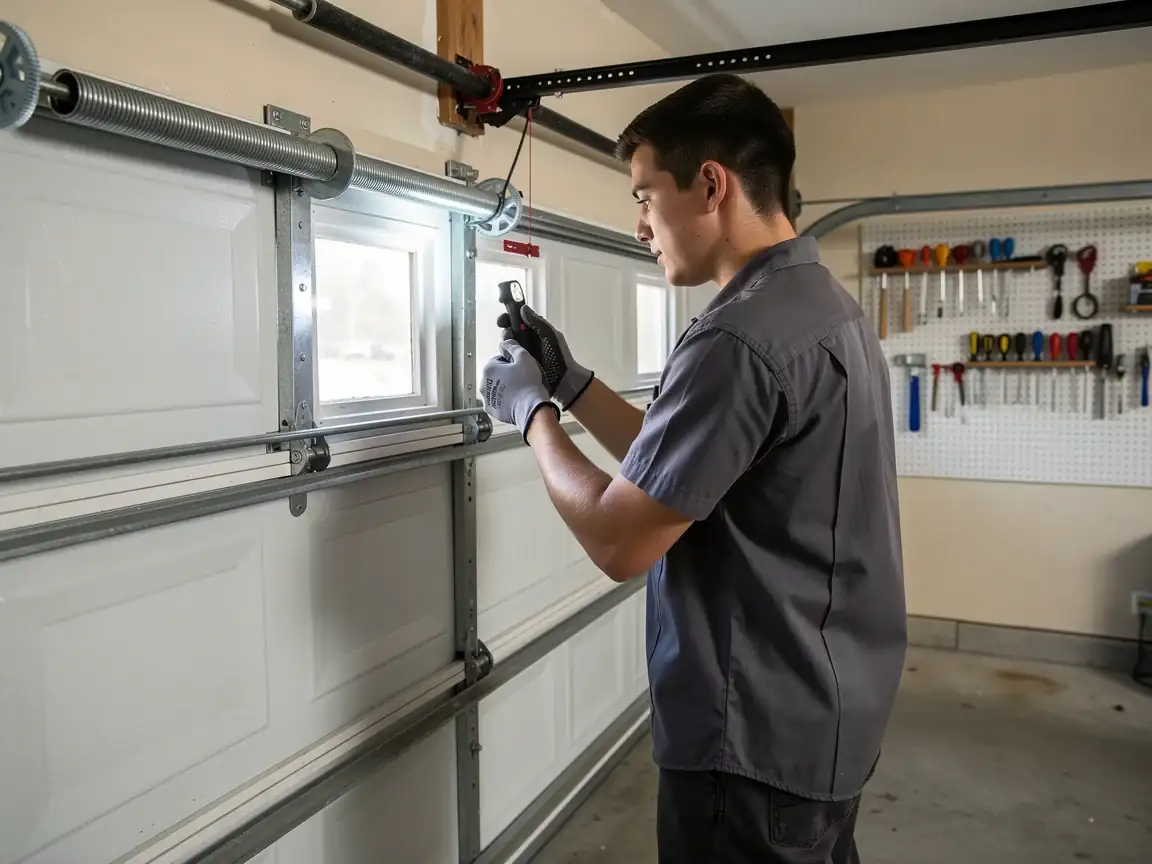
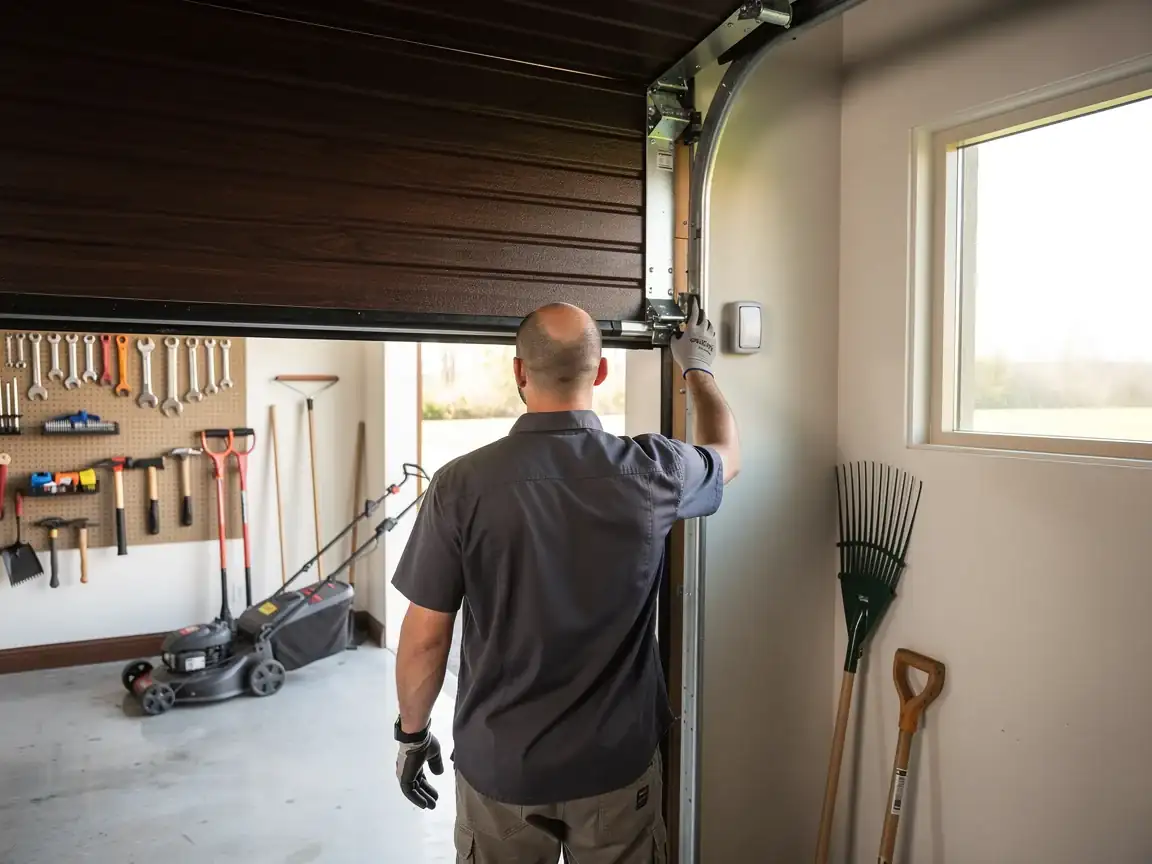
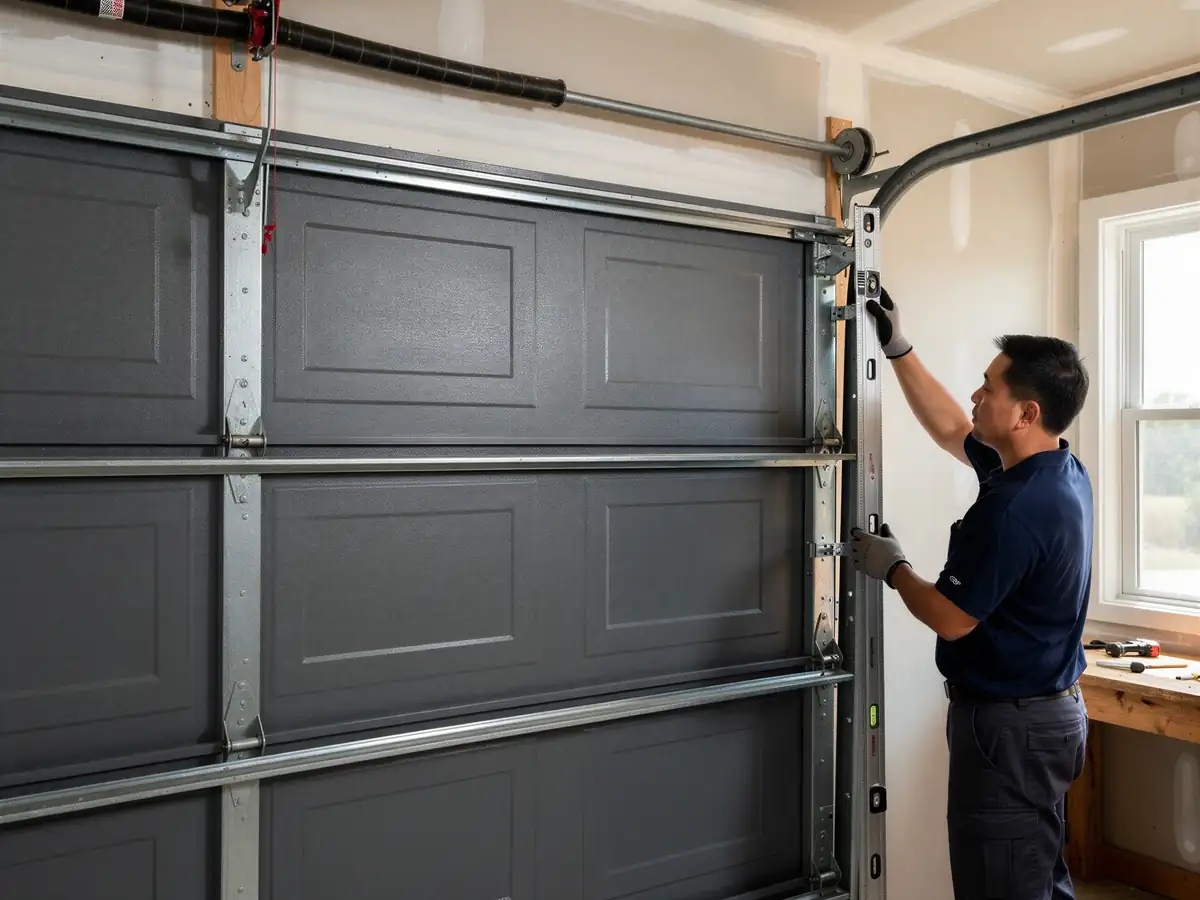
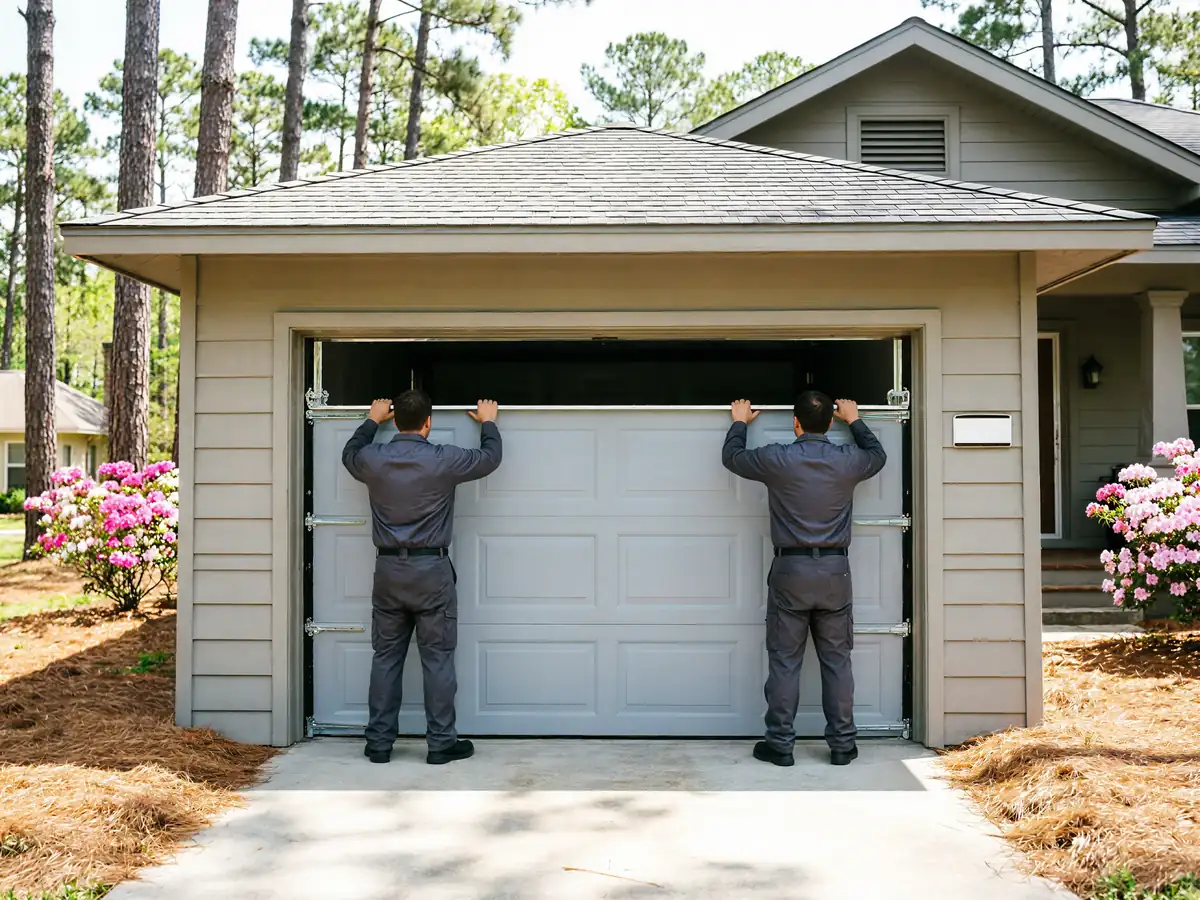
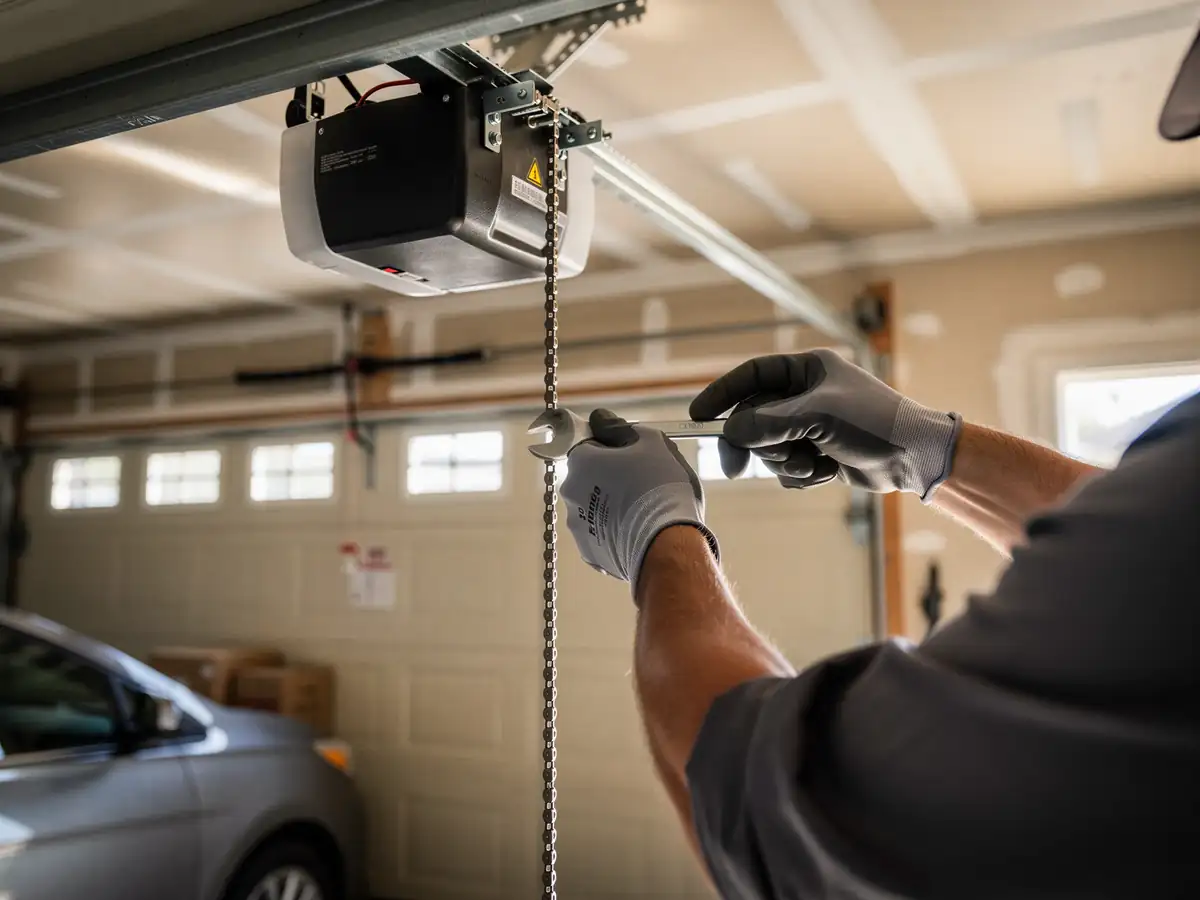
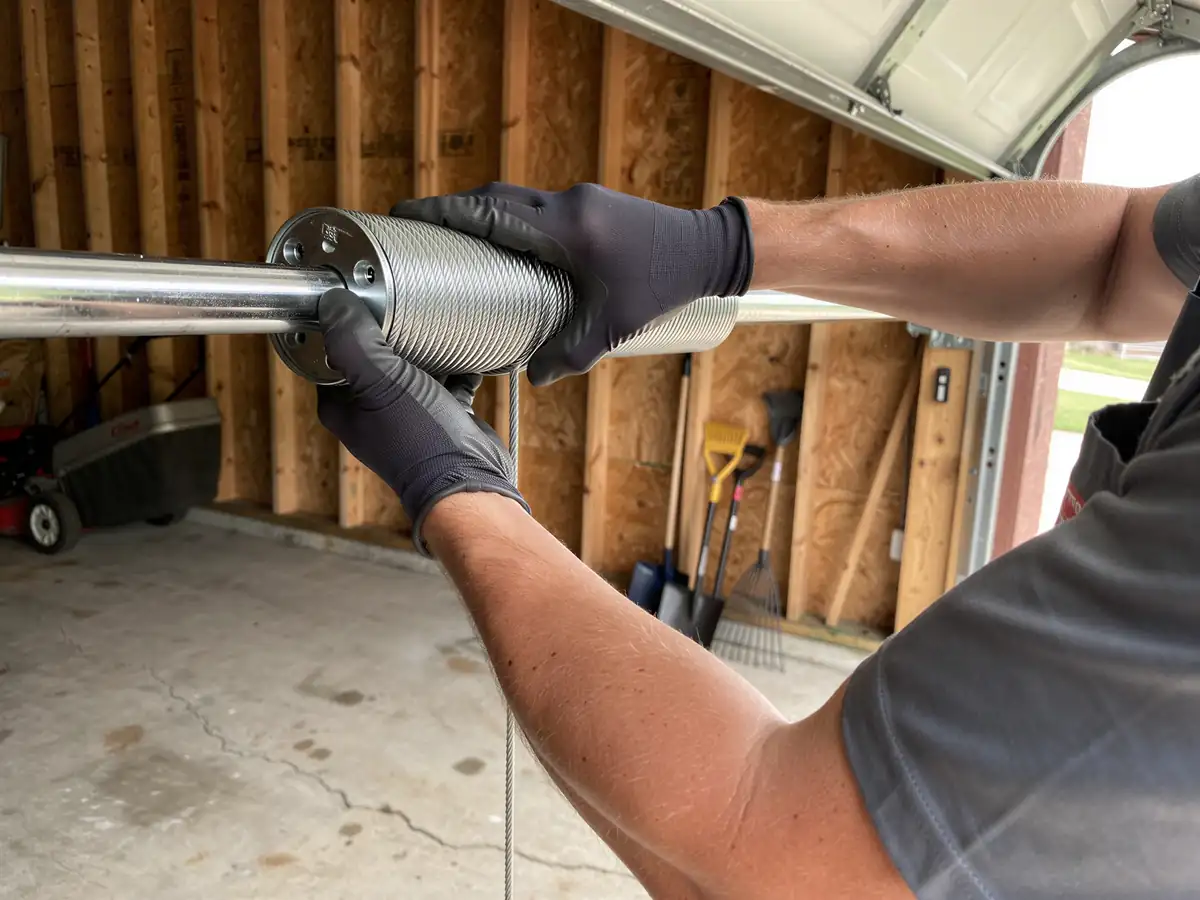
A single-panel replacement on a standard double door, once we're on site with the matching panel in hand, usually runs under two hours - most of that time goes to pulling the fasteners, aligning the new section with the track rollers, and re-tensioning if the spring balance shifted. Multi-panel jobs take longer because each section has to be squared against the next before we move to the one above it. The variable that actually controls your timeline isn't the swap itself - it's sourcing. If your door's panel profile is still in production, we can usually get it ordered and installed inside a week. If it's a discontinued 1988-era profile, lead time runs longer because we're hunting a compatible match rather than pulling a current stock item.
What Can Go Wrong
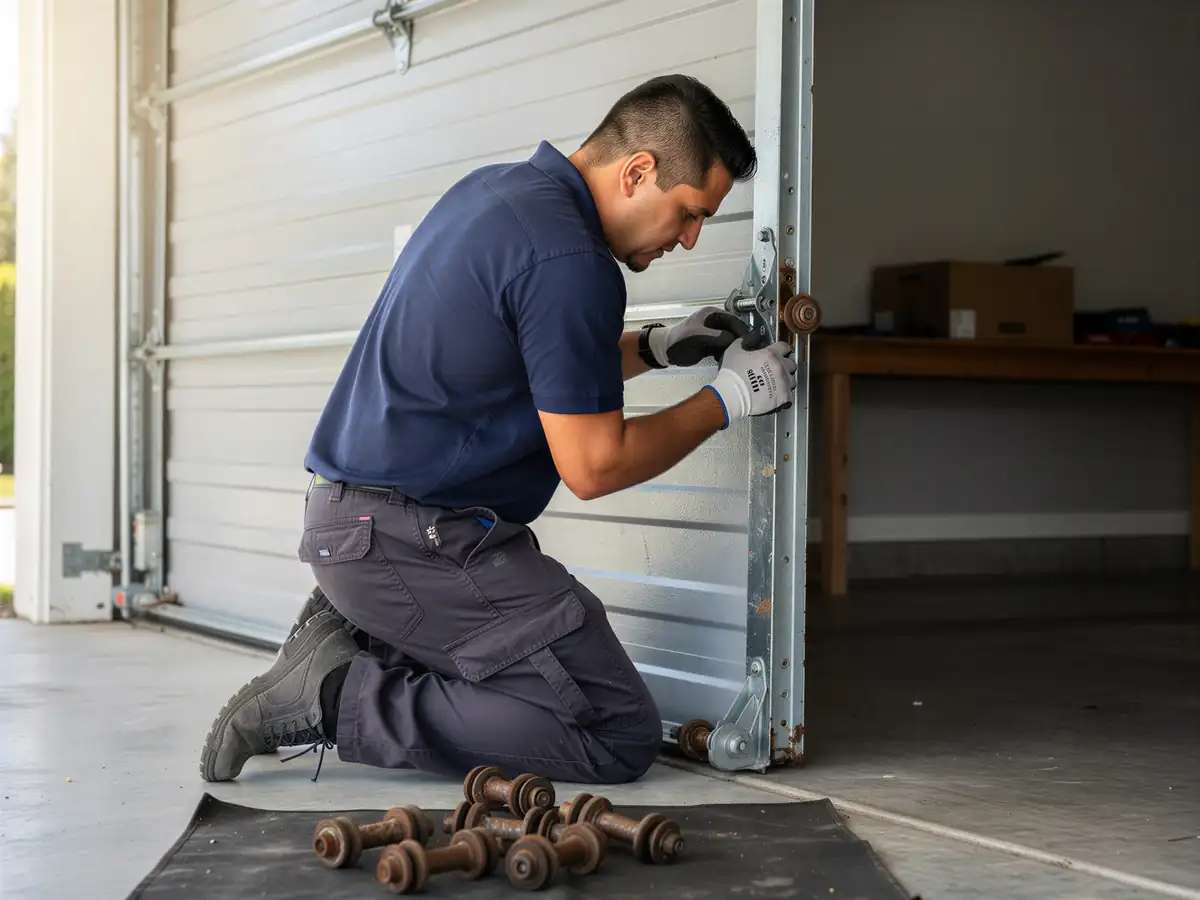
The biggest risk on an older door is panel mismatch - a new section that's a slightly different shade or rib pattern than three decades of sun-faded original panels next to it. We'll show you the actual sample before we order so there are no surprises on install day. Second risk: hardware underneath the damaged panel. On a door built around 1988, the hinges and rollers holding that section often haven't been touched since the house was built, and pulling a panel sometimes reveals a hinge that's cracked or a roller stem that's rusted through - both need replacing at the same time or the new panel won't sit flush. Third: if more than half the door's panels are damaged or faded past matching, we'll tell you that a full door replacement is the better call rather than spending money chasing a patch job that still looks patched.