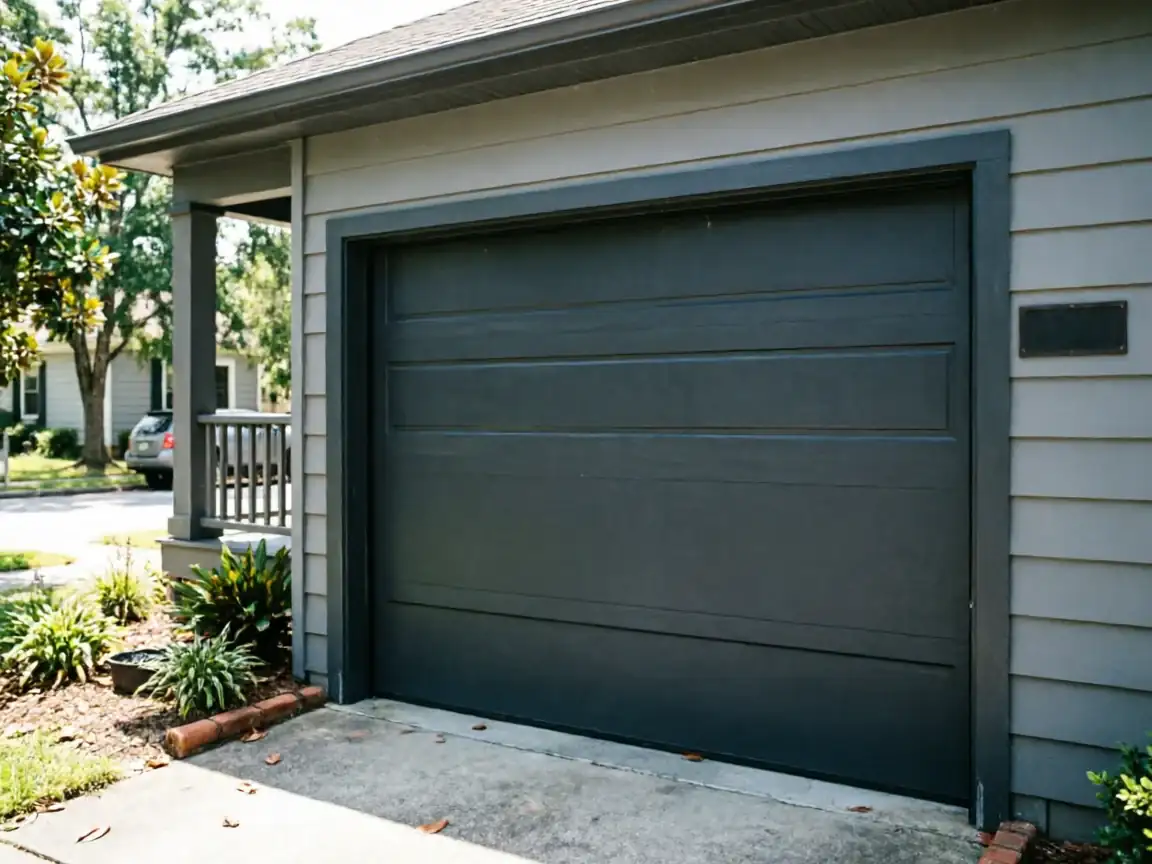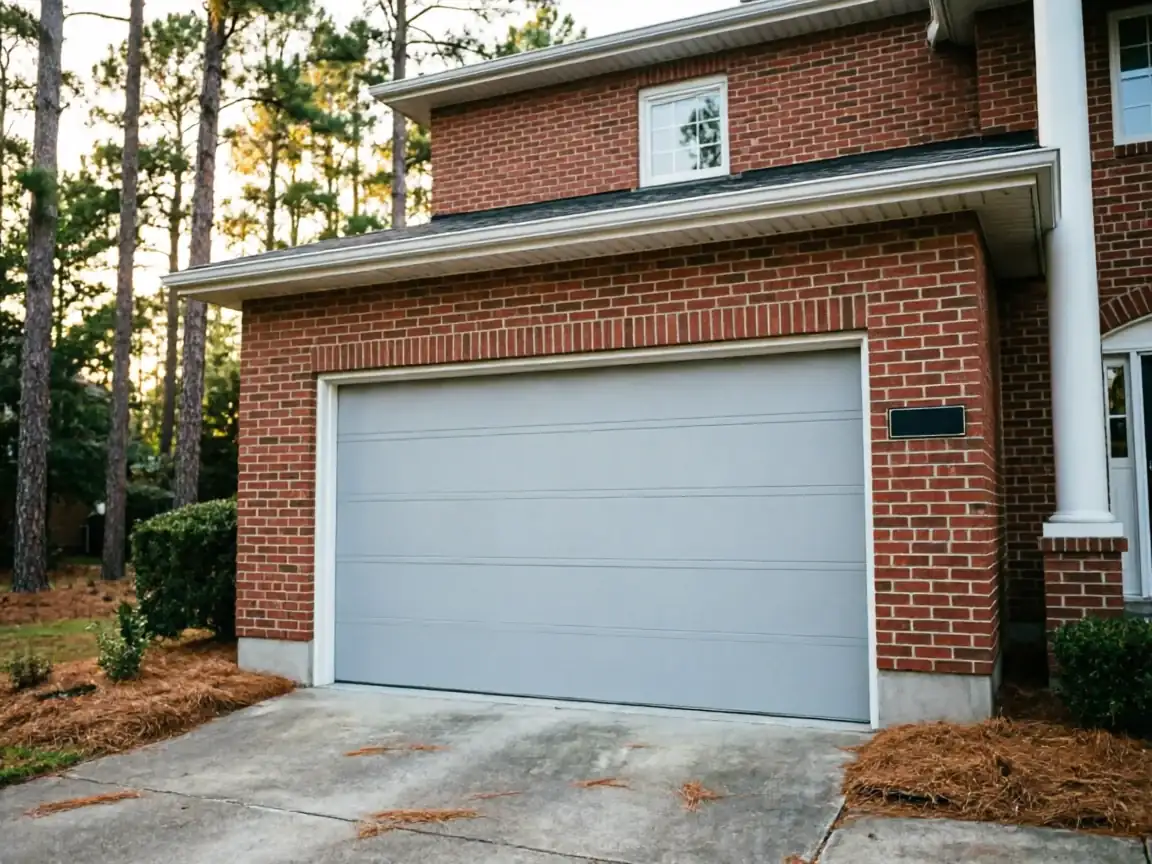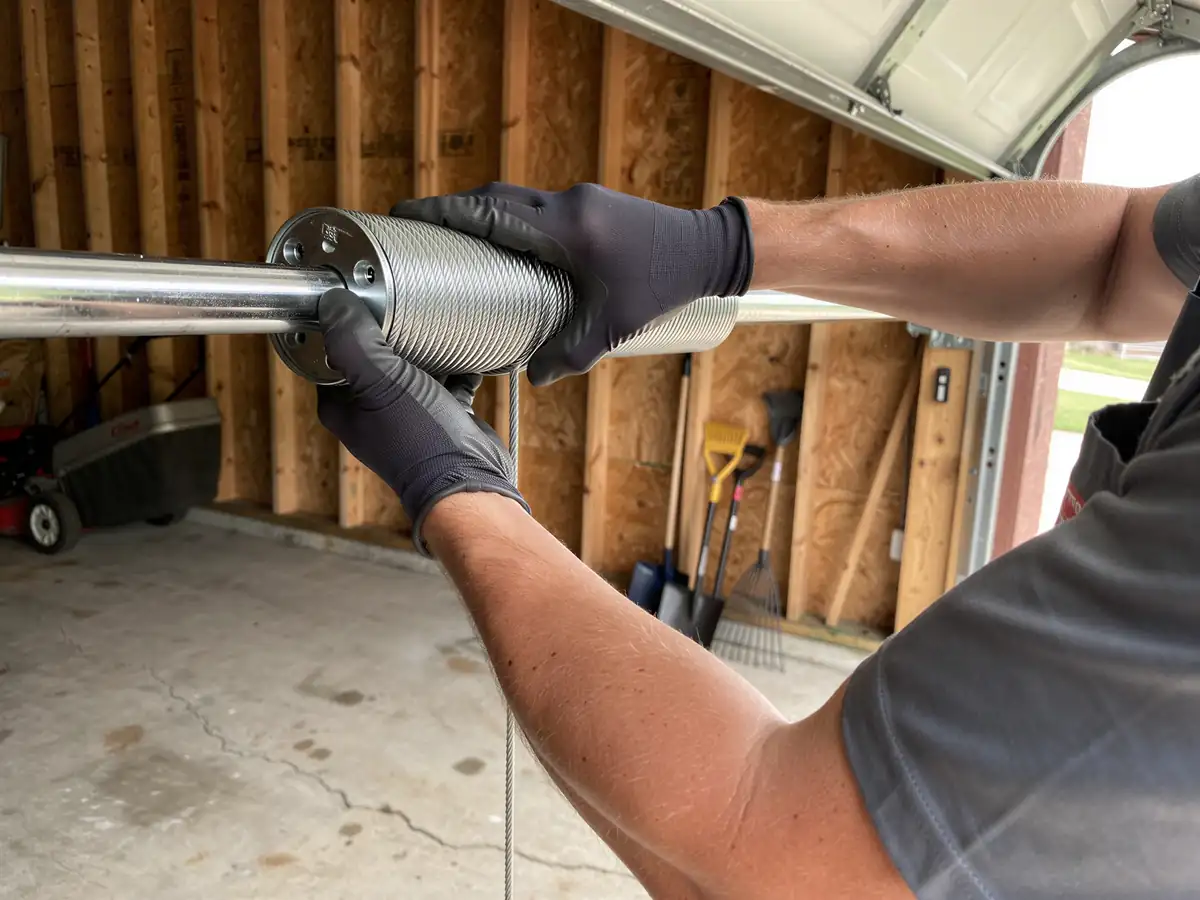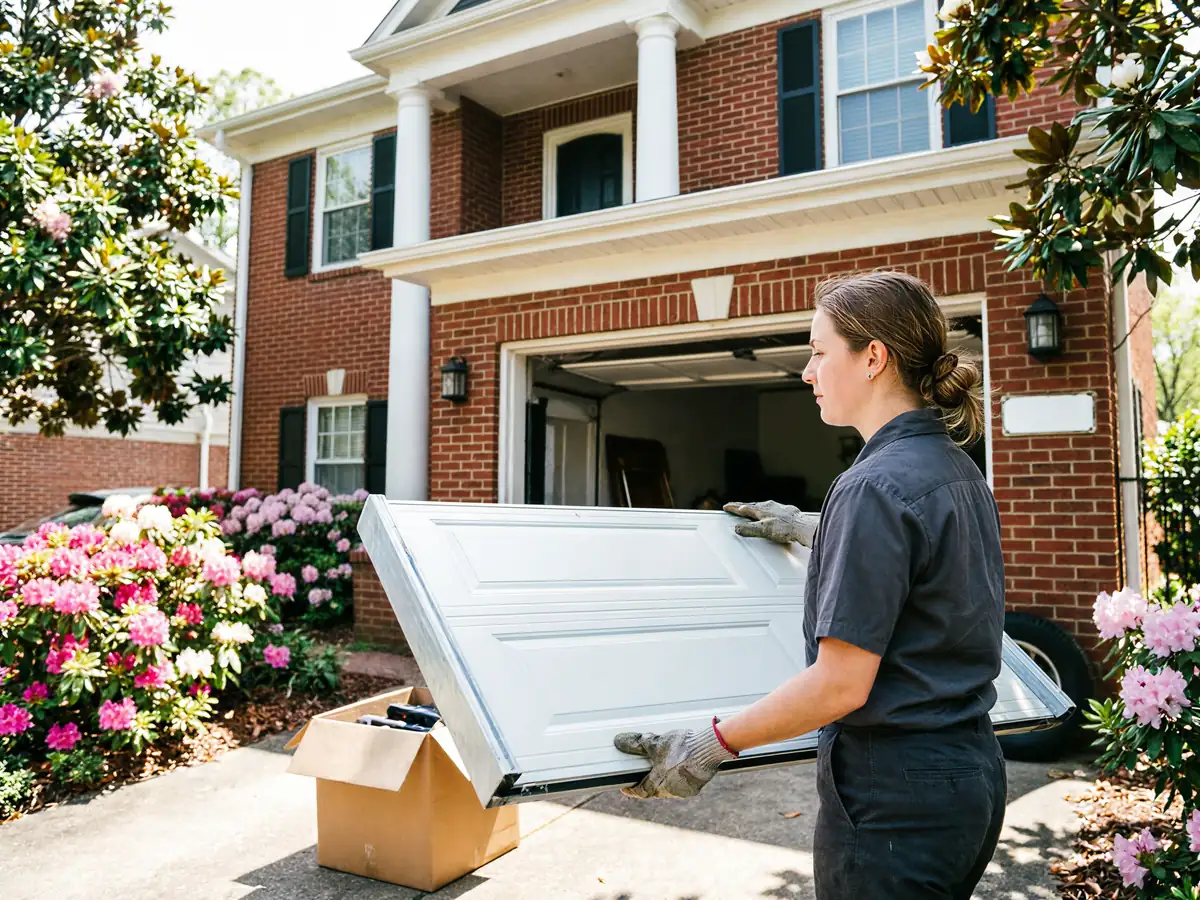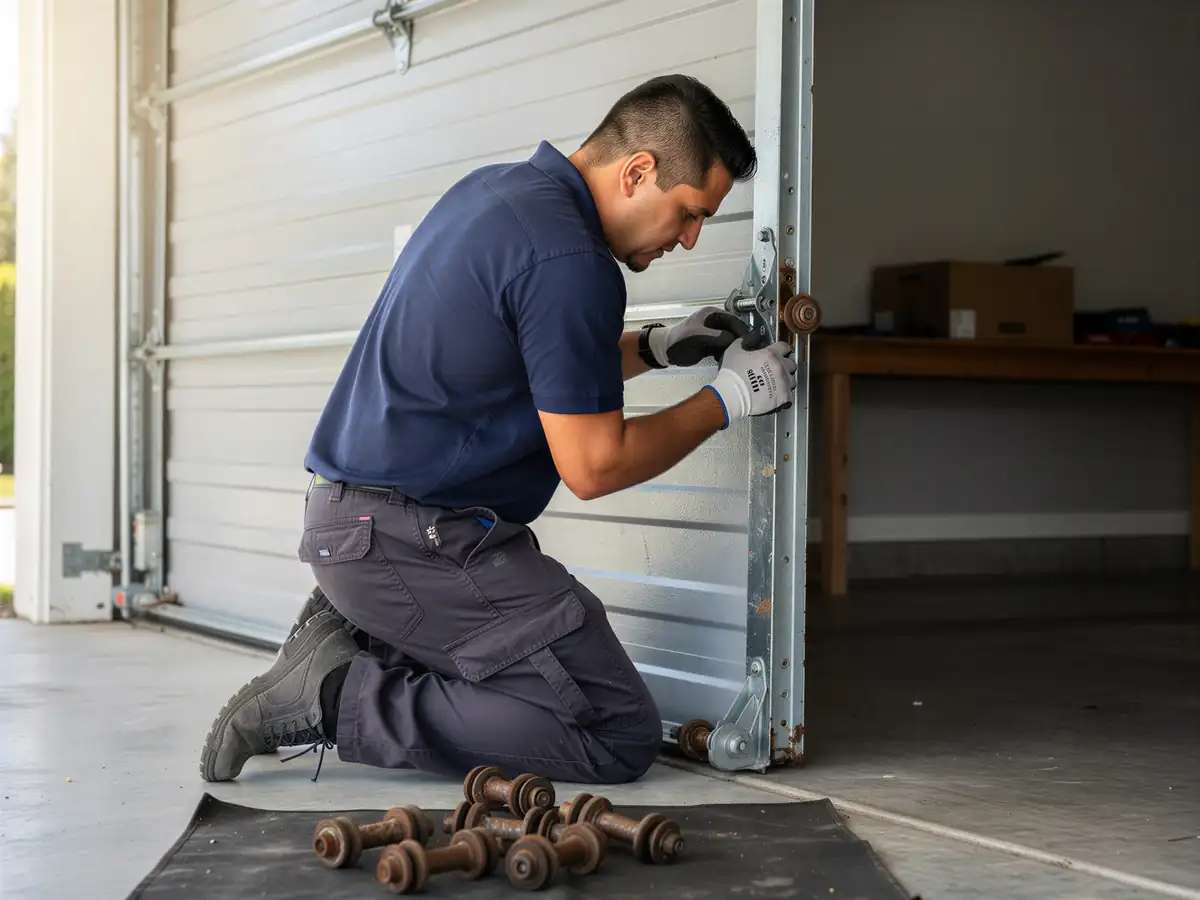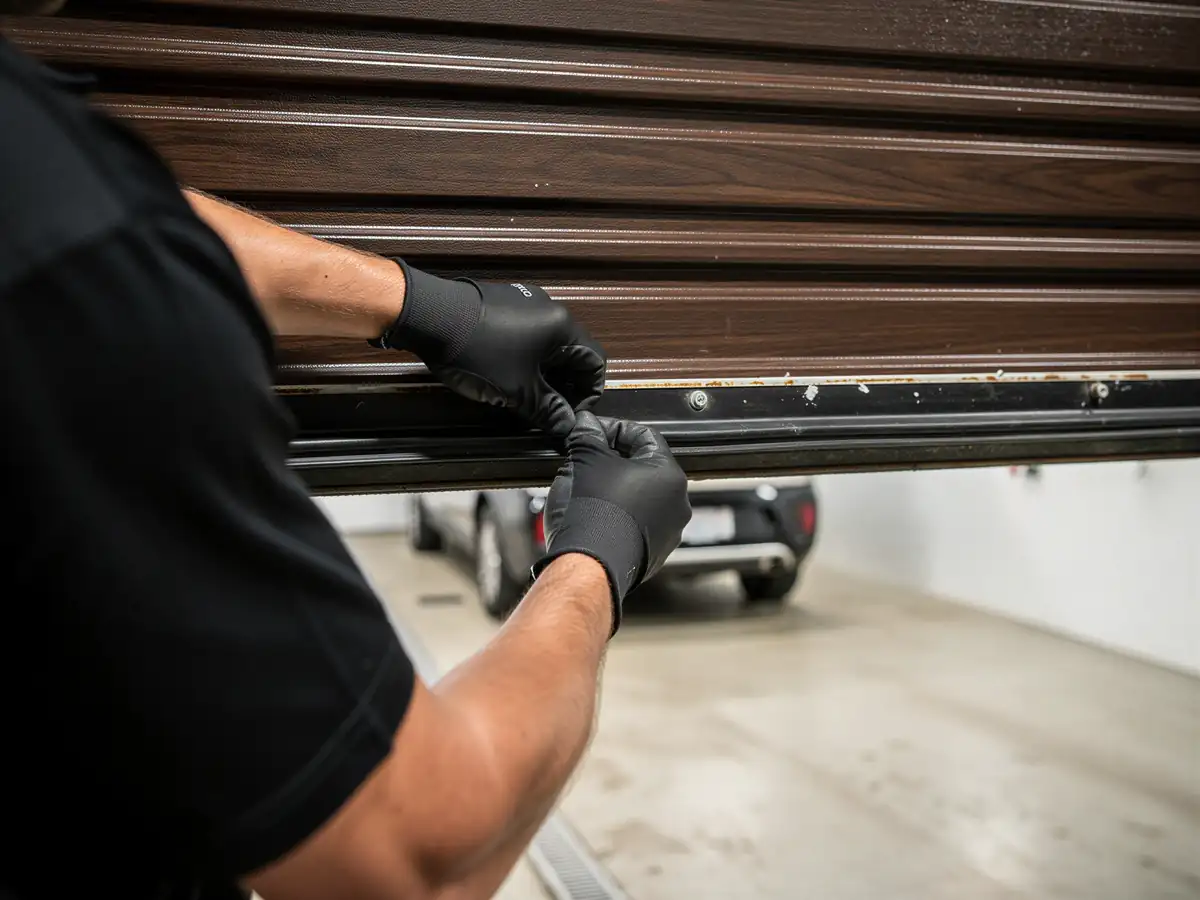
What Causes It Around Here
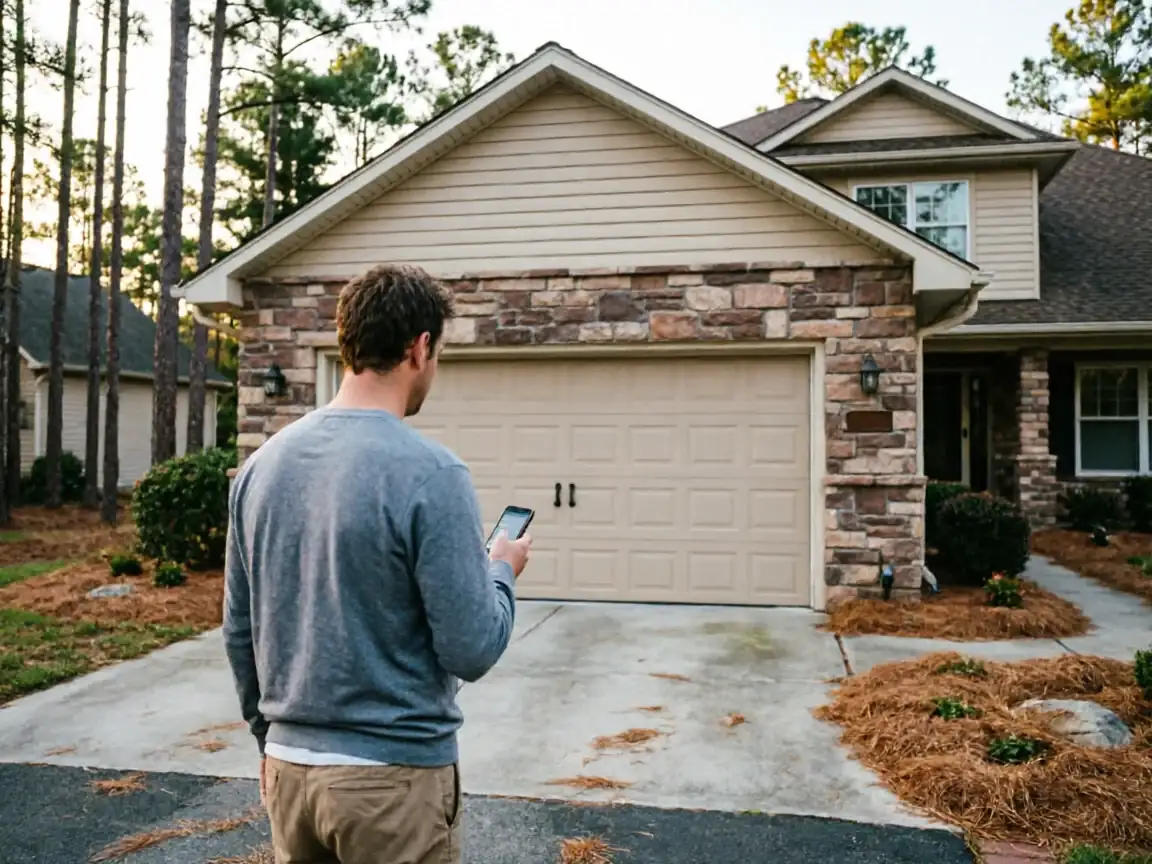
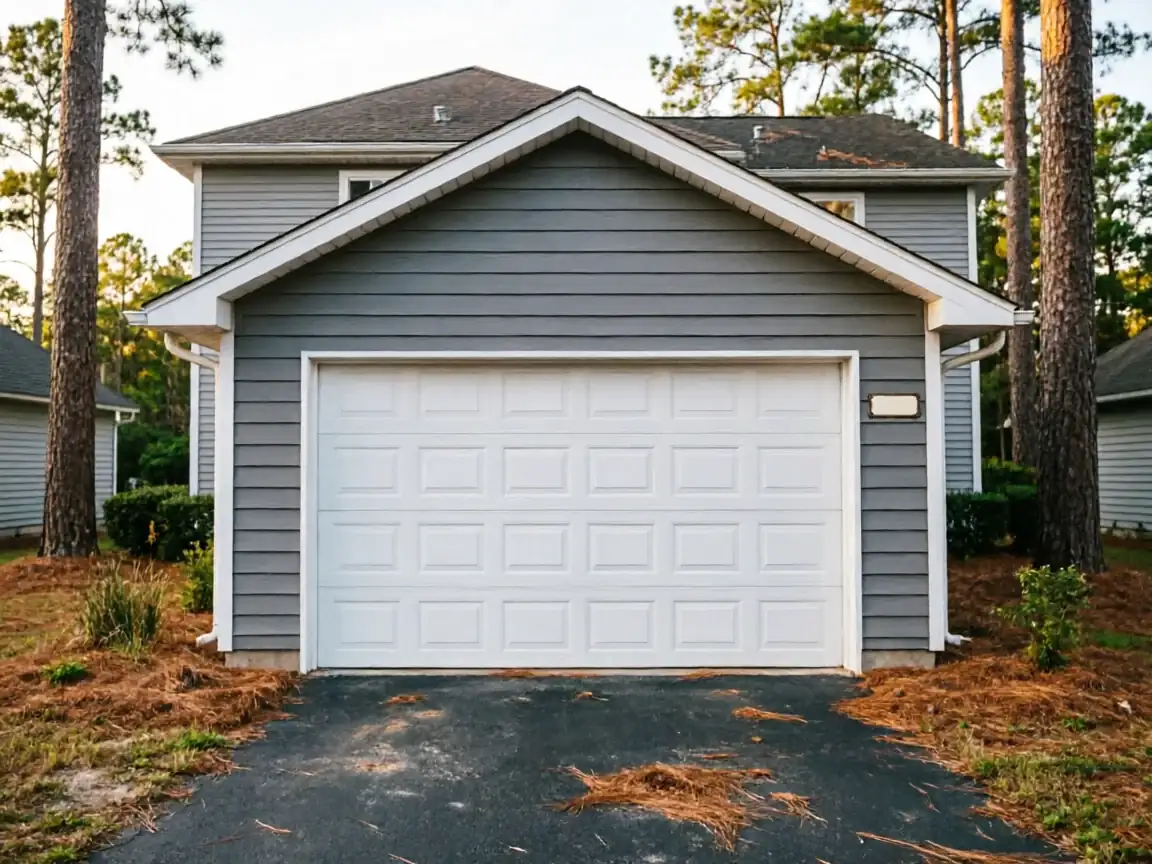
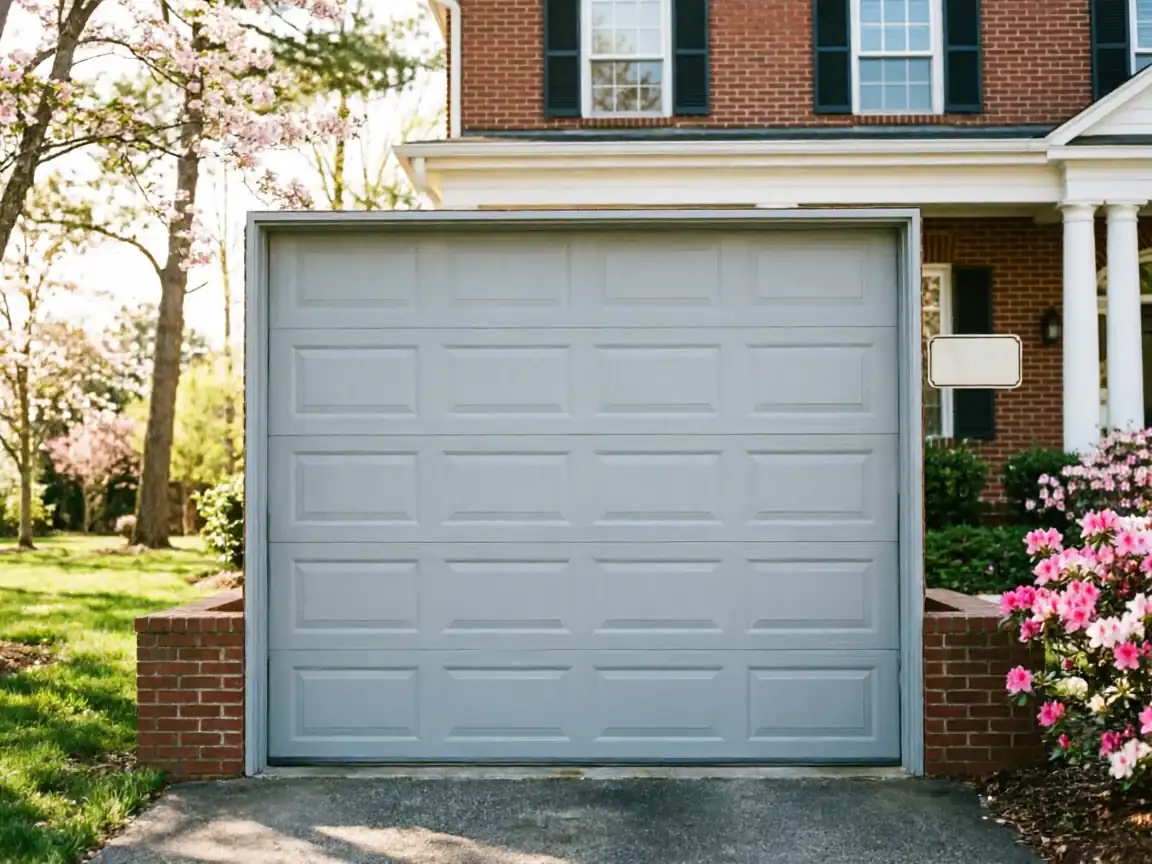
Trinity is small enough that we're not running a dozen installs a week here - with around 944 households, the calls come in steady but not constant, and most of them trace back to the same thing: a door that's original to the house. F1 puts the area's housing stock mostly between 1972 and 2012 with a median build year of 1988, and Trinity tracks that pattern closely. A door put up in the late 1980s has usually outlived its springs twice over and its opener once, and by the time an owner calls about "installation" rather than "repair," the panel itself has usually delaminated or the track has rusted past straightening. The service area overall runs about 11,609 households, so Trinity is a smaller slice of that, and the door sizes and mounting styles from the era are consistent enough that we can usually tell what's behind the wall before we unload the truck. The climate here sits in the cold-moderate band, which isn't the brutal freeze-thaw of the upper Midwest but is enough over three decades to work seals loose and let moisture into untreated wood jambs. None of that is dramatic. It's just what thirty-plus years of ordinary weather does to a door nobody's touched since it went in.
Time on the Job
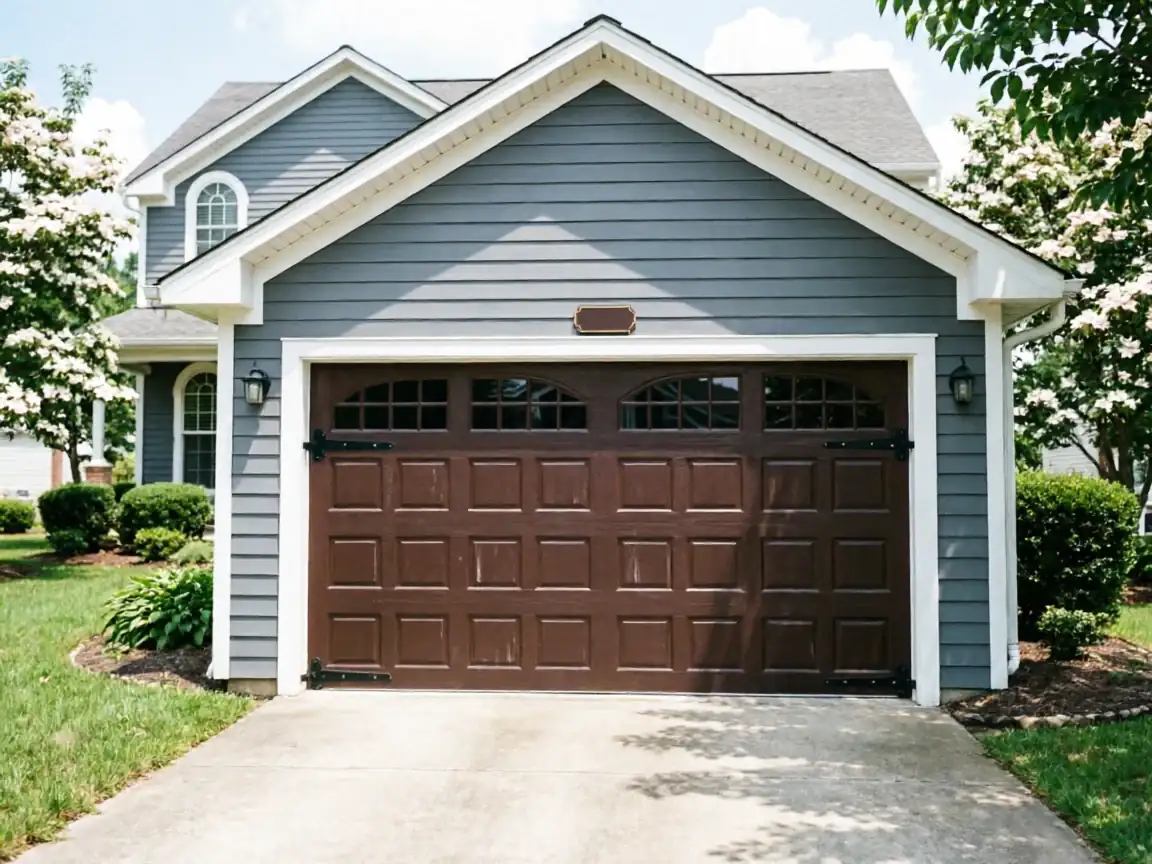
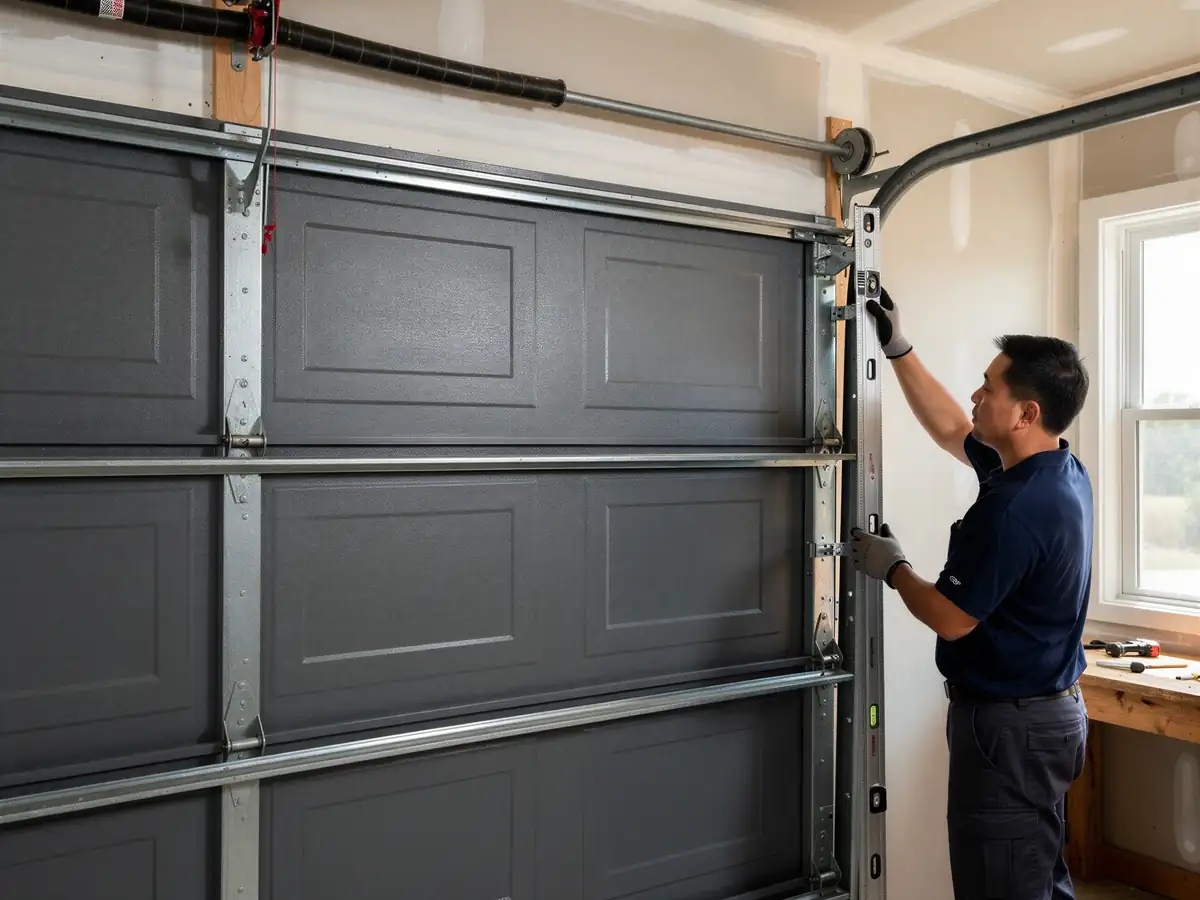
We run this job out of Decatur, and Trinity sits about six miles out, which is close enough that travel isn't the thing that decides your schedule - door availability usually is. A standard-size steel door we stock gets installed the same day we arrive. A custom width, a carriage-style door, or anything with a non-standard insulation package has to be ordered first, and that lead time is outside our control once it leaves the factory. For a straight swap - same opening, no reframing - plan on it being a half-day job from first measurement to final adjustment. If the opening needs squaring up because the house has settled since 1988, add time for that carpentry before the door itself ever goes on. We'd rather tell you it might run longer than promise a timeline we can't back up on an older house we haven't seen yet.
What Can Go Wrong
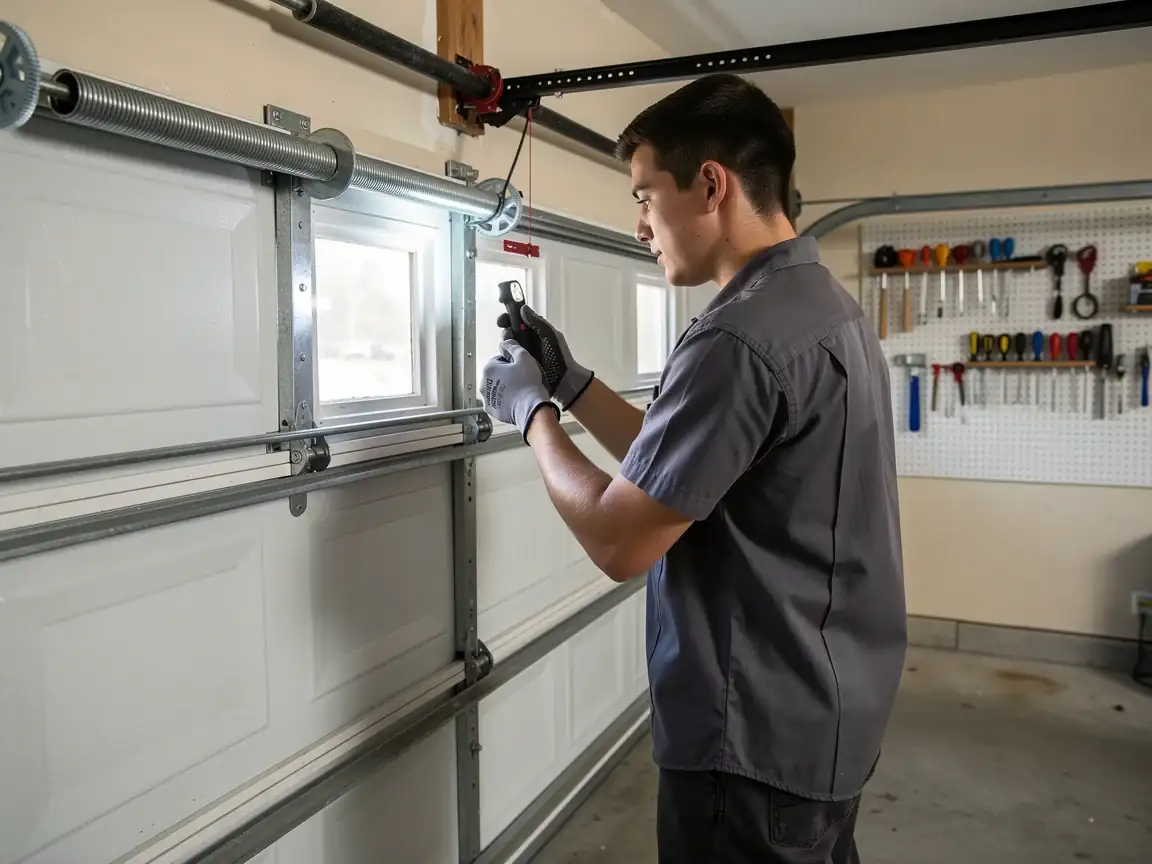
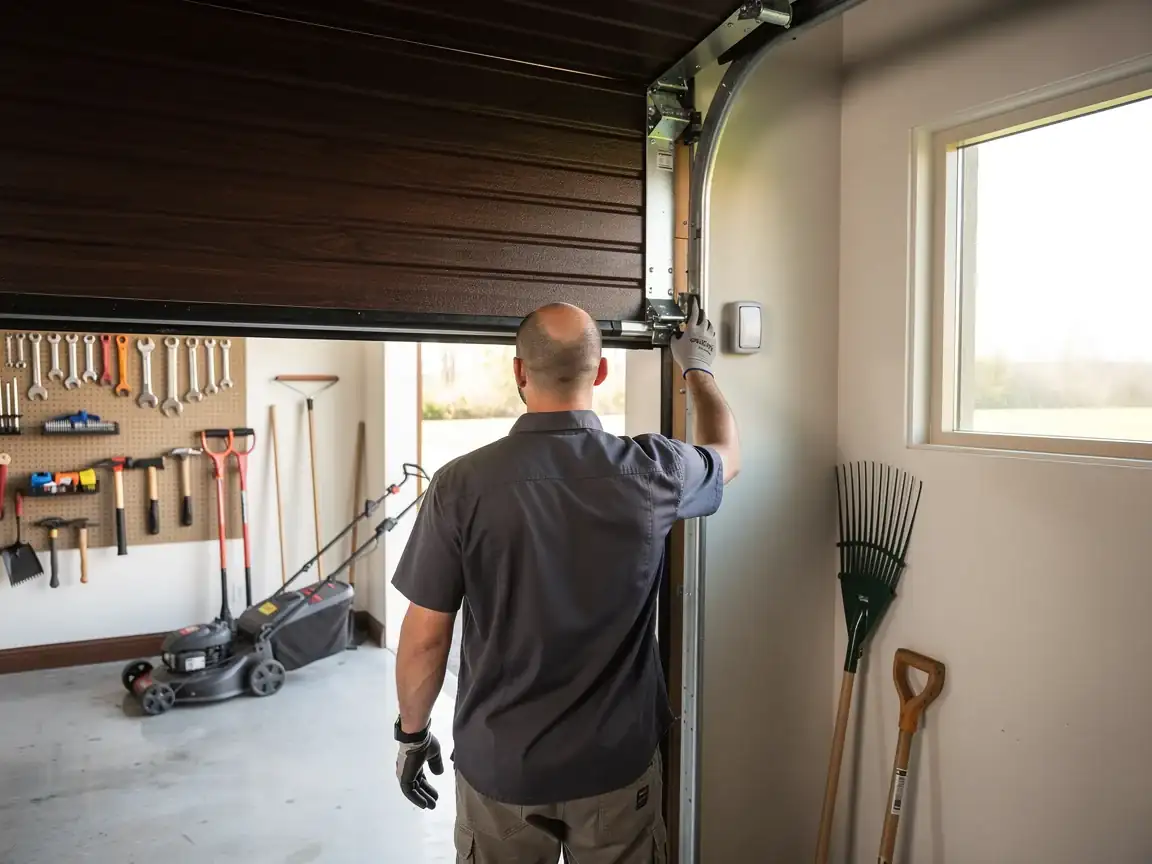
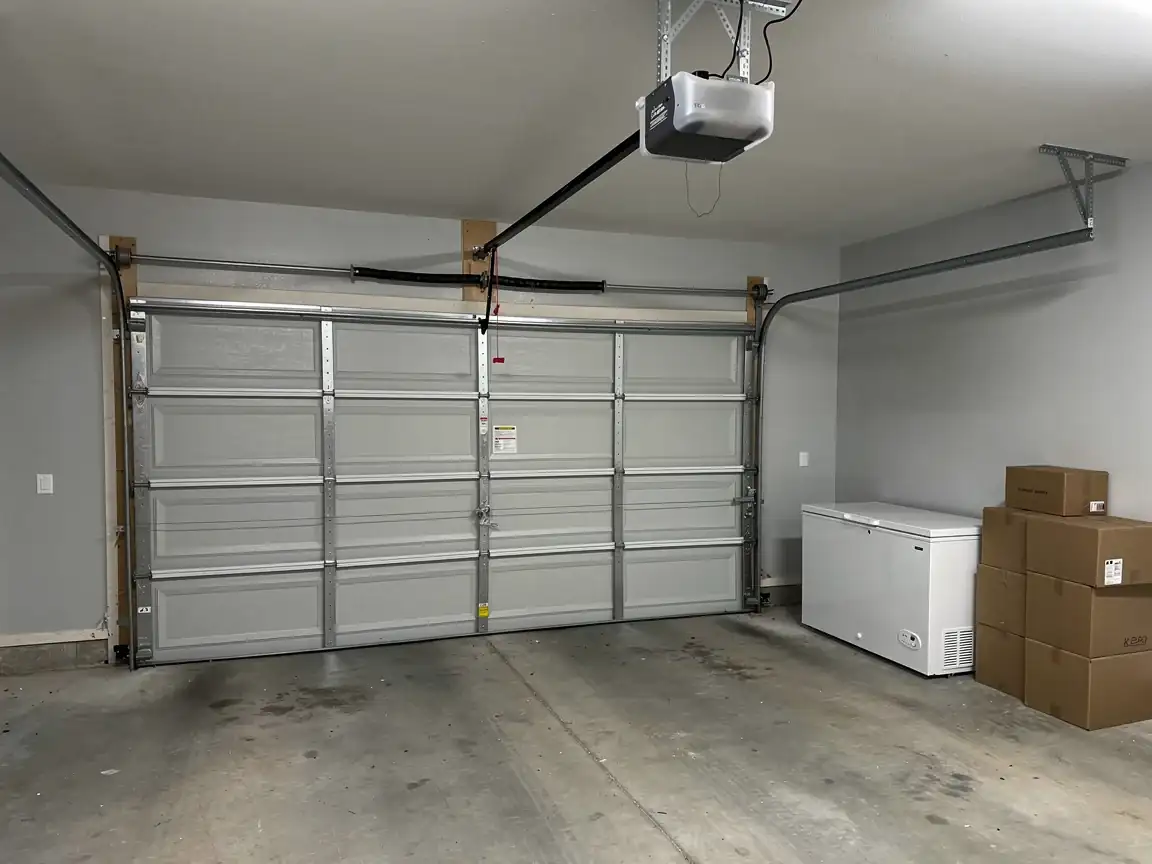
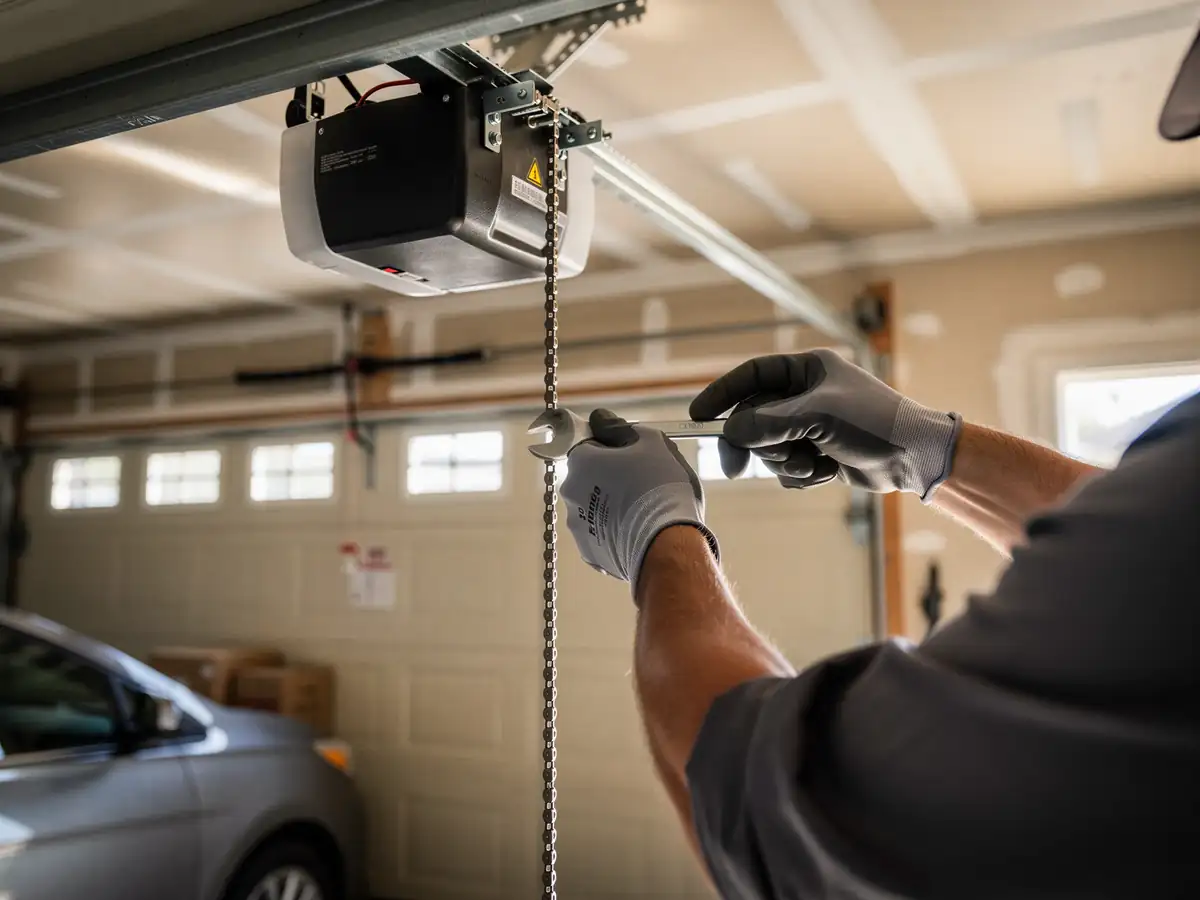
The most common surprise on a Trinity install isn't the door - it's what's holding the old one. Houses from the 1988 median build year often have the original wood jamb, and after years in a cold-moderate climate with seasonal moisture, that wood can be soft enough that new hardware won't bite into it the way it should. We check for that before we hang anything, because a new door on a weak jamb will sag or pull loose within a season. The other thing we watch for is opener mismatch: if you're keeping your existing opener and installing a heavier insulated door, the old motor may not be rated for the added weight, and that's a conversation we have before install day, not after. We won't bolt a heavy door to a light-duty opener and call it done - that's the one shortcut we don't take, even if it means the job takes longer or costs a bit more than expected. On the simpler end, a straightforward steel door on sound framing rarely surprises us at all.