What Causes It Around Here
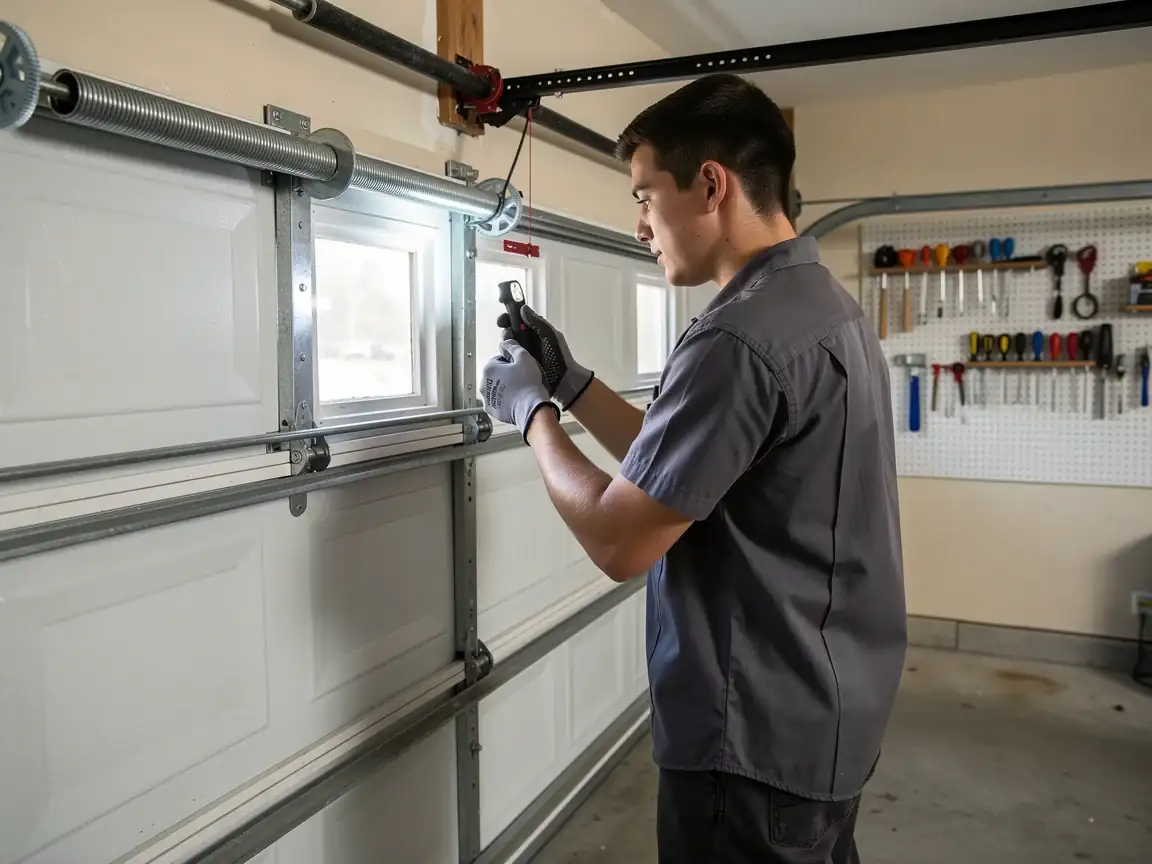
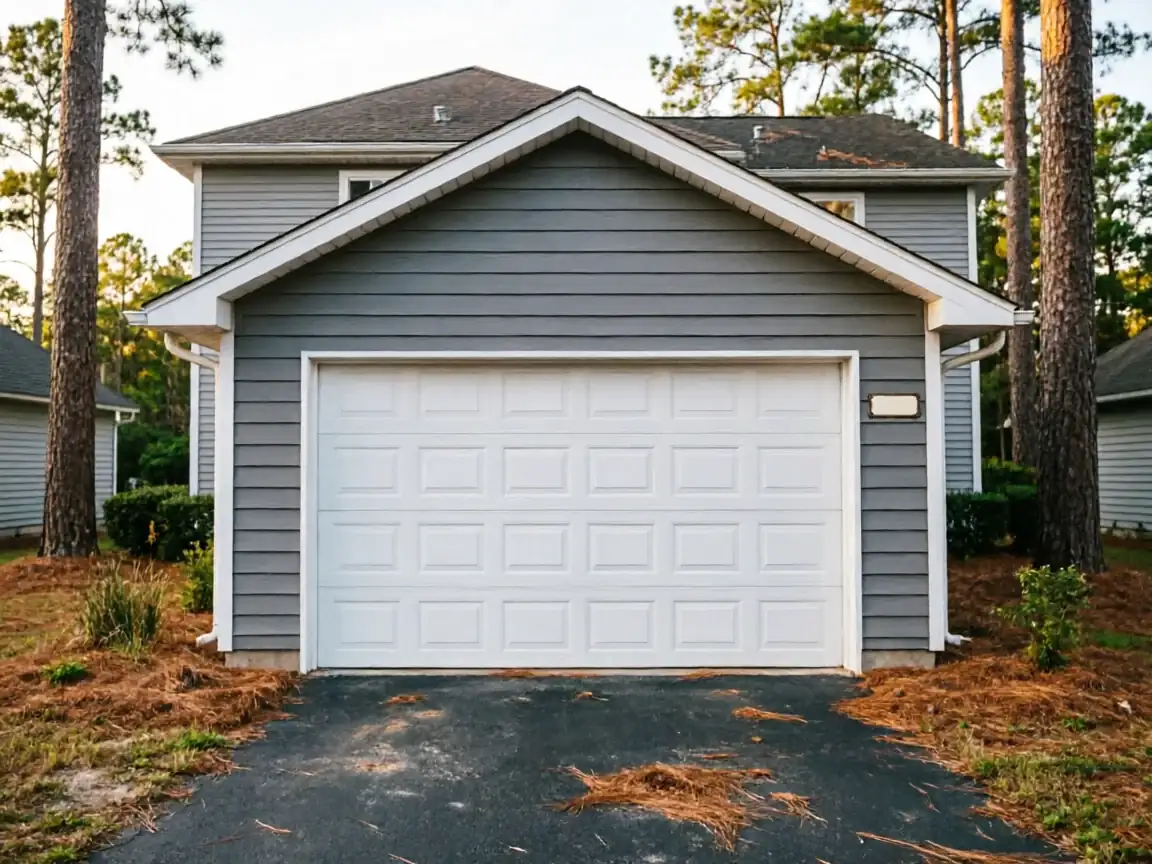
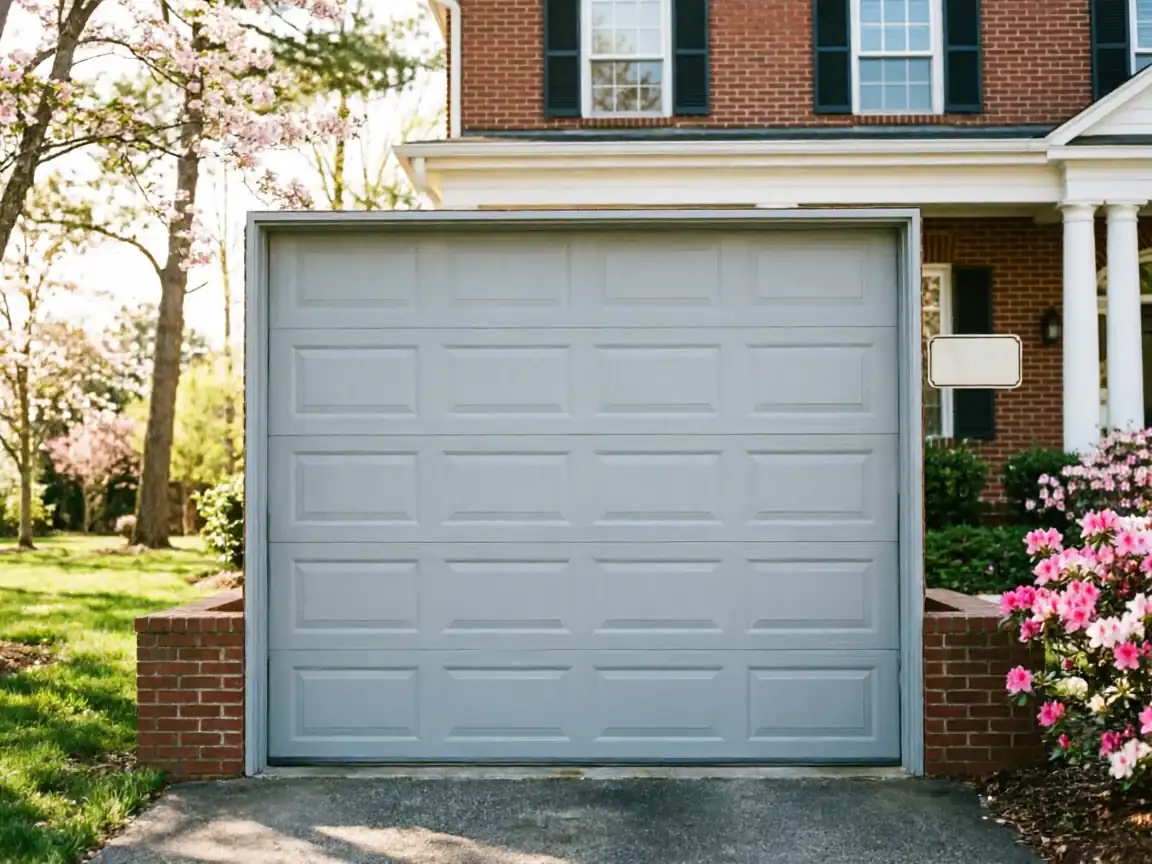
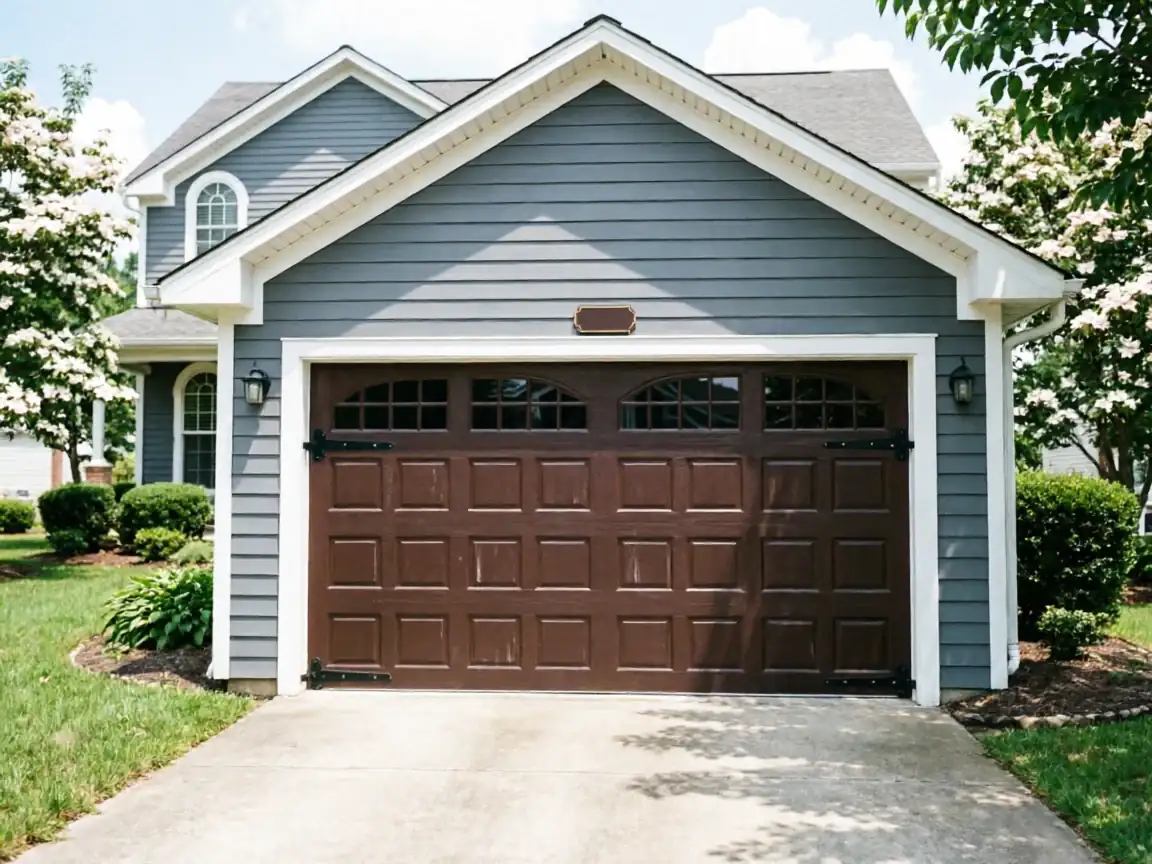
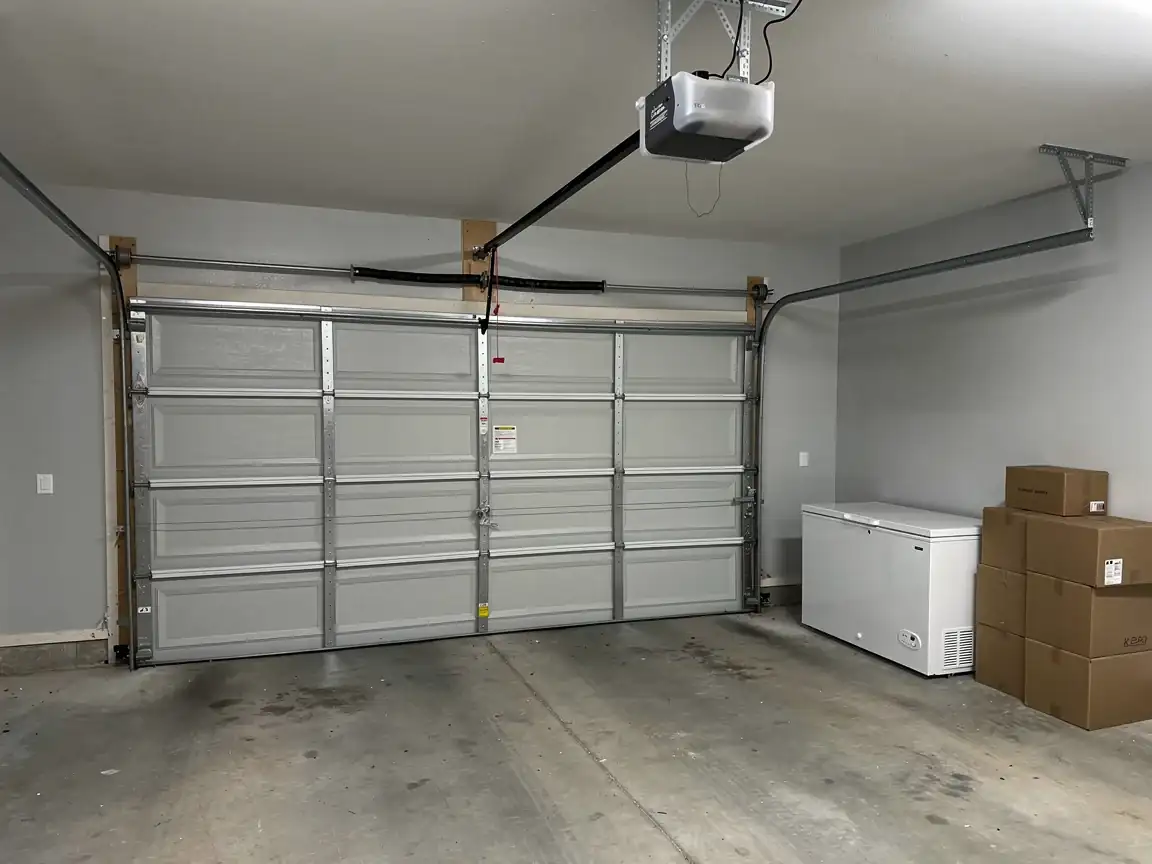
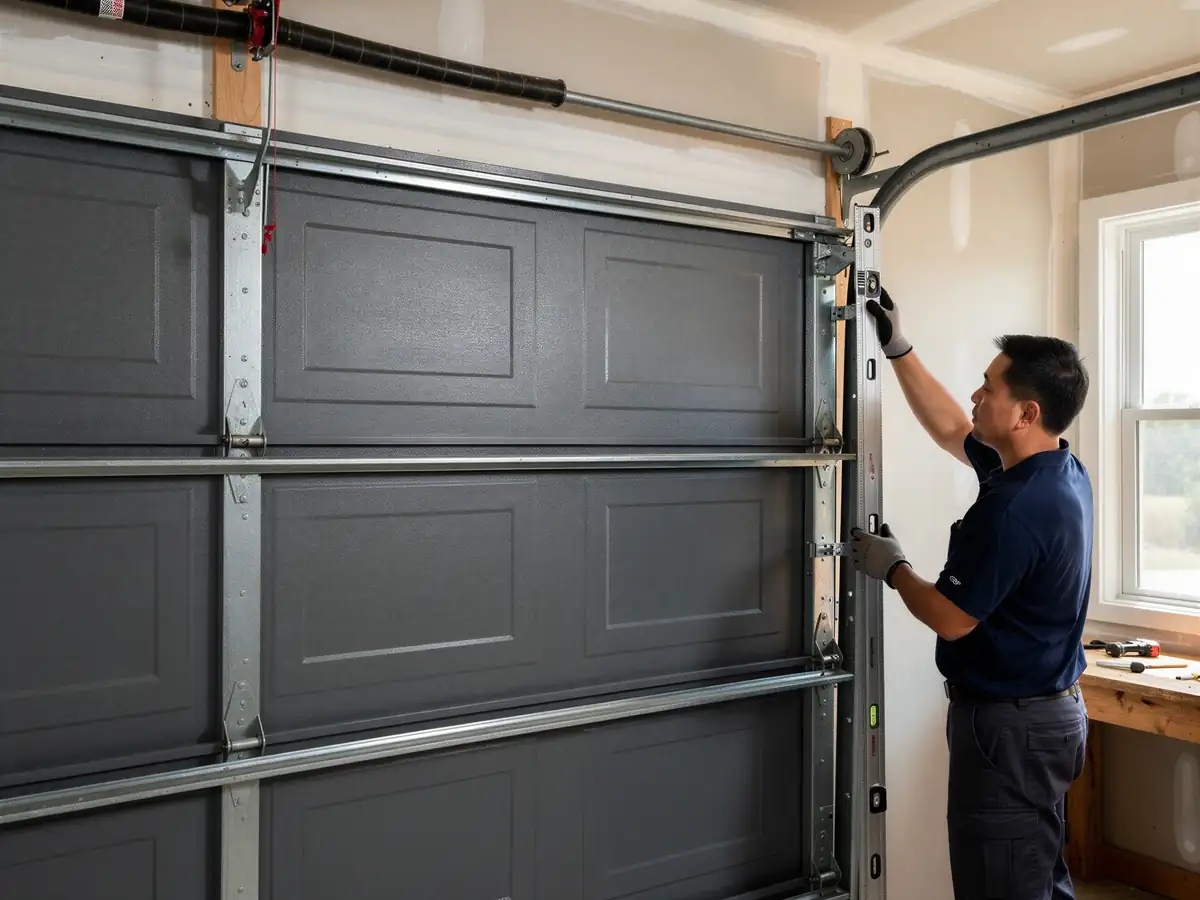
Trinity's houses went up mostly around 1988, which puts most garage doors here at the same age or close to it - steel sectional doors, usually a 16-by-7 double on the front of the house, running on steel track with steel rollers riding in steel brackets. Nobody was putting nylon rollers on these doors when they went in. Steel-on-steel works fine for years, but it's loud, it doesn't flex with cold the way nylon does, and the roller stem wears a groove into the track hole over time rather than just the bearing wearing out.
That matters here because Trinity sits in a cold-moderate climate band - real winter cold snaps, not extreme, but enough that steel rollers contract and bind slightly in January and February, right when the door gets used the most. That's usually when a homeowner first notices the grinding or the door sticking halfway up. It's not the spring, and it's not the opener - it's the roller losing its bearing and riding bare steel on bare steel.
Houses from this same build era on the other side of Trinity show the same pattern: original rollers, original track, 30-plus years of use, no lubrication schedule to speak of. By the time someone calls, the roller has usually already chewed up a section of track too.
The Cost of This Job
Roller replacement is one of the cheaper jobs we run
And in a town like Trinity - median household income around $95,625, well above the wider service area's $67,863 - most homeowners replace all the rollers on both sides rather than patch one. That's the right call on a door this age: if one steel roller failed from age and groove wear, the other nine are close behind.
We don't give a number here because we haven't quoted your door
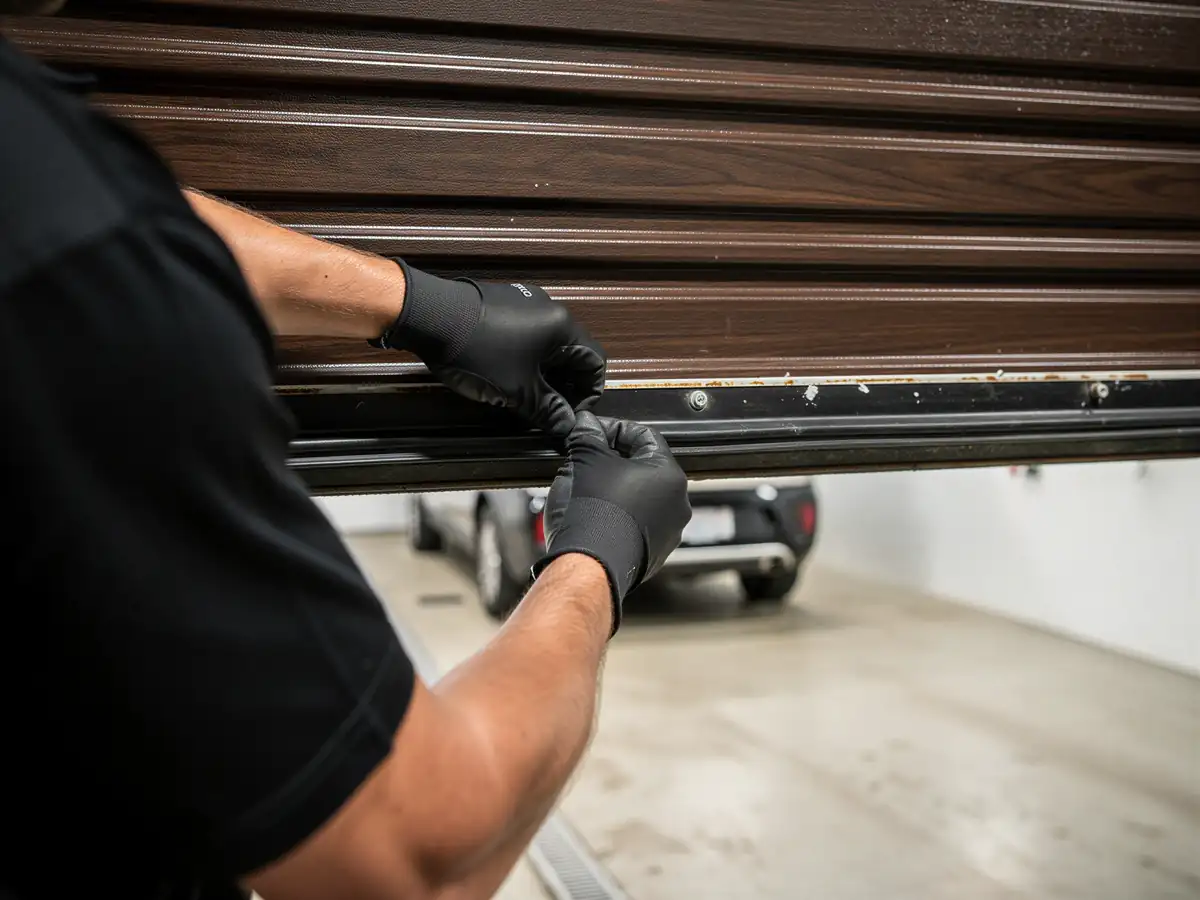
But the honest limitation is this: if the track itself is gouged from a roller riding loose for months, you're not just buying rollers, you're buying track sections too, and that changes the bill. A door that's been grinding for a season before anyone calls almost always needs both.
Time on the Job
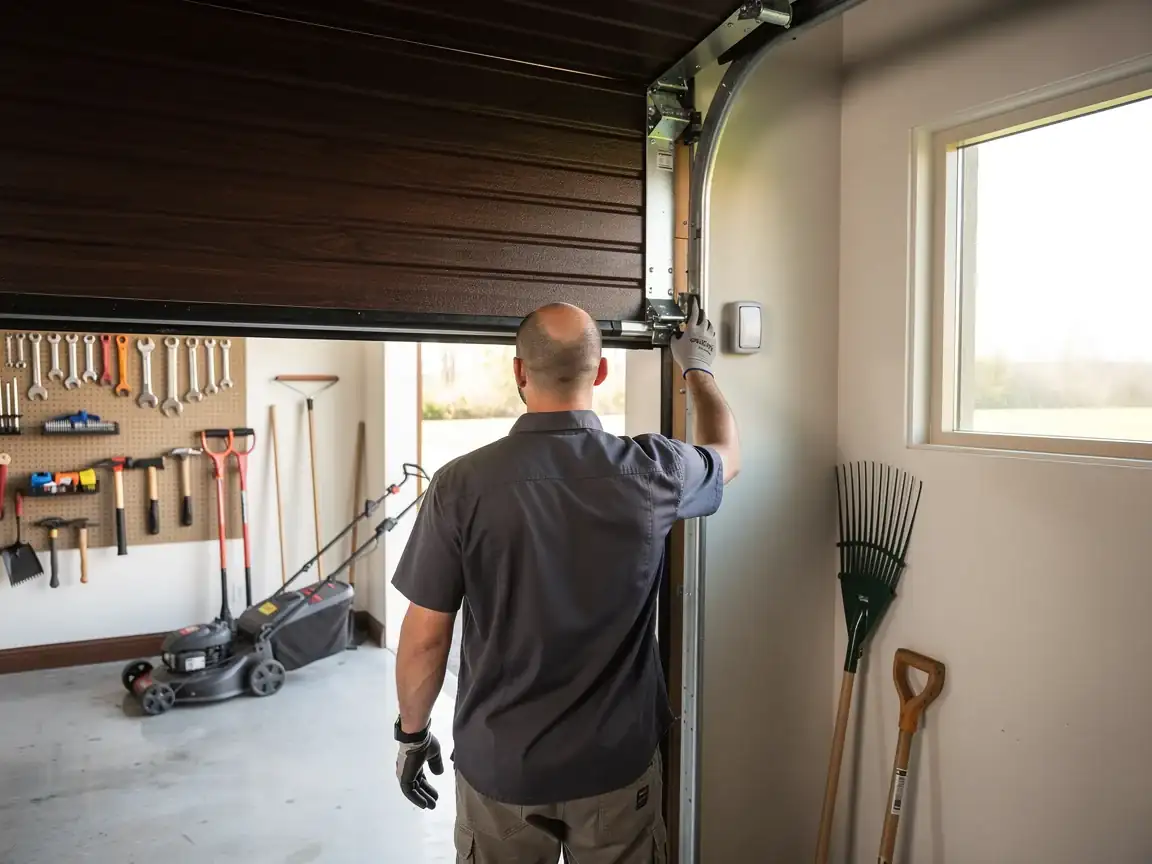
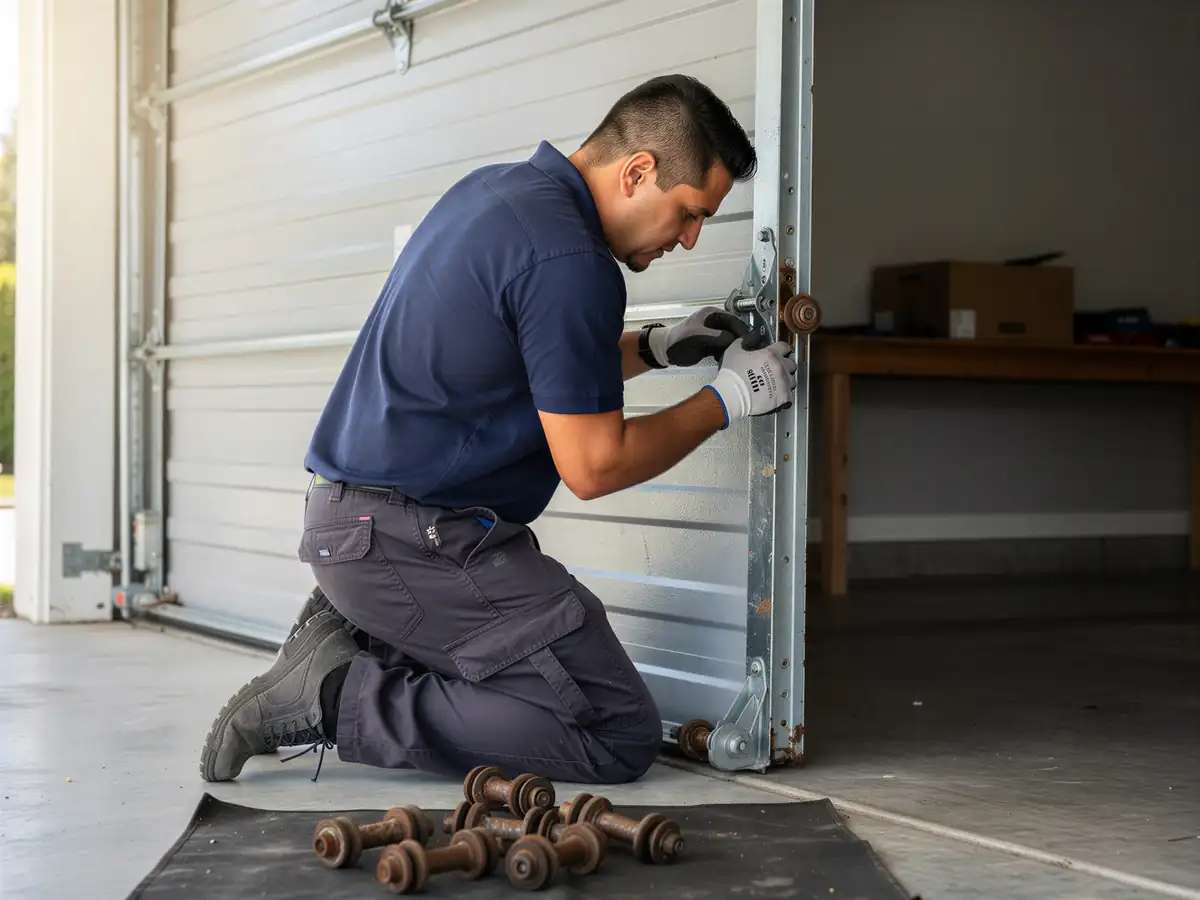
A straight roller swap on a double door, both sides, with track in decent shape, is a short job - most of the time goes into pulling the old roller stems out of the hinges without bending them, since 1988-era steel hinges weren't built to be opened and closed more than once or twice in their life. If the track needs straightening or a section replaced where a bad roller has been dragging for a while, that adds real time, not because the work is hard but because you can't rush getting track plumb again. We'd rather tell you that up front than promise a number and miss it.
What Can Go Wrong
The thing that turns a roller job into a bigger job is waiting. A roller with a worn-out bearing doesn't fail cleanly - it drags, binds, and puts side-load on the track, and on a door this old the track brackets are original too. Push a bound roller hard enough and you can pull a bracket loose from the jamb, which is a different repair than rollers.
The other thing we see on Trinity doors from this era: homeowners replace the rollers but not the hinges, and a hinge with an elongated roller hole will chew through the next set of rollers just as fast. On a 1988 door, if the roller failed from age, the hinge it sat in is the same age and the same metal. We'll tell you straight if the hinges need to go too - it's a small add to the job, and skipping it means doing this twice.