The Situation
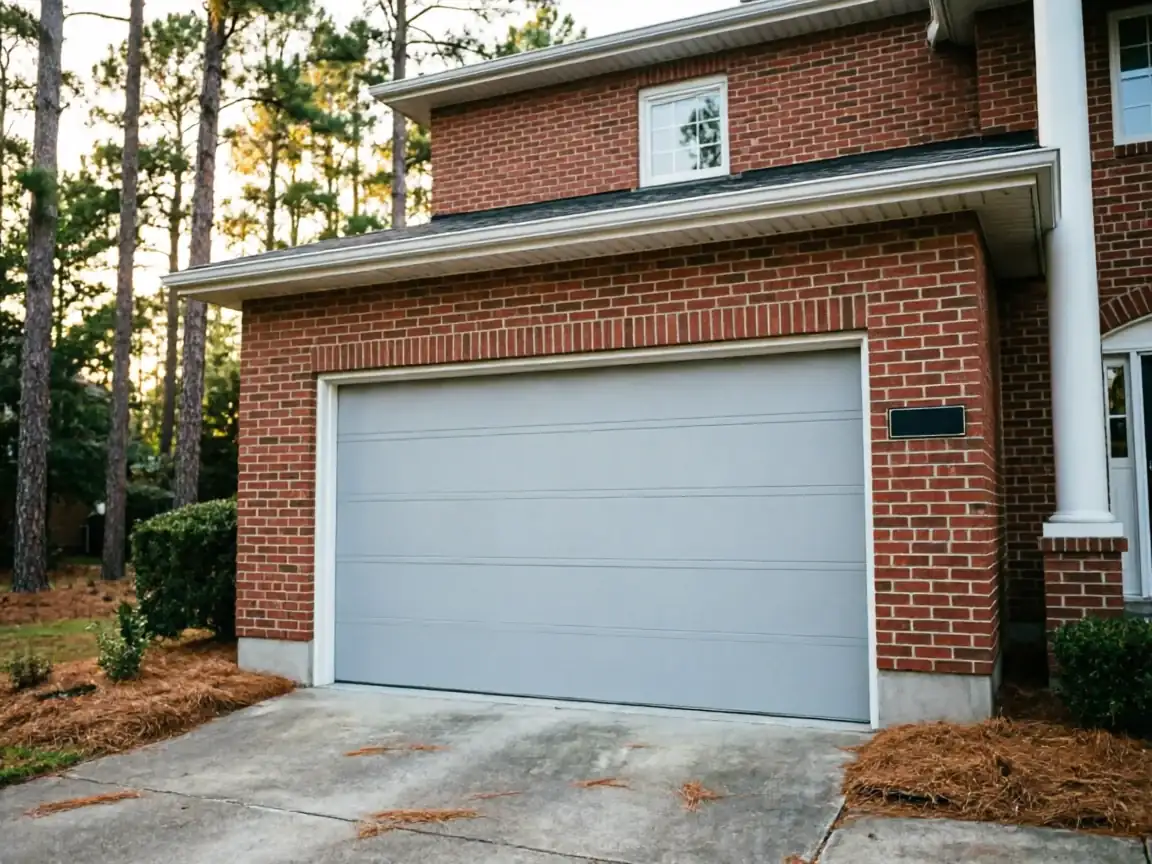
Most houses in the Decatur service area went up between 1972 and 2012, with a median build year of 1988. Across the seven areas we cover - Trinity, Priceville, Hartselle, Somerville, Triana, Falkville, and Moulton - the bulk of that stock dates to the 1980s and 90s. That matters for one reason: garage door insulation wasn't a standard feature in that window. Builders hung a single layer of rolled steel, no foam core, no thermal break, because nothing in the code at the time asked for more. The door kept rain and raccoons out and that was the job.
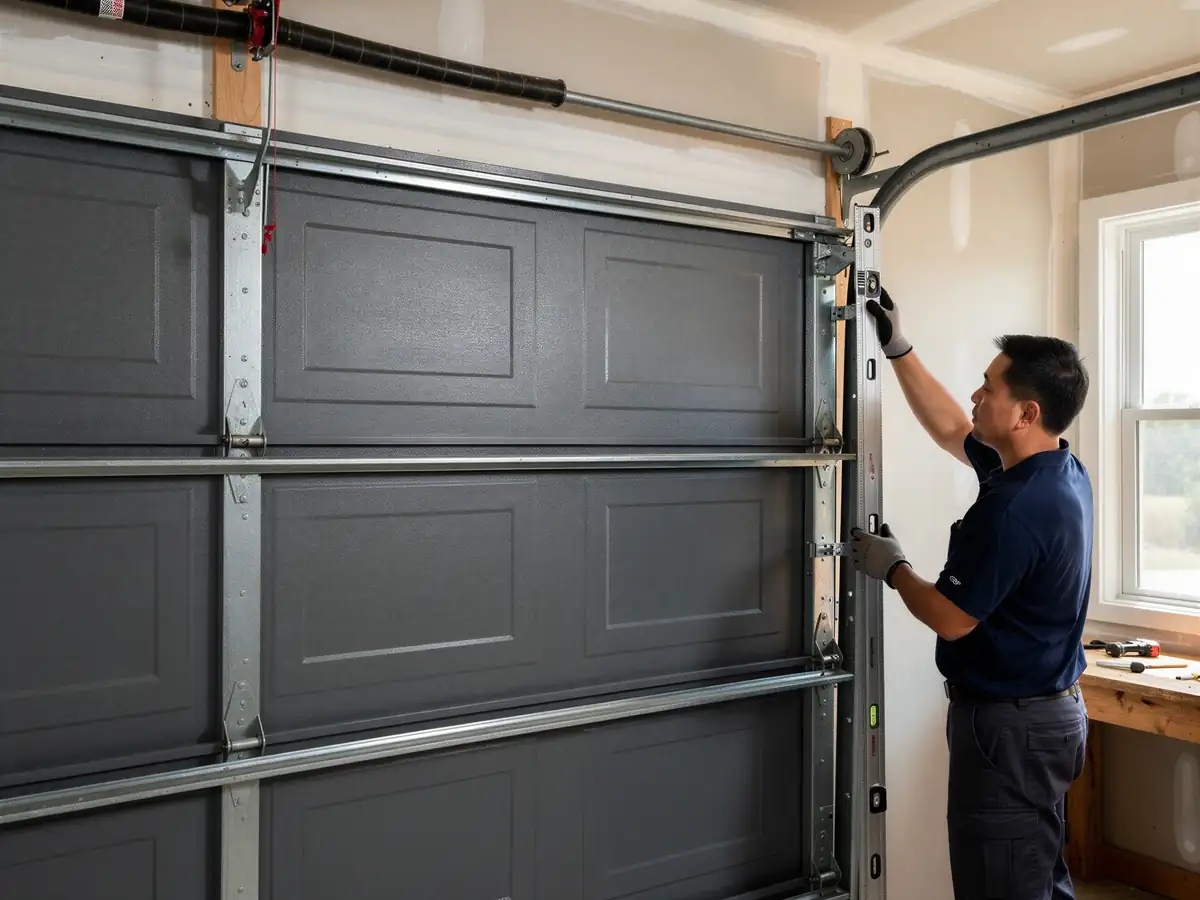
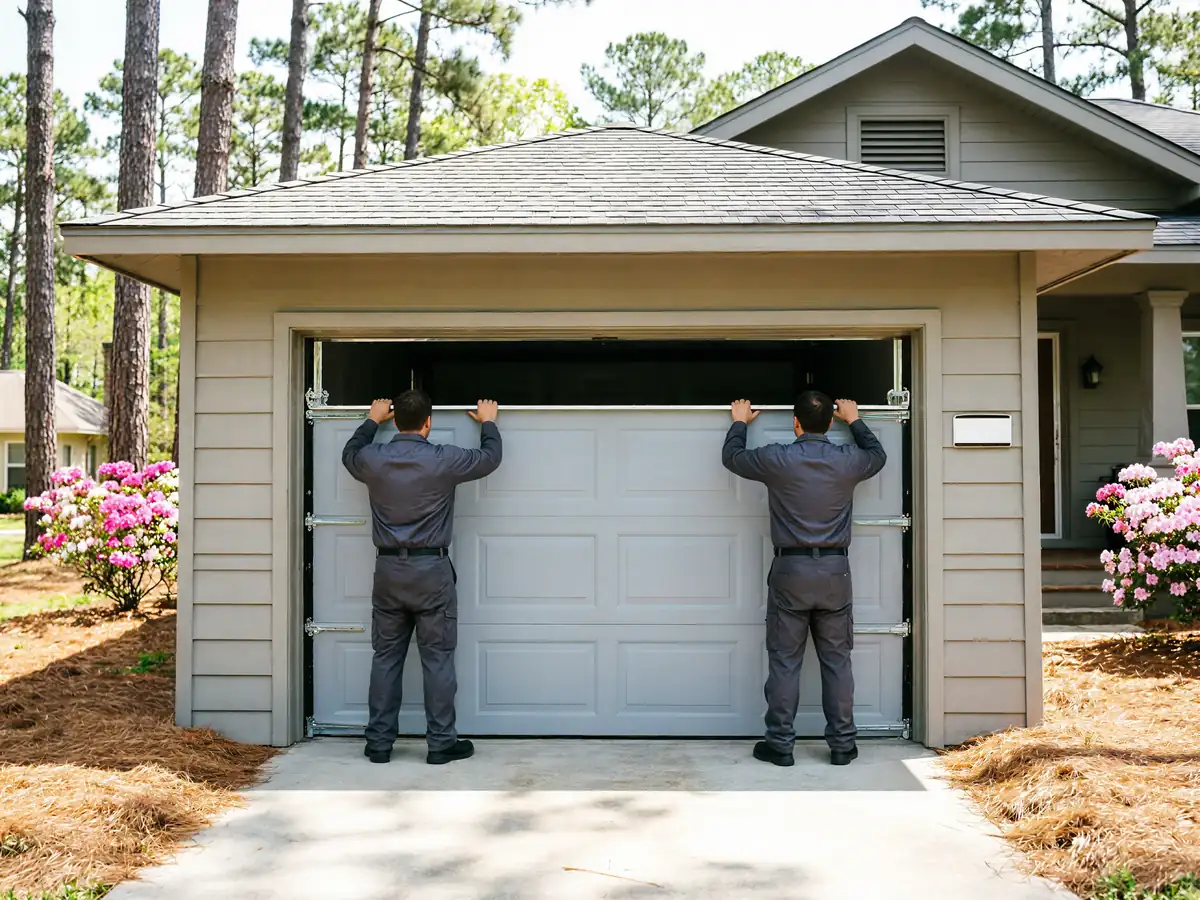
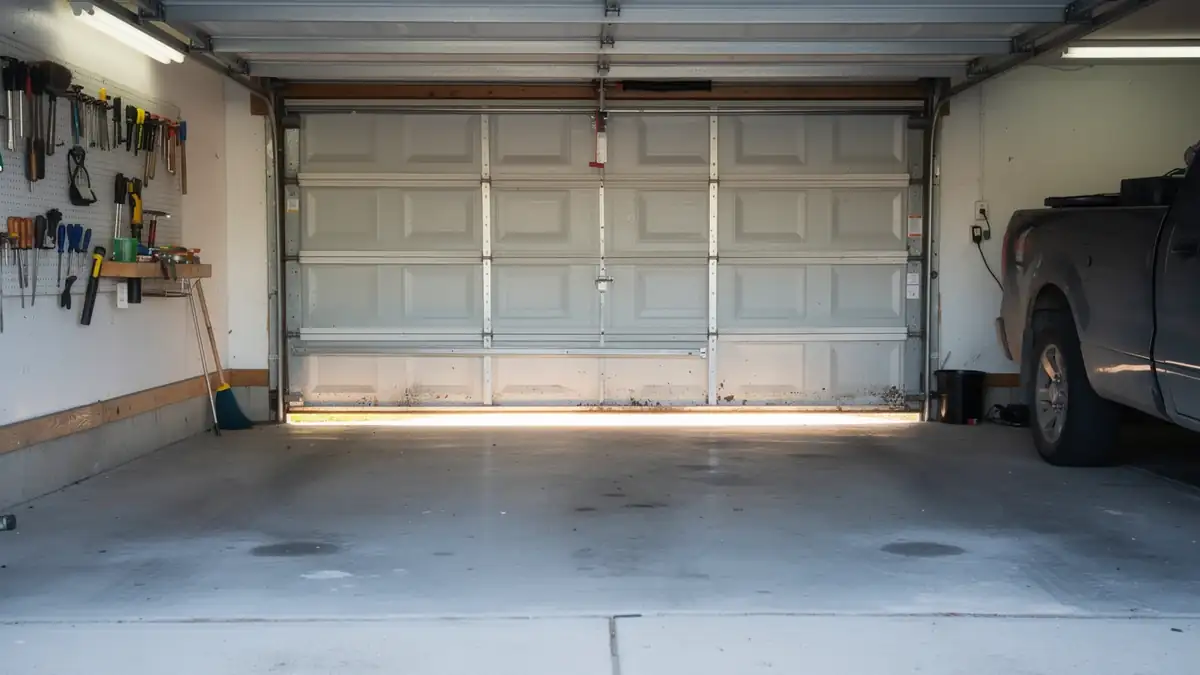
If your house falls in that build range - and odds are it does - there's a decent chance the door bolted to the frame is original or a like-for-like replacement from the same era. You can usually tell by weight: a single-layer steel door is light enough to lift with one hand once the spring tension is off, because there's nothing inside it. A door with foam board or injected polyurethane between two skins weighs a lot more and feels solid when you knock on it. That difference is the whole story for the rest of this page.
What Changes With the Season
Decatur sits in a cold-moderate climate band
So the door takes real freeze-thaw cycling each winter without being in the kind of deep-freeze zone that cracks concrete slabs. A single-layer steel door tracks the outside temperature almost exactly, because there's no insulating layer to slow the heat transfer. On a cold morning the inside face of that door is nearly as cold as the outside face, and if your garage shares a wall with living space, that cold radiates into the house through the slab and the shared studs.
Condensation is the other half of it
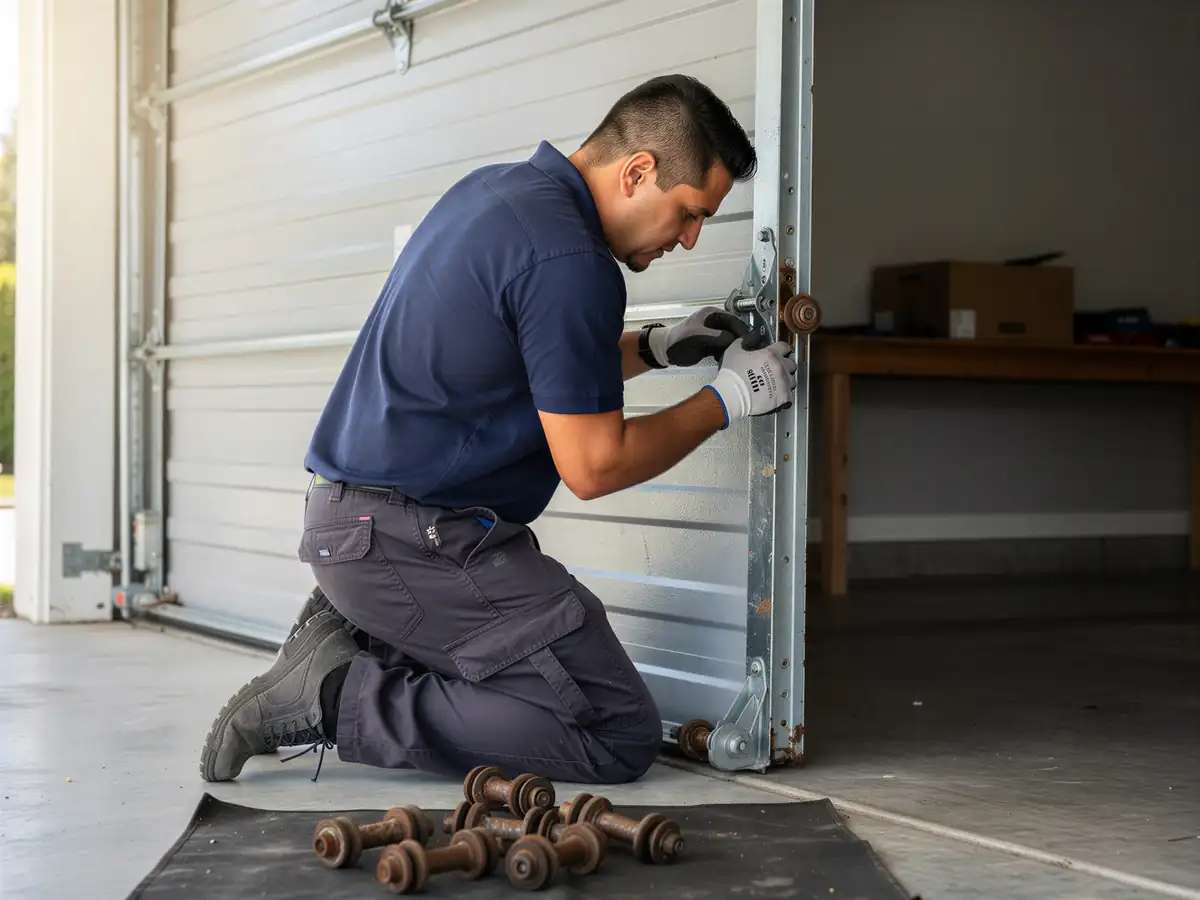
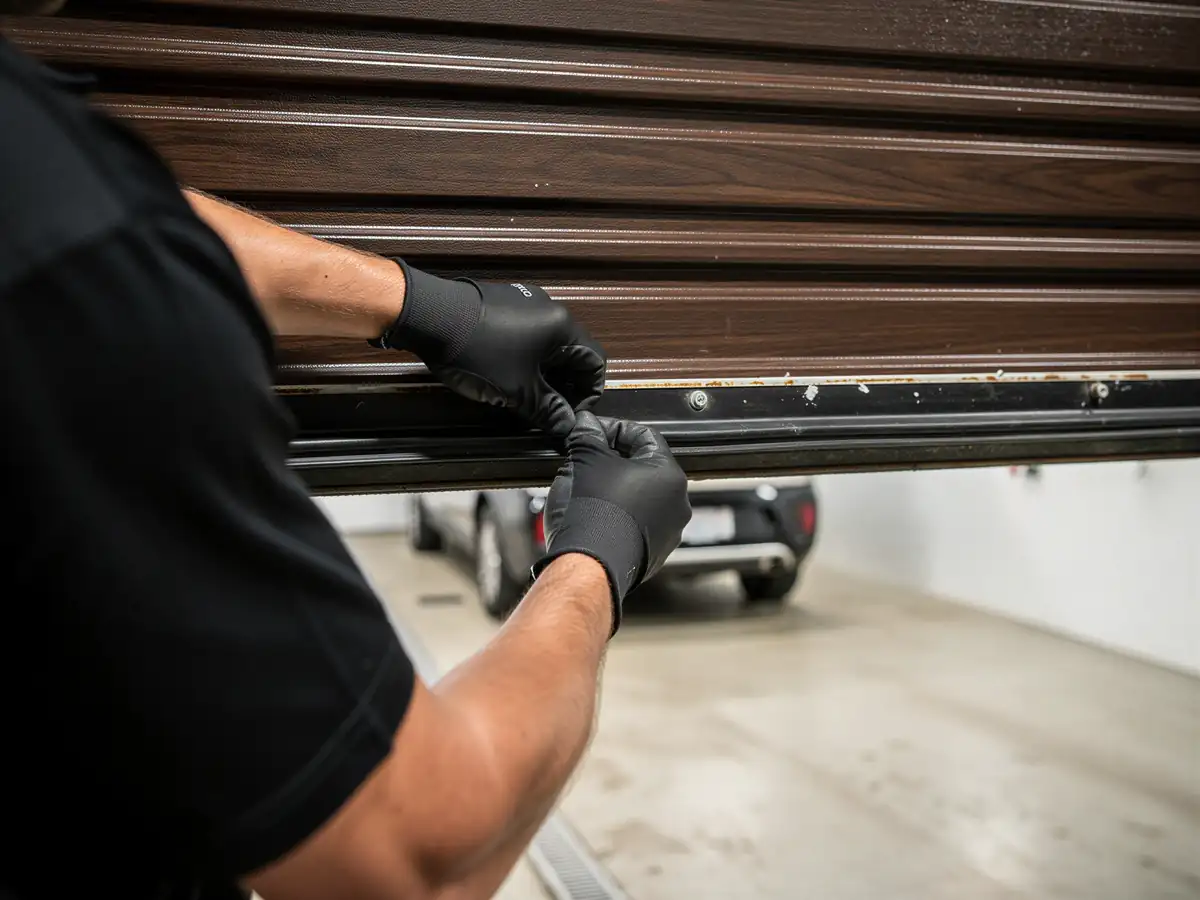
Warm, humid air off a car or a water heater hits that cold steel skin and beads up, which over a few seasons turns into surface rust at the bottom panel and around the hinges - the spots that stay wet longest. None of this is dramatic. It's slow wear, the kind that shows up as a door that sticks in January and a bottom panel that looks rougher every year, not a door that fails outright.
Checking It Yourself
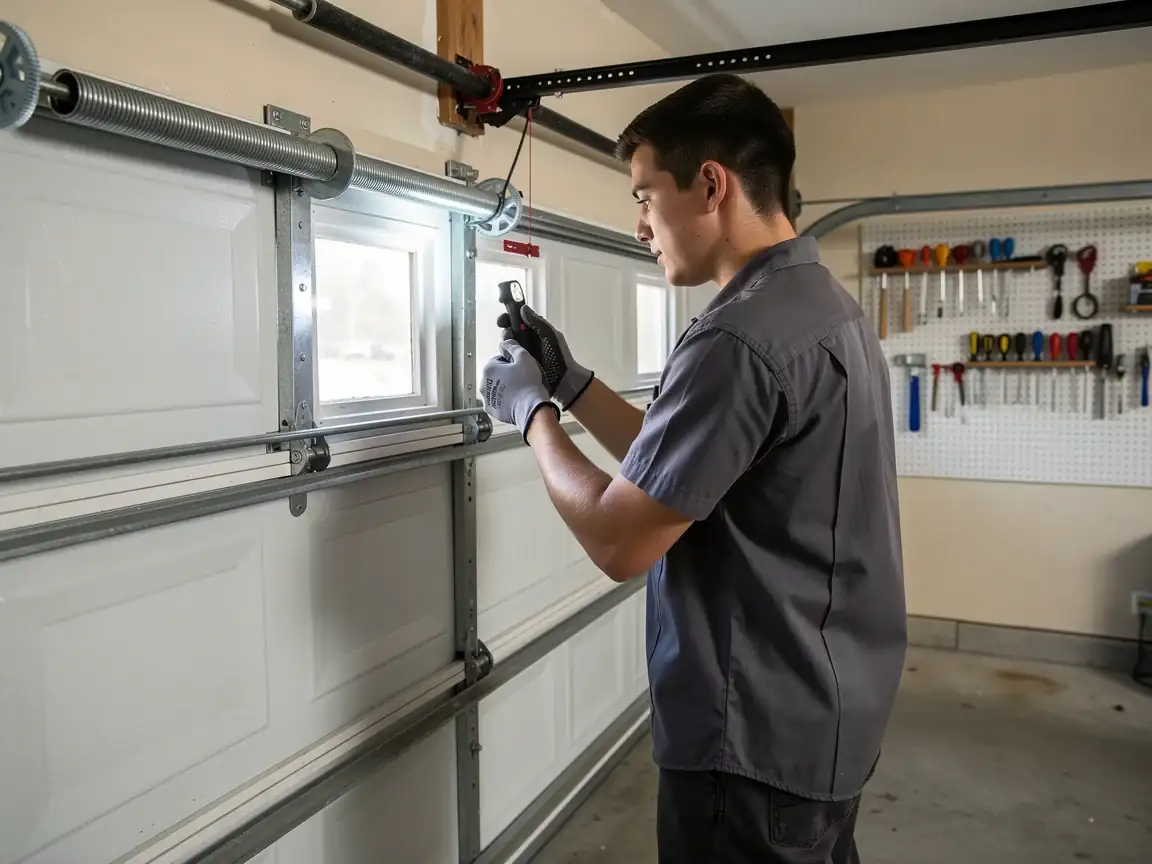
Open the door and look at the inside face of each panel. If you see bare ribbed steel with nothing behind it, that's a single-layer door - no insulation, full stop. If you see a flat white or tan backer board, pry a corner with your thumbnail; foam board feels soft and light, sprayed polyurethane feels dense and doesn't flex.
Check the bottom panel for a line of rust or bubbled paint along the inside edge - that's the condensation line we mentioned, and it's the first place a thirty-plus-year-old door starts to go. Run a hand along the weatherstrip at the bottom and sides; on houses from the 1980s-90s stock this common to the area, that strip has usually hardened and cracked by now even if the door itself is sound.
One limitation here: we can't tell you from a description alone whether a given door is worth insulating versus replacing. A door with a cracked panel or bent track on top of being uninsulated usually isn't worth retrofitting - the labor to fit foam kits into a door that's already failing elsewhere doesn't pencil out. That's a call that needs someone looking at the actual door.
How Local Conditions Play In
Trinity is six miles out, Priceville seven, Hartselle ten, Somerville and Triana both fourteen, Falkville fourteen, and Moulton eighteen - all of them built out in that same 1980s-90s window, which means the same single-layer doors are sitting in garages across the whole service area, not just one neighborhood. This isn't a problem unique to any one street; it's a function of when the area grew.
With a median household income of $67,863 across 11,609 households, most owners here are weighing a retrofit insulation kit against a full door replacement, not writing a blank check for whichever option a crew pushes. An insulation kit run between the ribs of an existing steel door is the cheaper fix and works fine if the door, track, and opener are otherwise sound. If the door's near the end of its life anyway, putting money into insulating it first is money you won't get back. We'll tell you which situation you're in before you spend anything.