What Neighbours Usually Call About
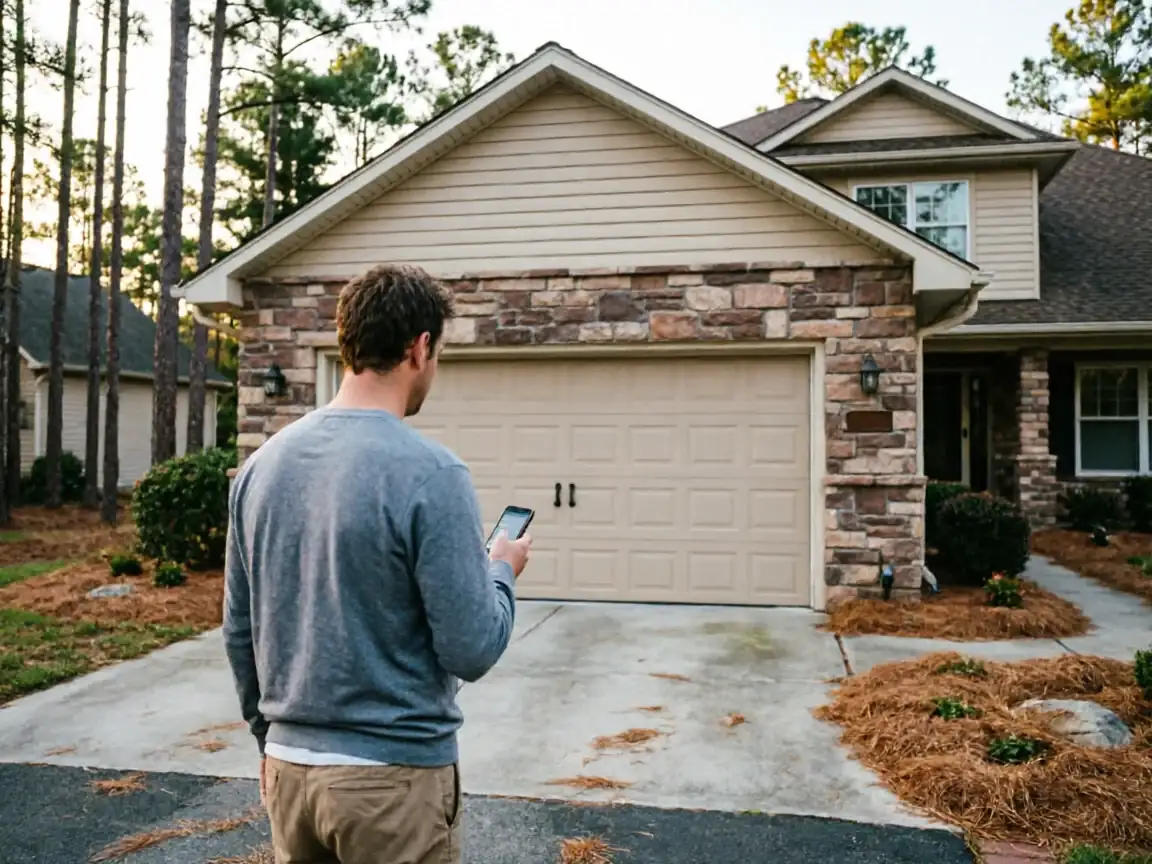
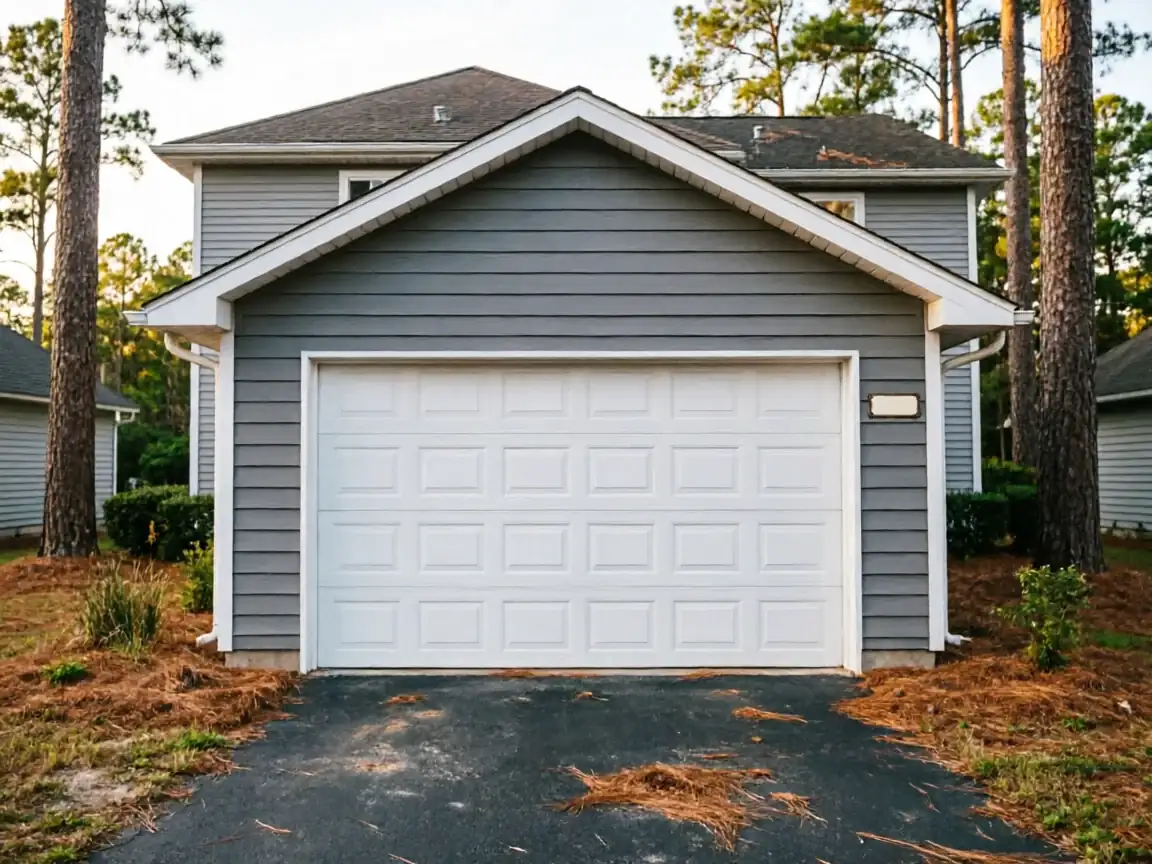
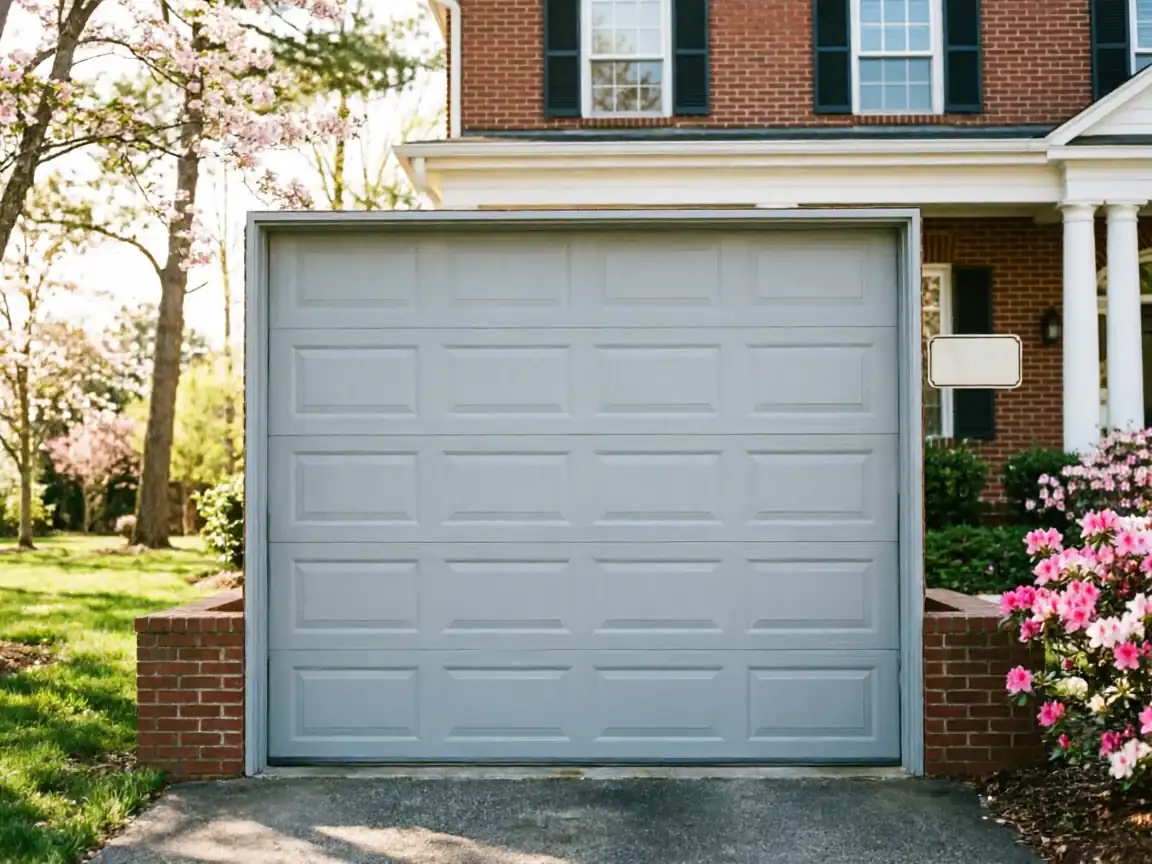
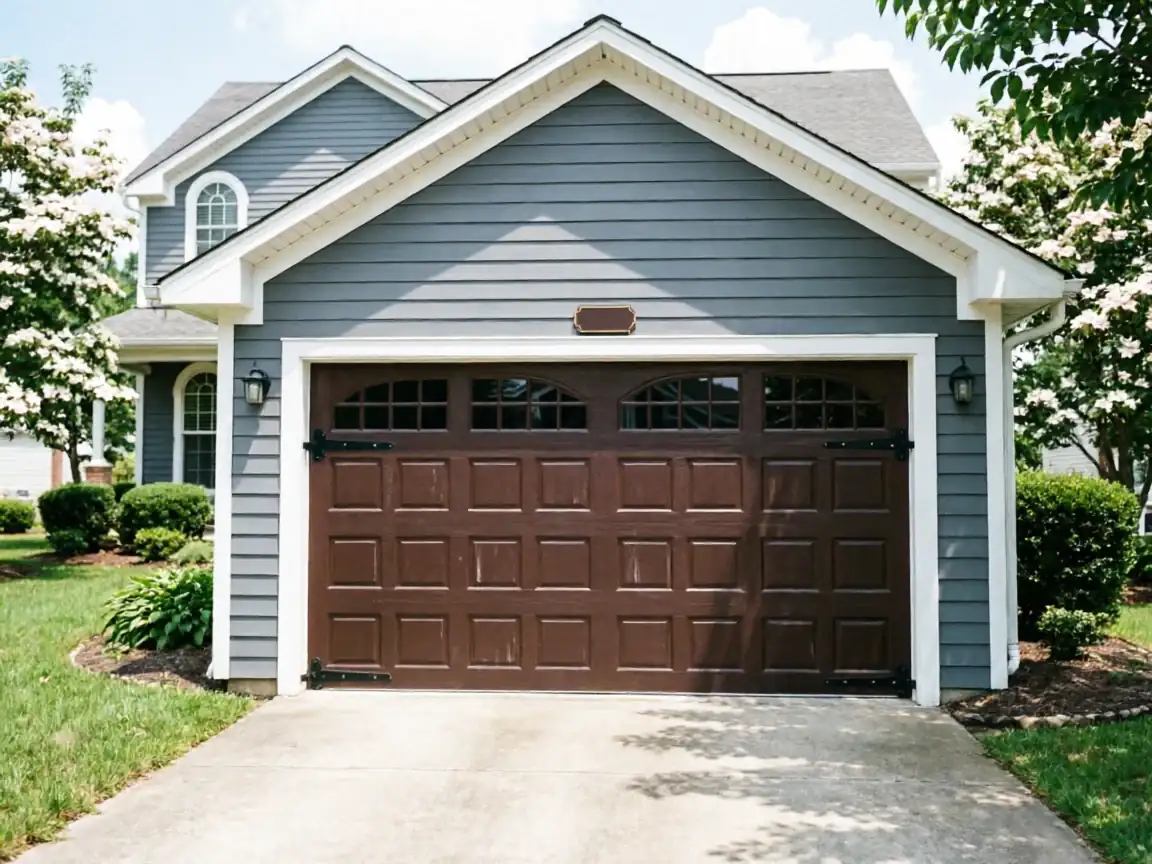
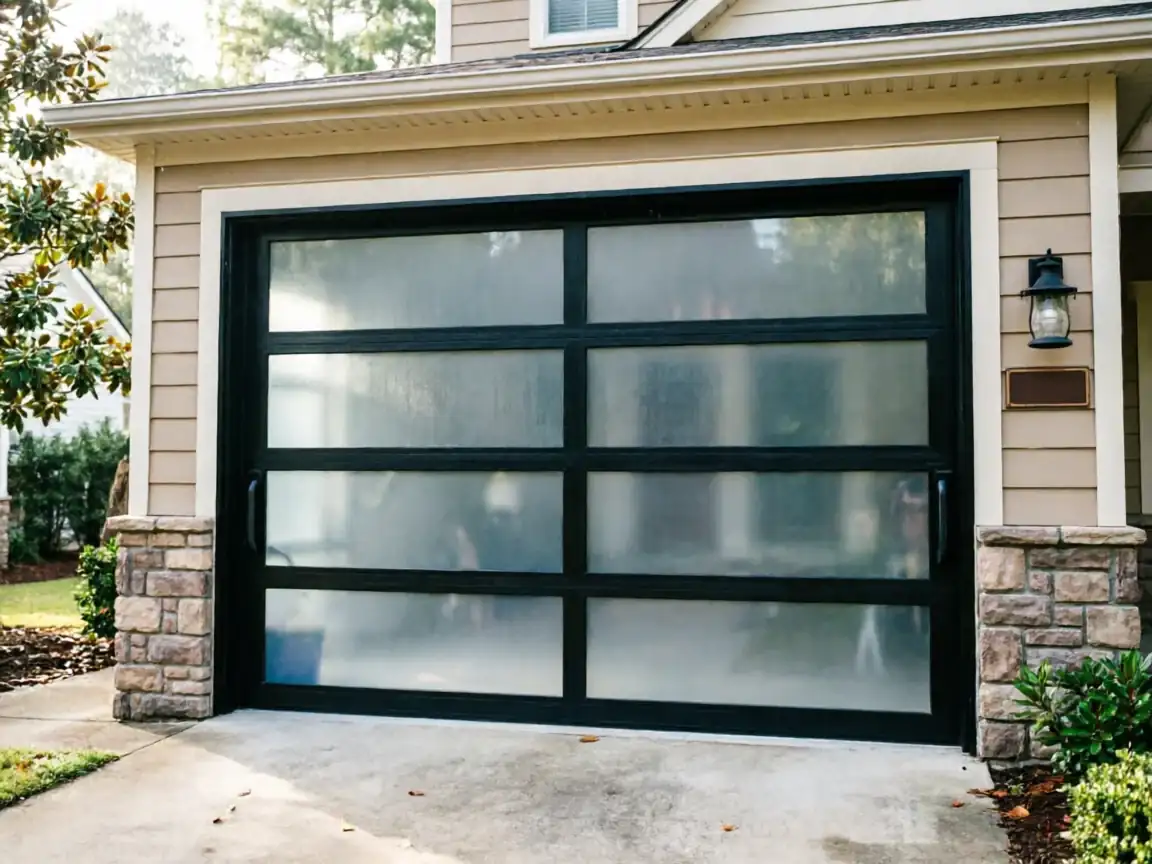
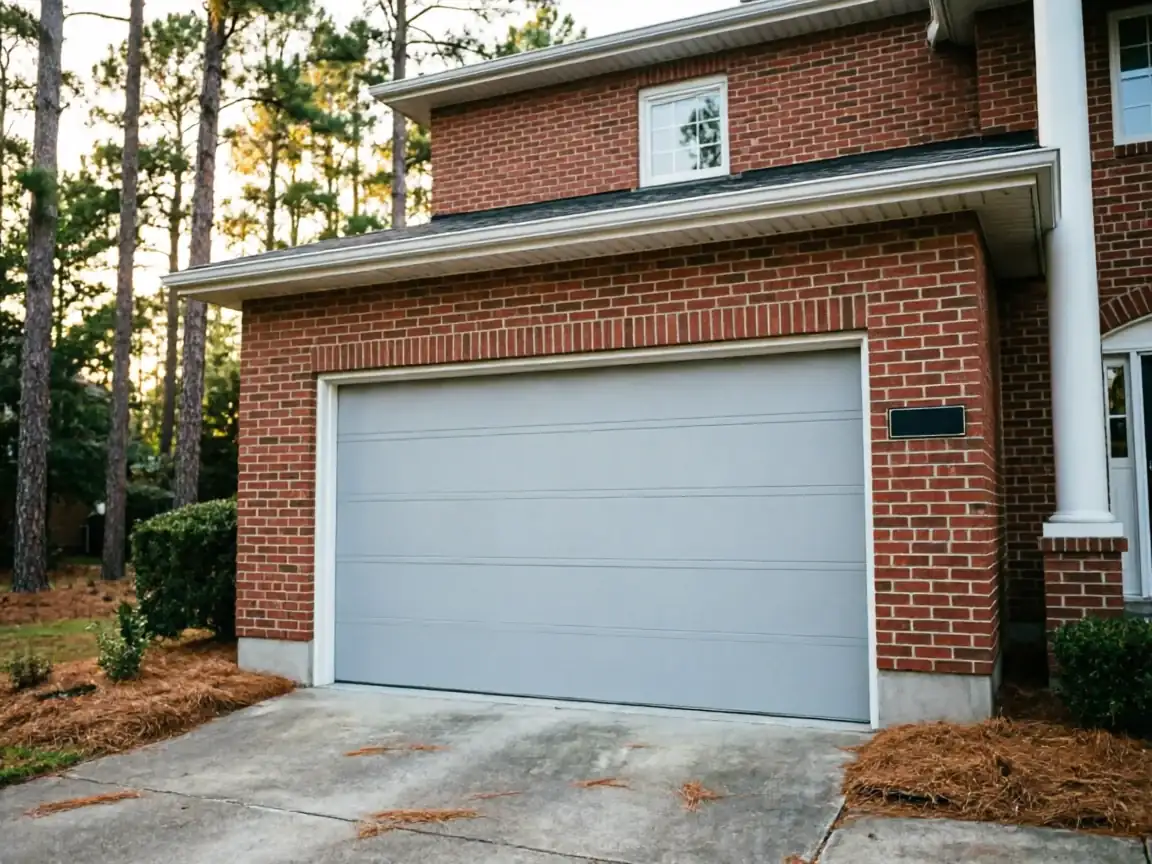
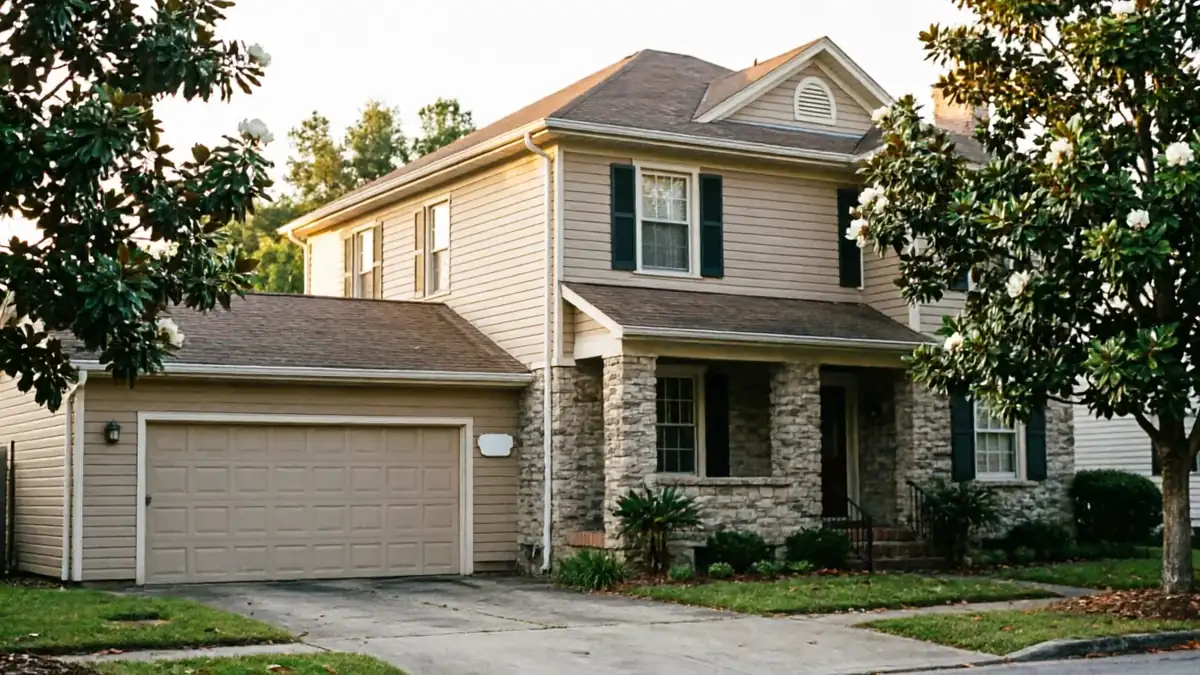
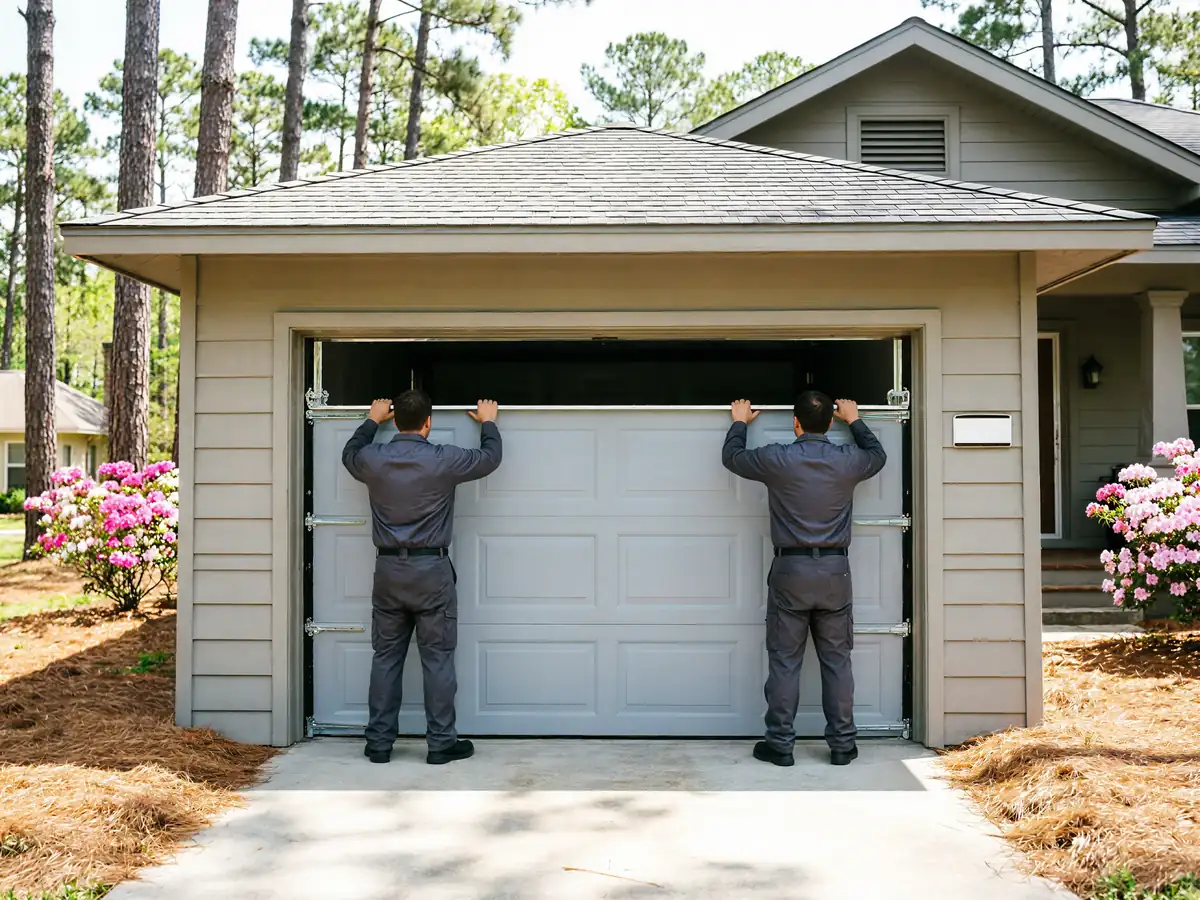
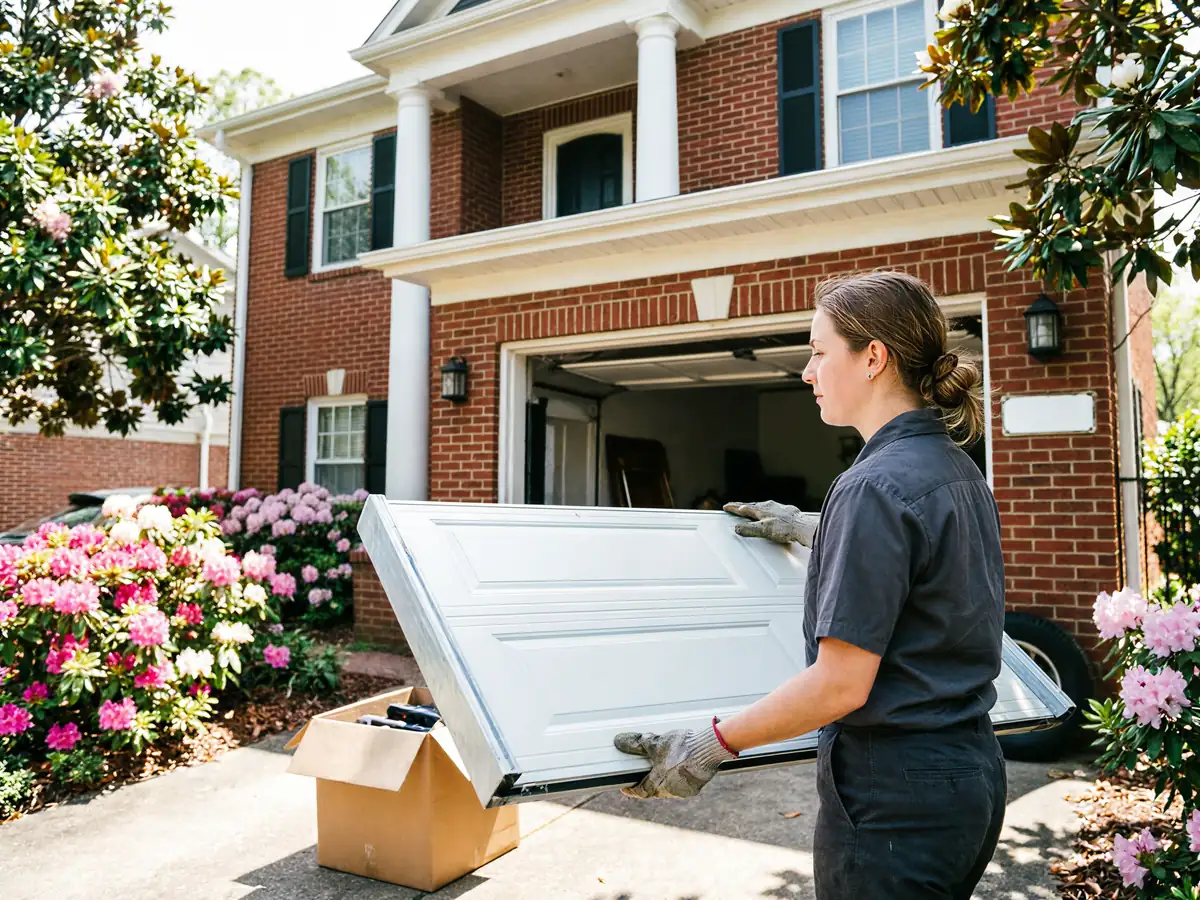
Somerville sits about 14 miles from our shop in Decatur, and most of the calls we get from out here follow a pattern tied to when the houses went up. Across the wider service area the housing stock runs from 1972 to 2012 with a median build year of 1988, and Somerville tracks close to that median rather than the newer end. That means a lot of garage doors out here are original or close to it, with openers from the first replacement cycle in the late 90s or early 2000s. The common calls are worn rollers that have gone loud, openers that strip a gear after twenty-plus years of duty, and torsion springs that finally give out after their last cycle count. We don't see many of the newer insulated steel doors with soft-close openers that you'd find in a subdivision built in the last ten years - that's a different kind of job with different parts. What you do see is a lot of single-car and two-car wood-trim doors on steel track that have earned their wear honestly.
What That Means for Doors
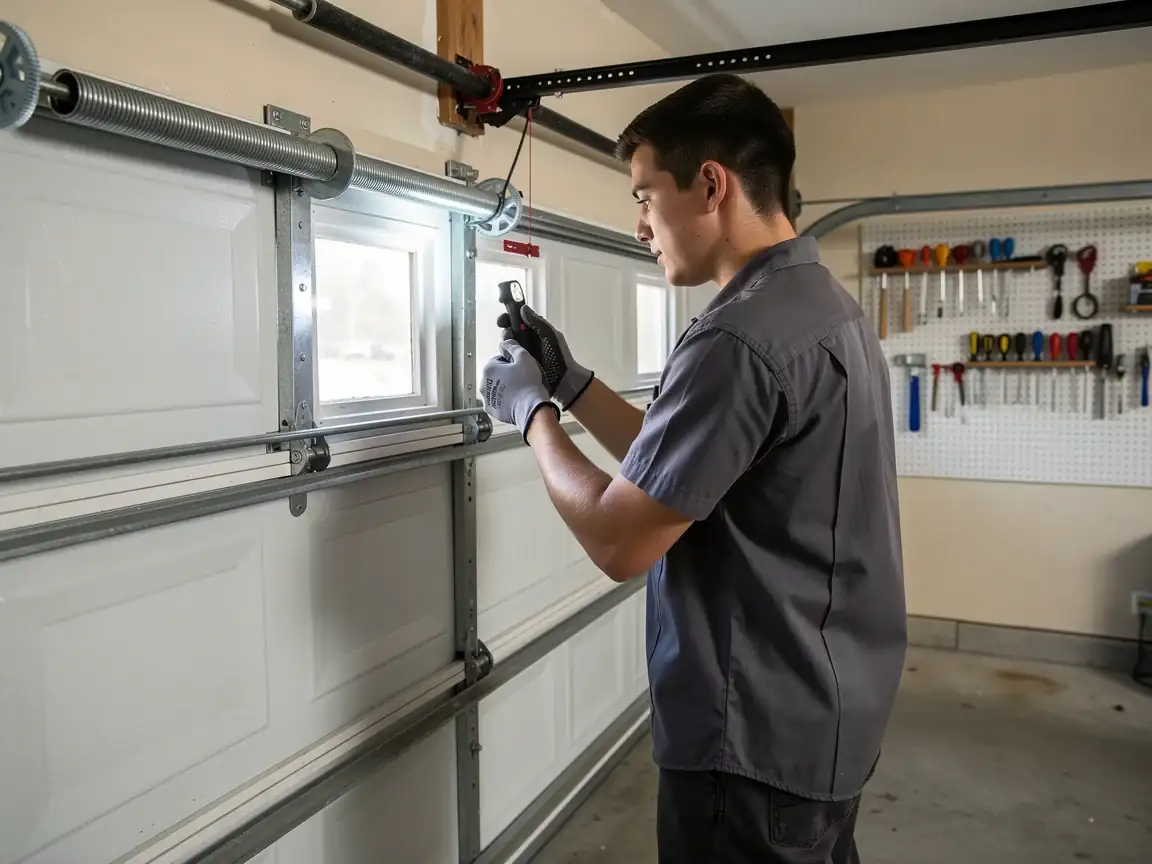
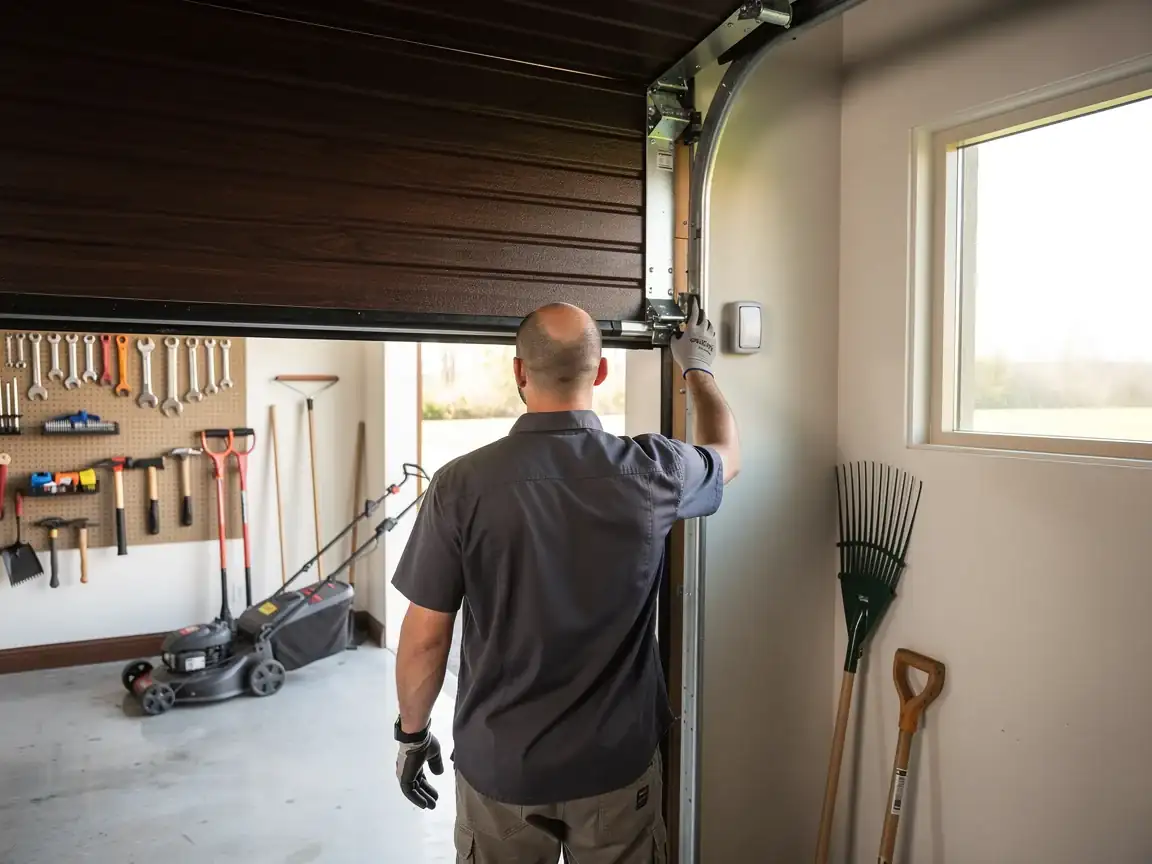
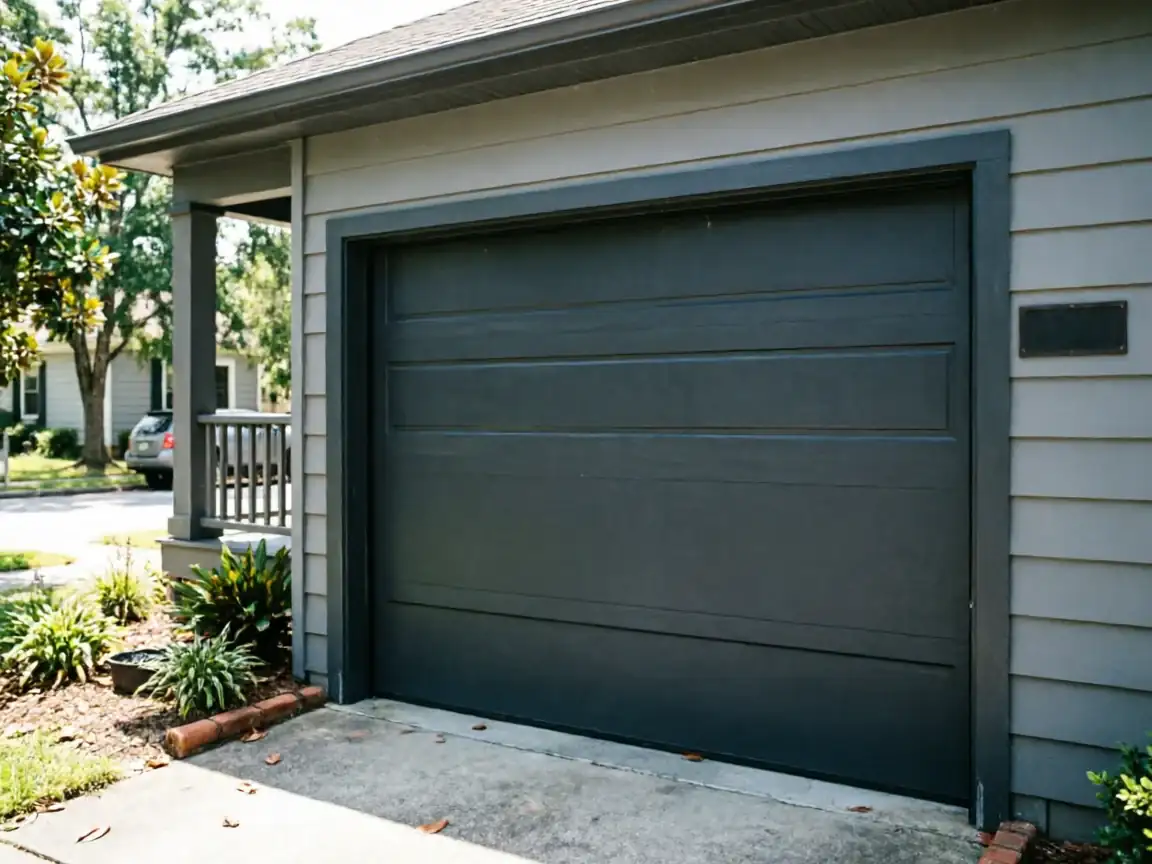
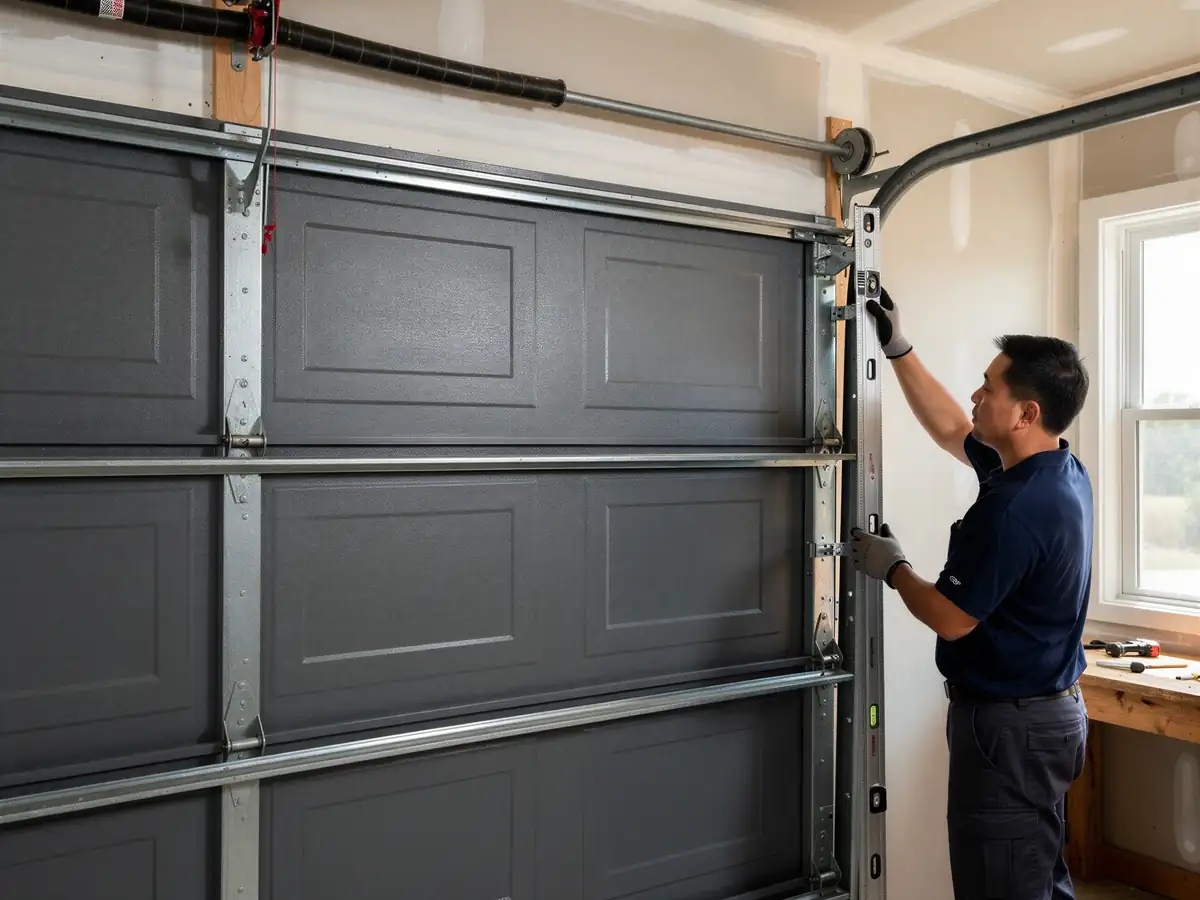
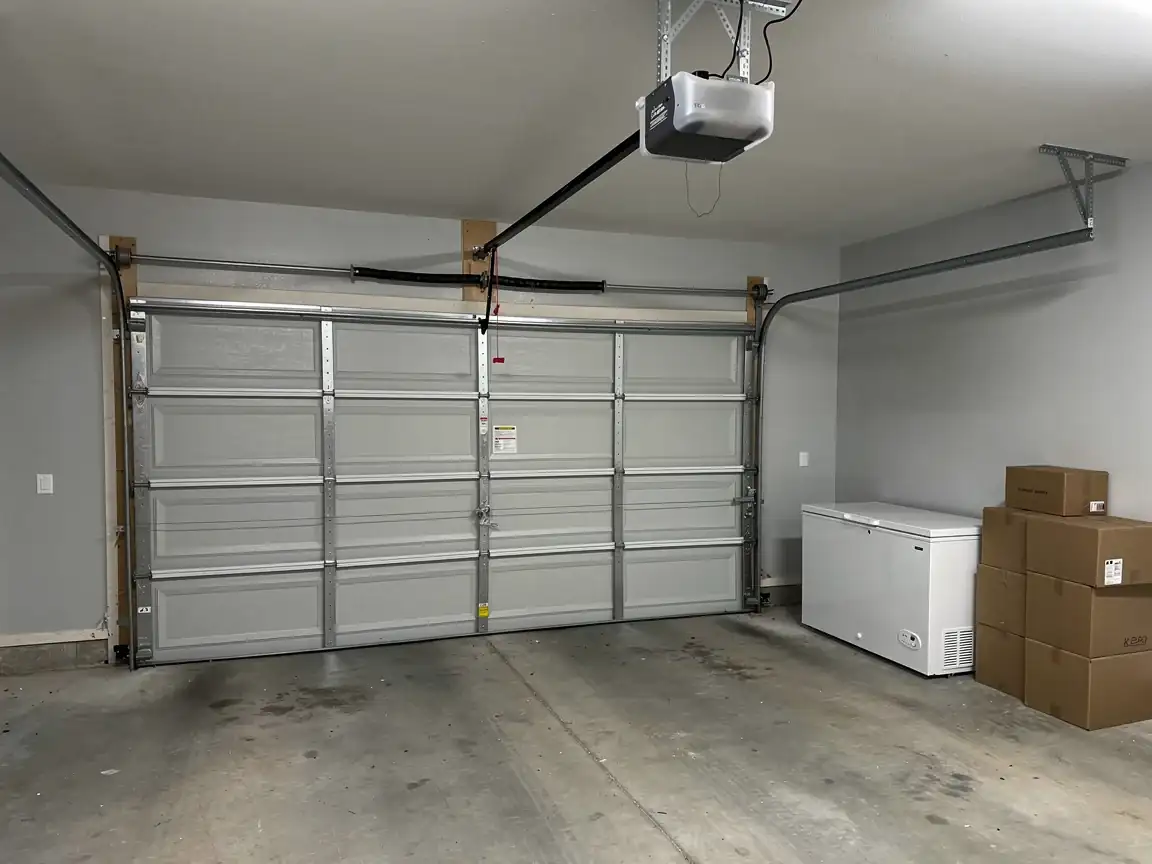
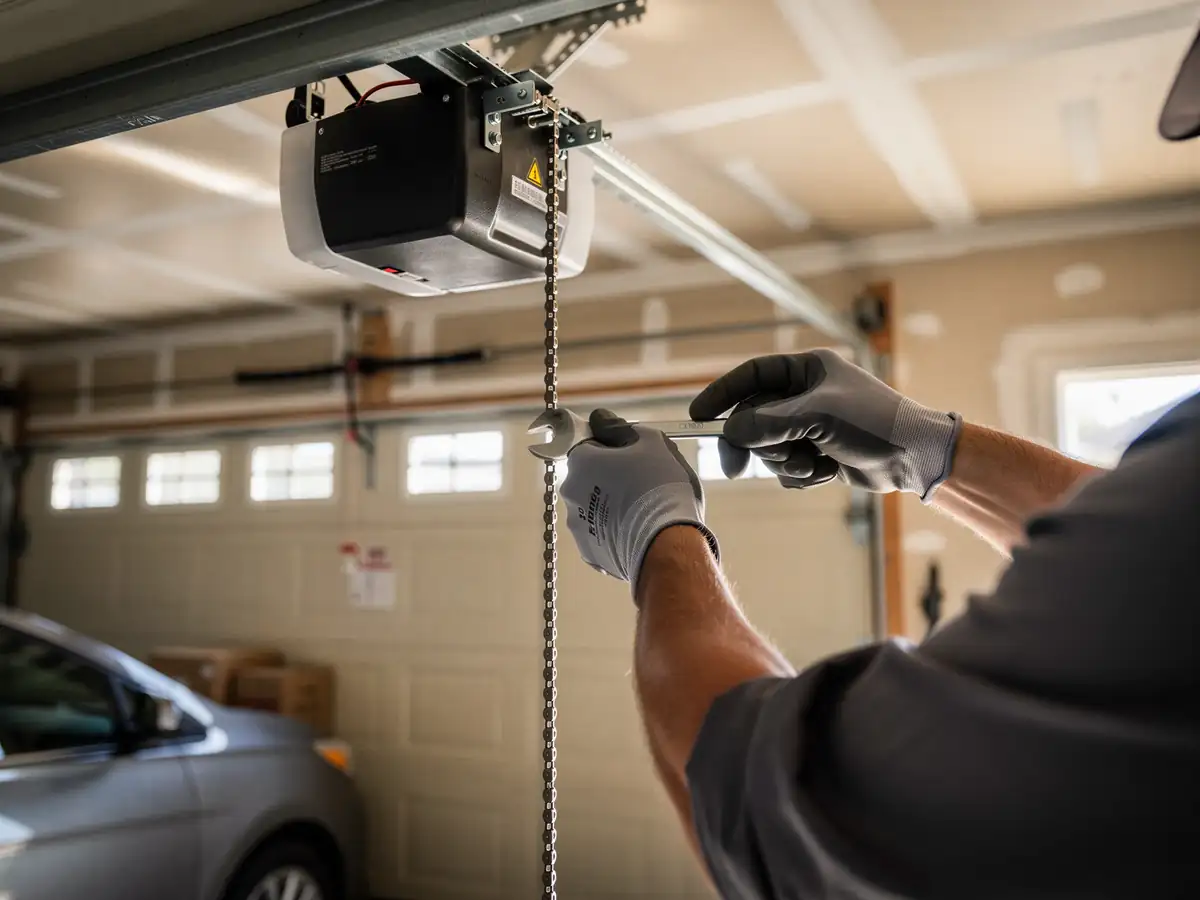
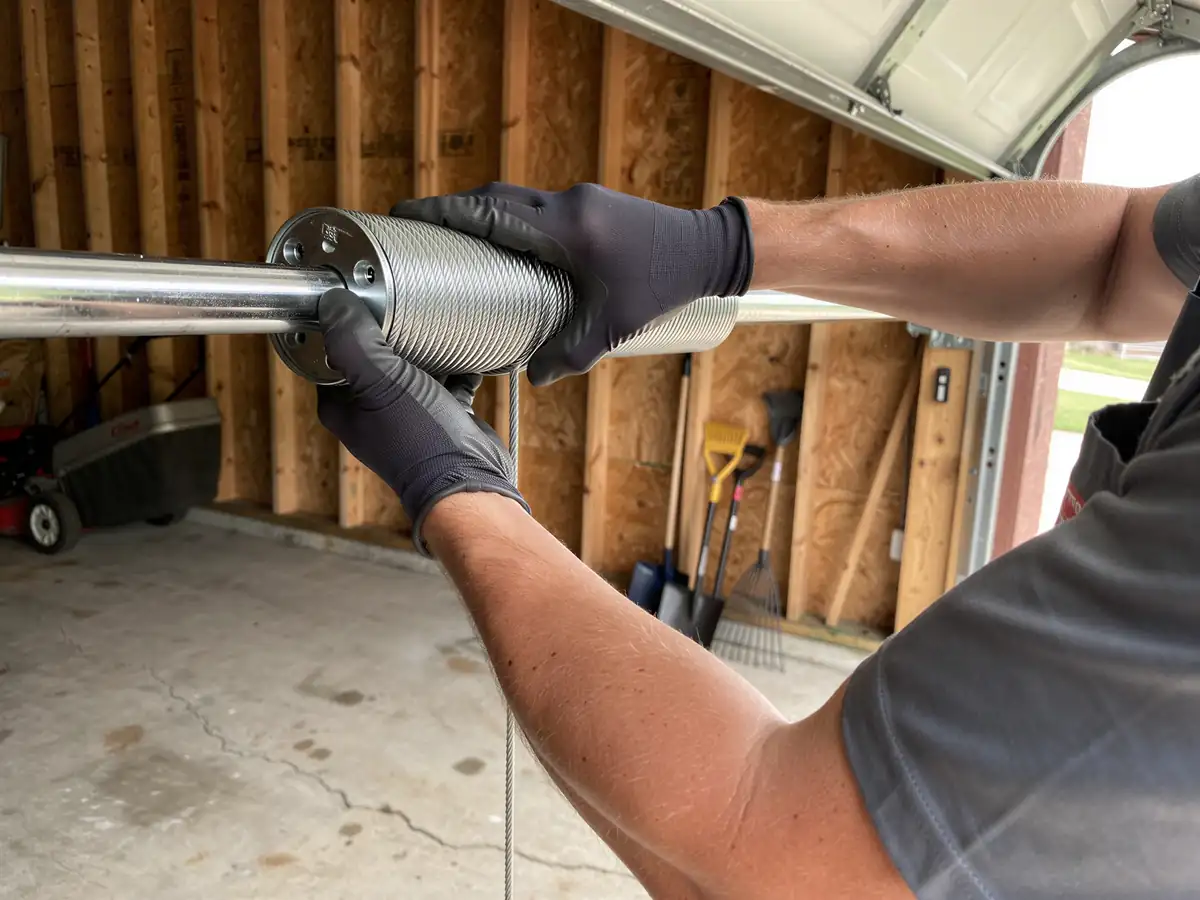
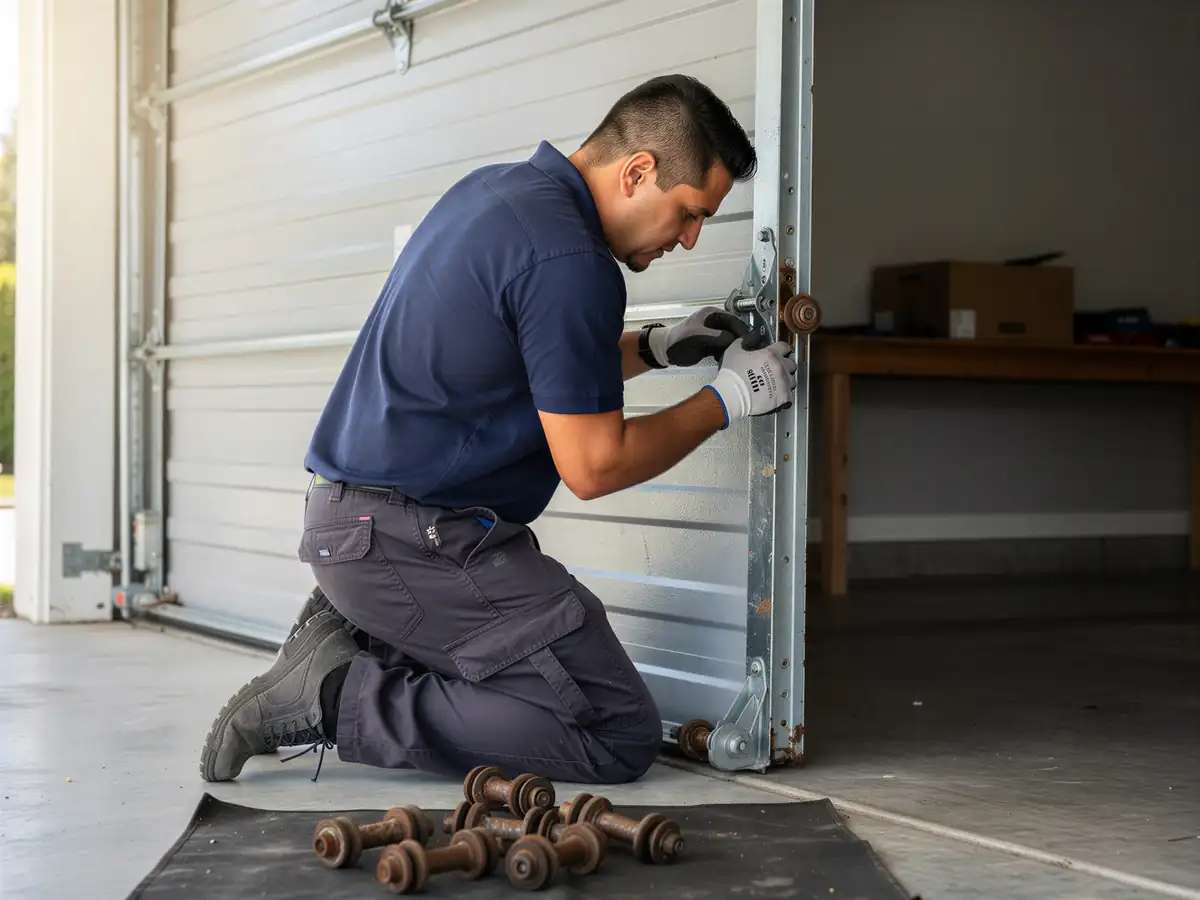
A median build year of 1988 tells you more than it sounds like it should. Doors from that era are almost always steel panel on galvanized track, with torsion or extension springs sized for the door weight of that time - lighter than today's insulated doors in most cases. Openers from a late-80s or 90s install are chain-drive, often half-horsepower, and by now they're well past the point where a capacitor or a gear set failing is a surprise. The practical upshot: when a spring goes on one of these doors, we're not guessing at a modern torsion drum size, we're working with hardware that's common for the era but not always what's sitting on a parts truck built for new-construction jobs. Climate plays a part too - this area sits in a cold-moderate band, which means steel track sees enough temperature swing year to year that lubrication and alignment drift matters more than it would somewhere milder. None of this is exotic. It's ordinary wear on hardware that's had three decades to accumulate it.
The Houses Here
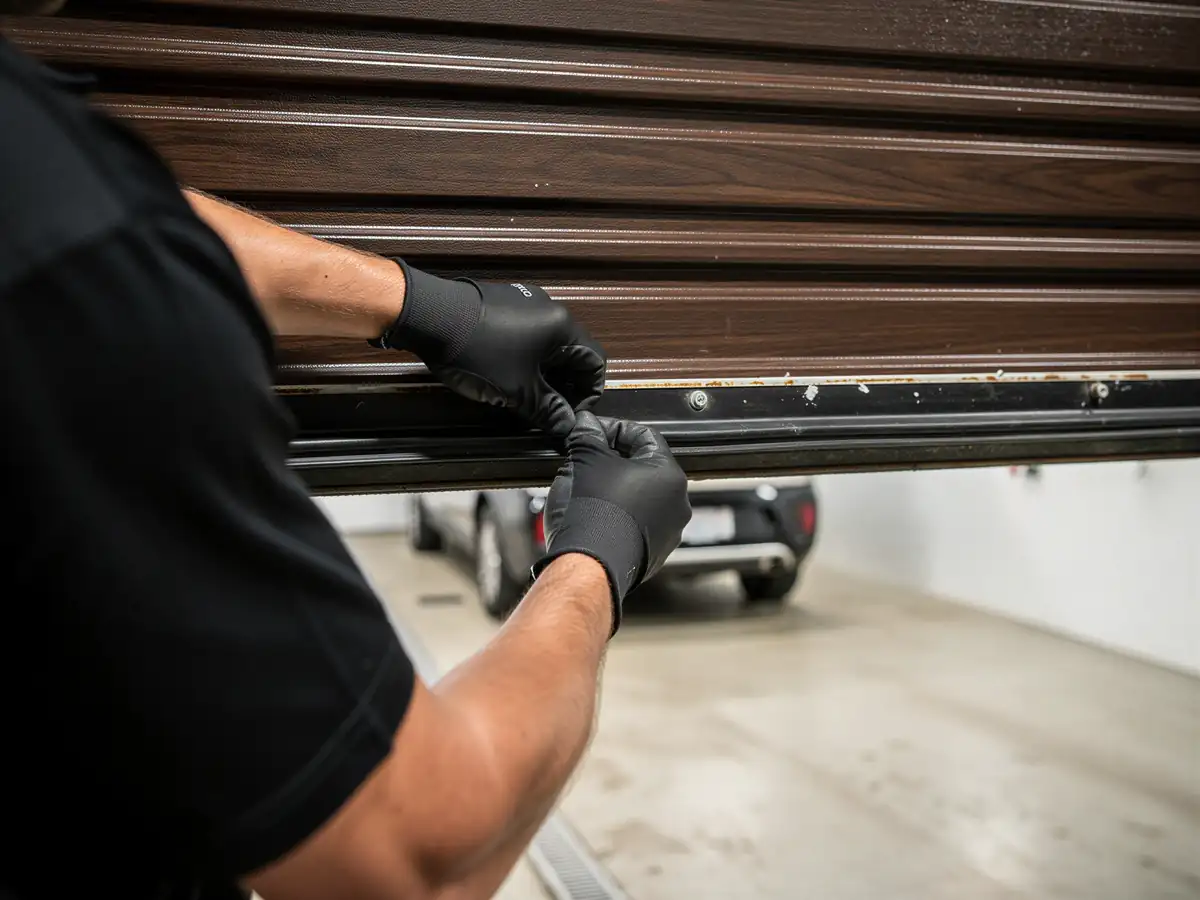
Somerville has 278 households, a small slice of the roughly 11,609 households across our whole coverage area, and the median household income here is $44,783 - noticeably below the $67,863 median for the service area as a whole. That gap matters for how we talk about repair versus replacement: on an older door with a worn spring or a failing opener, a repair that keeps the original door and track usually makes more financial sense here than jumping straight to a full replacement, and it's what most owners we talk to in this income range actually ask for. We'll tell you straight when a door's cheaper to replace than keep patching - a badly rusted bottom panel or a track that's bent past true usually falls into that bucket - but we don't default to replacement as the first answer. One honest limit: if a part is obsolete enough that nobody stocks it, including us, that can mean a short wait, not a same-day fix.