Getting It Booked In
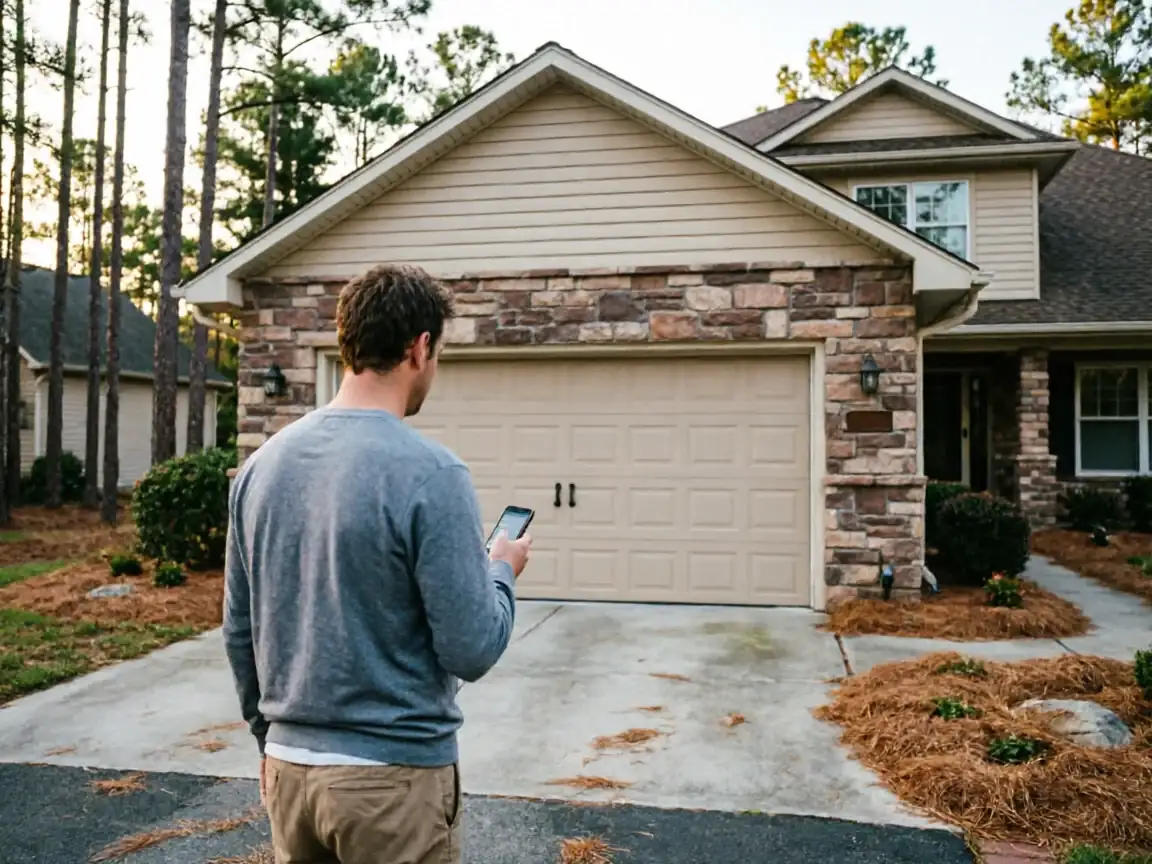
Somerville doesn't have its own garage door shop, so every job here starts with a 14-mile drive from Decatur. That's not a complaint, it's just the math you should know going in: we build the trip into the schedule rather than pretending we're already around the corner. When you call, tell us what the door is doing (won't open, stuck halfway, grinding noise) so we can bring the right spring size or opener part on the truck instead of making a second trip. With only around 278 households in Somerville, this isn't a route we run constantly, so a little detail on the phone saves everyone time.
We don't claim a branch, a depot, or a guaranteed same-hour window out here. What we do is quote the drive honestly and work the job once we're on site, the same as we would in Decatur proper. If you're flexible on the day, that helps us pair your call with other runs out toward Trinity or Priceville and keep the trip efficient, which keeps your bill lower.
How We Fix It
Most of the doors we see in Somerville were put up somewhere in the 1972-to-2012 stretch
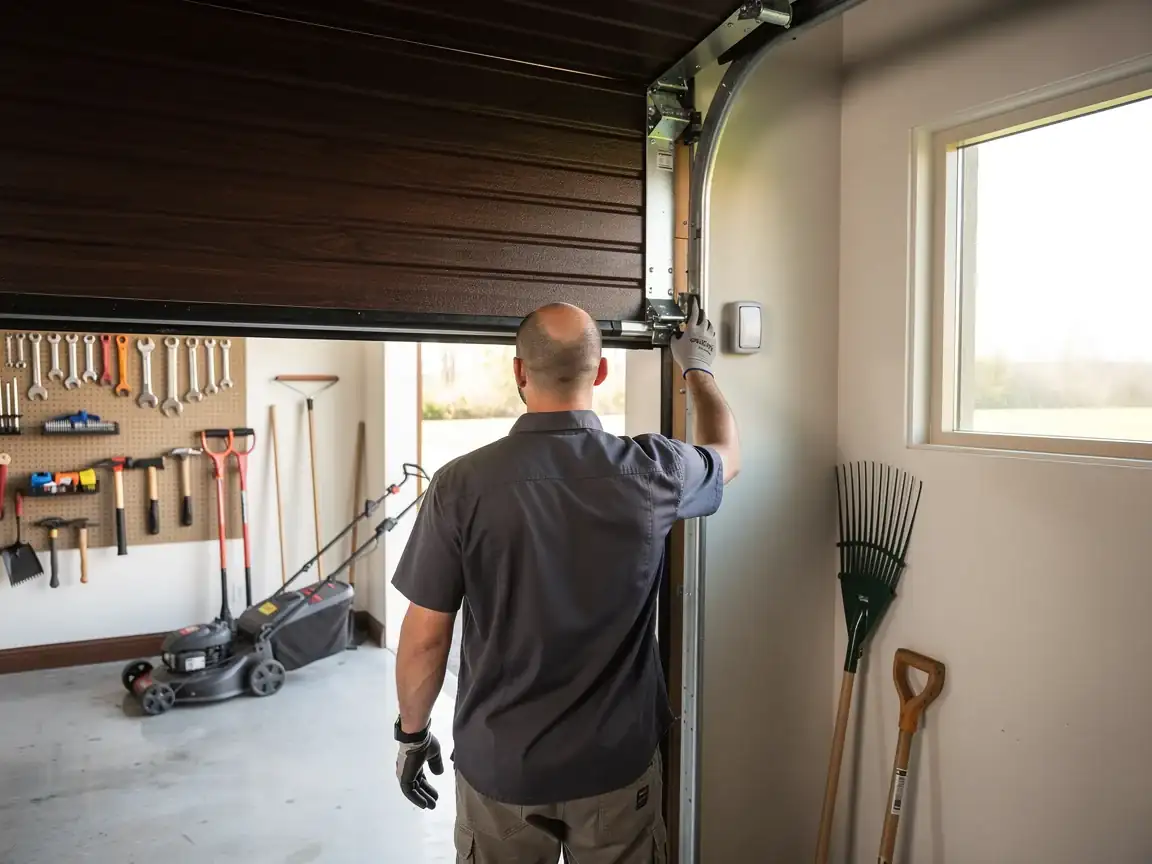
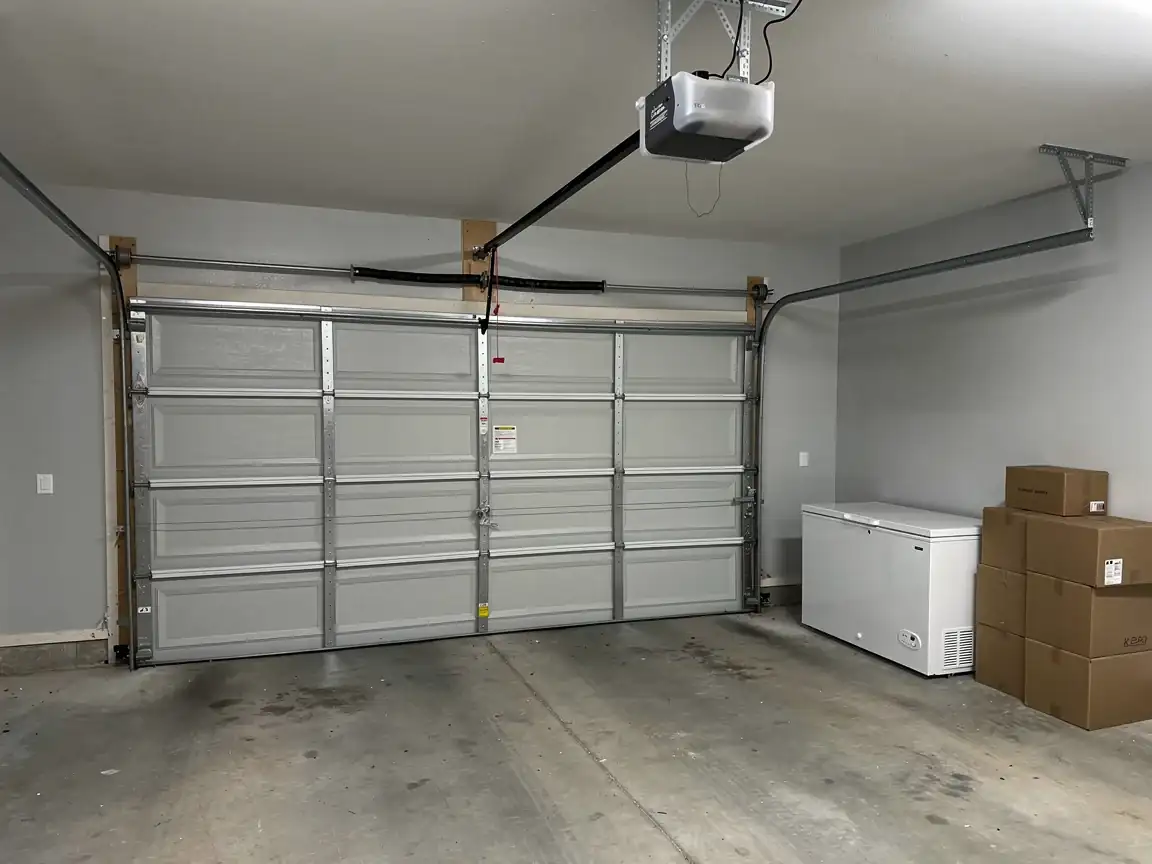
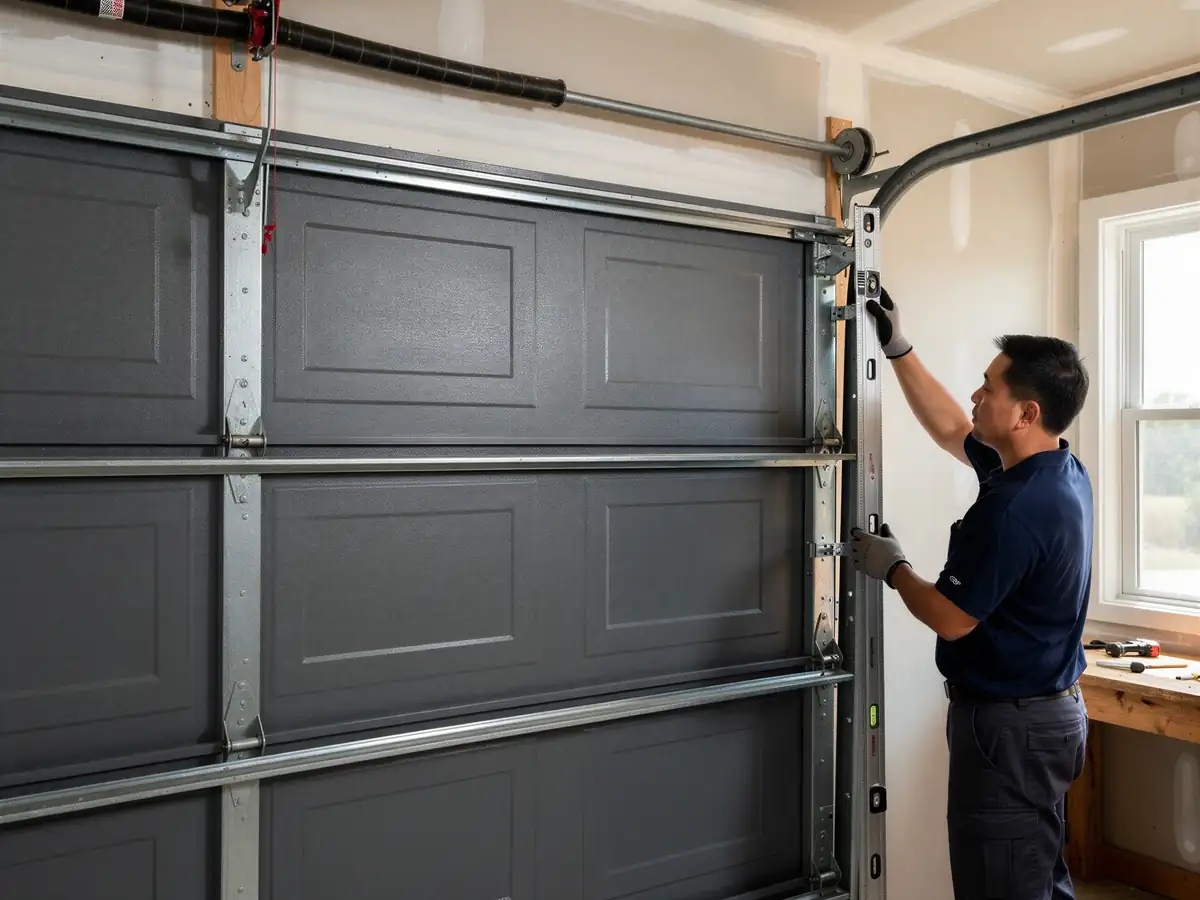
With the typical house here landing right around 1988 - square in the middle of that 1980s-90s wave that covers this whole side of the county. That matters for the repair itself: a door from that era is almost always a sectional steel panel on a torsion spring, not the older one-piece style, but the springs, cables, and openers on it are now 30-plus years old even if they've been serviced once or twice.
We start the same way every time
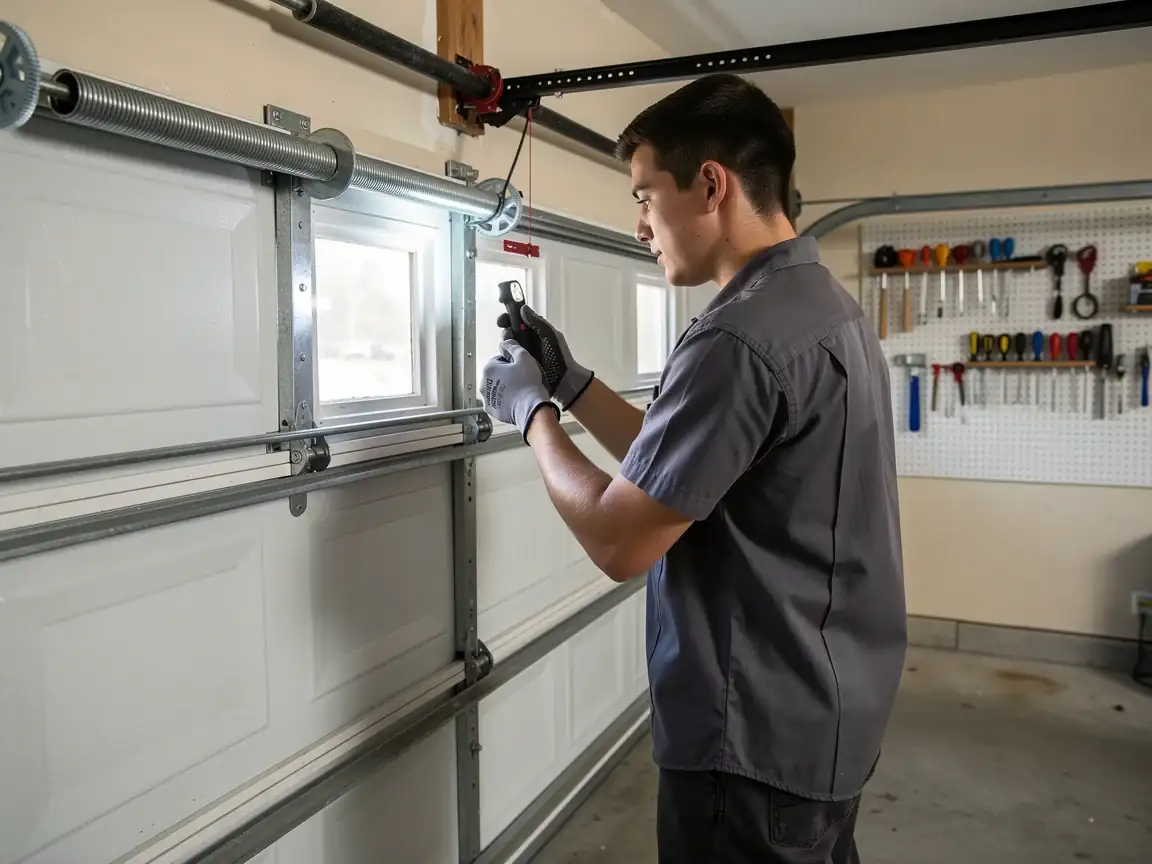
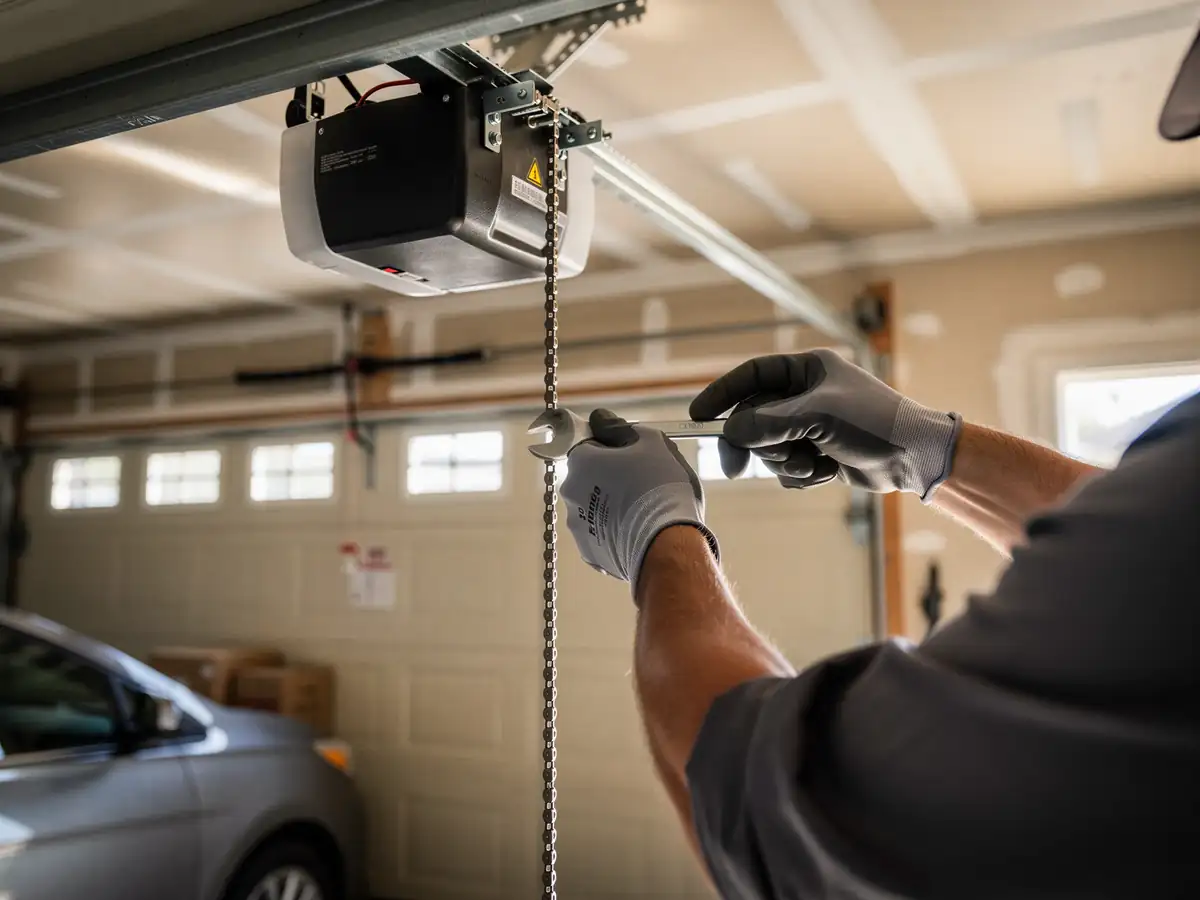
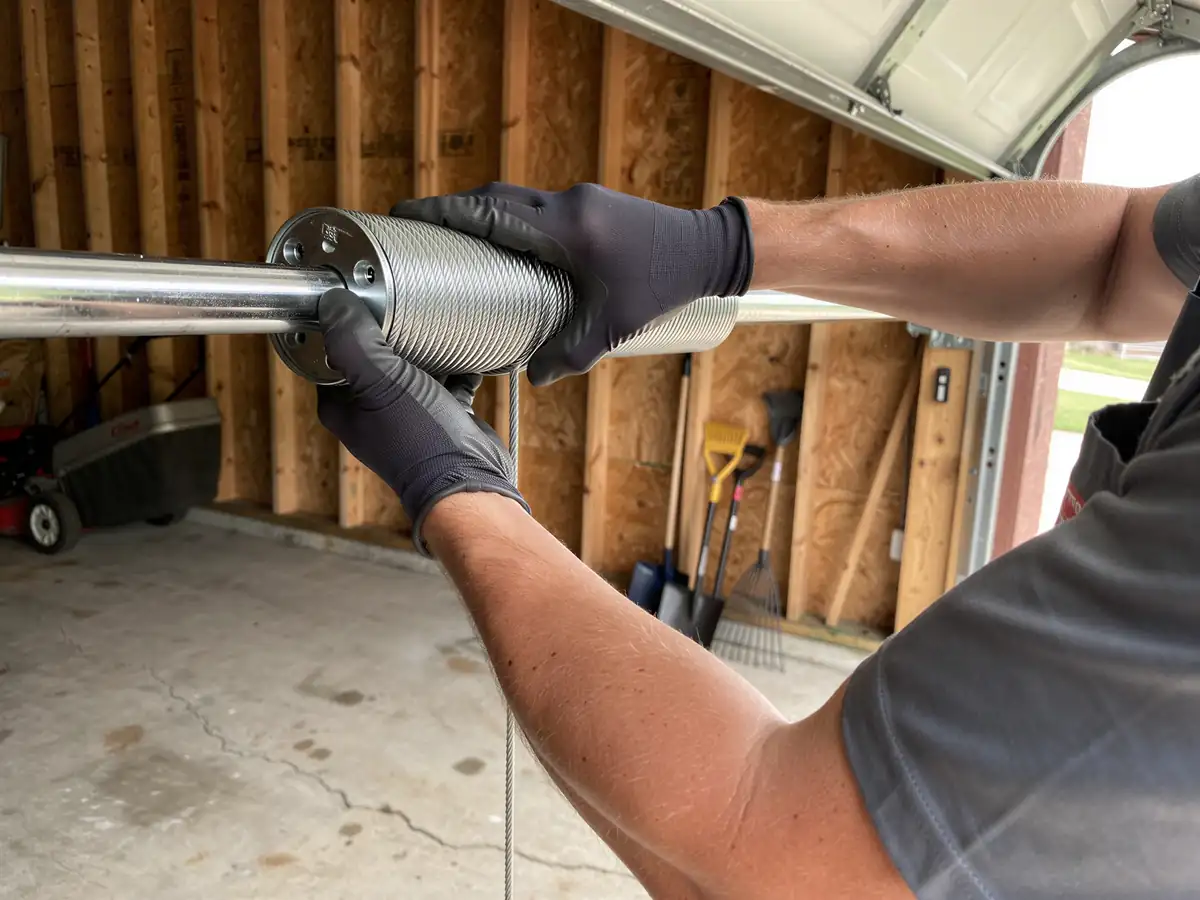
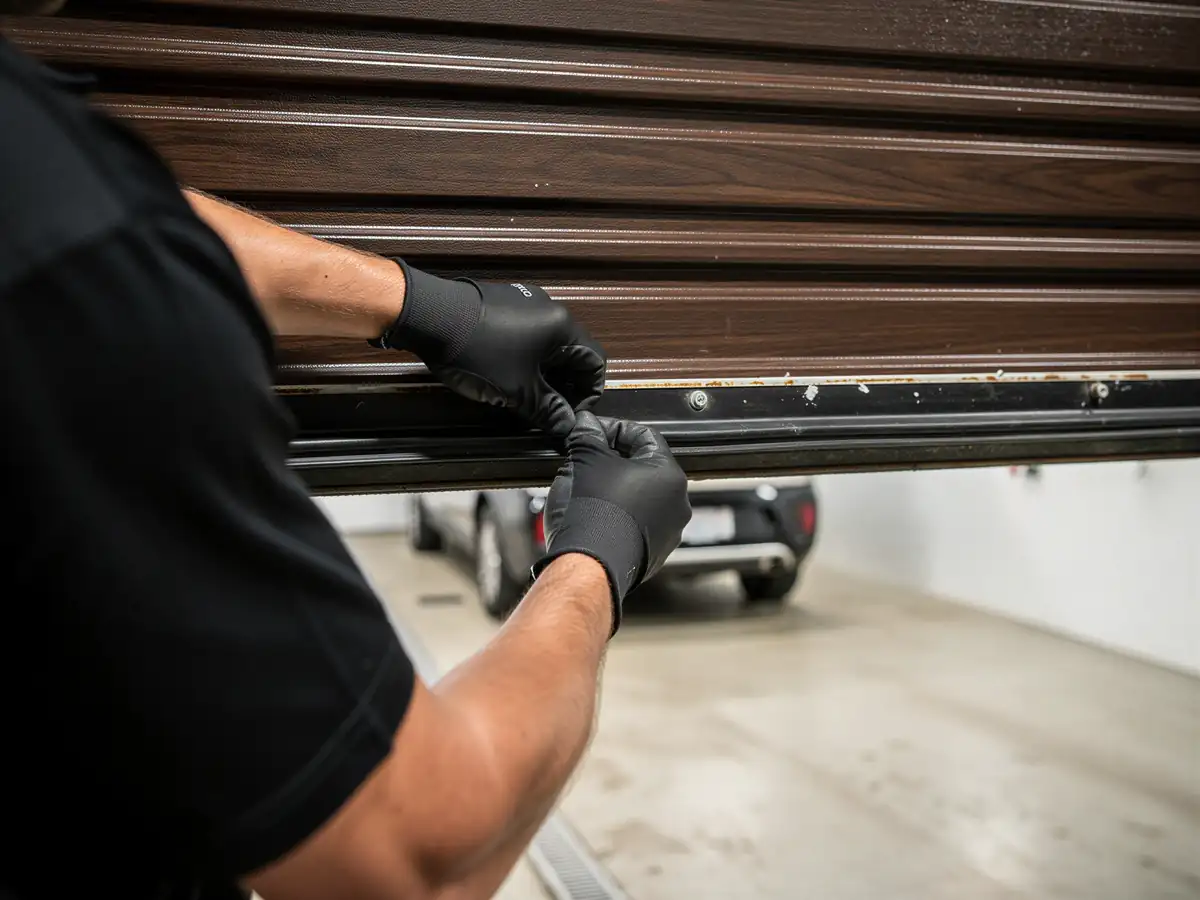
Check the spring tension and look for a cable that's frayed or jumped the drum, then check the opener for burned-out gears or a dead circuit board before we ever touch the track. On a torsion system this age, a snapped spring is the single most common call, and it's usually safe to replace both springs as a pair rather than just the one that broke, since the second is carrying the same fatigue.
The Cost of This Job
Median household income in Somerville runs around $44,783, noticeably under the $67,863 median across our wider service area. We mention that because it changes how we quote a job here - we lean toward repair over full replacement whenever the door and track are sound, rather than pushing a new unit on a homeowner who doesn't need one.
The honest limitation: if your door dates to the early end of that 1972-2012 build window and the opener or track hardware is original, parts for it can be harder to source than parts for a door put up in the late 90s. In that case repair sometimes costs close to what a new, simpler door would run, and we'll tell you that straight instead of billing you for a patch that won't hold.
Stocked Parts
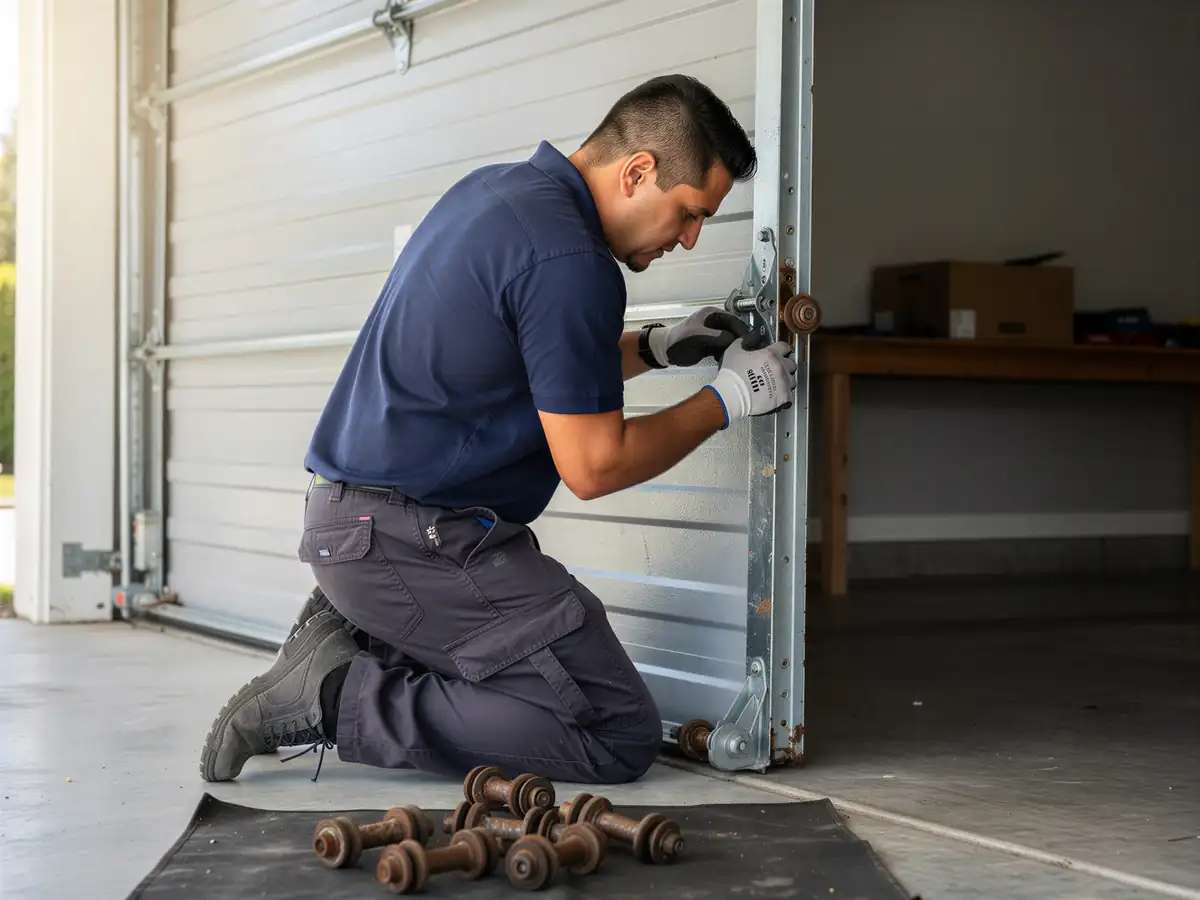
Because the typical Somerville door sits right at that 1988 build year, the truck carries torsion springs, nylon and steel rollers, and lift cables sized for the standard residential torsion setups that went in across this stretch of the 1980s and 90s. That covers the bulk of the calls we get from this side of the county.
What we don't carry on every trip is obsolete opener logic boards or one-off track hardware from the earliest houses in that 1972-2012 range - those sometimes need an order. If your door turns out to need something uncommon, we'll tell you on the spot rather than guess, and we'll come back out once the part's in.
What Can Go Wrong
This part of Alabama sits in a cold-moderate climate band
Which is kinder to garage door hardware than a true freeze-thaw zone further north, but it still puts real stress on steel springs and cables through winter cold snaps and summer humidity swings. On a 1980s or 90s torsion system that's been cycling for three decades, that stress shows up as a spring that snaps without warning, a cable that frays at the drum, or an opener motor that strains and finally burns out.
The other common failure on houses this age is a track that's worked slightly out of alignment over the years
Nothing dramatic, just enough play that the rollers start binding and the door comes off true. None of this is unique to one house; it's what happens to hardware of this vintage after years of regular use in this climate.
What Causes It Around Here
Put the two numbers together - a median build year of 1988 and a climate that runs cold-moderate rather than mild - and you get a predictable pattern: original torsion springs and openers that have outlived their expected service life, working through temperature swings they weren't rated for forever. That's the root cause behind most Somerville calls, more than any one dramatic event.
It's not storm damage or a one-off accident that drives most of these jobs. It's three decades of a steel spring cycling through a cold-moderate winter and a humid summer, on a door that was built when a 1988 house was brand new and nobody was thinking about maintenance thirty years out.