Getting It Booked In
Somerville doesn't have a garage door company sitting in town, so when you call, you're booking a truck that comes out from Decatur, about 14 miles down the road. That's not a knock on the service, it's just the geography of a small community - Somerville has around 278 households, not enough to support a shop of its own. We schedule maintenance visits in batches when we can, which keeps the trip worth making for both of us. If you're calling about a door that's making a new noise or dragging on one side, tell us that up front so we bring the right parts instead of guessing on-site. We don't do same-day emergency windows out here - we're honest about that distance, and we'd rather tell you now than promise something we can't hit.
The Cost of This Job
We're not going to quote a number here that isn't in front of us on your door, but the honest context is this: median household income in Somerville runs $44,783, noticeably under the roughly $67,863 figure for the wider service area we cover. That gap matters for how we recommend work - we'll tell you plainly when a $40 roller swap buys you another five years versus when you're pouring money into a spring system that's one failure away from needing the whole assembly replaced. We'd rather do the job in stages than oversell a full teardown on a door that's still got life in it.
Stocked Parts
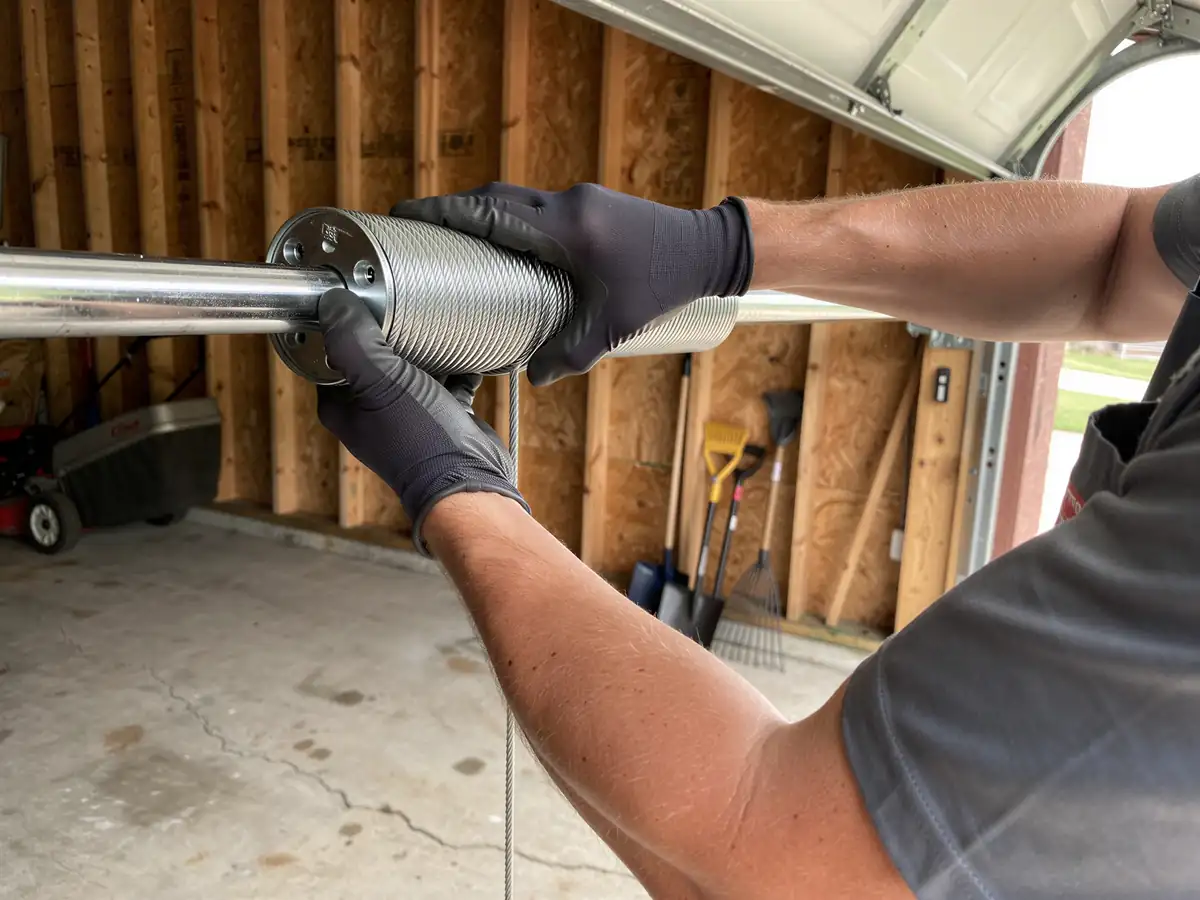
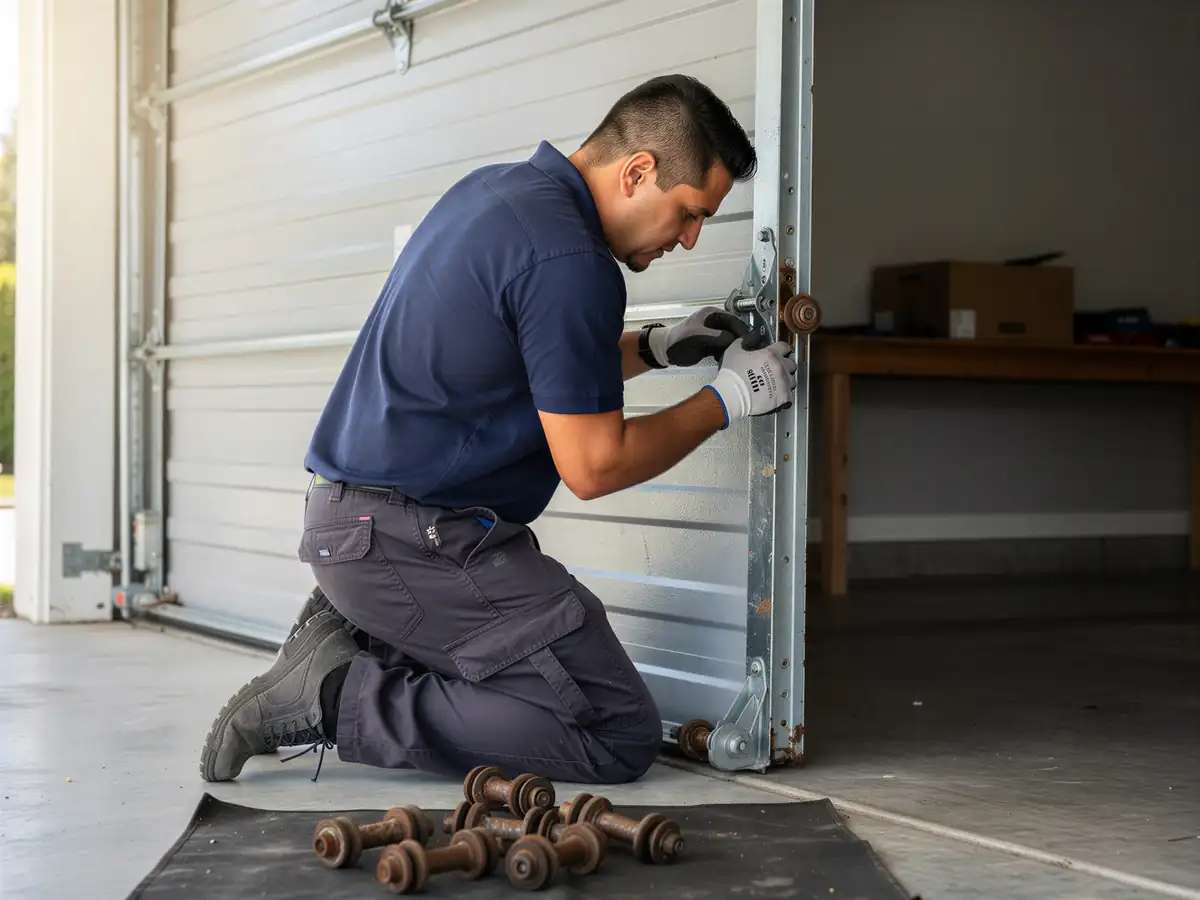
With 278 households in Somerville, we're not running a parts van built around this one neighborhood - we stock what covers the common 1980s-90s hardware across the whole area, including standard torsion springs, steel rollers, and the cable gauges that match doors from that build era. Where we run short is specialty parts: older screw-drive opener boards, obsolete extension spring pulleys, or anything a previous owner special-ordered decades ago. On those, we're upfront that it's a wait, not a same-visit fix, and we'd rather tell you that than leave you thinking we stalled.
What Causes It Around Here
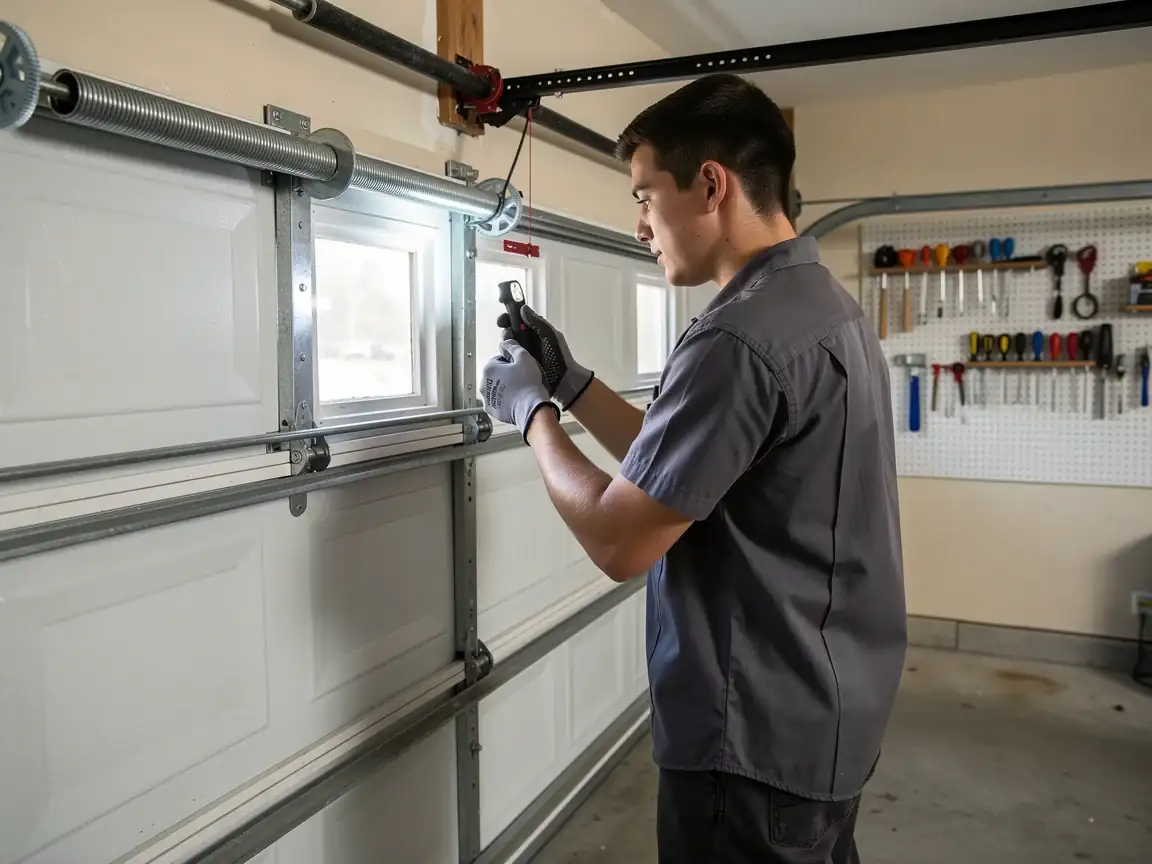
The area sits in a cold-moderate climate band, and that swing between freeze and thaw is hard on anything metal that flexes - springs lose tension faster, weatherstripping cracks and lets cold air under the door, and track brackets that were torqued down thirty years ago work loose as the wood frame around them moves season to season. Combine that with a housing stock that's mostly original hardware from construction, and you get doors that look fine but are running on worn parts nobody's replaced since the house was built. Regular maintenance doesn't stop that aging, but it catches the spring that's about to go before it goes on your car.