Getting It Booked In
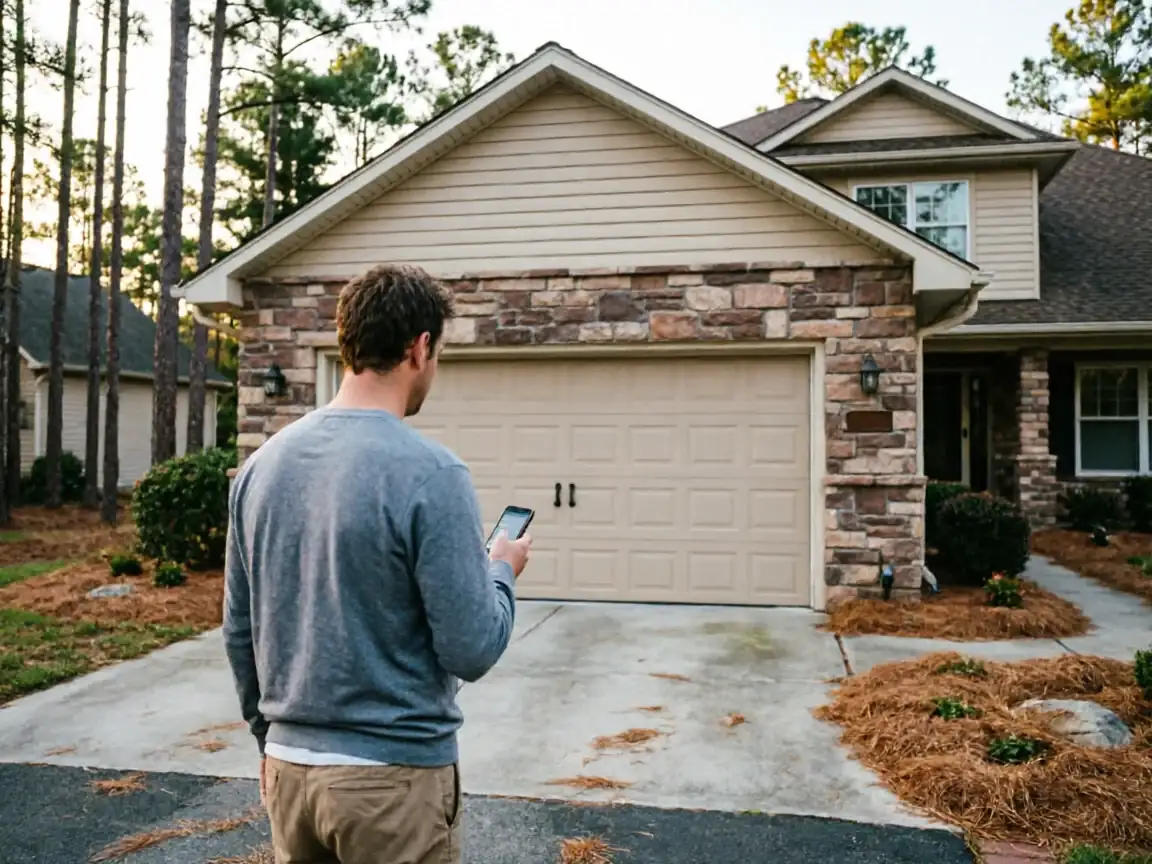
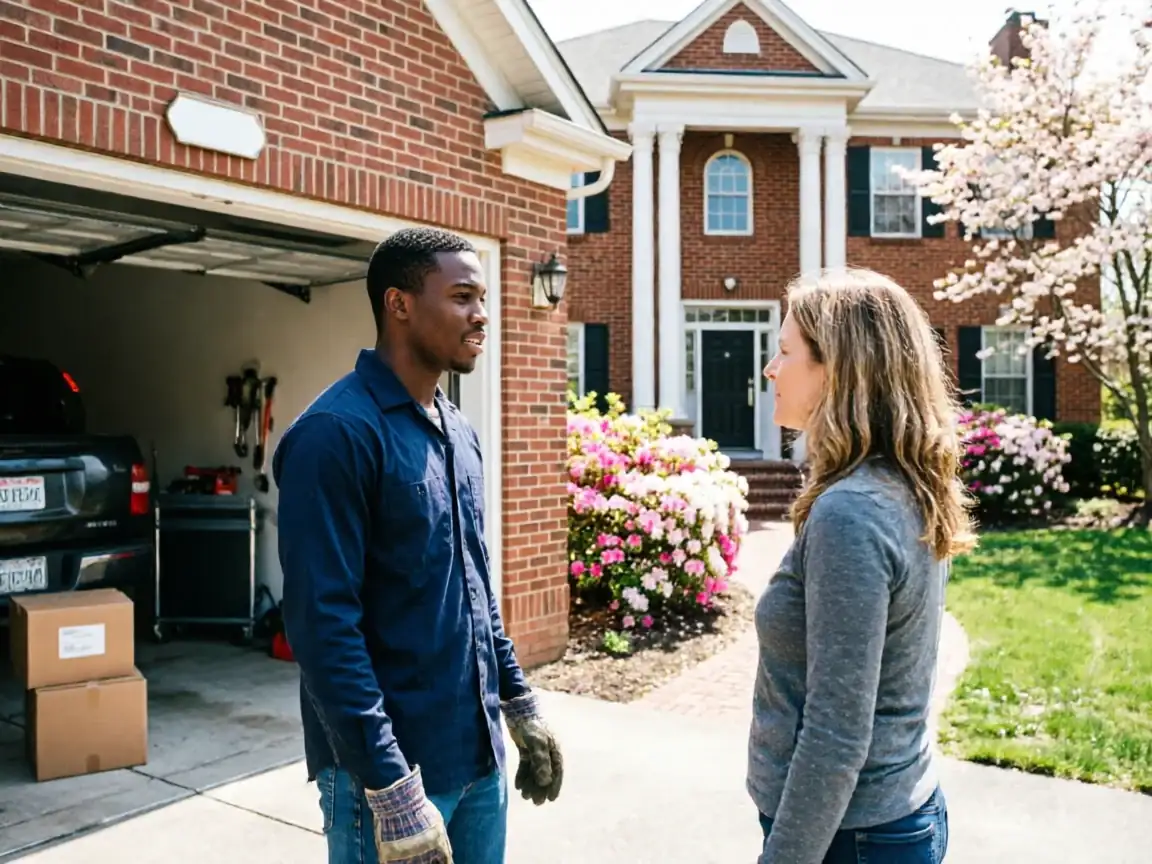
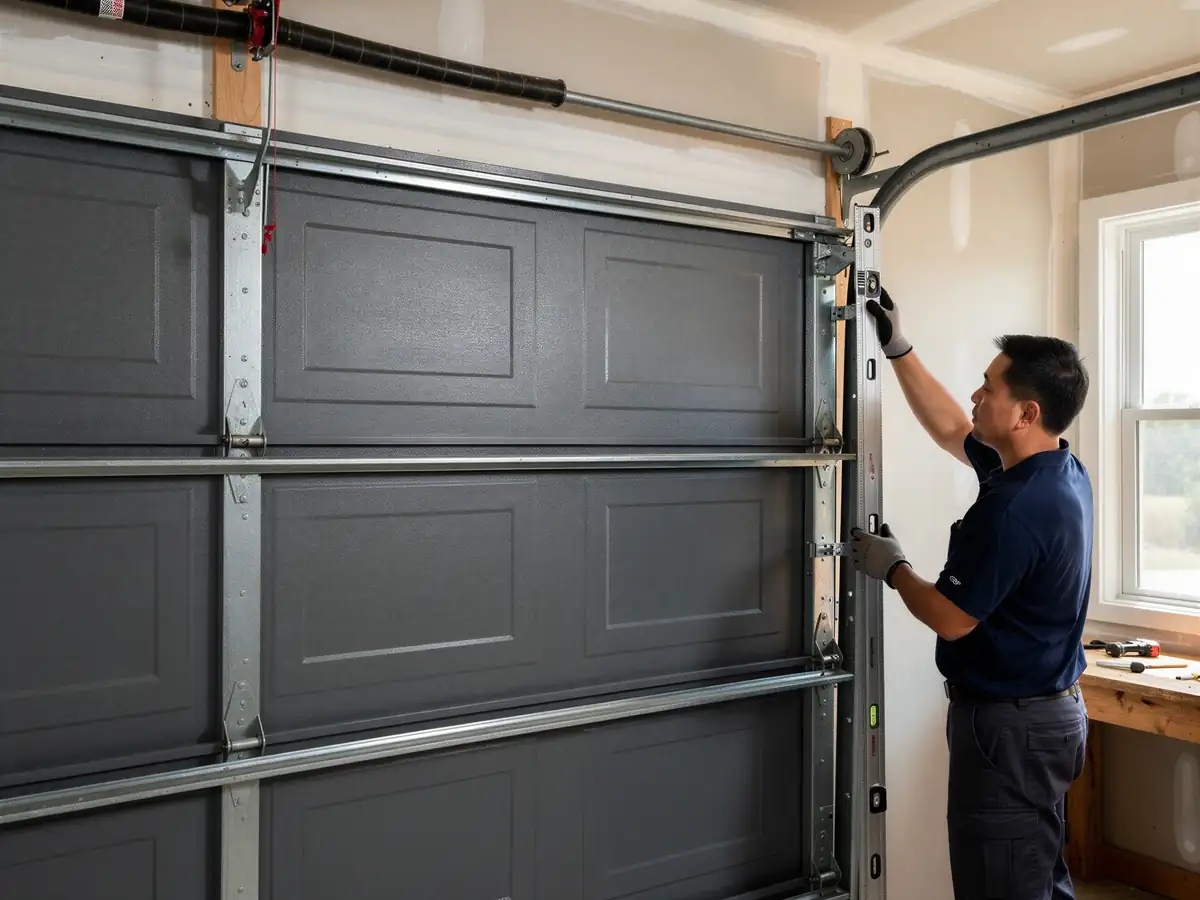
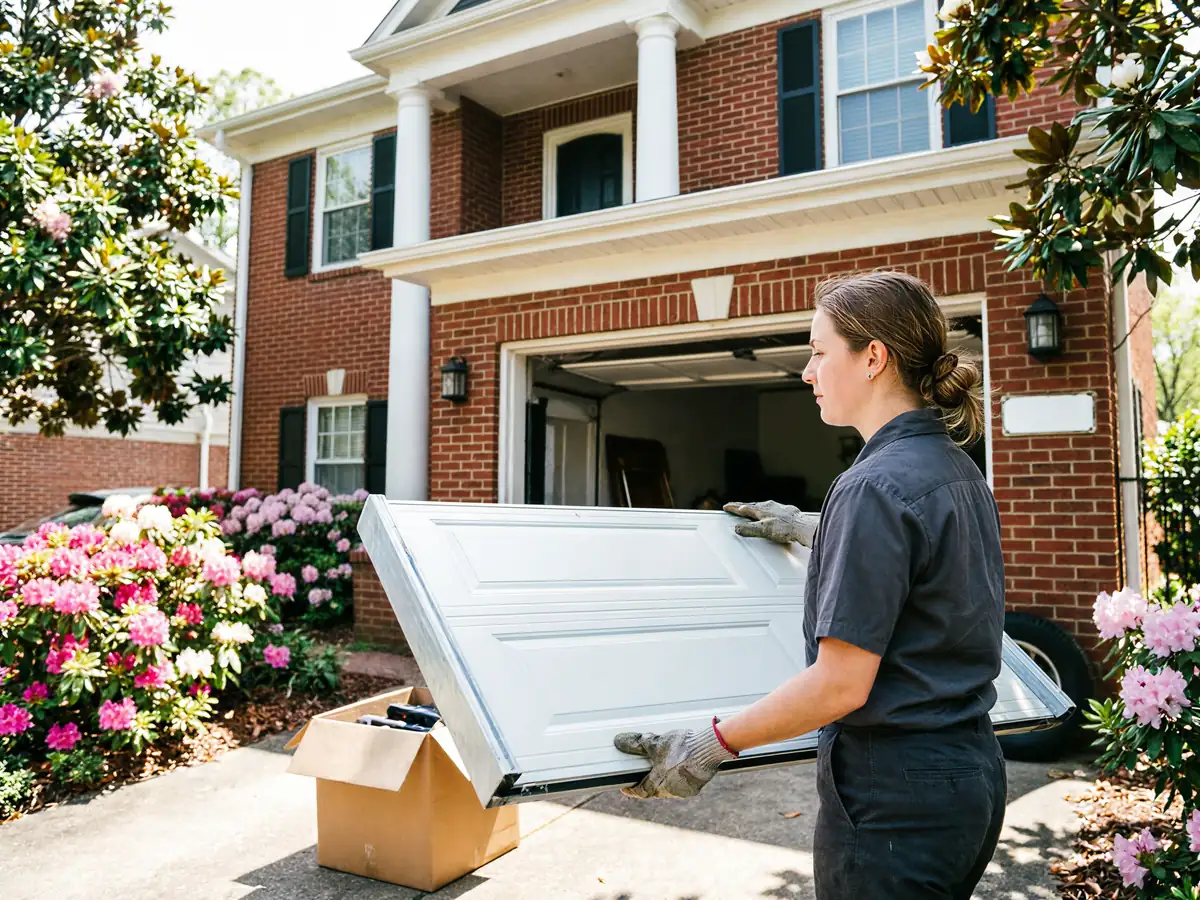
Somerville doesn't have a Decatur Garage Door Pros location of its own - we run the 14-mile trip out from Decatur for every job here. That means booking works a little differently than it would for a street closer to the shop: we ask more questions up front about the opening size, the door's age, and what's already failing, so the truck that shows up has what it needs. With about 278 households in this stretch, we're not rolling through daily, so a scheduled install gets planned around what else is on the route that day. If you're replacing a door that's original to a house built around 1988, say so when you call - that one detail changes what we bring. We don't keep a standing crew stationed in Somerville, and we're upfront about that instead of pretending otherwise. If your opening turns out to need something unusual once we're there, we may need to come back a second time rather than carry every possible track length and spring rate on one truck.
The Cost of This Job
We're not going to print a number here that doesn't hold up once we see your opening, but we can tell you how we think about it for this area. Median household income across the wider Decatur service area runs around $67,863; here in Somerville it's closer to $44,783, and that gap shapes which doors we lead with when we quote a job. We're more likely to start the conversation with a solid steel or insulated steel option sized right for a 1980s-era opening than with a premium custom door, simply because that's what fits the budget most homeowners here are working with. If a lighter, less insulated door will do the job and cost less to install and run, we'll say so rather than upselling. The honest limitation: we price per job, on site, after we've seen the opening and the condition of the track and header - a phone estimate on an install this far out isn't reliable enough for either of us to trust.
Stocked Parts
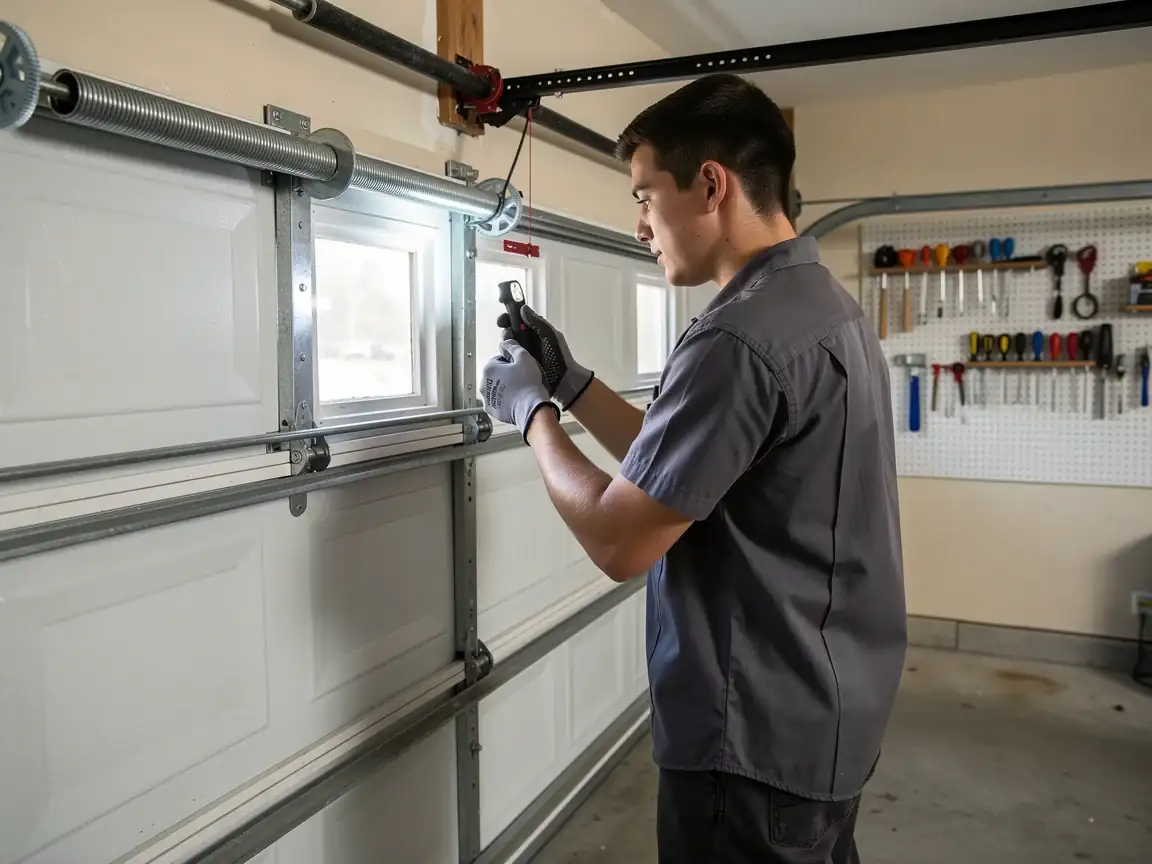
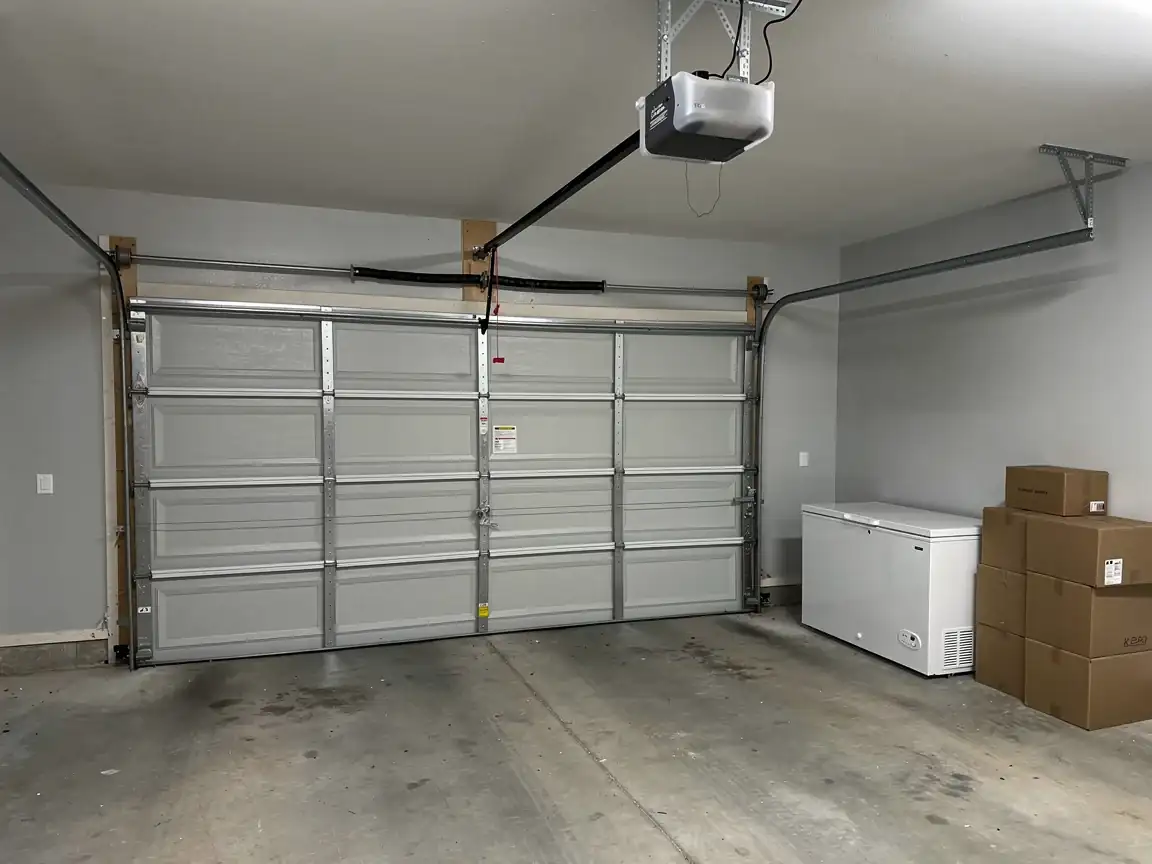
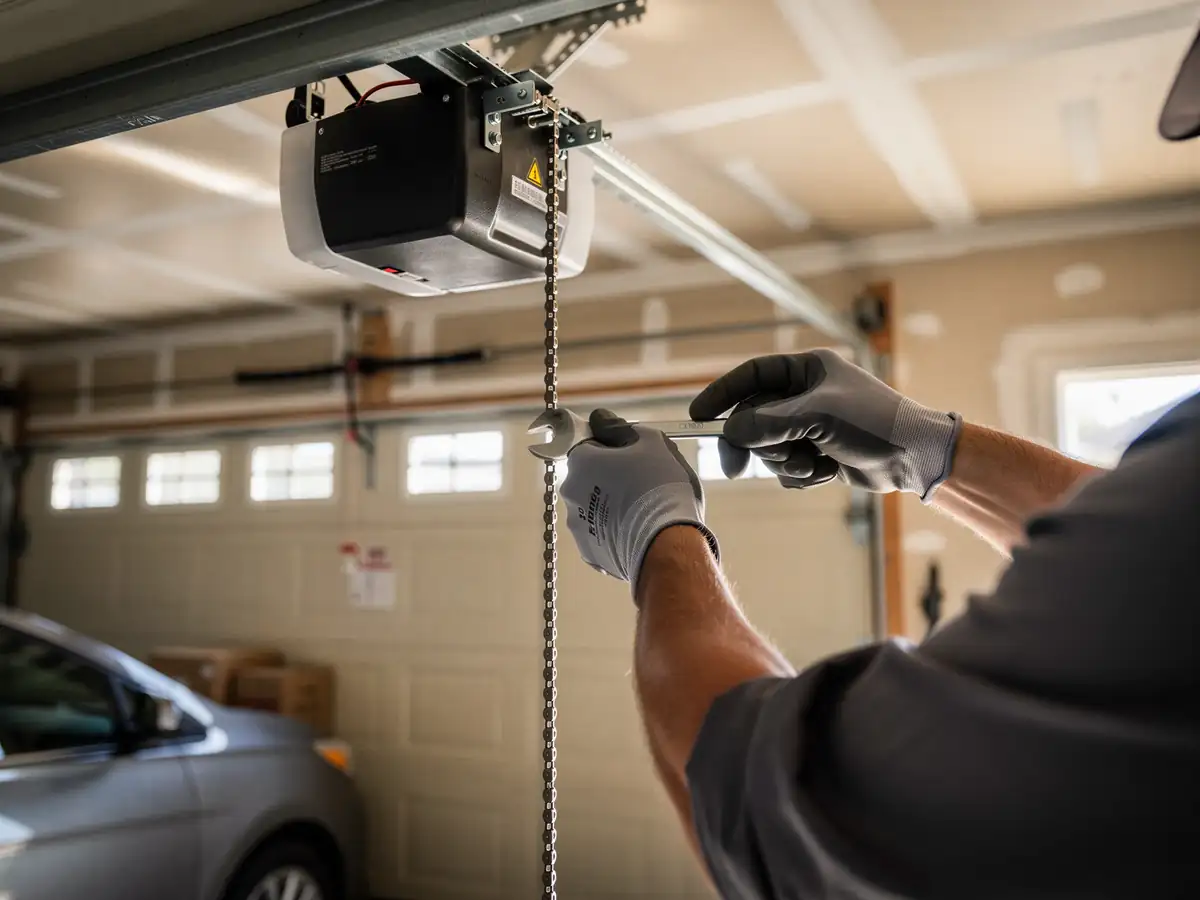
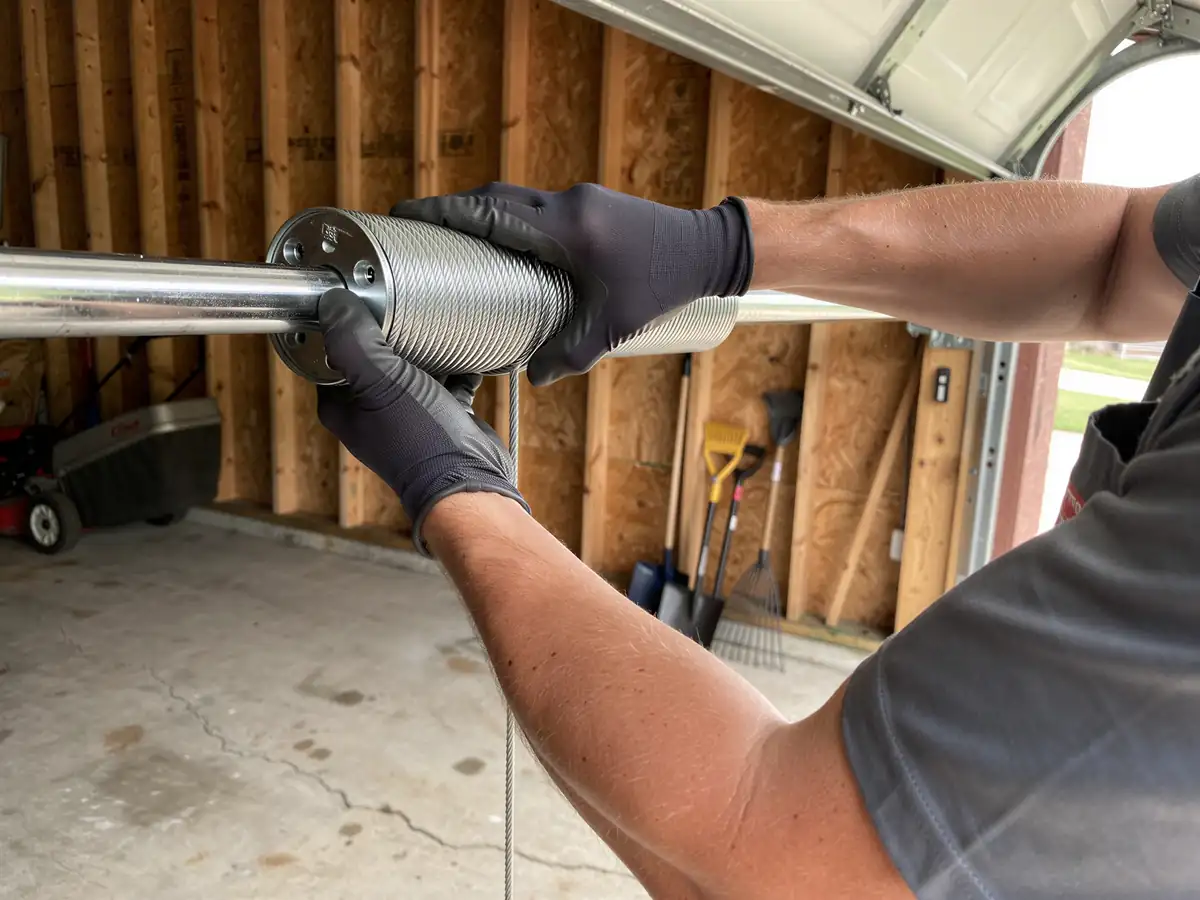
Because so much of the housing here dates to the late 1980s and 1990s, the openings tend to cluster around a handful of standard widths, and we stock torsion springs and standard track sections sized for those. Where it gets harder is openers - a house built in 1988 may have gone through two or three opener replacements since, and we can't predict what logic board or rail system is already up there until we're on the ladder. We carry common drive belts, chains, and screw-drive parts, but a less common opener brand might mean a short wait on a specific part rather than a same-visit fix. Rollers, cables, and standard hinges we carry regardless of door age, since those wear out on any door built in any decade. The one thing we don't stock on the truck is custom-width panel sections for a non-standard opening - those get ordered once we've measured, not guessed at in advance.
What Causes It Around Here
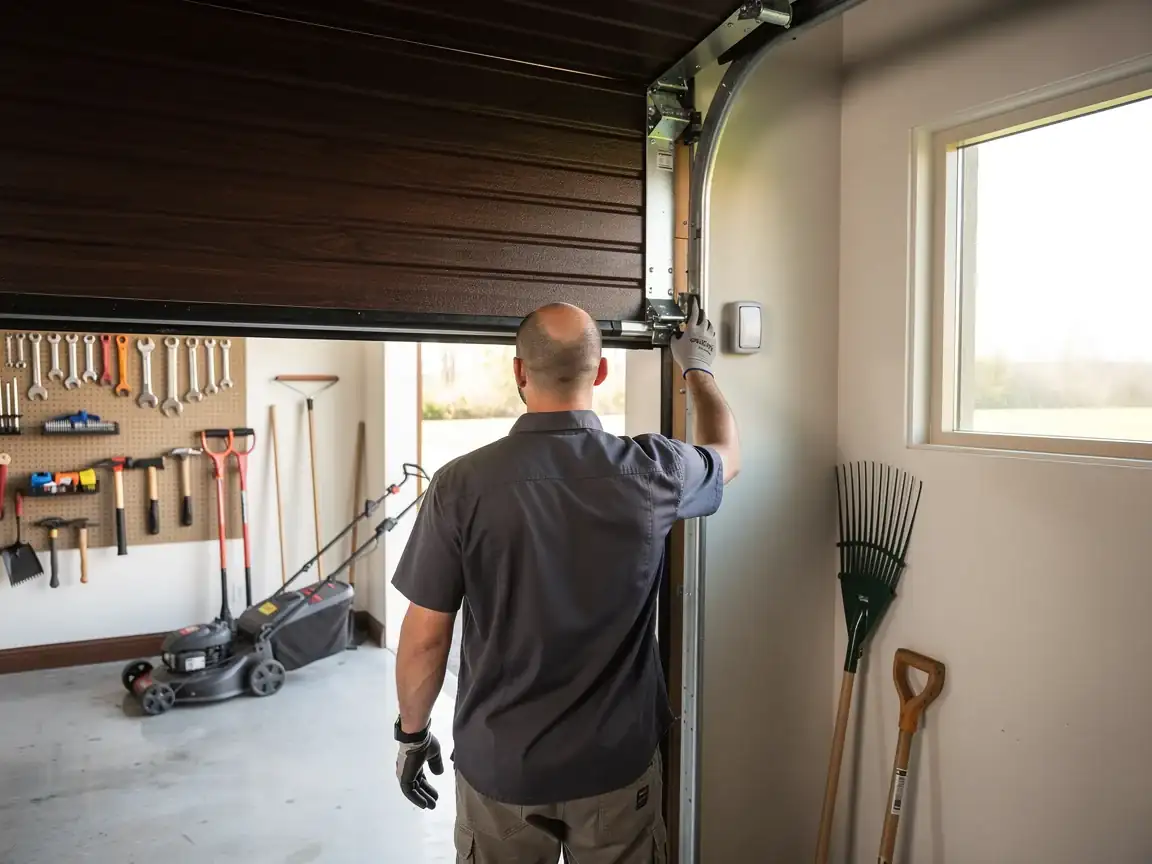
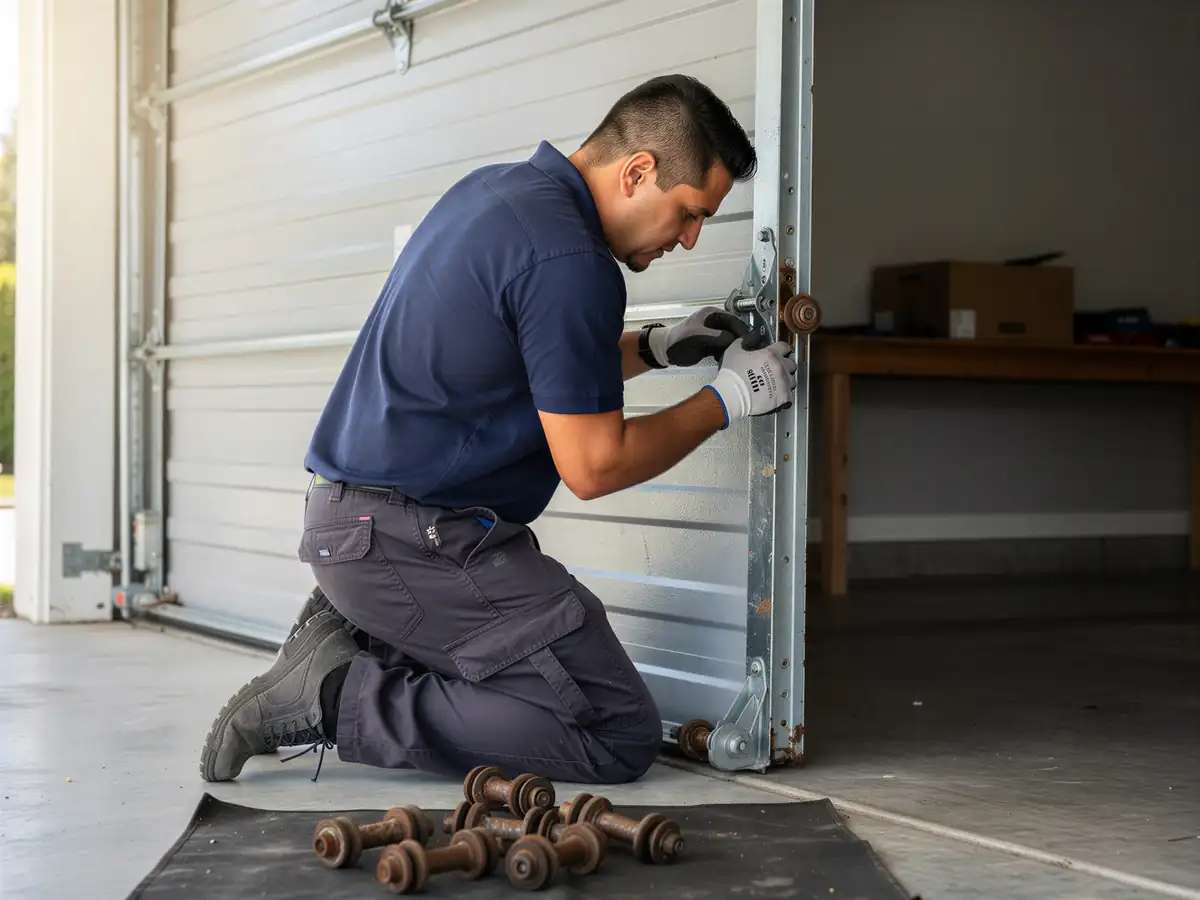
The area sits in a cold-moderate climate band - not the deep freezes you'd get further north, but enough winter cold most years to stiffen grease in old bearings and shrink metal track just enough to throw alignment off on a door that was already marginal. Houses built between the early 1970s and 2012, with most of this stretch clustering around 1988, means a lot of original steel sectional doors with single-layer panels that were never insulated to begin with - those flex more in temperature swings than a modern insulated door would, which puts extra strain on track rollers over time. Being 14 miles out from Decatur and closer to Trinity and Priceville than to the shop doesn't change the climate, but it does mean we're seeing the same cold-weather wear pattern across a wider stretch of similarly aged houses rather than one isolated problem house. None of that is exotic - it's ordinary hardware fatigue sped up by age and temperature, which is exactly why original 1988 hardware is usually the first thing worth checking before anything else.