Getting It Booked In
Somerville's median household income sits at $44,783, well under the $67,863 median for the wider Decatur service area we cover. That gap matters here because roller replacement is one of the few garage door jobs where the repair line and the replacement line sit close together, and a lot of Somerville homeowners want to know which side of that line their job falls on before they book anything.
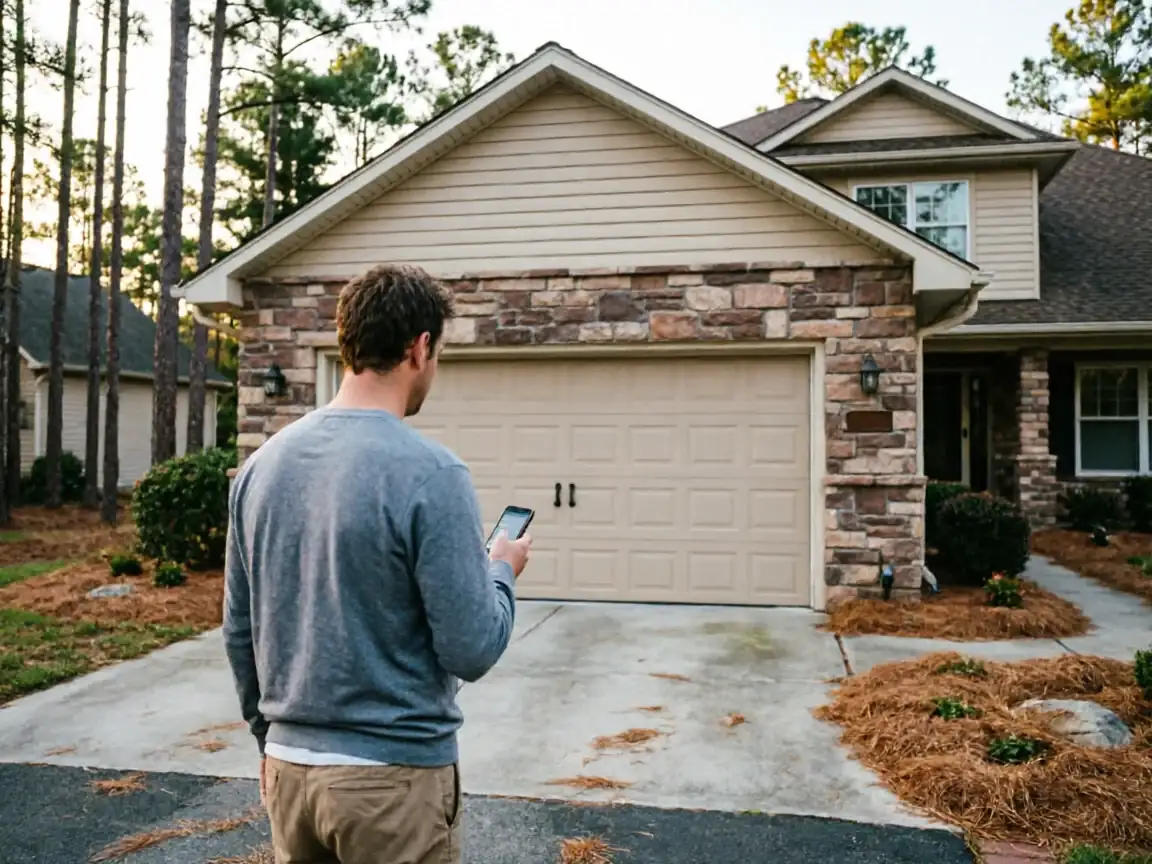
We don't run a branch out of Somerville. Every job here is a truck trip out from Decatur, about 14 miles down the road, so when you call, give us enough detail to load the right rollers before we leave - grinding noise, a door that jumps the track, or rollers you can see are cracked or flat on one side. That one extra detail saves a second trip. If you want the rundown on everything else we do out this way, that's on our Somerville page; this page is just the roller job.
How We Fix It
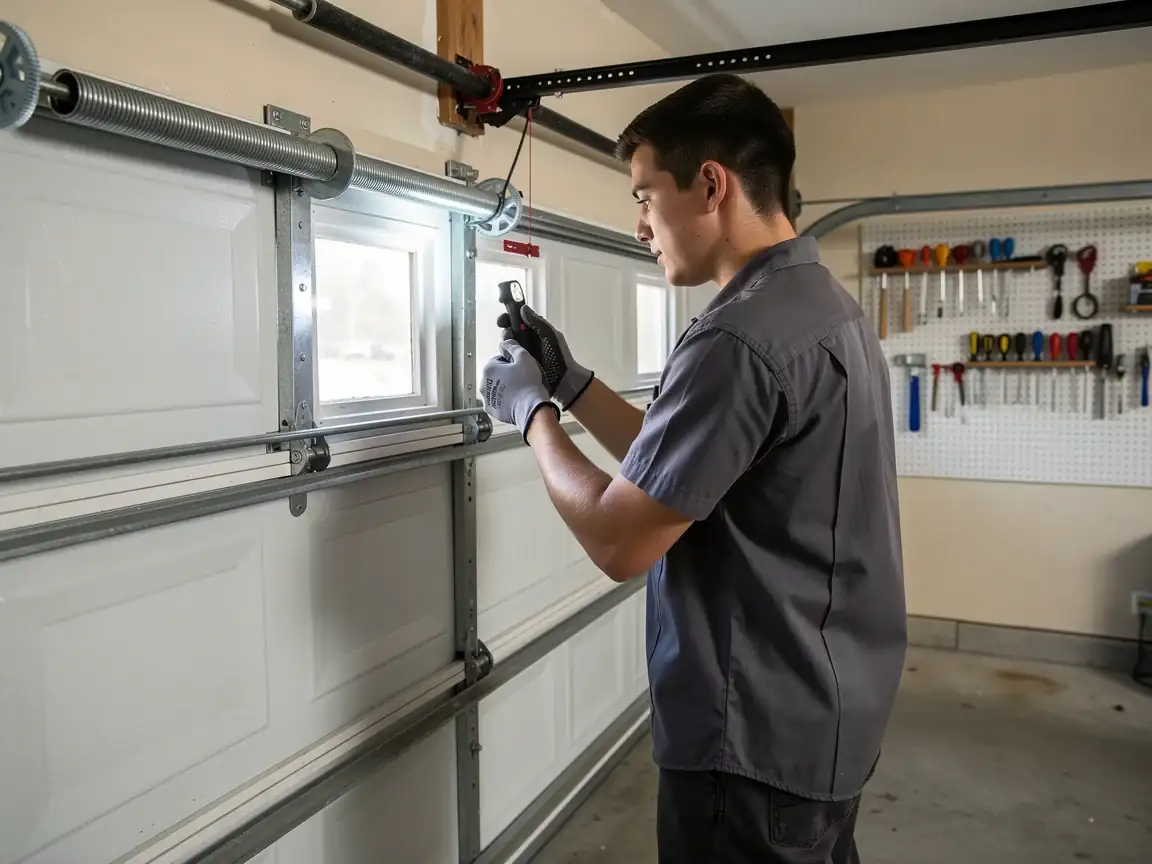
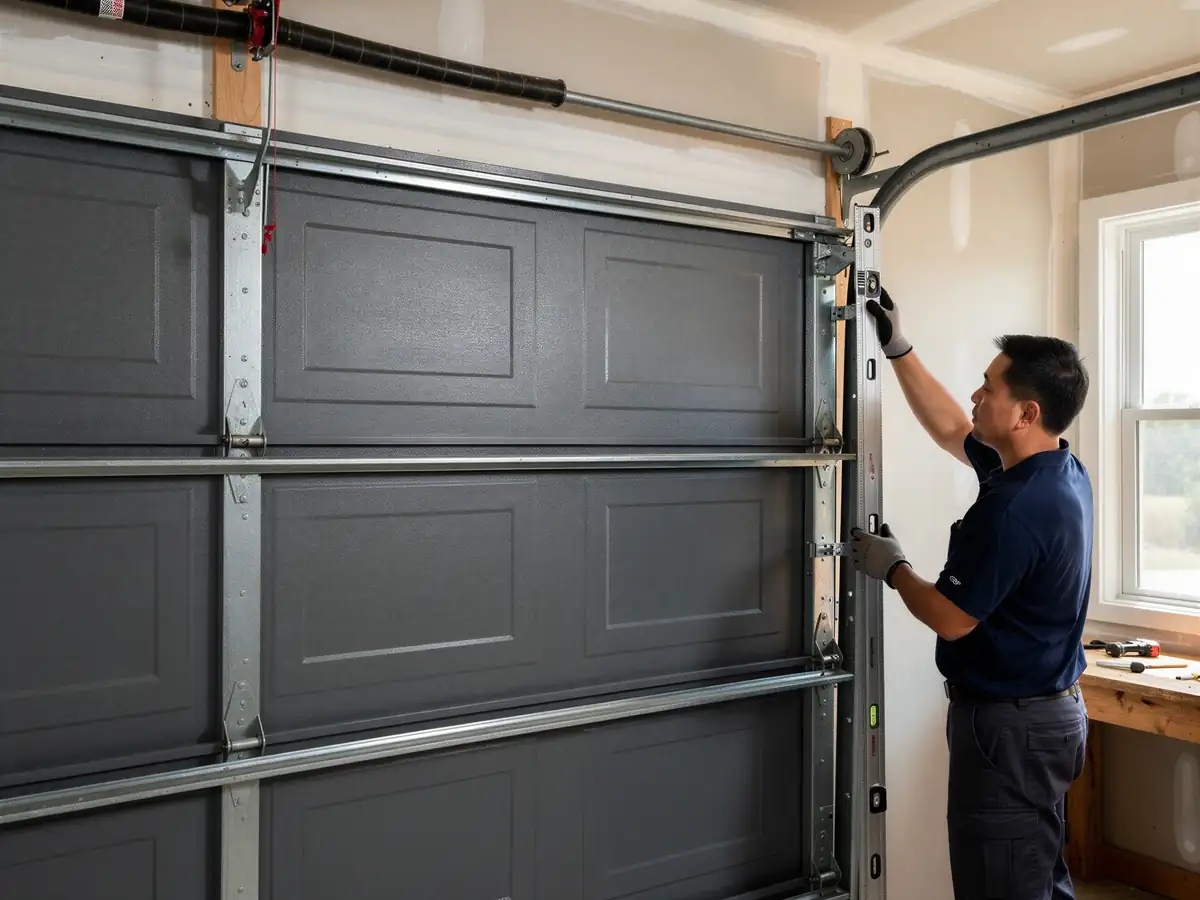
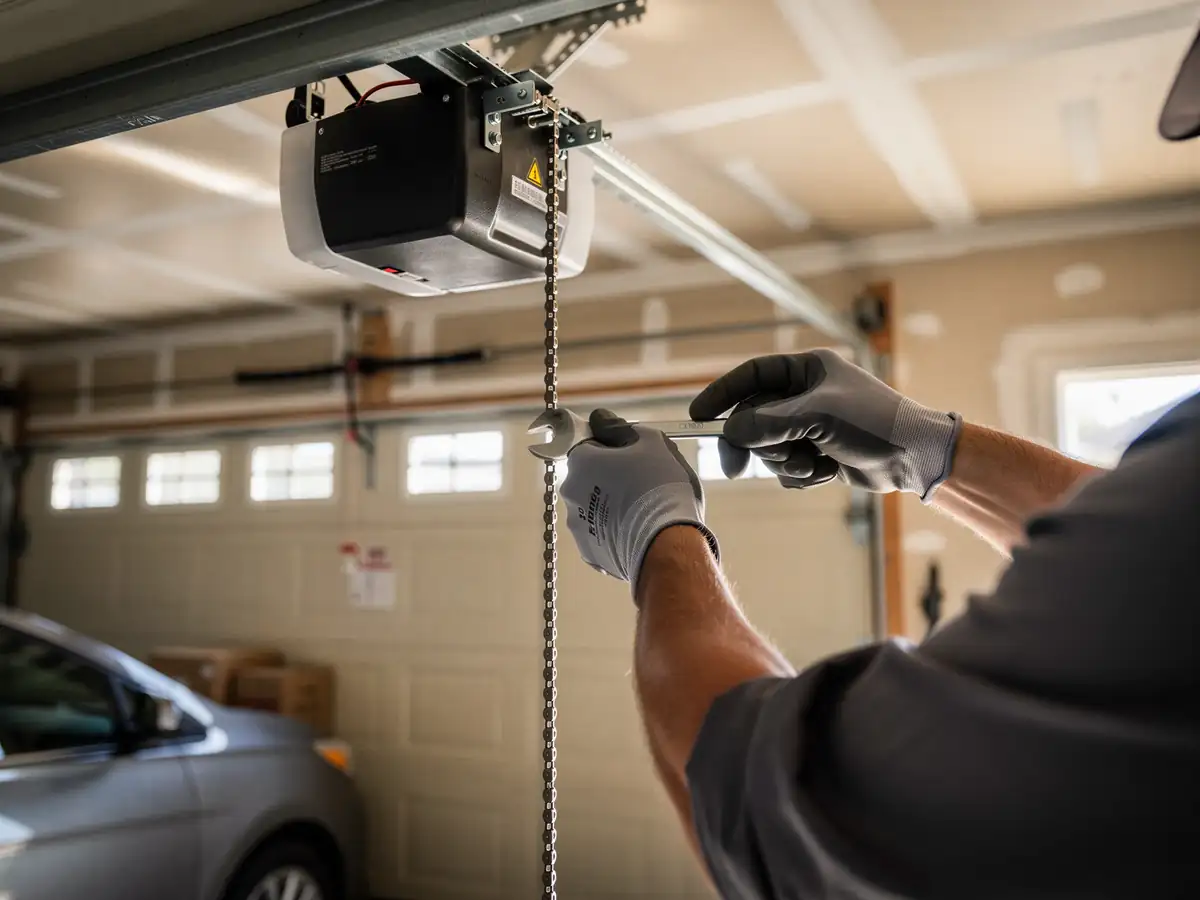
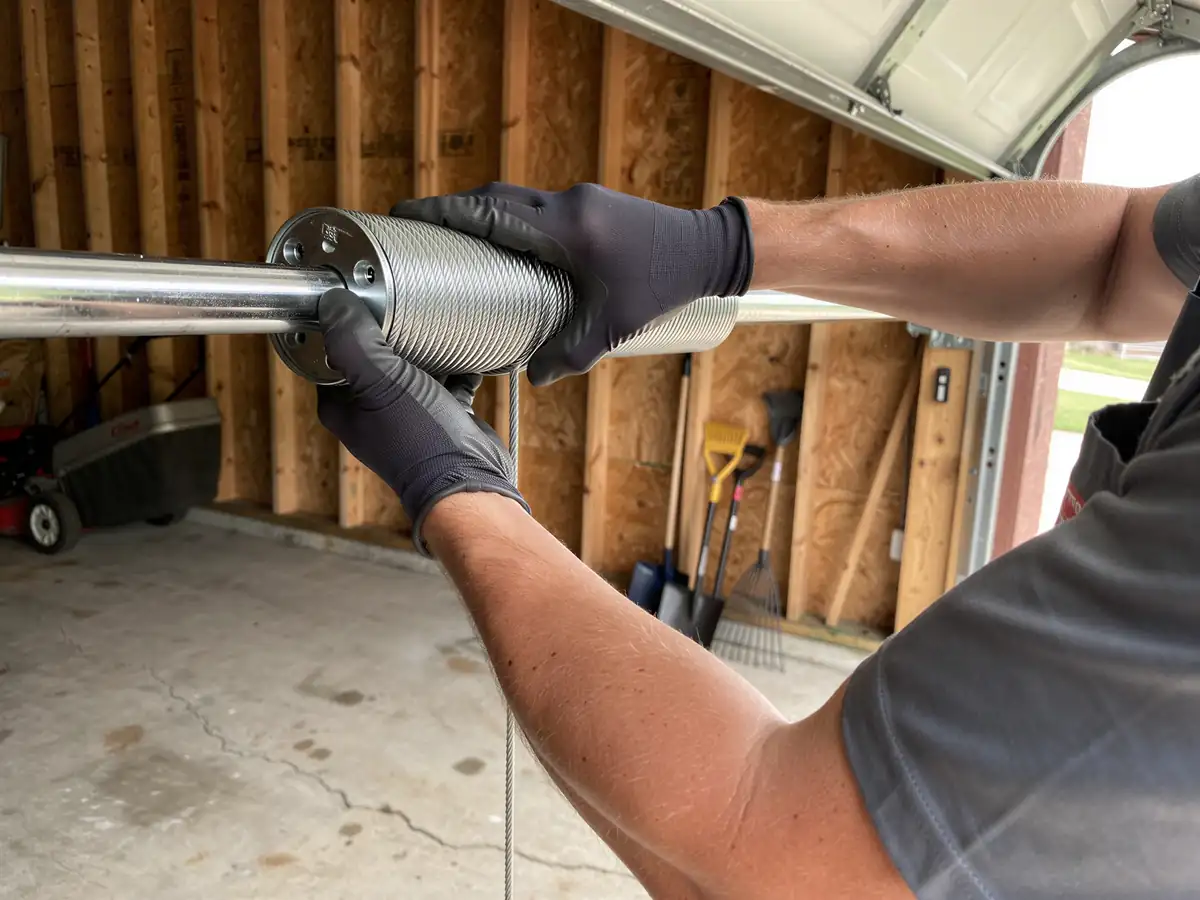
We clamp the door in place, release tension on the torsion spring or extension springs
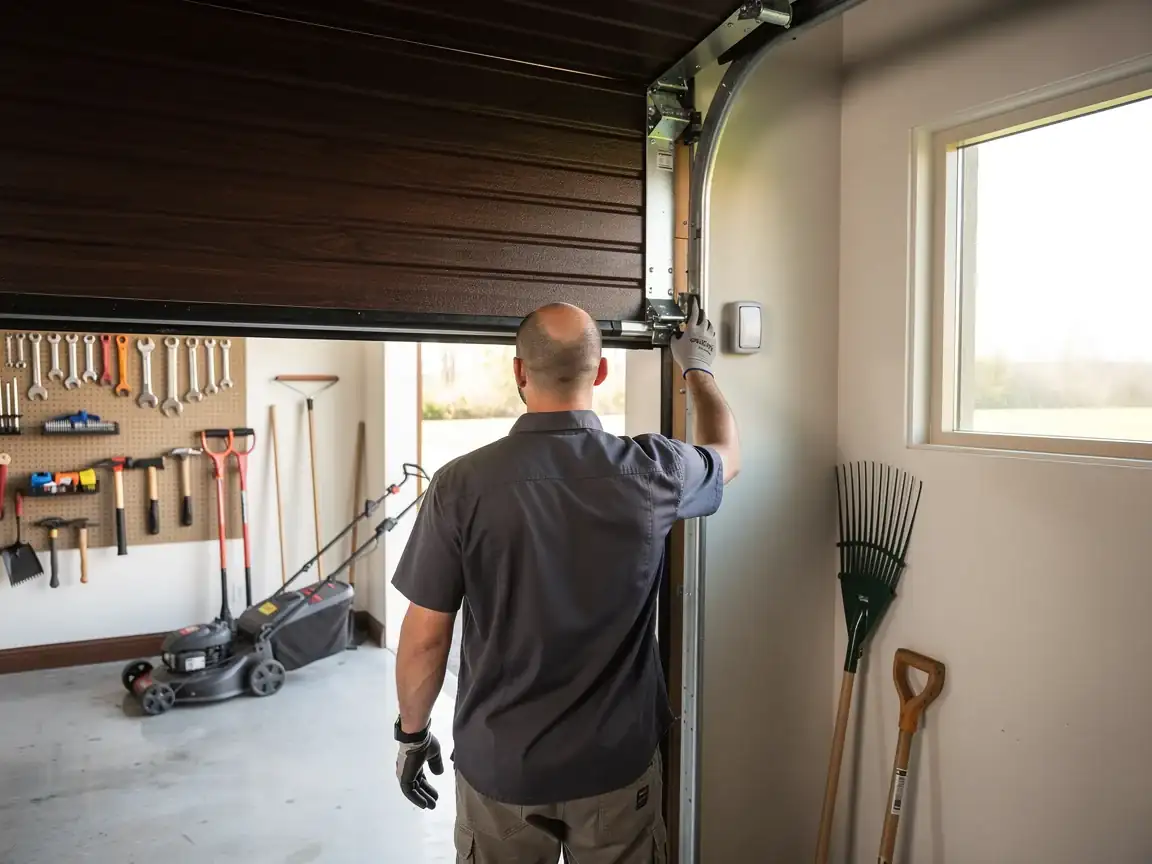
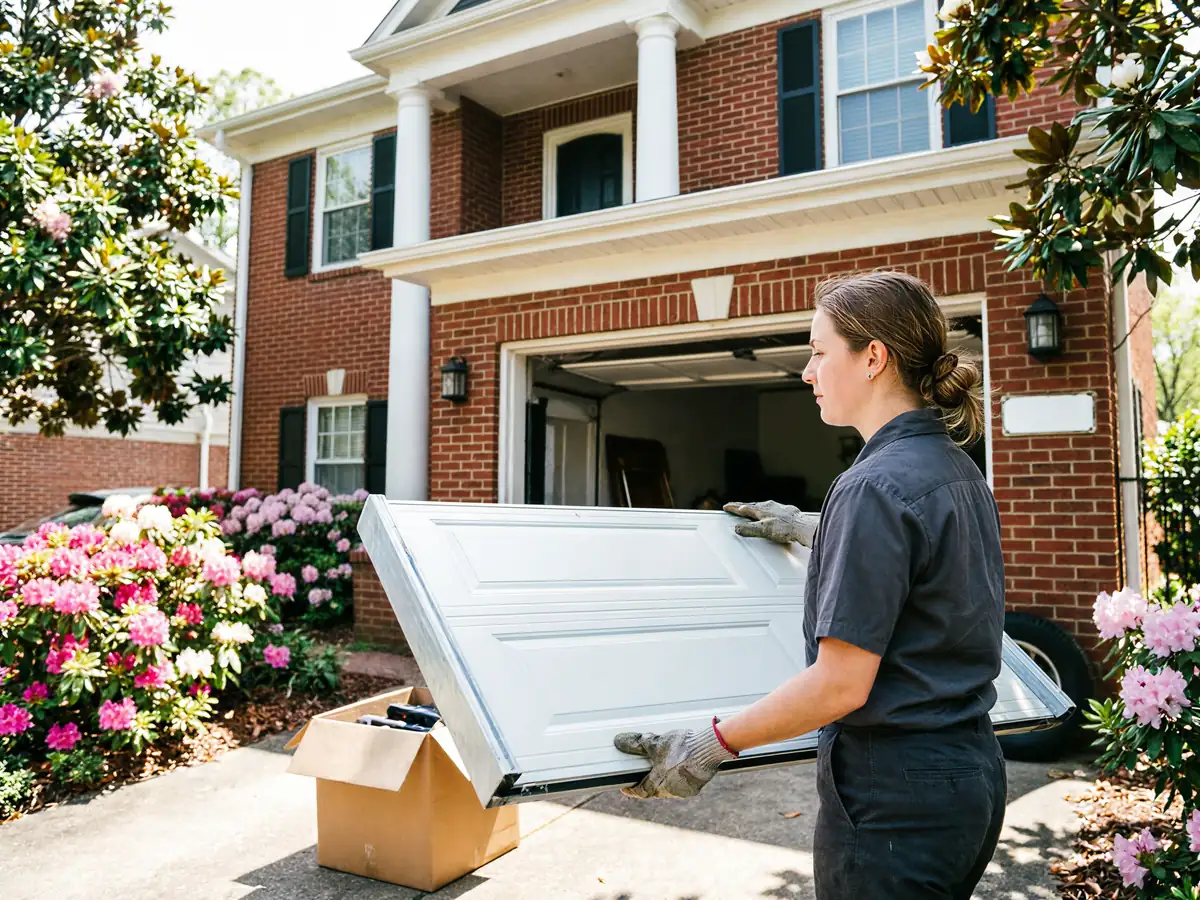
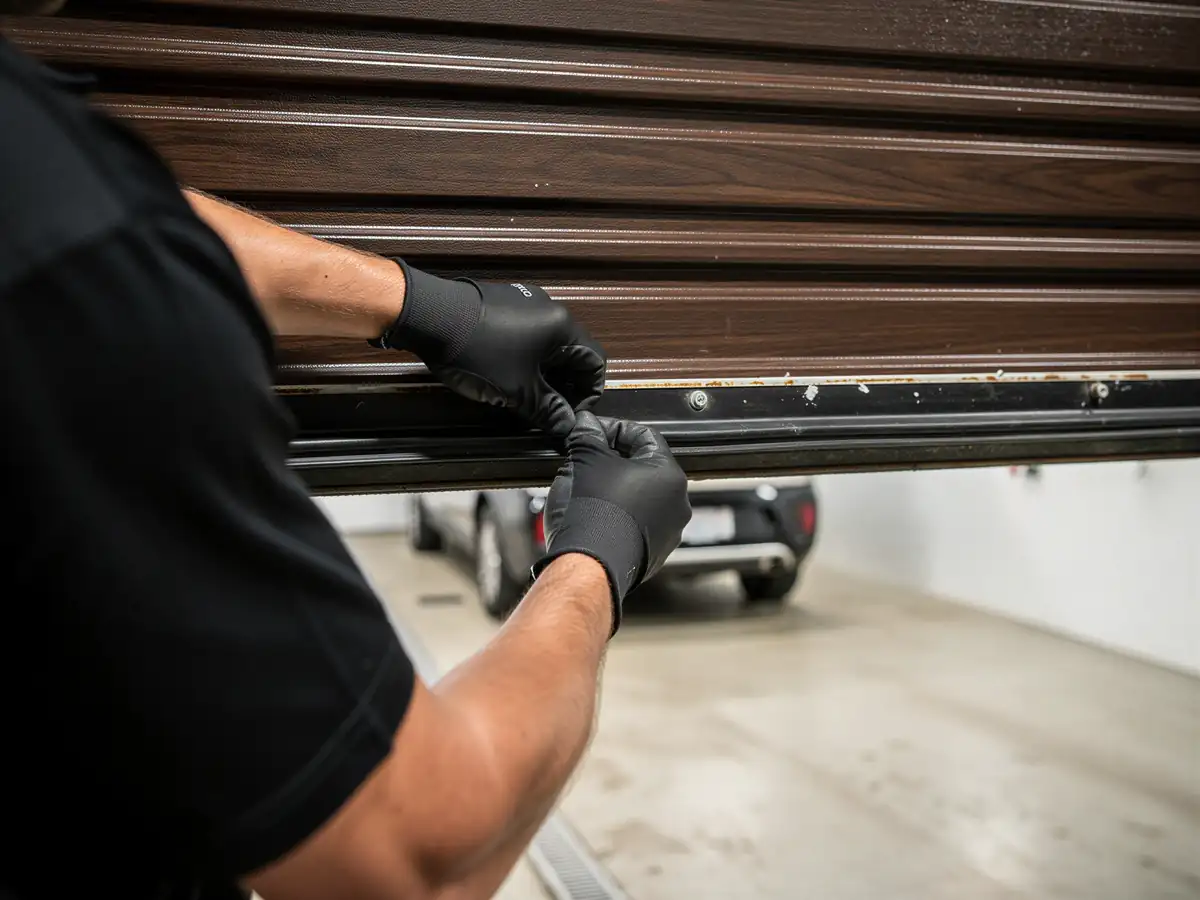
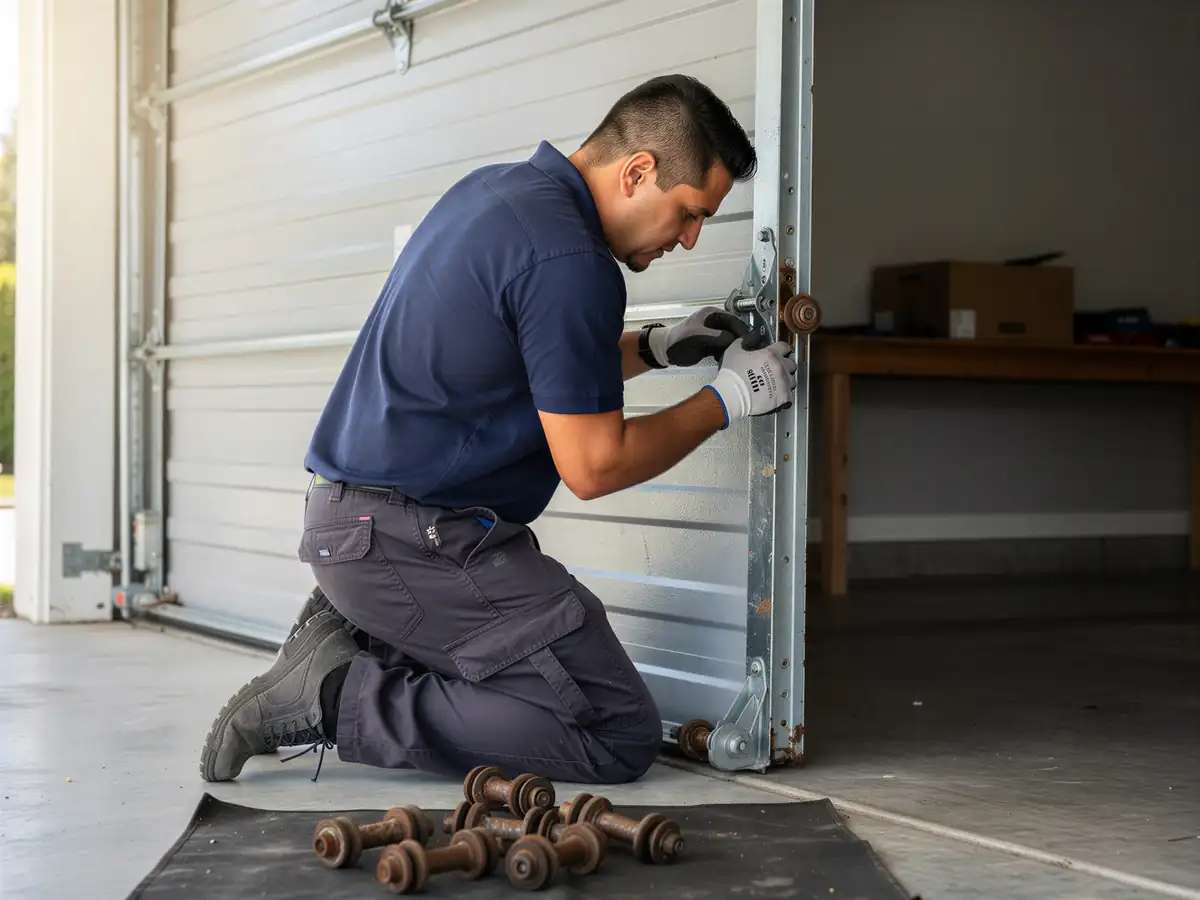
And work roller by roller rather than pulling the whole set at once - that keeps the door from sagging or falling out of the track while we work. Each roller comes off its hinge, the stem gets checked for wear, and we seat the new roller before moving to the next one.
On houses built around 1988
Which is close to the median build year across this part of the service area, you'll often still find the original 2-inch steel rollers with open bearings. Those are the ones that seize up and start screaming on cold mornings. We typically swap them for sealed-bearing nylon rollers, which run quieter and don't need the periodic oiling the old steel ones did. If the track itself is bent or the brackets are stripped from years of a roller grinding sideways, that gets addressed before new rollers go in - putting new rollers in a bad track just wears them out again in a few months.
The Cost of This Job
At a median household income of $44,783, most Somerville jobs we see land on the repair side of the line rather than the replace side - a roller swap is a parts-and-labor job, not a new-door job, and it's priced that way. Where the math changes is if the track is bent beyond straightening or the opener is failing at the same time; stacking those repairs can push a homeowner toward asking about a full door instead, which is a different job covered on our Decatur roller replacement page.
We'll tell you straight if your situation is one of those - replacing rollers on a door with a cracked panel or a dying opener is money spent on the wrong problem. That's the honest limitation here: rollers fix a roller problem, not a structural one. For income levels like Somerville's, compared to the $67,863 median across the rest of the service area, getting that call right the first time matters more, not less.
Stocked Parts
Across the whole service area we run from Decatur, there are roughly 11,609 households and 8,352 owner-occupied houses, which is enough volume that we keep common roller sizes stocked on the truck rather than special-ordering for every job. Somerville itself is a smaller slice of that - about 278 households - so we size our stock around the more common setups we actually see out there: standard 2-inch steel rollers for older sectional doors and 10-ball sealed nylon rollers for anything that's been upgraded.
What we don't carry on the truck are oddball or discontinued roller stems for doors that were custom-built decades ago - those sometimes need a short wait on a special order. It doesn't come up often on houses from the late 1980s and 1990s, which is most of what's out here, but it happens on older or custom installs.
What Can Go Wrong
Pulling rollers sounds simple until a stripped bracket or a seized hinge turns a quick job into a longer one
The most common surprise is a bracket that's been held in place more by rust than by its own screws - once the old roller comes out, the bracket can crack or come loose entirely, which means replacing hardware we didn't plan on when we quoted the job over the phone.
The other thing that goes wrong is a cable that was already fraying and just happened to be the thing holding tension while we worked
We check cable condition before we start for exactly this reason, but a cable that looks fine at a glance can still let go under load. Neither of these is common, but they're the reason a straightforward roller job can occasionally run longer than expected, and why we'd rather find it and fix it than leave it for the next call.
What Causes It Around Here
Most of the housing stock in this part of the service area went up between the 1970s and the 2010s, with Somerville and the surrounding areas centered close to 1988. That puts a lot of original rollers right around the point where steel bearings have worn past the point of just oiling them quiet again - thirty-plus years of opening and closing wears any bearing down eventually.
The cold winters common to this part of the state are hard on nylon rollers too, especially older ones that have gone brittle rather than staying flexible. A roller that cracks in cold weather usually isn't a one-time failure; it's the last stage of wear that started years earlier. Between the age of the doors out here and the climate they've sat through, roller wear is one of the more predictable repairs we get called out for in Somerville, rather than a surprise failure.