Getting It Booked In
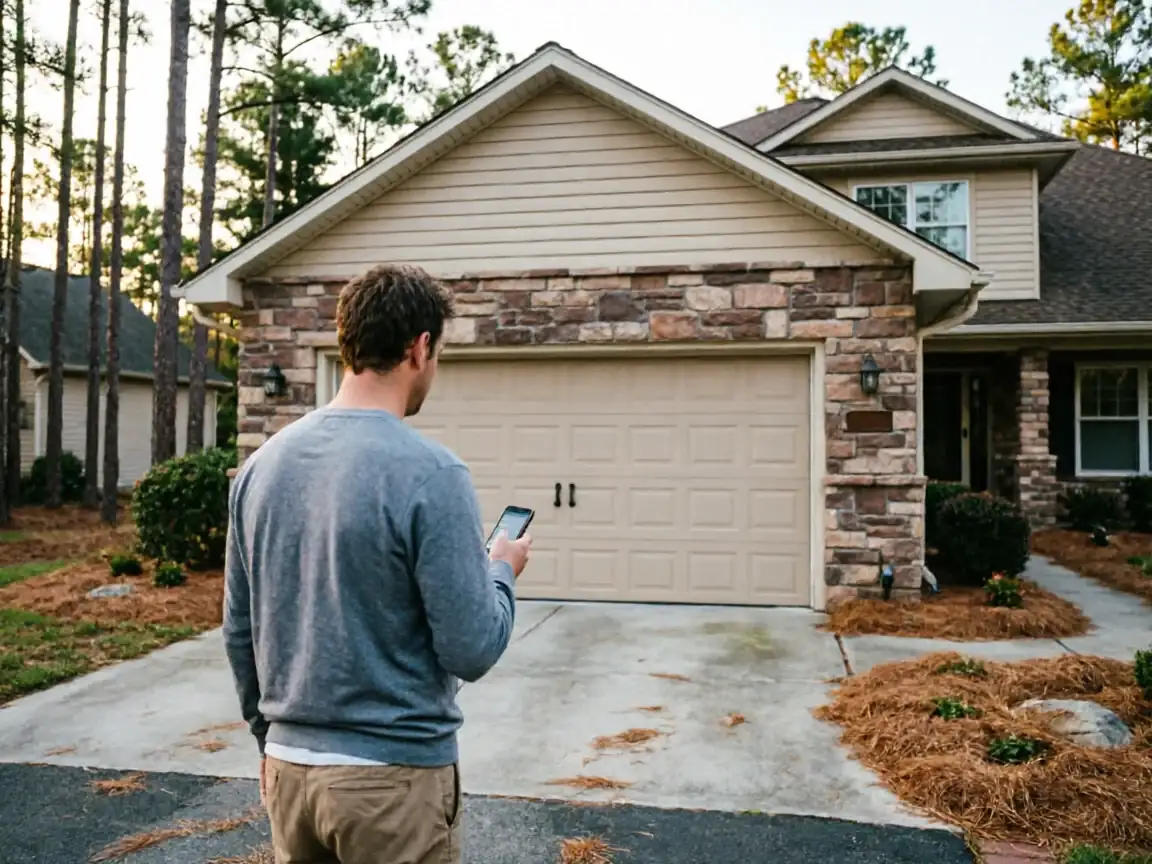
Priceville sits about seven miles from our shop in Decatur, which puts it right behind Trinity as the closest stop on our route - closer than Hartselle, Somerville, Triana, Falkville, or Moulton. That short drive matters for how we schedule maintenance here: a tune-up visit doesn't get stacked behind an hour of highway, so we can slot a Priceville call between others without stretching the day thin.
Maintenance isn't an emergency call, so we book it around the jobs that are. If you're on a yearly or twice-a-year schedule, we'll set a window that works and call ahead before we're close. We're not based in Priceville - there's no local branch, no truck parked around the corner - every visit starts from Decatur. The seven-mile run just means it's one of the easier ones to fit in.
If you want a tune-up alongside anything else on the door - an opener that's starting to hesitate, a track that's slightly out of line - mention it when you call. We'd rather catch it on a scheduled visit than have you waiting on a breakdown call later.
Can You Do This Yourself
A fair amount of garage door upkeep is reasonable for an owner to handle
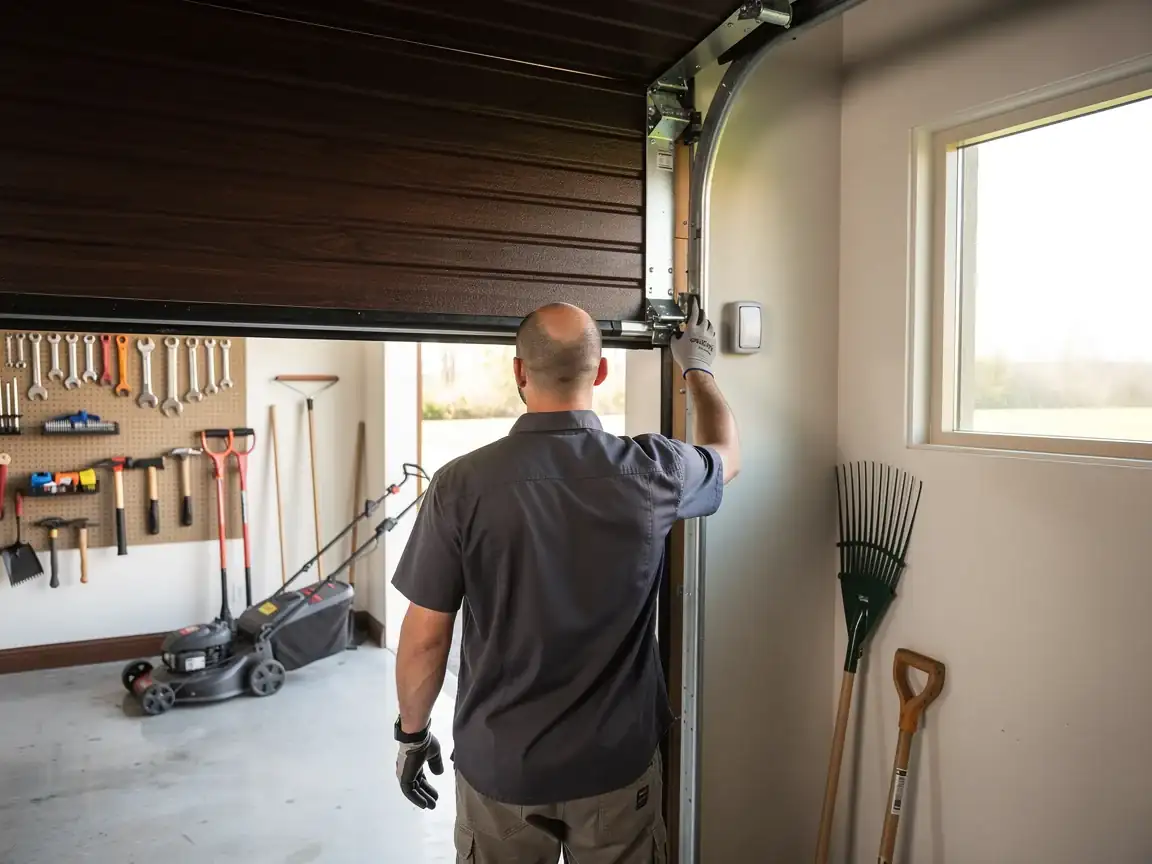
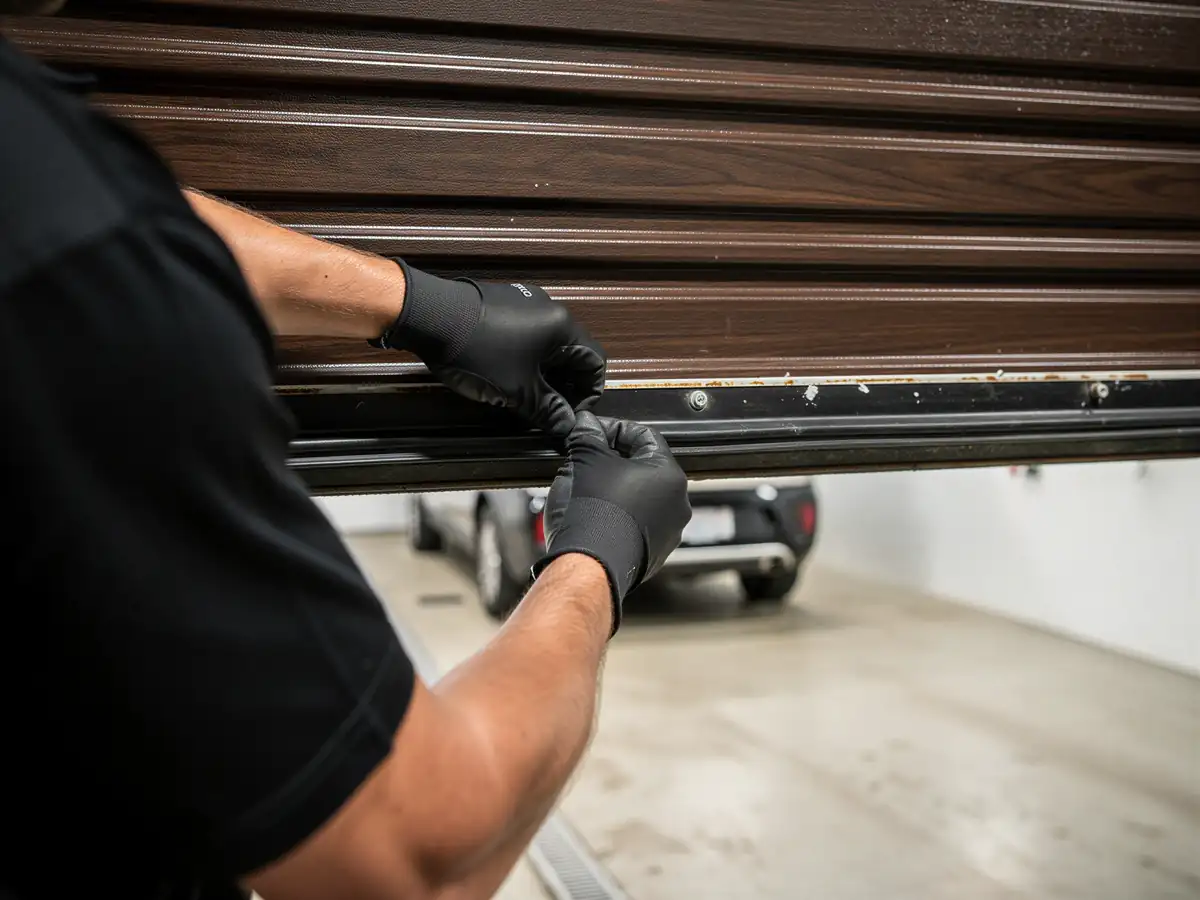
Wiping down and lubricating rollers and hinges, checking that the weatherstripping along the bottom panel still seals tight, and testing the auto-reverse safety feature by setting a block under the door and running it down - all of that takes ten minutes and no special tools.
What we don't recommend doing yourself: anything involving the torsion spring
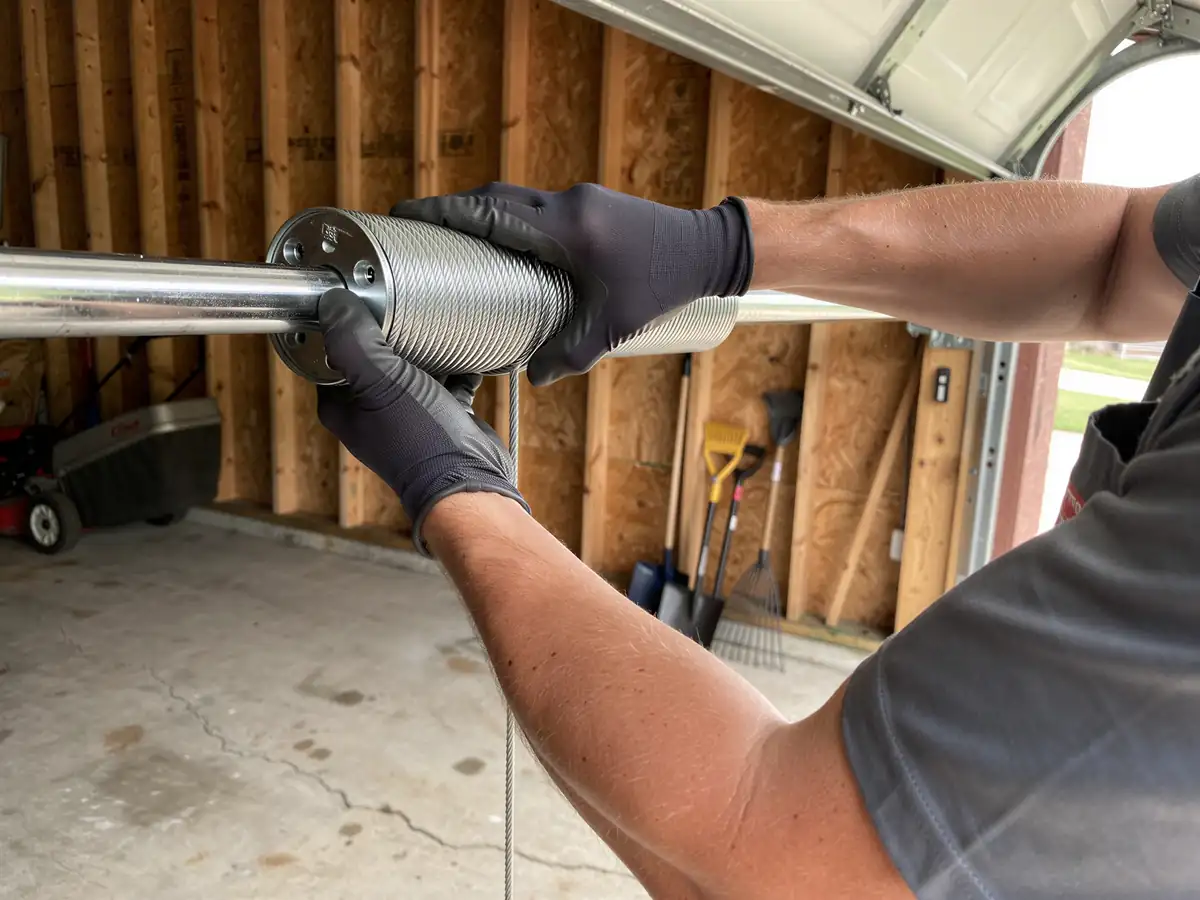
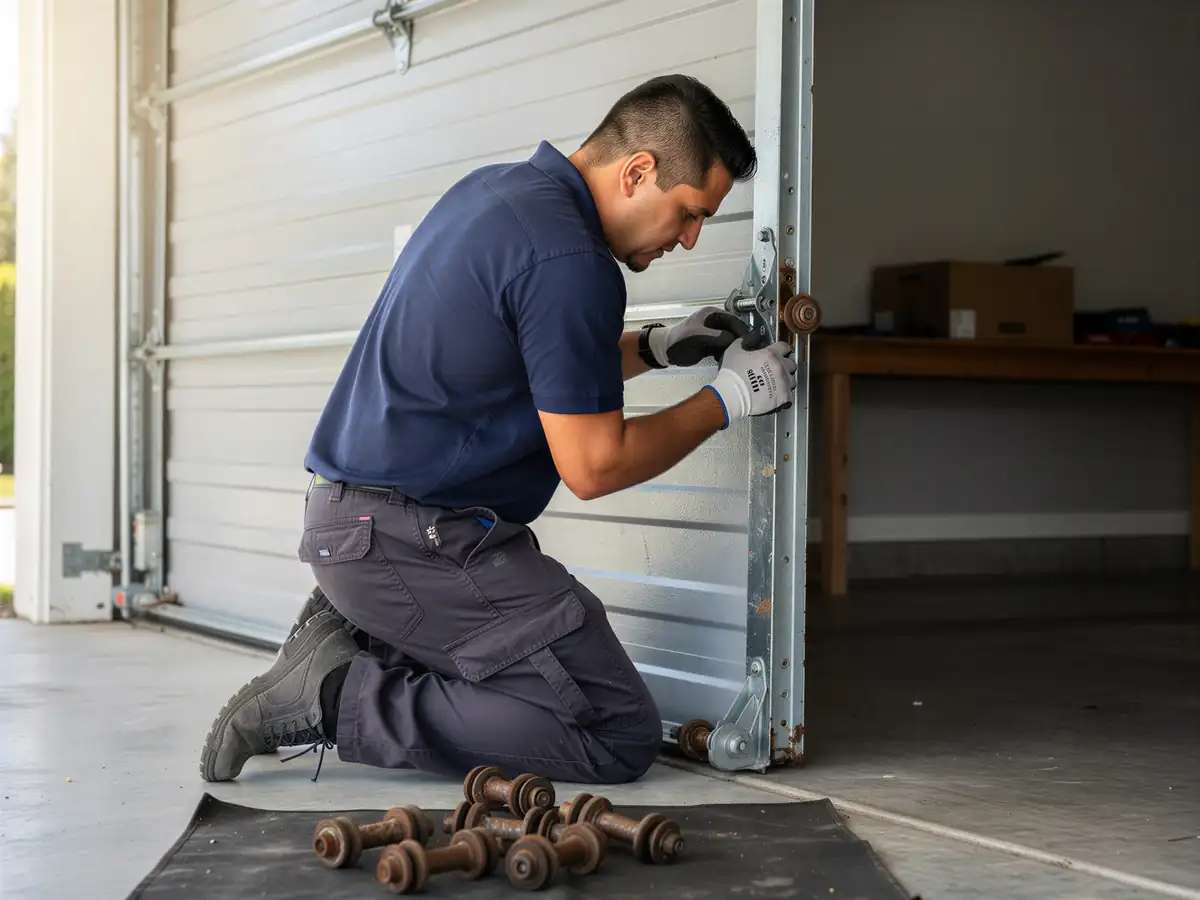
Priceville's housing stock is mostly newer, median build year 2004, which means most doors here are still running their original spring and cable setup. Original parts on a twenty-year-old door are closer to the end of their rated cycle than a lot of owners think, and a torsion spring under tension can cause serious injury if it lets go while you're working on it.
Same goes for opener circuit boards and anything behind the motor housing
If a sensor light is blinking or the opener's making a new noise, that's a call, not a weekend project. The honest limit here: we do maintenance and repair, not a walkthrough service where we talk you through doing it yourself over the phone. If it needs hands on the hardware, it needs a visit.
How It Shows Up
The fault pattern in Priceville looks different from what we see on calls closer to Decatur's older sections, and the reason is the housing stock. Across the wider service area, most homes went up between 1972 and 2012 with a lot of 1980s and '90s construction mixed in. Priceville runs newer than that median - 2004 is typical here - so the doors and openers are a full generation past the older torsion setups and chain-drive openers we still find on calls elsewhere.
What that means in practice: fewer worn-out one-piece doors, more sectional steel doors with galvanized springs that are still within or near their rated life. The failures we see here tend to be rollers wearing out, weatherstripping going brittle, or opener logic boards and sensors aging out before the mechanical hardware does. The region's cold-moderate winters still stiffen up grease and shrink seals every year regardless of the door's age, so even newer hardware needs a look before the cold sets in.
With a median household income near $108,000 here, well above the area's broader median of $67,863, we also see more owners booking a maintenance visit ahead of a failure rather than waiting for something to break first.
Time on the Job
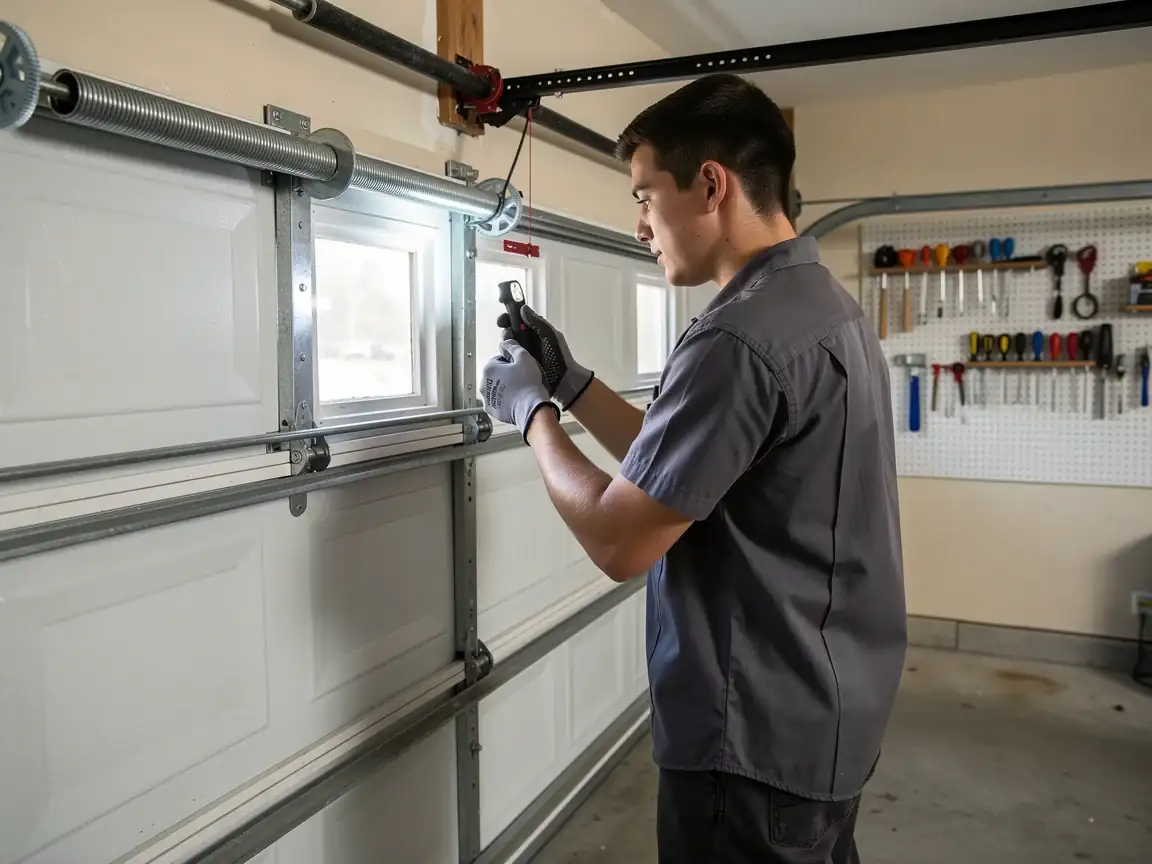
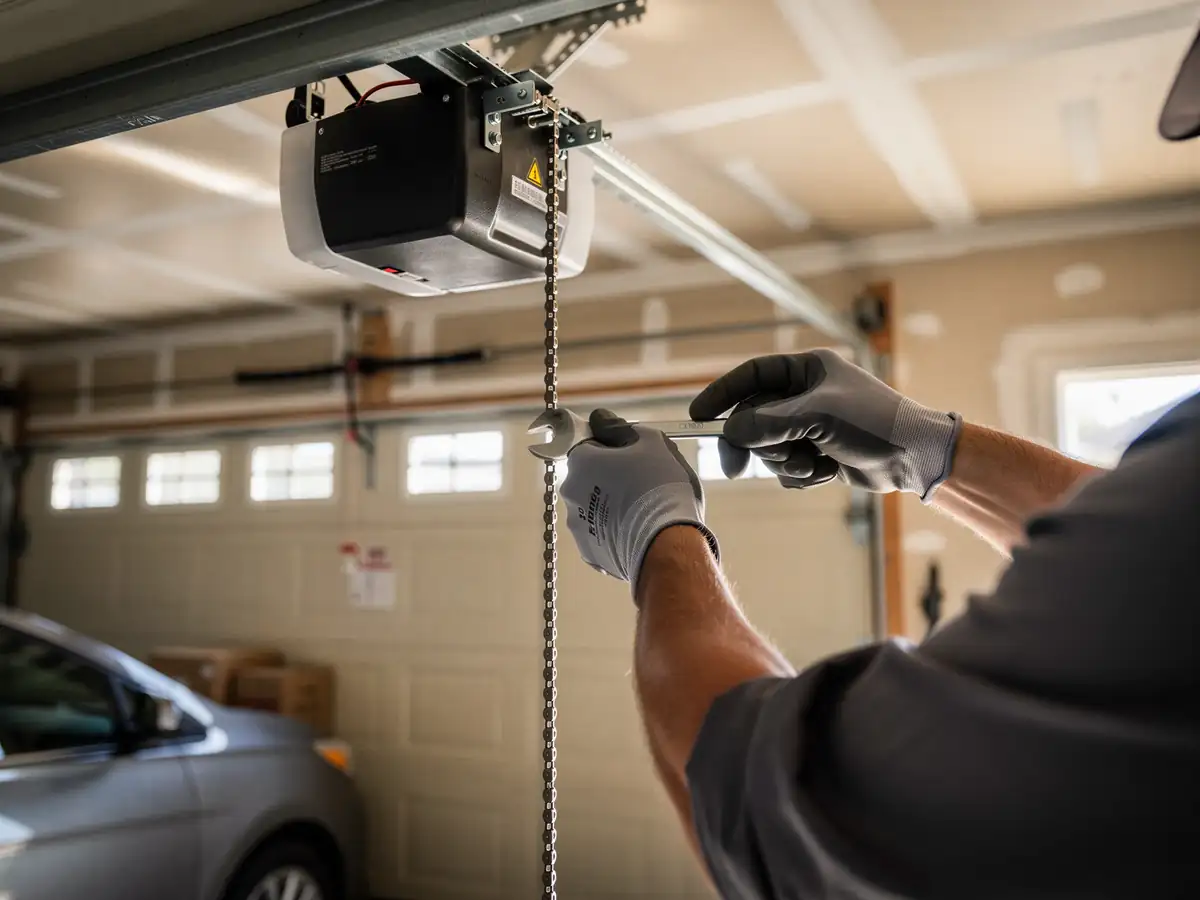
A standard maintenance visit - lubrication, hardware inspection, spring and cable check, opener safety test, track alignment - runs about the same length of time whether the door is five years old or twenty five. What changes the visit length in Priceville is usually the opener, not the door itself. Newer homes here often have openers with more electronics: keypad sync, wall console diagnostics, sometimes a smart-home tie-in. Checking those adds a few minutes that an older chain-drive opener wouldn't need.
At 1,182 households, Priceville is one of the smaller stops we cover, which doesn't change how thorough the visit is but does mean we're not rushing through a dense block of back-to-back calls the way we might in a bigger area. One honest limitation: if a maintenance visit turns up a part that's failing - a spring showing rust pitting, a cable starting to fray - we won't force a fix on the spot if we don't have the right part in the truck that day. On newer doors especially, hardware is often a specific match to the opener and track system, and we'd rather order the right part than install something close enough.