Getting It Booked In
Priceville runs newer and wealthier than most of the towns we cover out of Decatur. Median household income here sits at $108,398, well above the $67,863 median across the wider service area, and that changes the conversation before a truck even leaves the yard. On a door that's maybe fifteen years old, replacing one bent panel to match the rest almost always pencils out better than swapping the whole door, because the door underneath is sound and the opener, track, and springs aren't at the end of their life either.
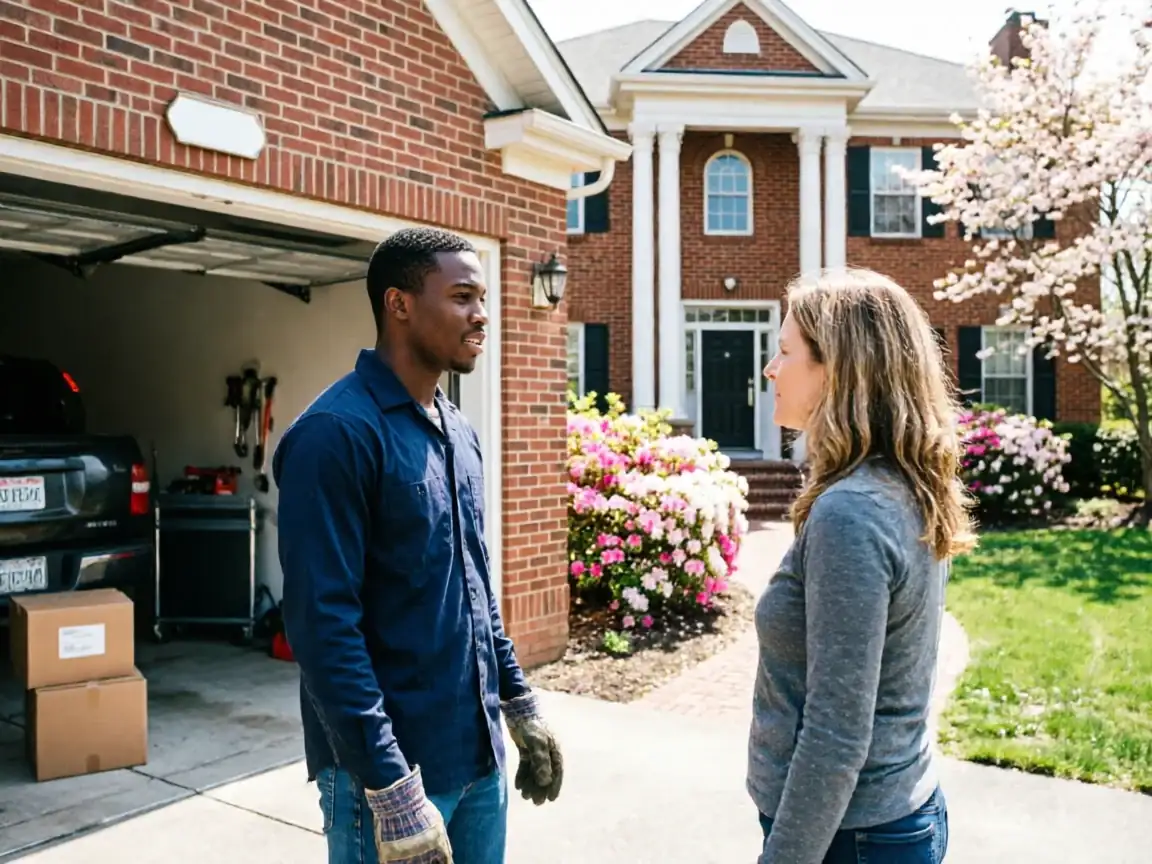
We don't keep a branch in Priceville. The job comes from Decatur, about 7 miles out, so we book the visit, confirm the door's make and panel profile over the phone or by photo, and bring what the job needs rather than guessing twice. That's the one real limitation worth saying plainly: if your panel is an odd or discontinued profile, we may need to order it before we show up, which can add a few days versus a same-week in-stock match.
Can You Do This Yourself
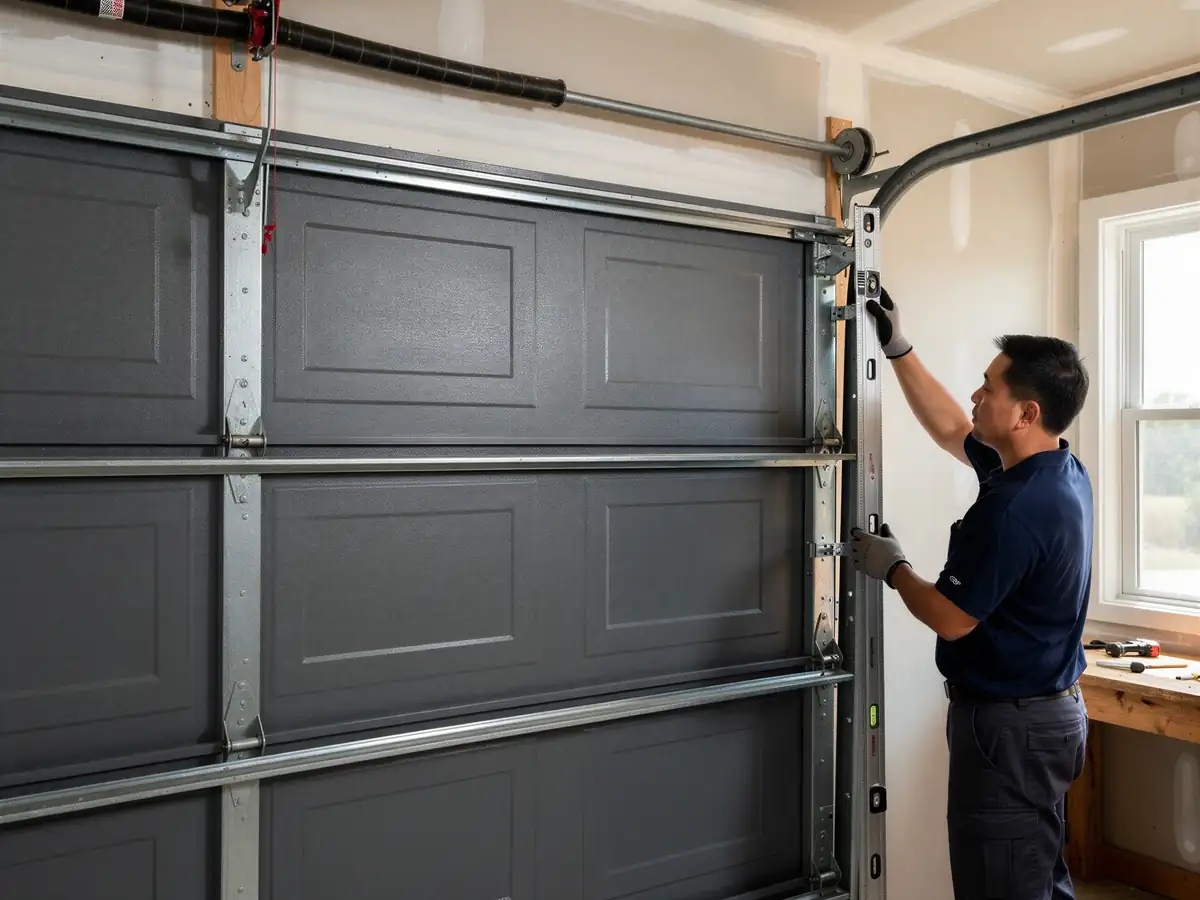
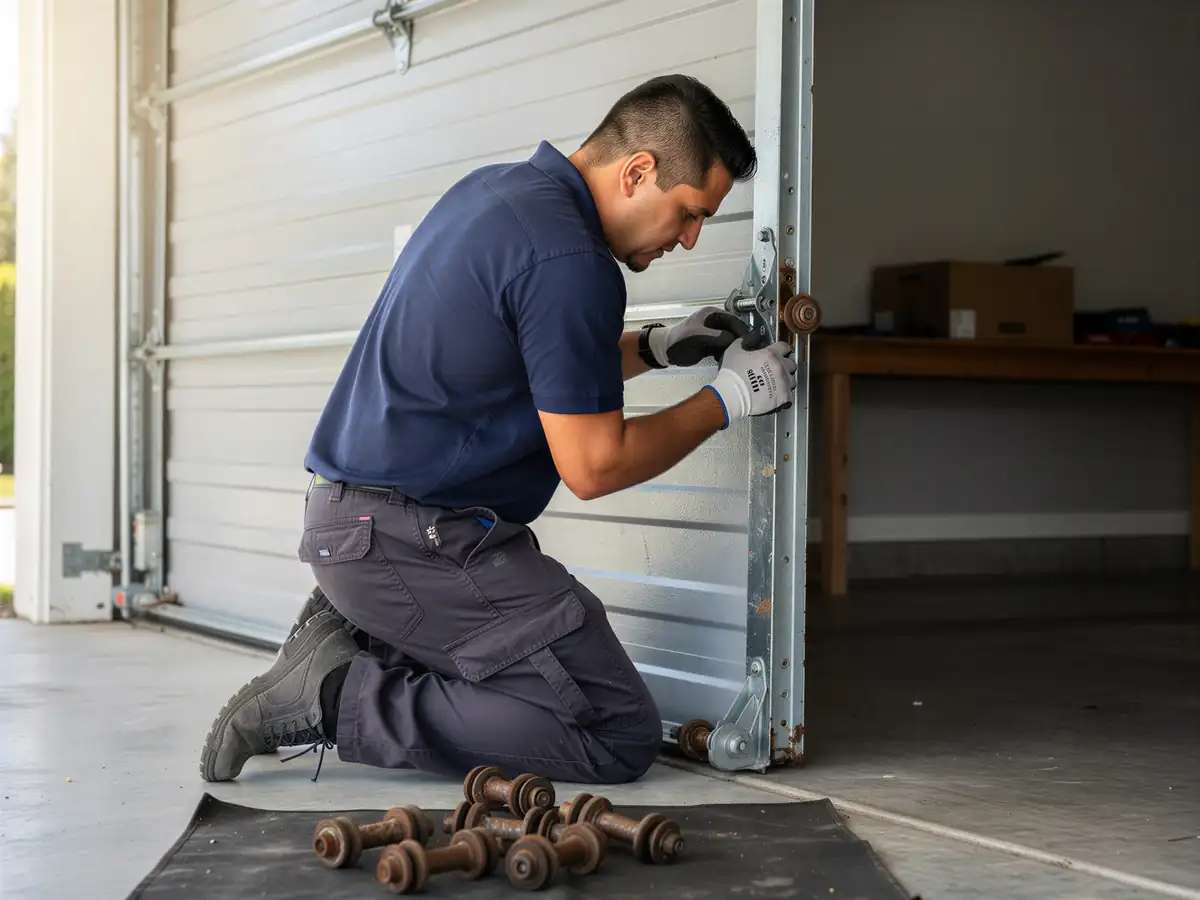
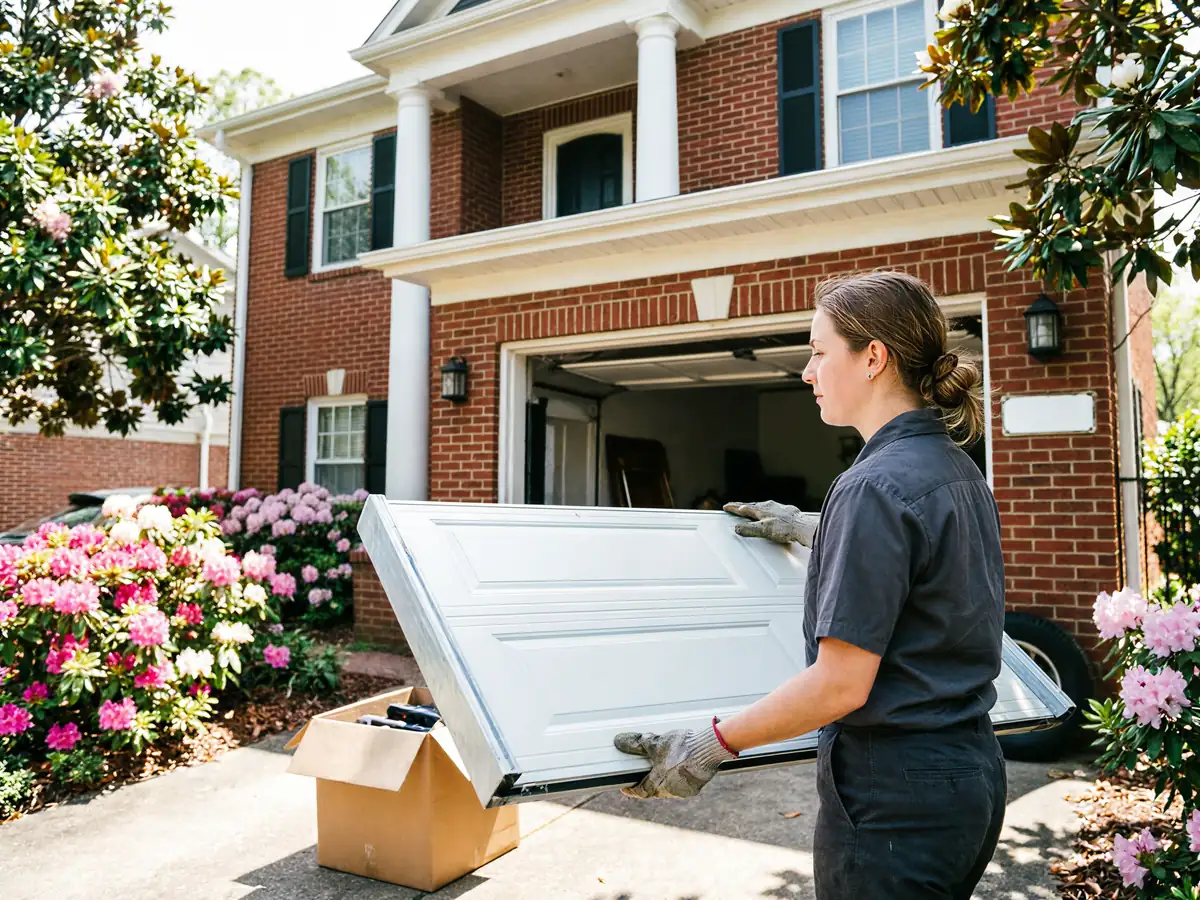
A single steel panel on a sectional door is bolted to the stiles and hinged to its neighbors
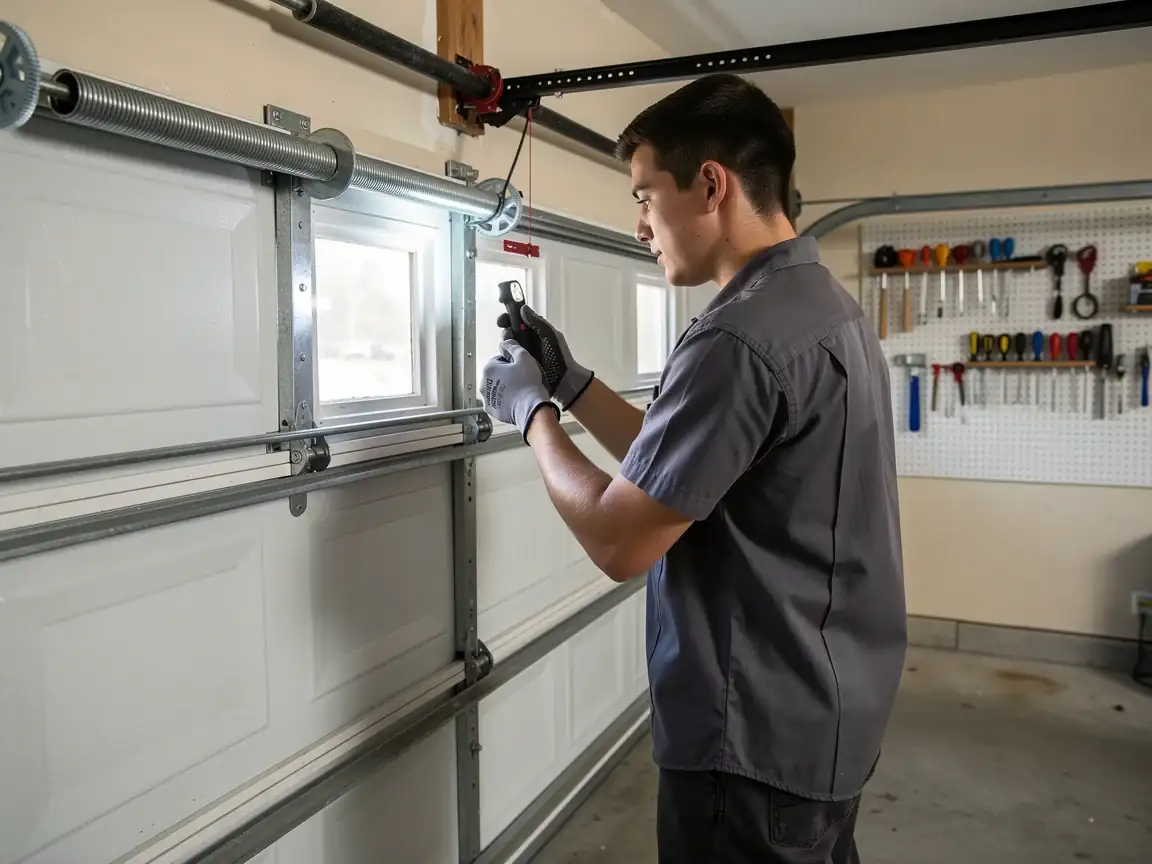
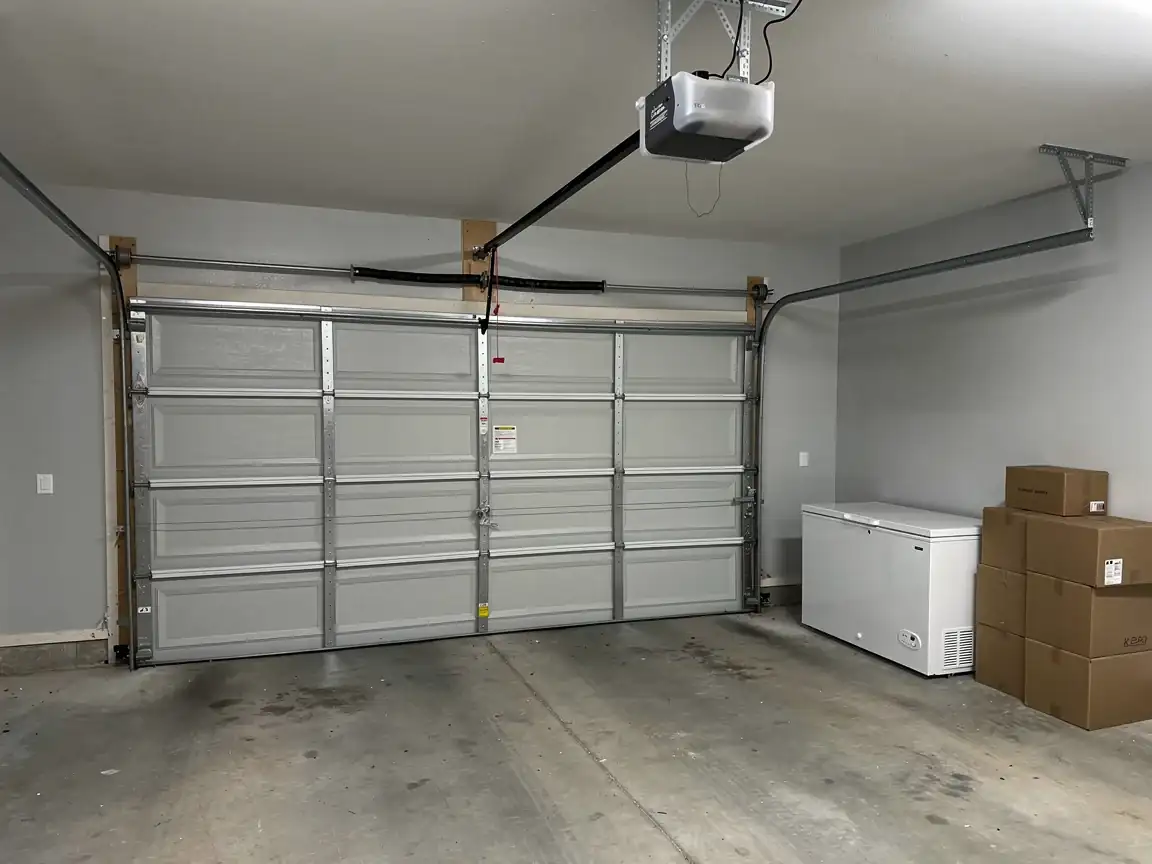
So in theory you can unbolt one and swap it. In practice the trouble is alignment and tension. If the broken panel carries the bottom roller track or sits anywhere near the torsion spring assembly, you're working next to a spring wound with enough force to break a hand, and that's not a job to learn on your own door.
Even on an upper panel with no spring nearby, matching color, panel height, and window cutouts on a door built around 2004 means ordering from the same manufacturer's catalog that era used, not whatever's on the shelf at a box store
Get that wrong and you've got a door with one panel a shade off and a seam that doesn't sit flush, which shows more on a newer house than an older one because the rest of the exterior is in better shape too. If you want to try a non-spring panel yourself, fine, but get the exact model number off the door first.
How It Shows Up
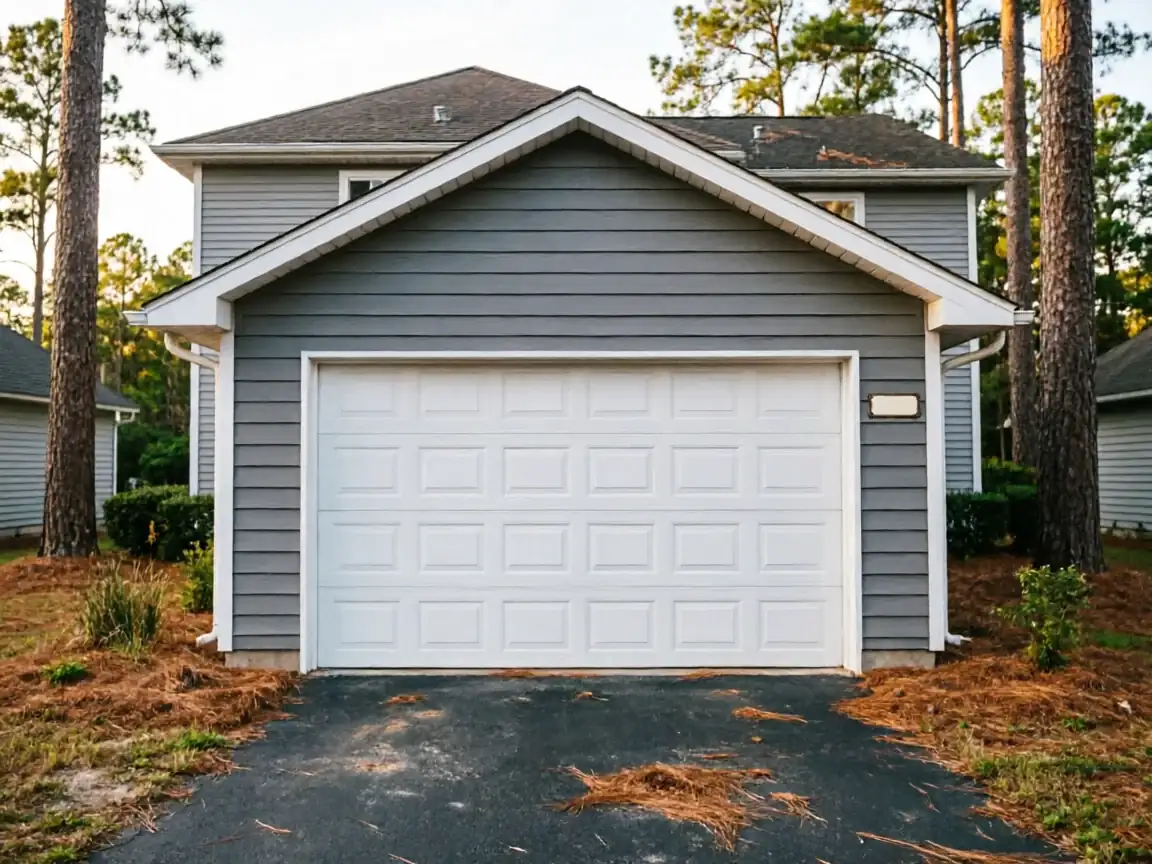
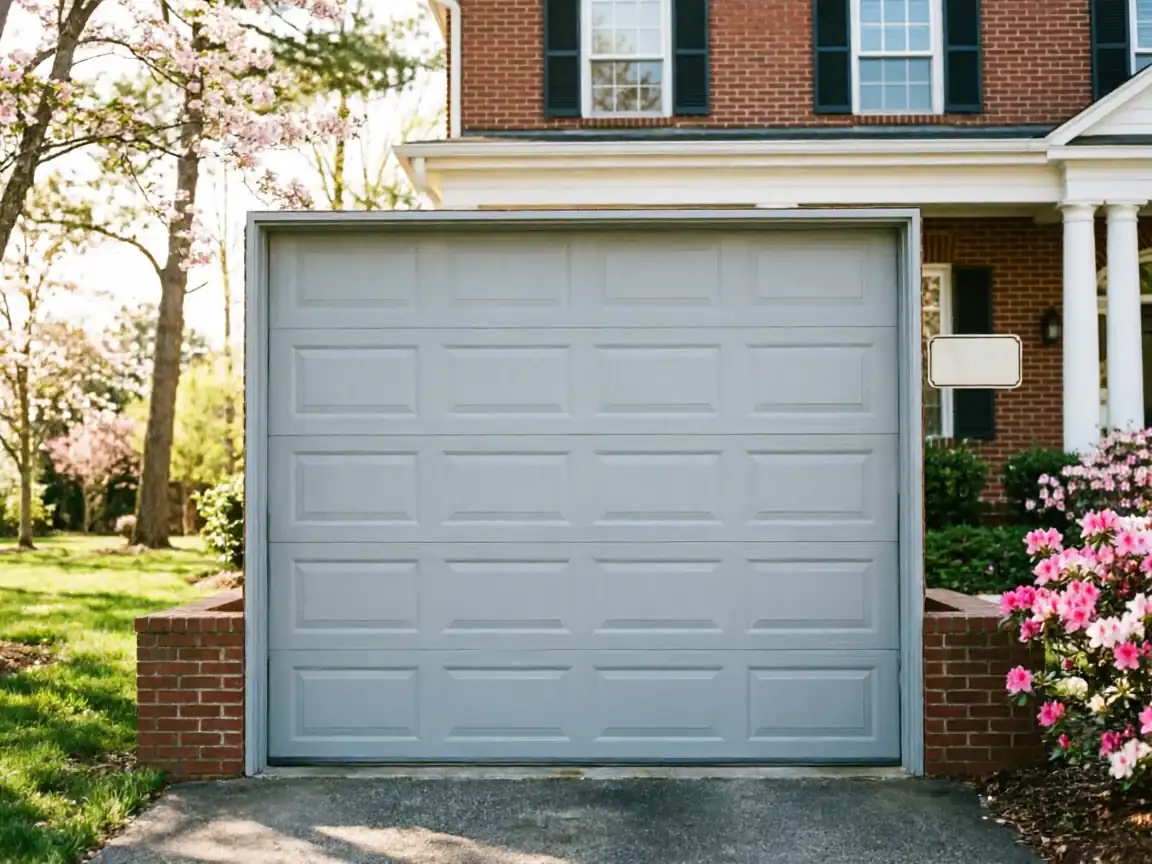
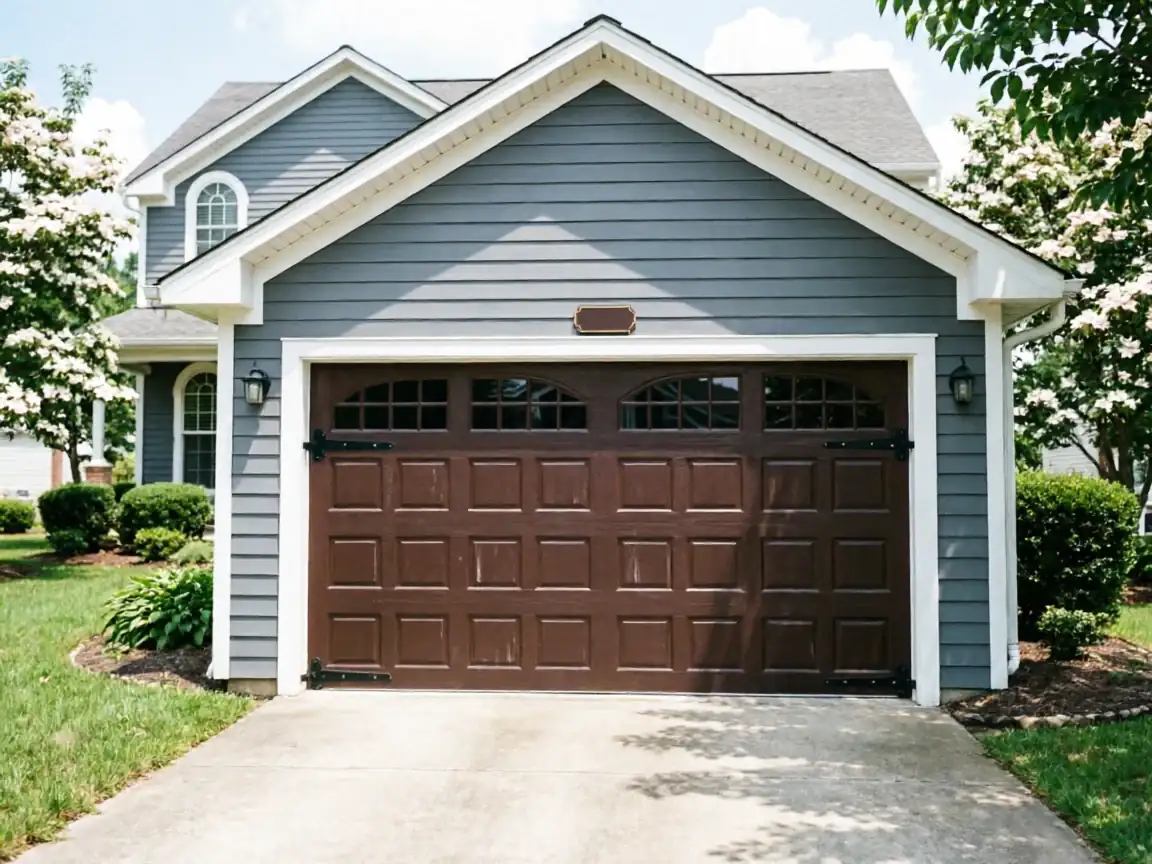
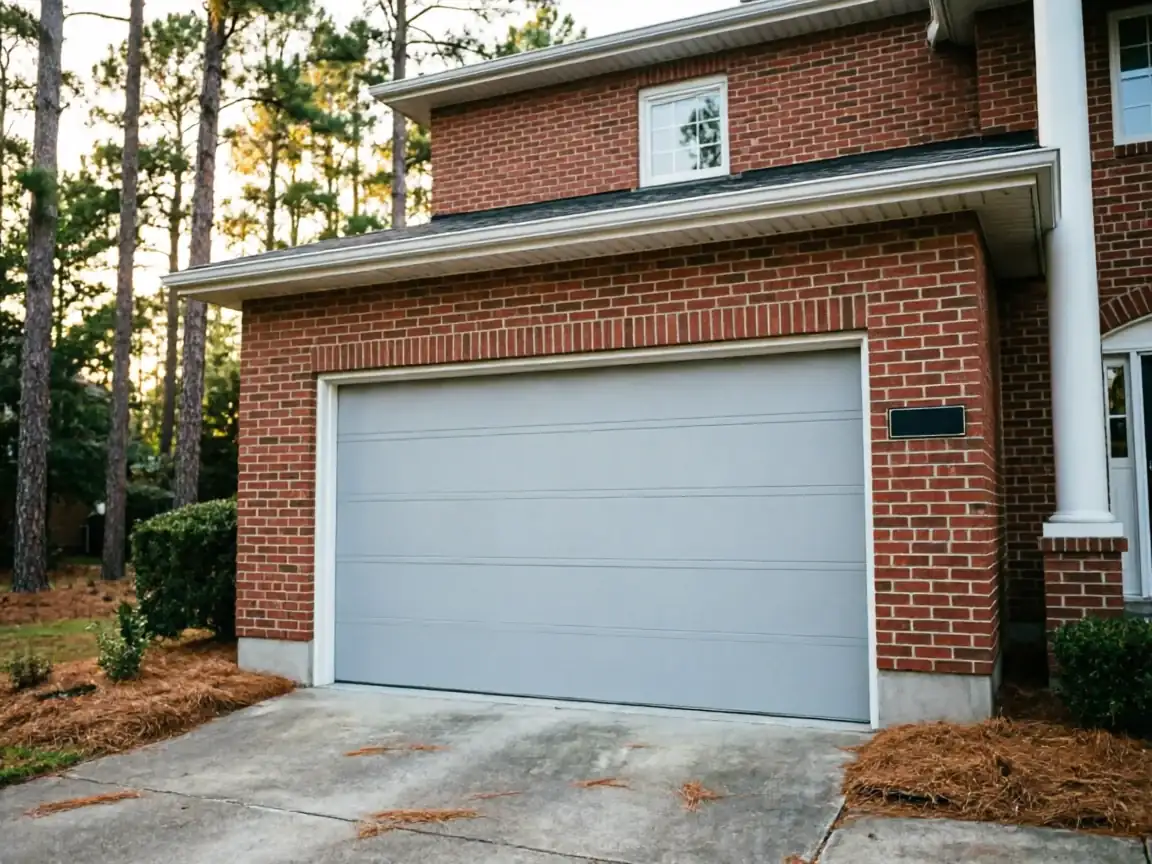
Priceville's housing is newer than most of what we see on the Decatur side of the service area, where stock commonly dates back to the 1970s through the early 2010s. Here the median build year runs around 2004, so the doors we're replacing panels on are mostly steel sectional units with factory-insulated cores, not the older wood or thin-skin steel doors that show up on 1980s construction elsewhere in the area.
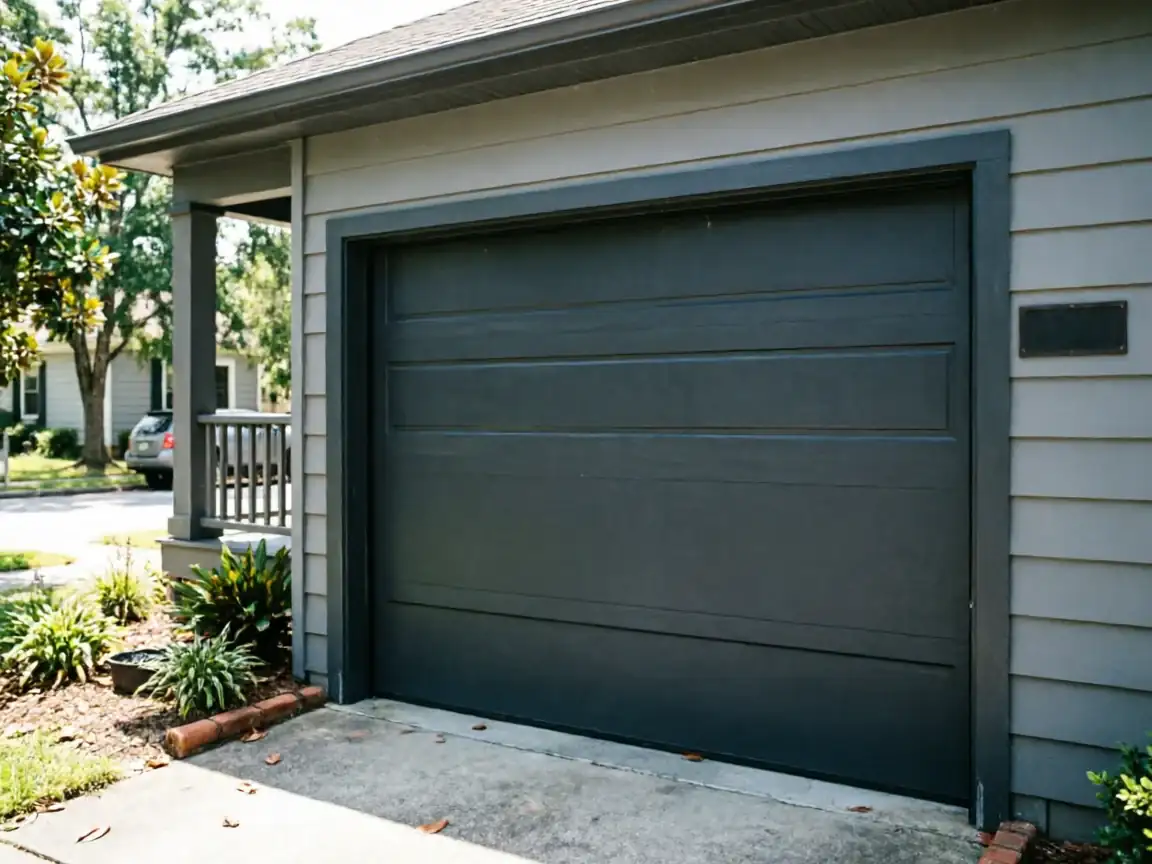
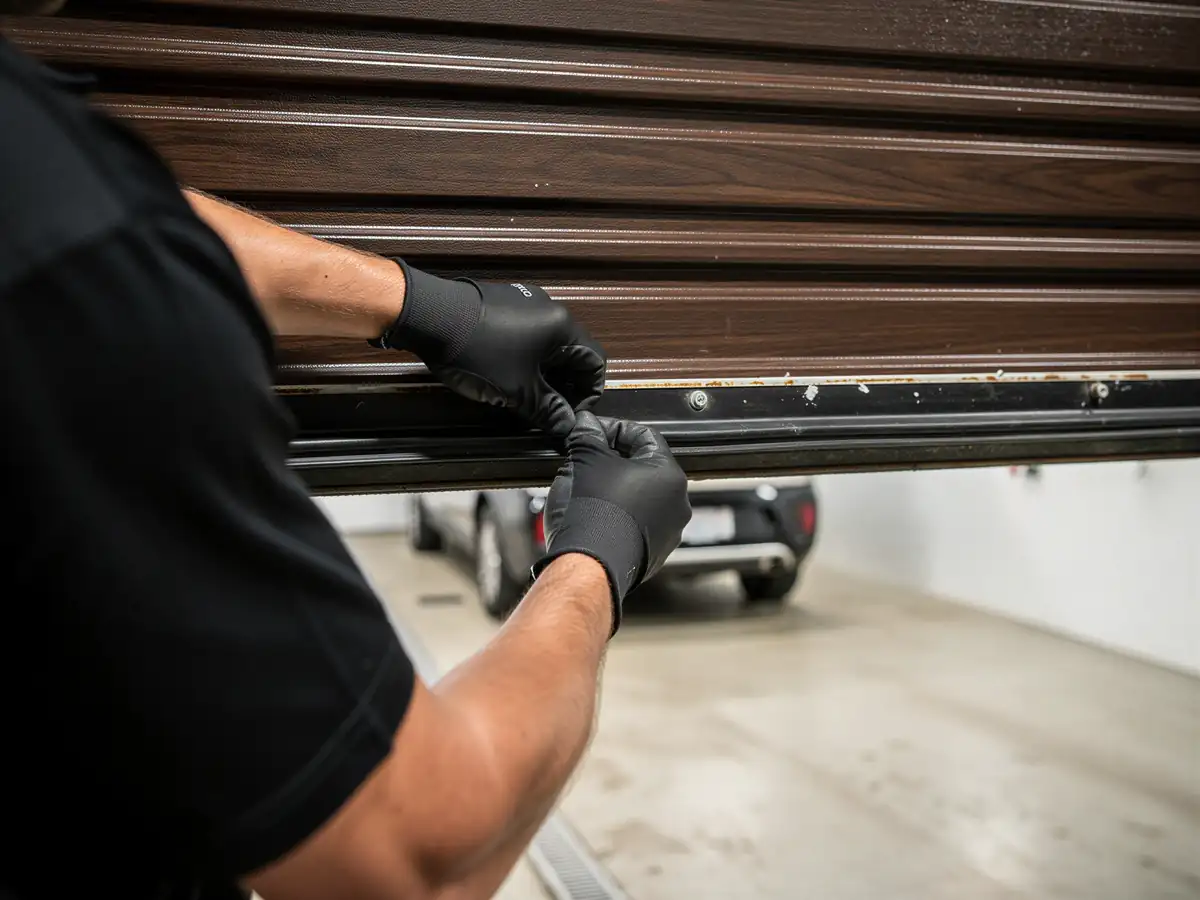
The damage pattern follows from that. On these newer doors, the bottom panel is usually what fails first, dented from a car bumper or a thrown object, or showing surface rust where the foam-core seal has worn at the weather strip. Cold-climate swings in this region mean moisture gets into a dented seam and the rust spreads from the inside out, so a panel that looks like cosmetic damage in October can be flaking by spring. Upper panels crack less often but take the brunt when a top section misaligns on the track.
Time on the Job
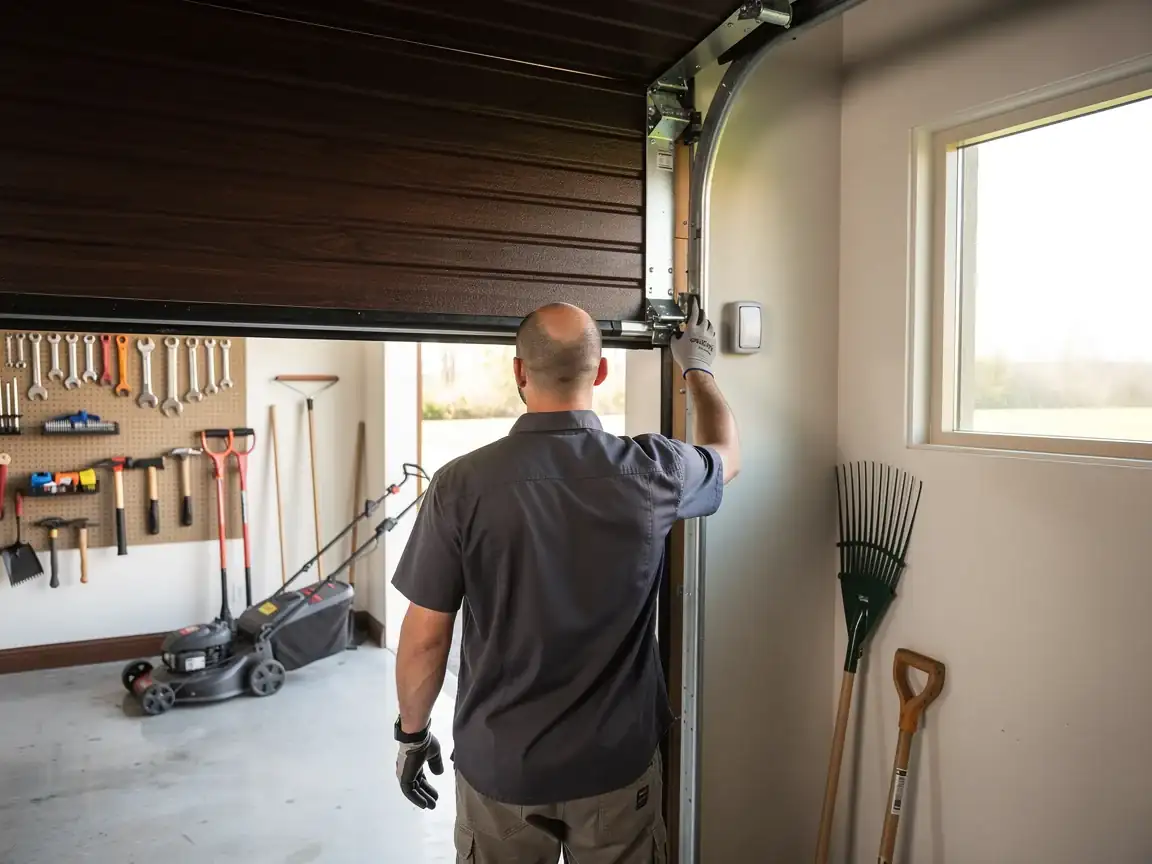
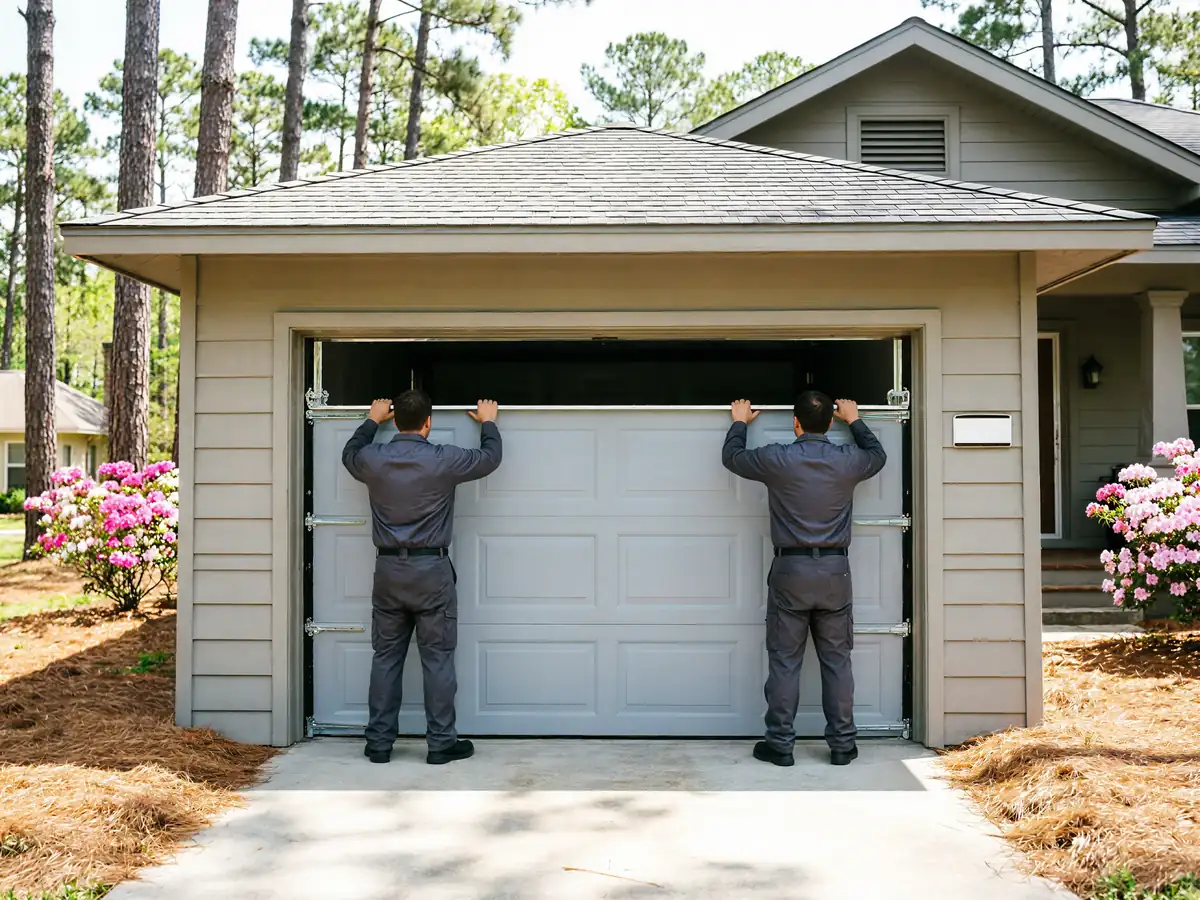
A single-panel swap on a door this age, where the part is in stock, usually runs under two hours once we're on site, most of that spent getting the old panel's hardware off cleanly and setting the new one square to the track. If the panel has to come from a supplier because it's a less common profile, the on-site time doesn't change, only the wait before we show up does.
We test the door through a full cycle before we leave, checking that the new panel doesn't bind on the roller track or throw the door out of balance on the spring. With roughly 1,182 households in Priceville, we're not running back and forth across town all day the way we might in a denser area, so the visit itself is usually a single clean trip, in and done.