Stocked Parts
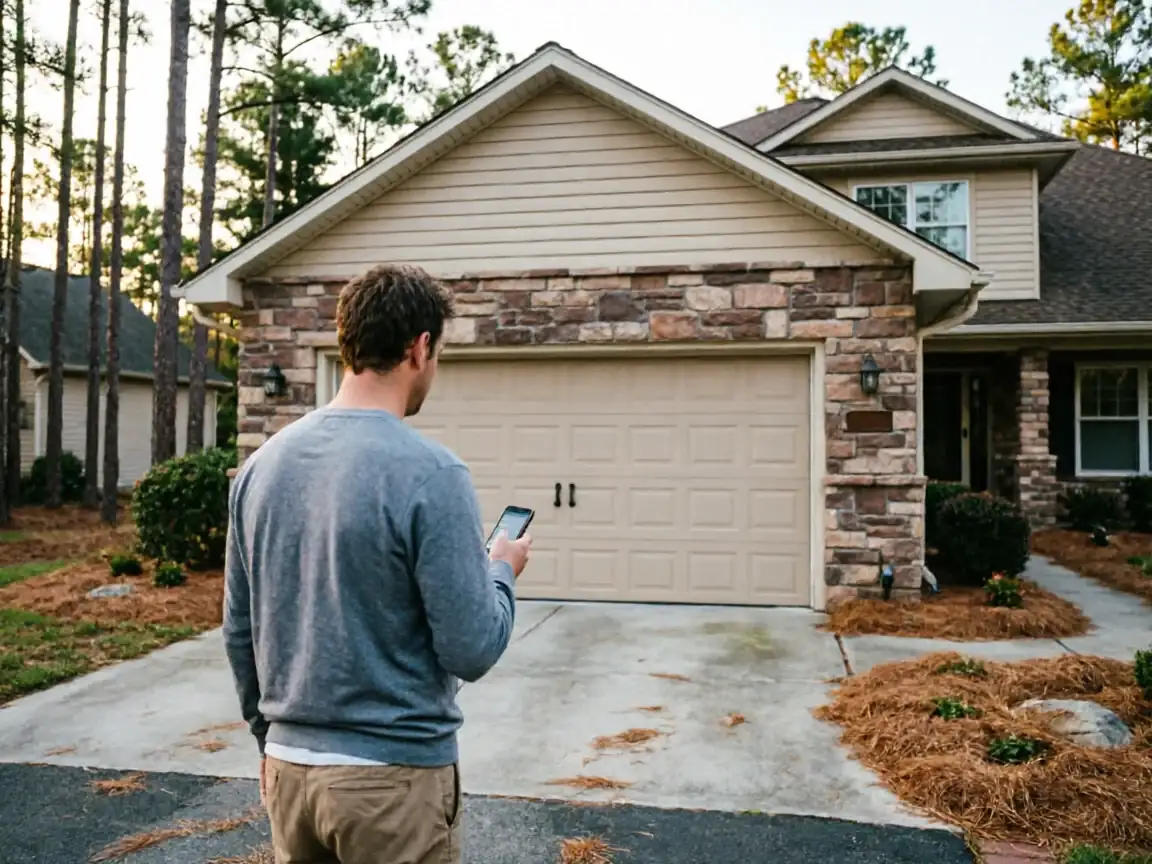
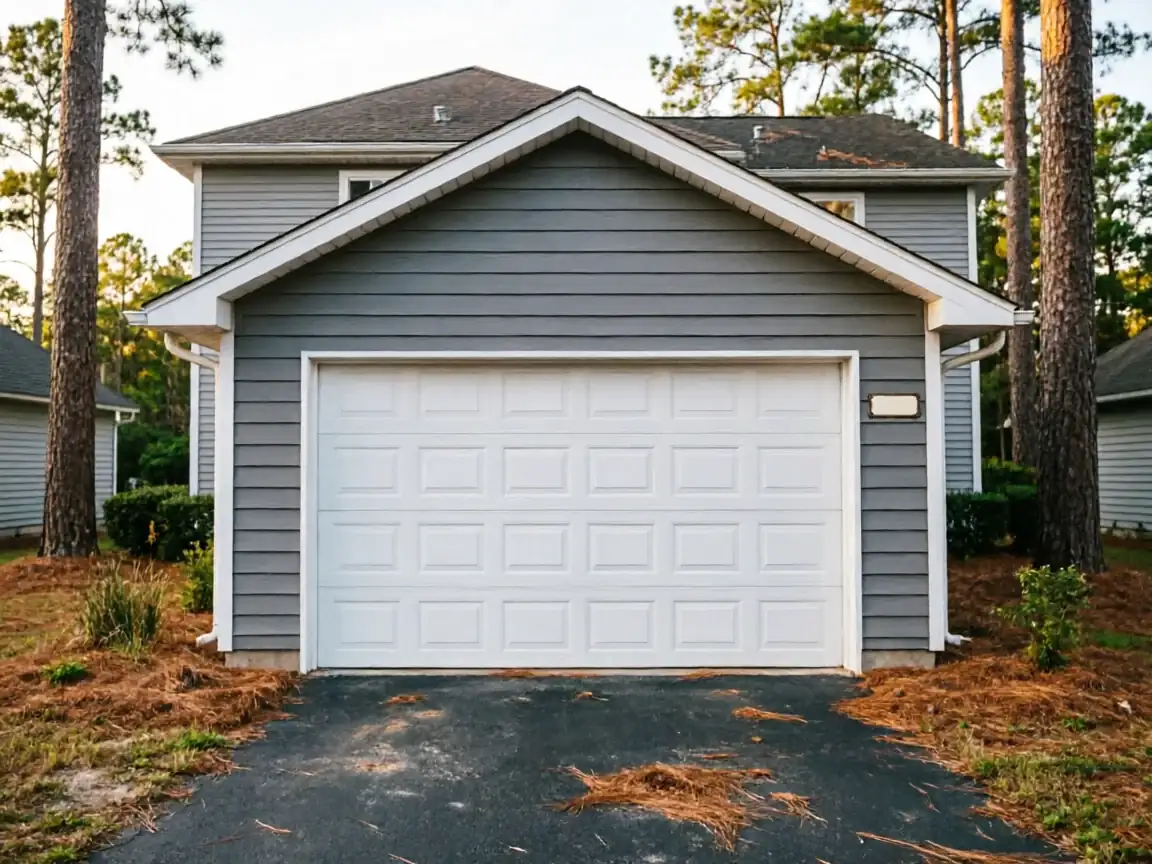
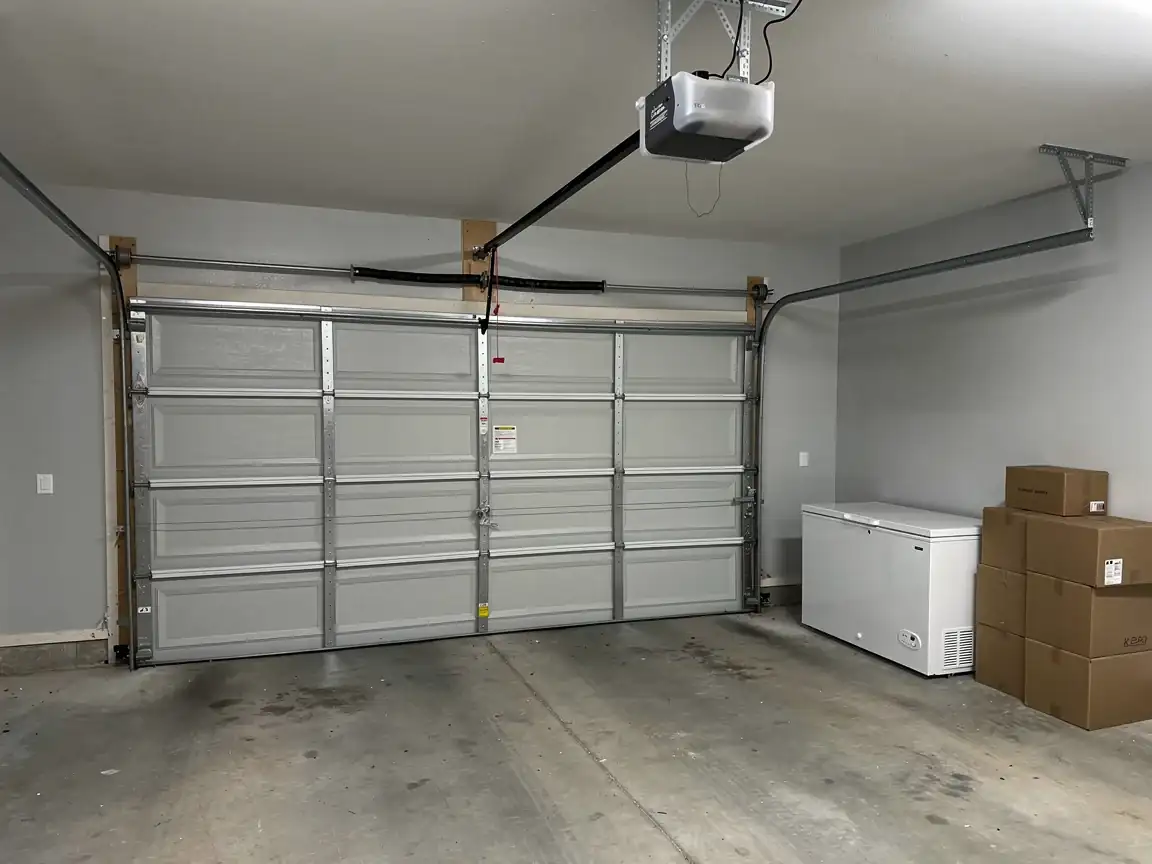
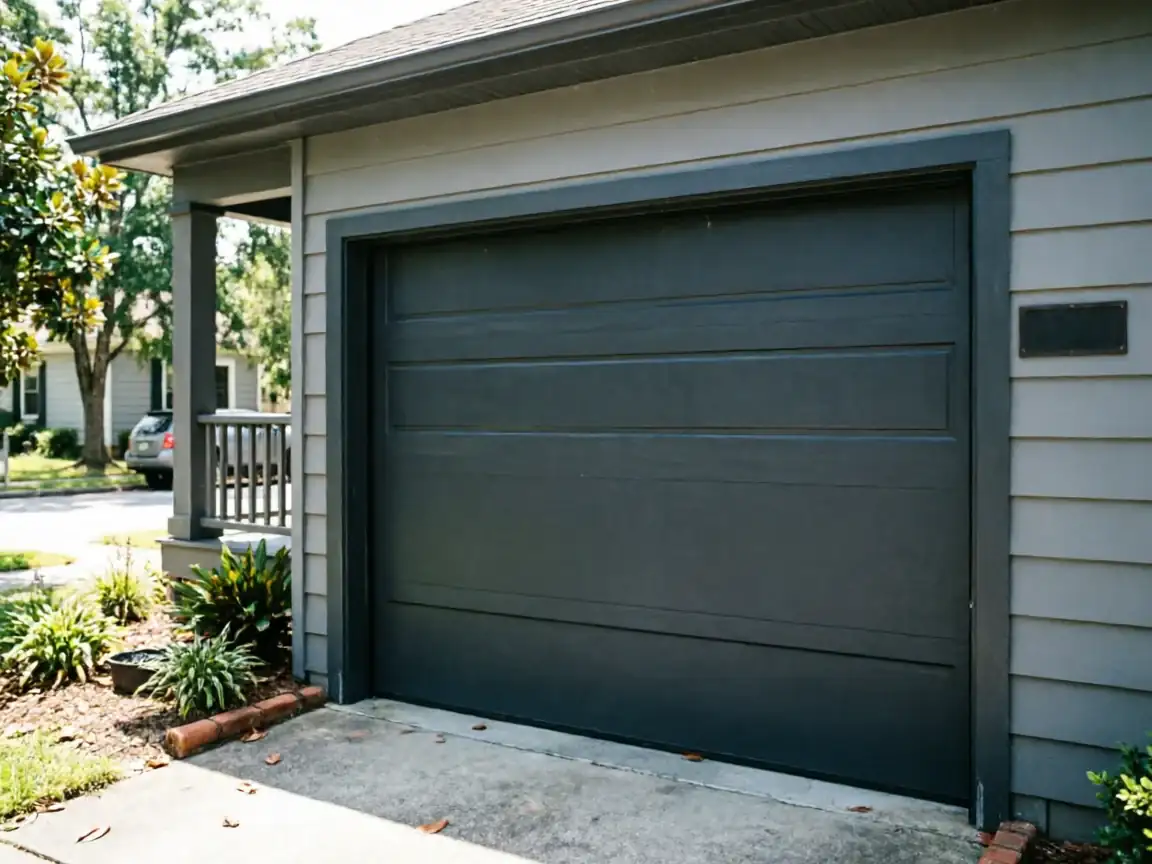
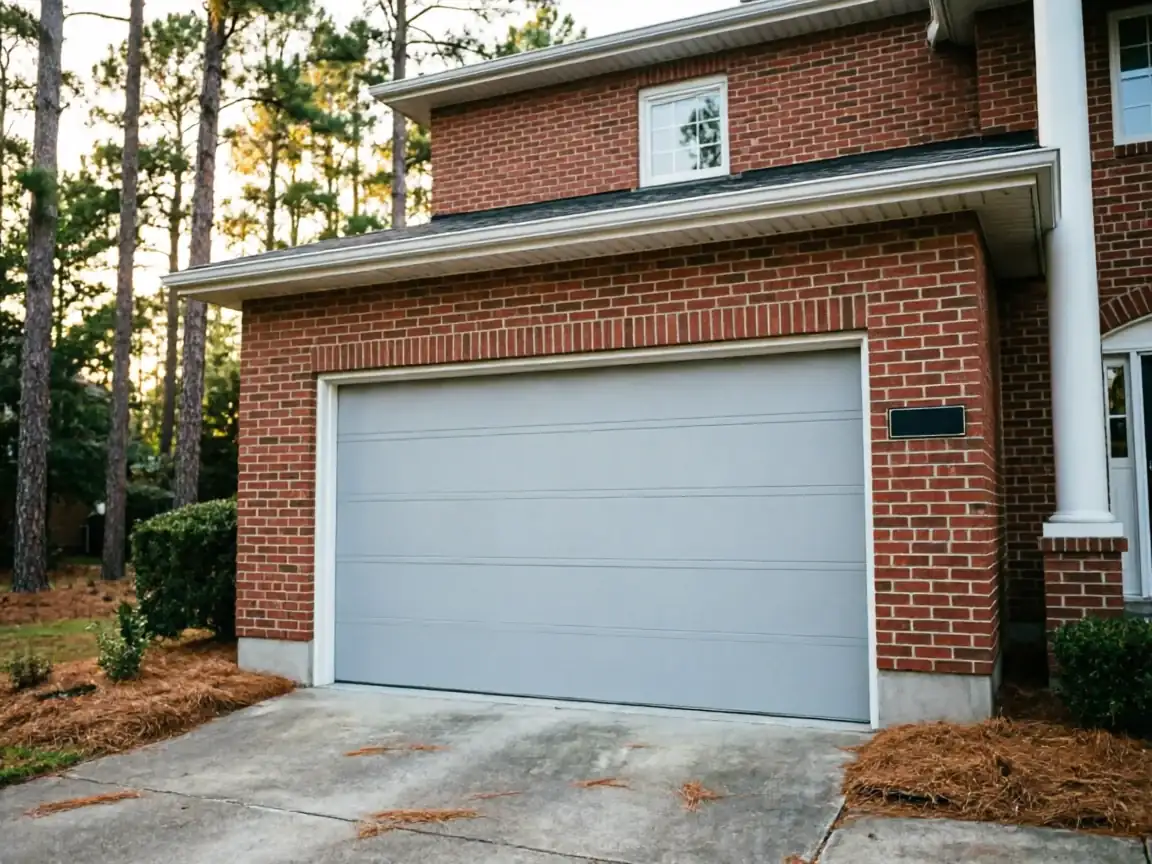
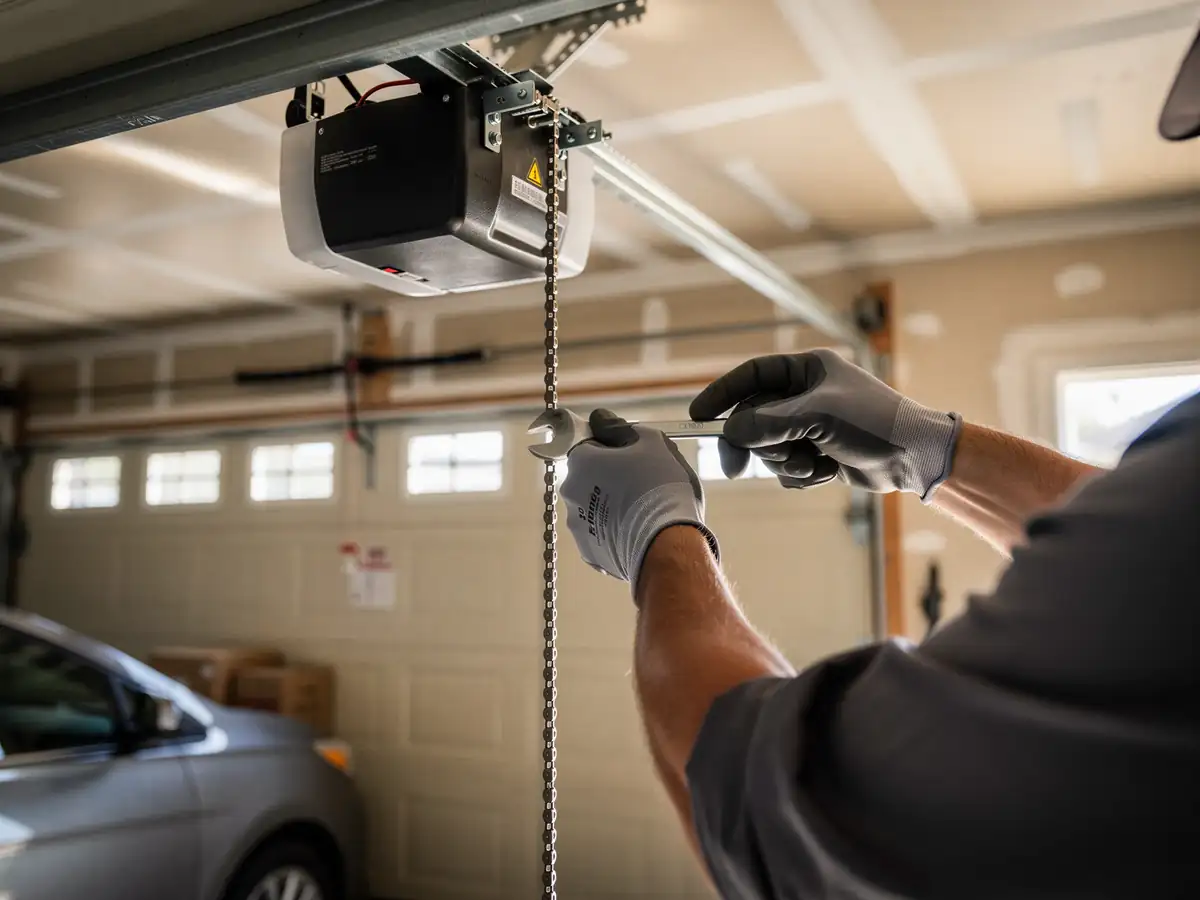
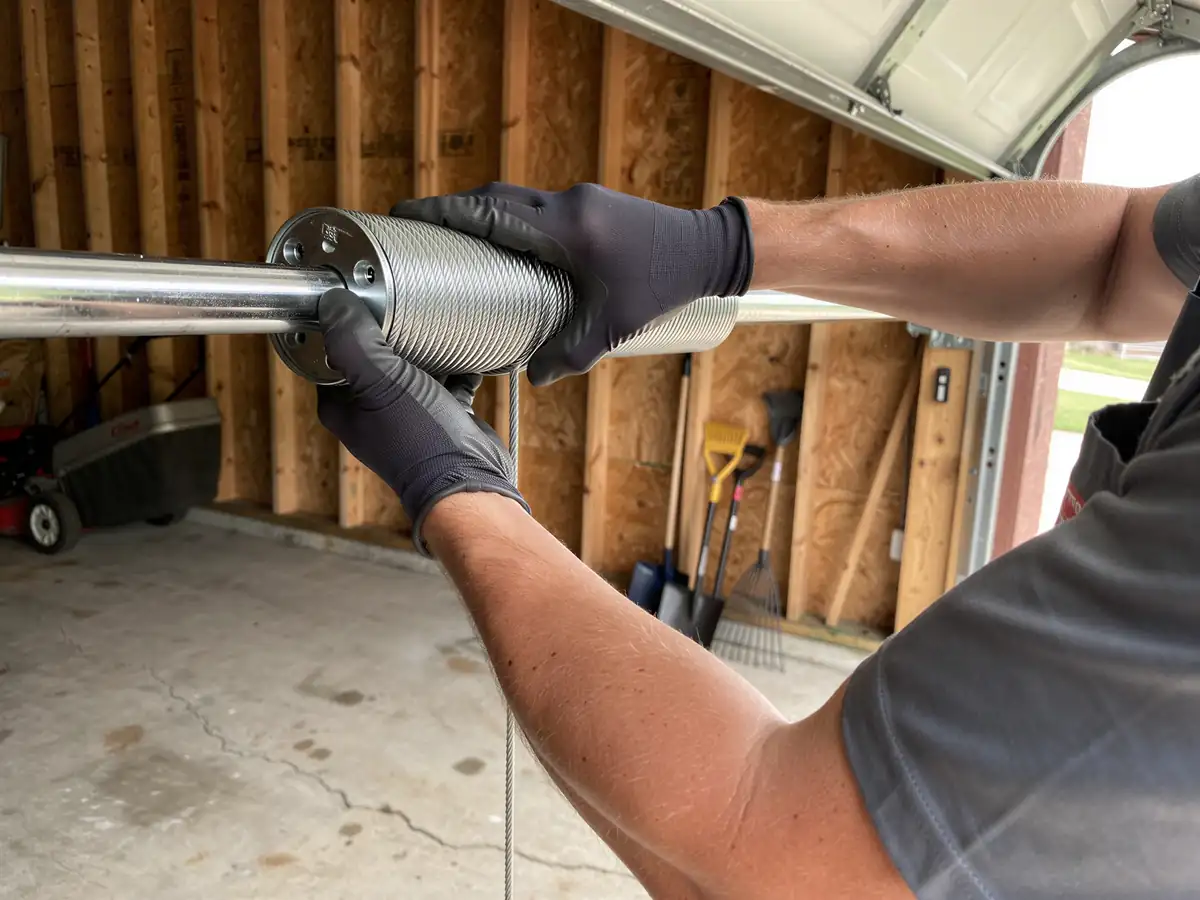
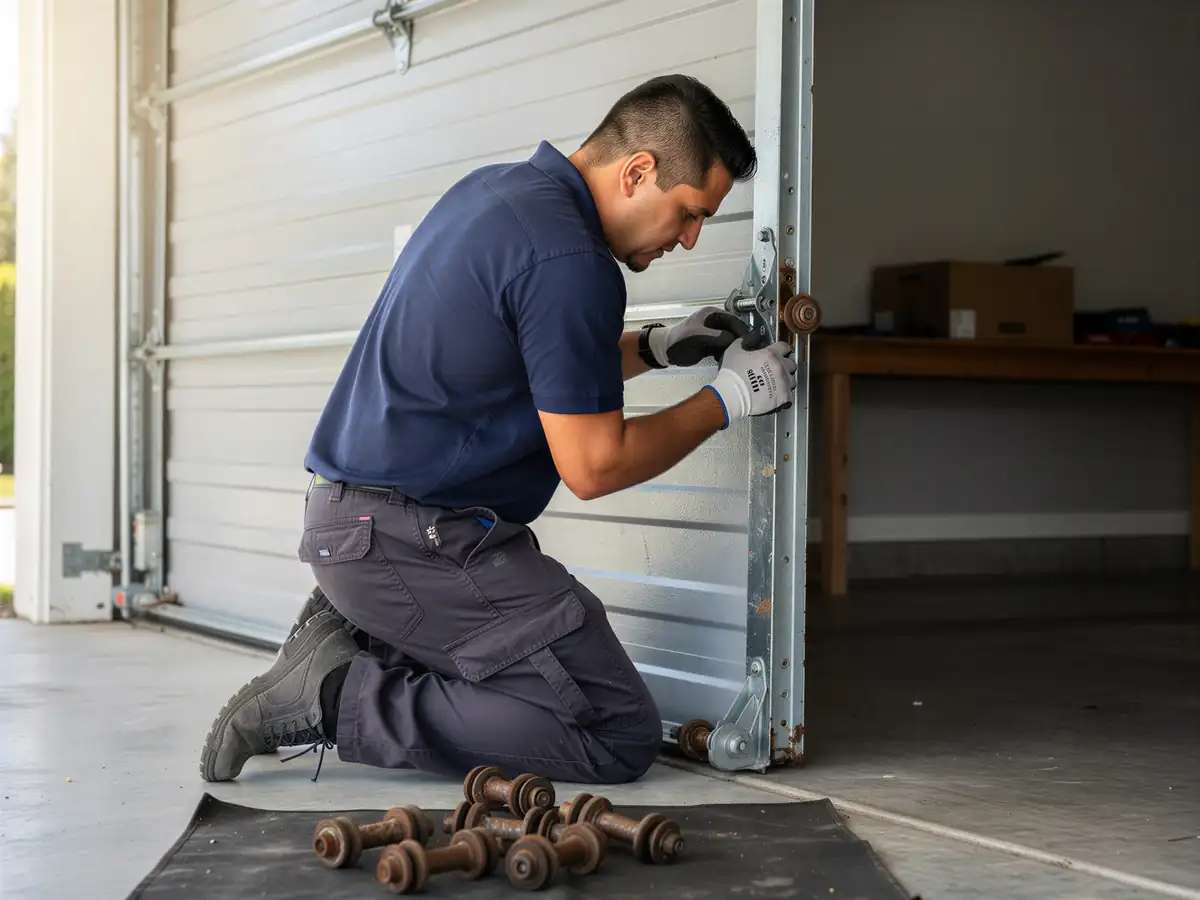
Triana's median household income runs $102,375, well above the $67,863 median across the rest of the service area, and that changes the math on a repair call before we even open the panel. At that income level, most owners aren't stretching a ten-year-old door another winter out of necessity - they're deciding whether a $300 spring job beats a $1,800 replacement, and on a door that's seven or eight years old, repair almost always wins. The housing here was mostly built around 2012, which means steel panels, factory-balanced torsion springs, and openers with circuit boards rather than the older chain-drive units you find on 1980s stock elsewhere in the area. We carry the belt-drive opener parts, modern torsion cables, and standard-gauge roller hardware that fit this generation of door. What we don't stock on the truck is anything for a door older than that build window - if a Triana house still has its original builder-grade unit from a renovation or an older lot, that part may need an order, and we'll tell you that up front instead of guessing at the fix.
Getting It Booked In
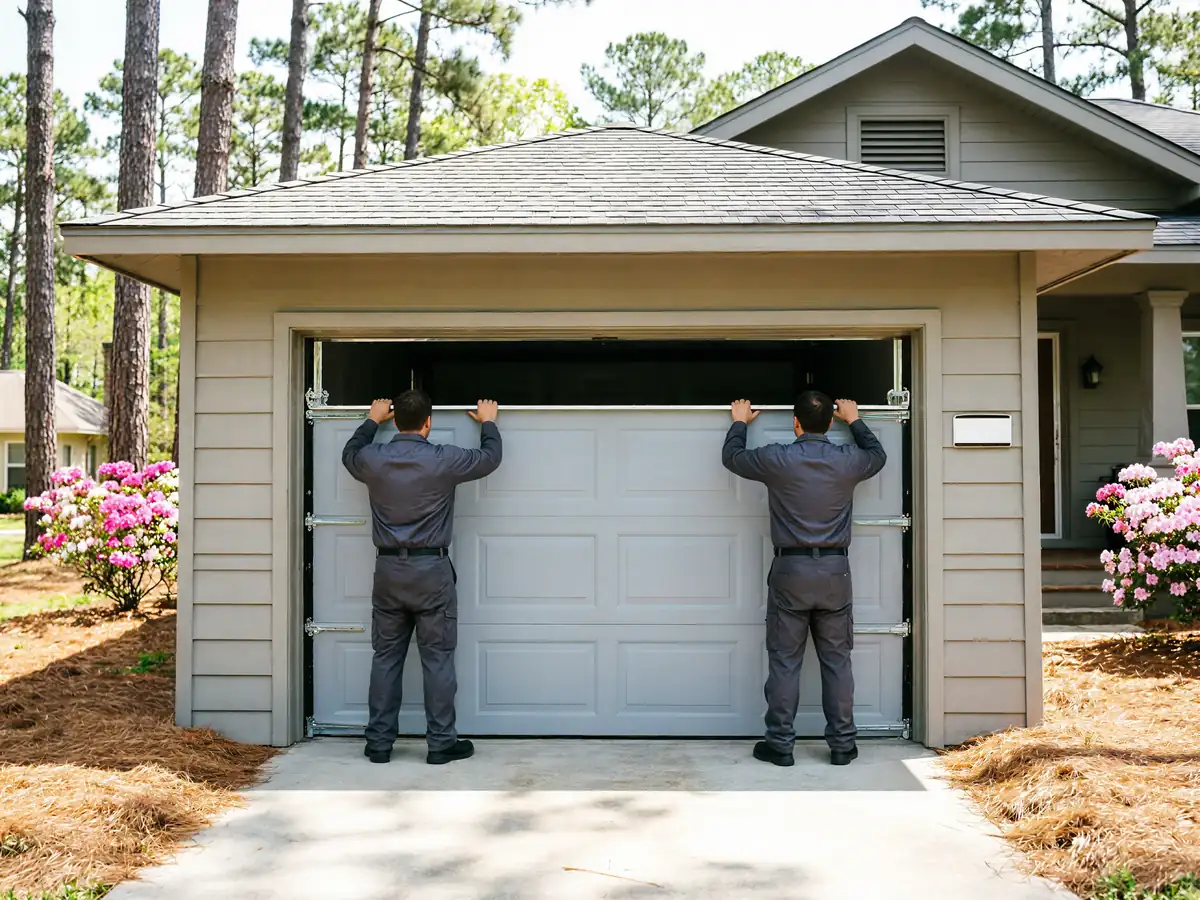
Tell us the door's rough age and what it's doing - won't open, makes a bang, opener runs but the door doesn't move - and we'll know before we leave Decatur whether we're bringing torsion spring stock or an opener board. Because most Triana doors are newer, a lot of what we diagnose over the phone turns out to be an opener sensor or a worn roller rather than a structural spring failure, so give us the symptom plainly rather than a guess at the cause. We work from the links below if you want to see what else the shop covers before you call.
What Can Go Wrong
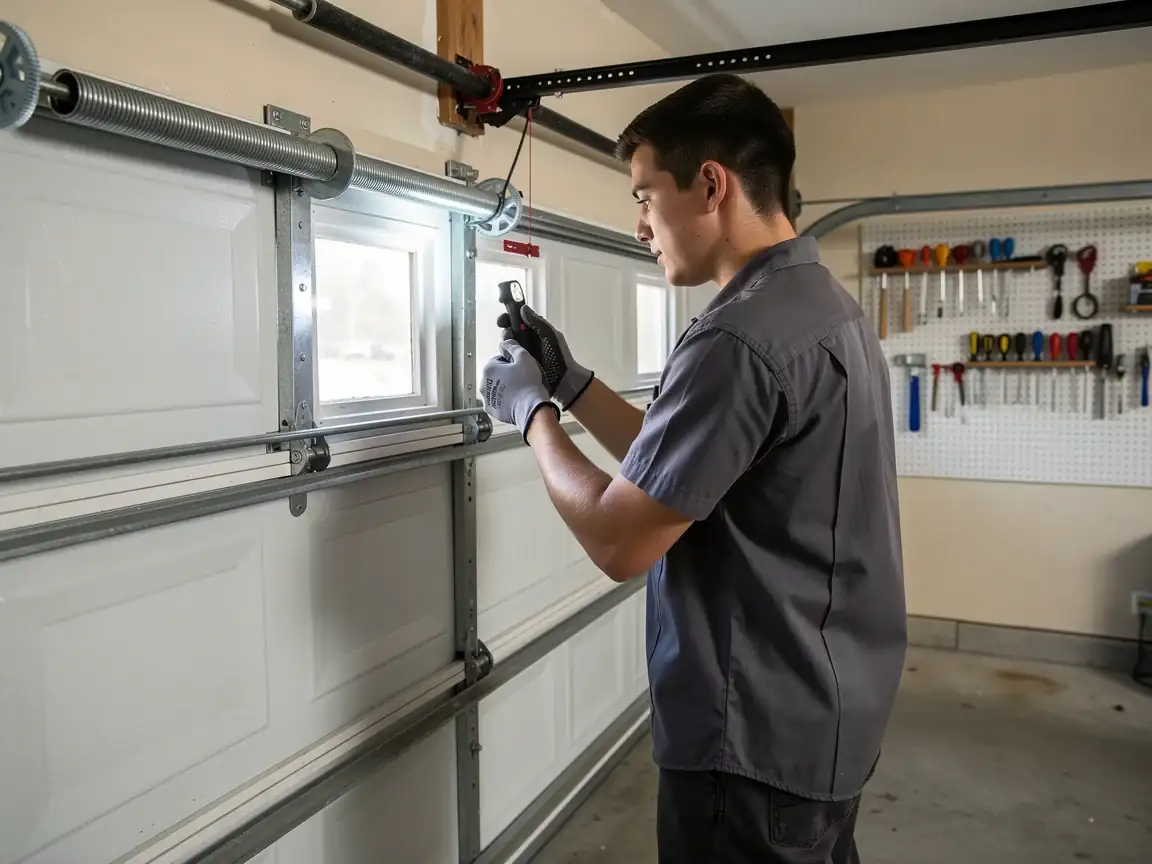
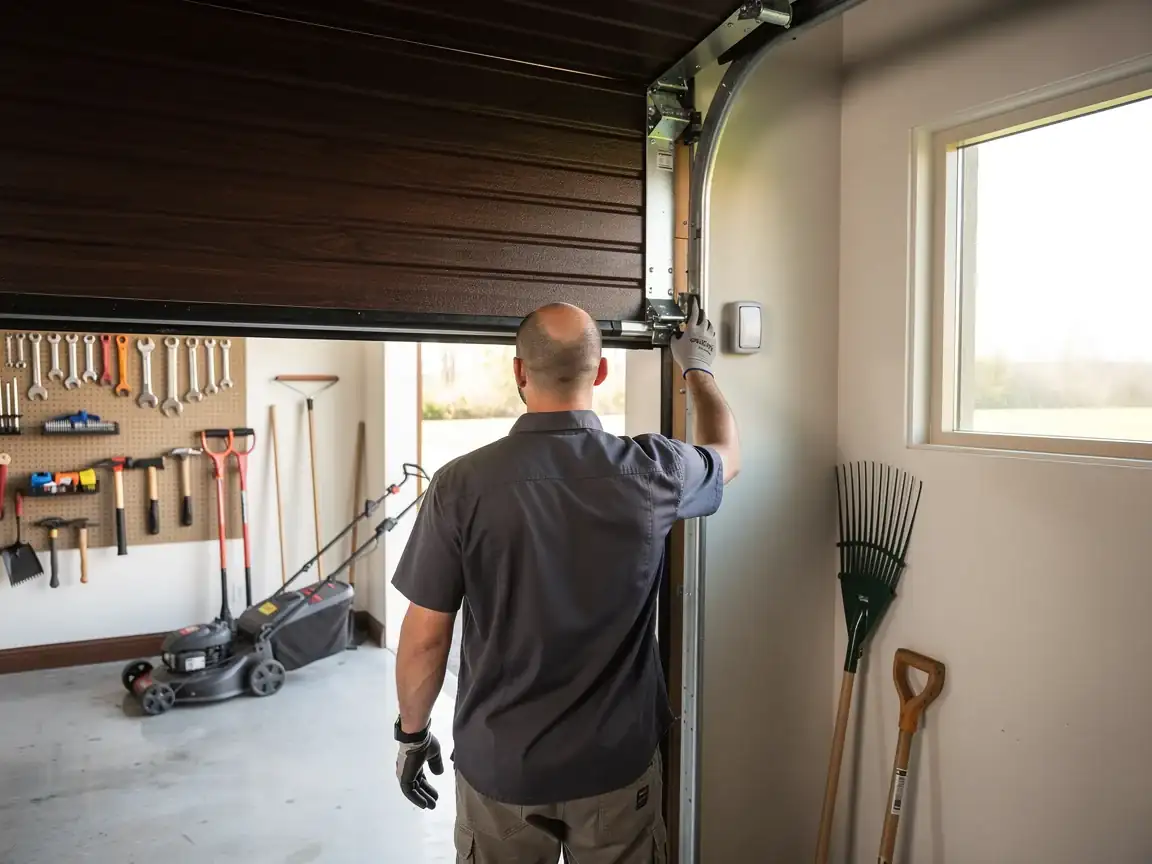
The cold-moderate climate band this area sits in means freeze-thaw cycling on exposed hardware, but on a door built after 2012 that mostly shows up as a stiff roller or a track bolt that's worked loose, not the rusted-through spring you'd find on a 1980s door. Openers from this build era are more likely to fail at the circuit board or the sensor eye than at the motor itself - a door that reverses for no reason, or won't respond at all, is usually electronics, not muscle. Cables and springs on doors this age are still within their rated cycle count in most cases, so when one does go, it's often a install defect or a one-off rather than wear.