Stocked Parts
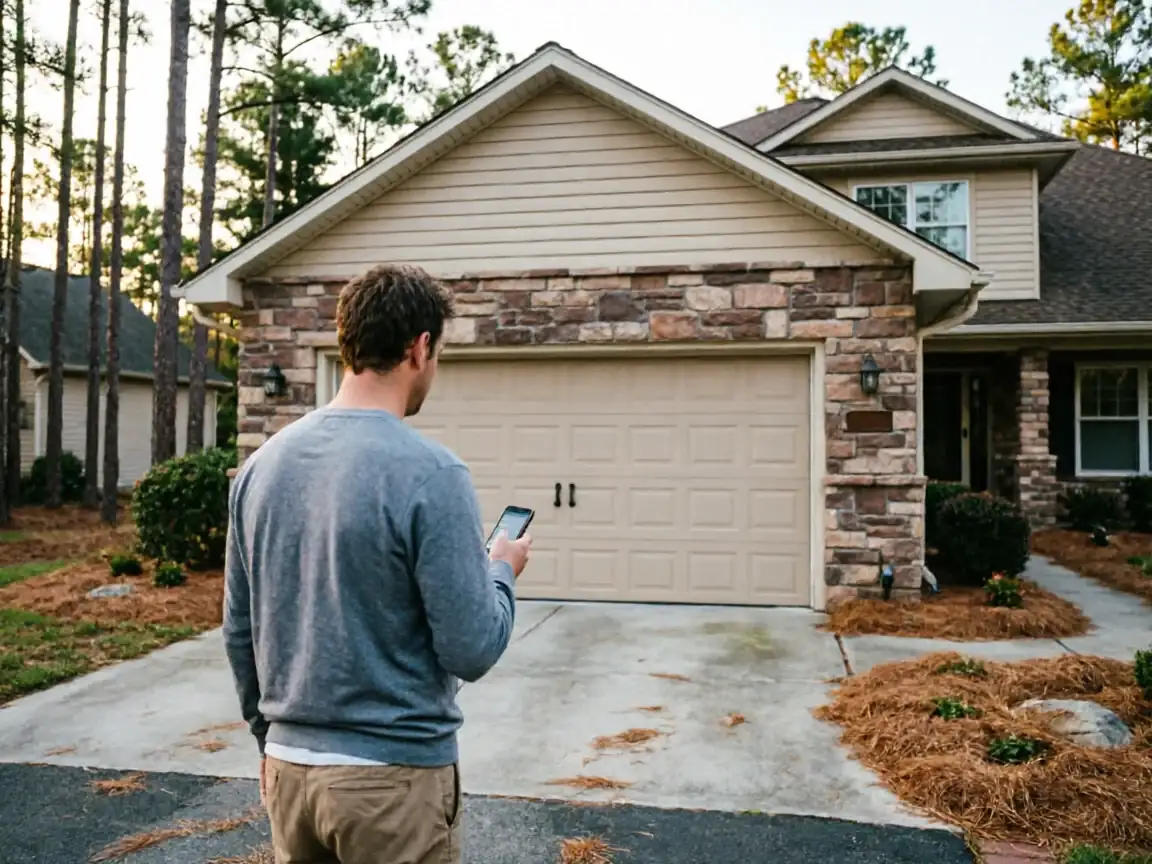
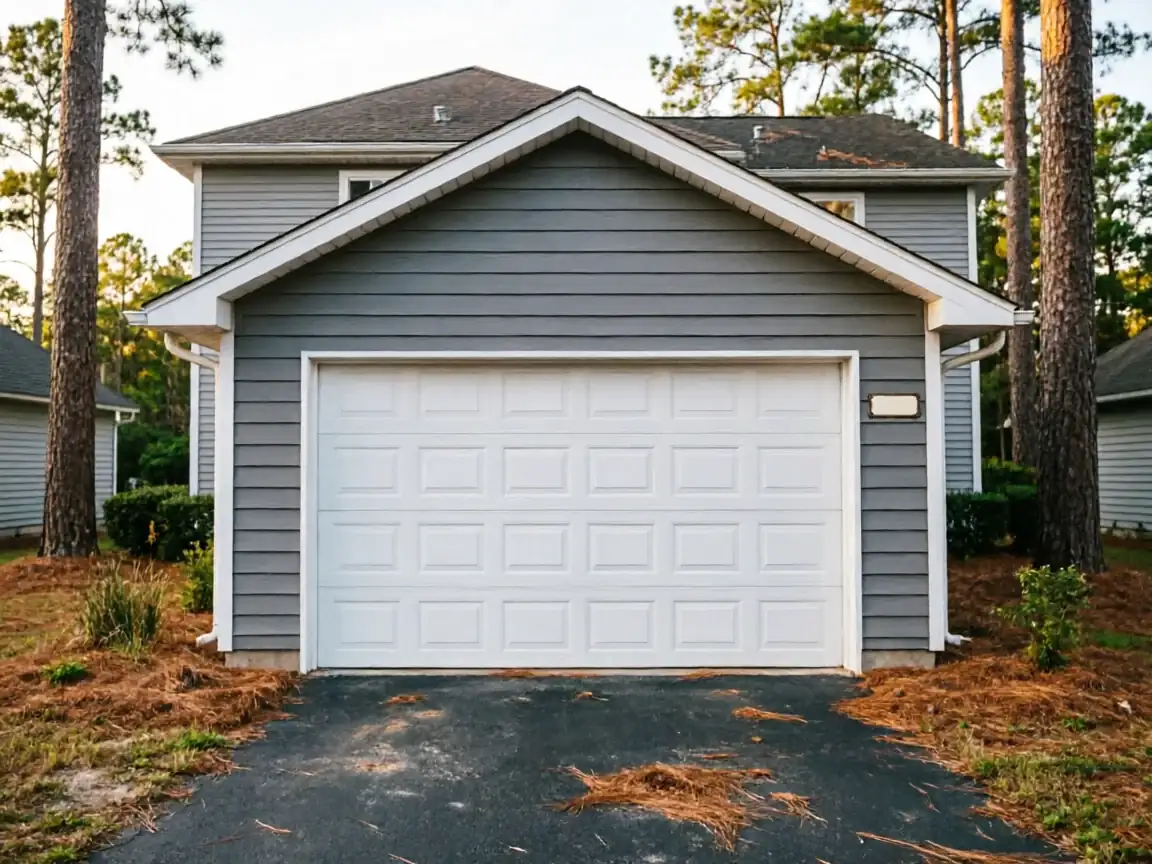
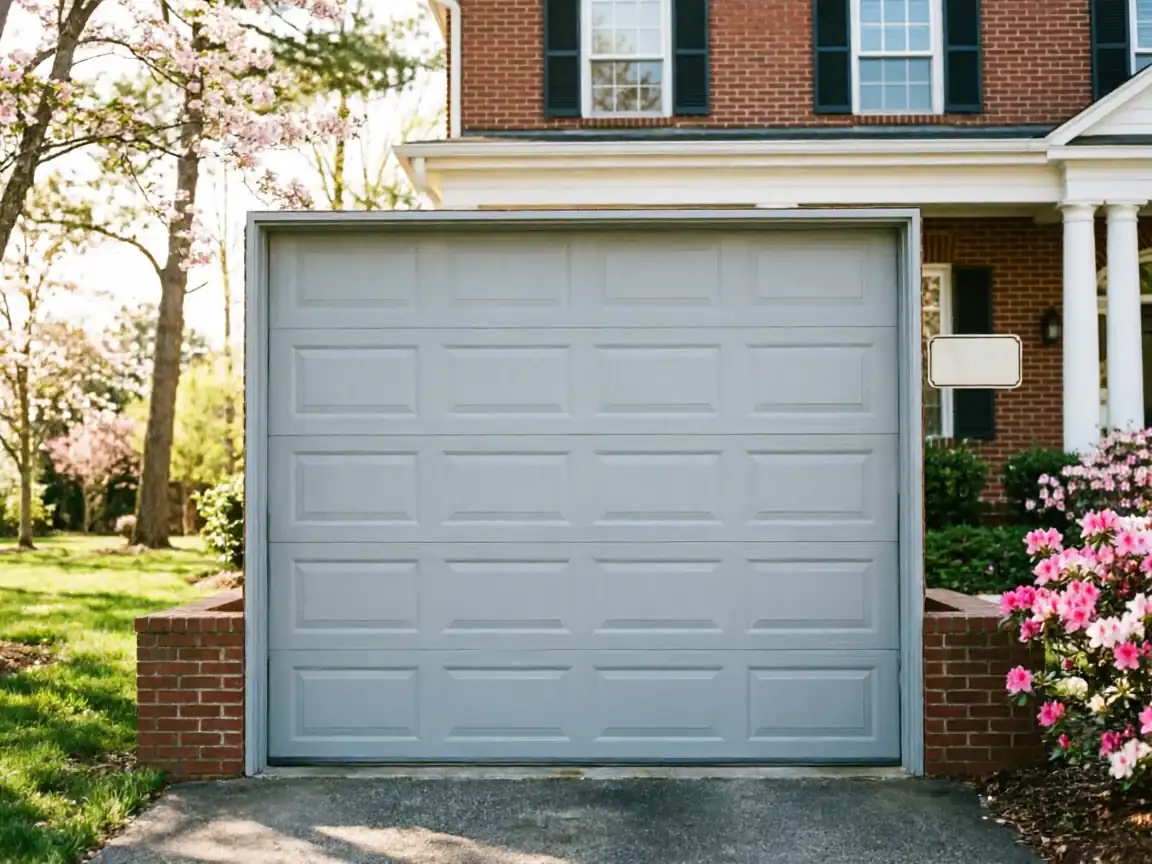
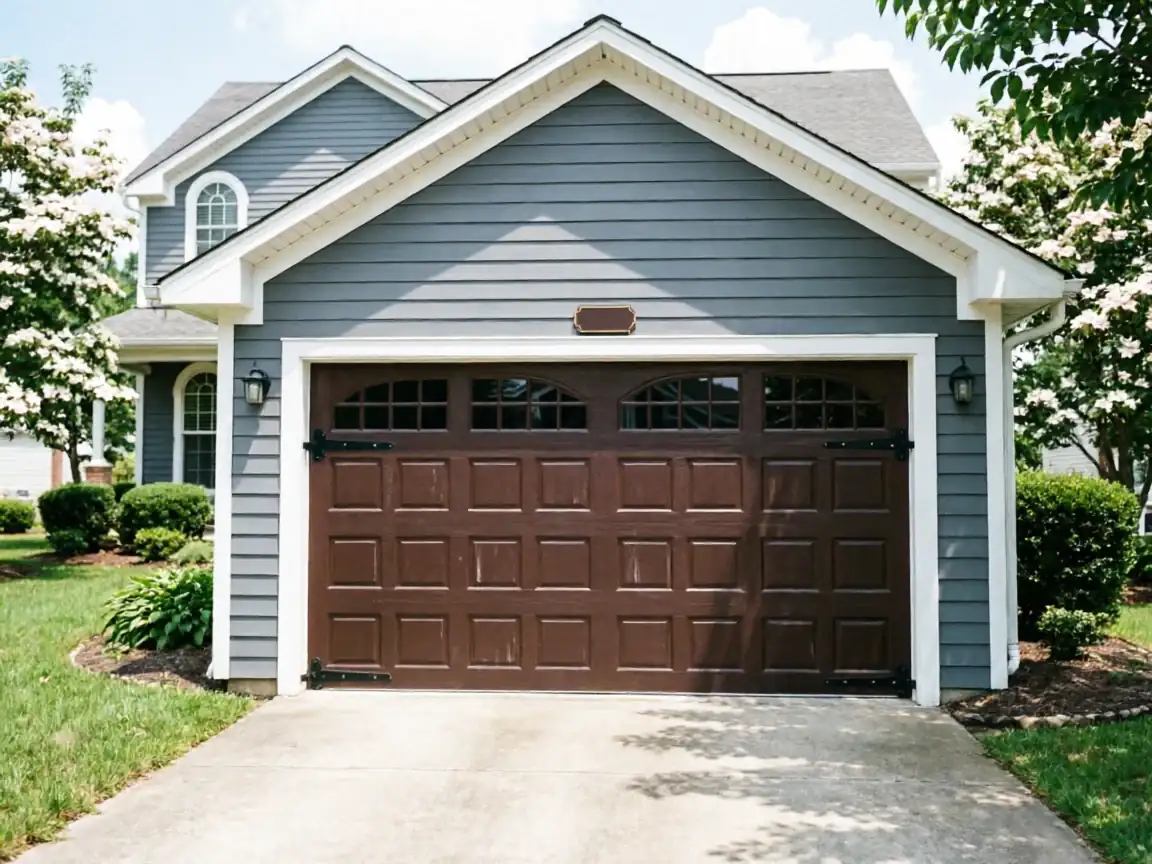
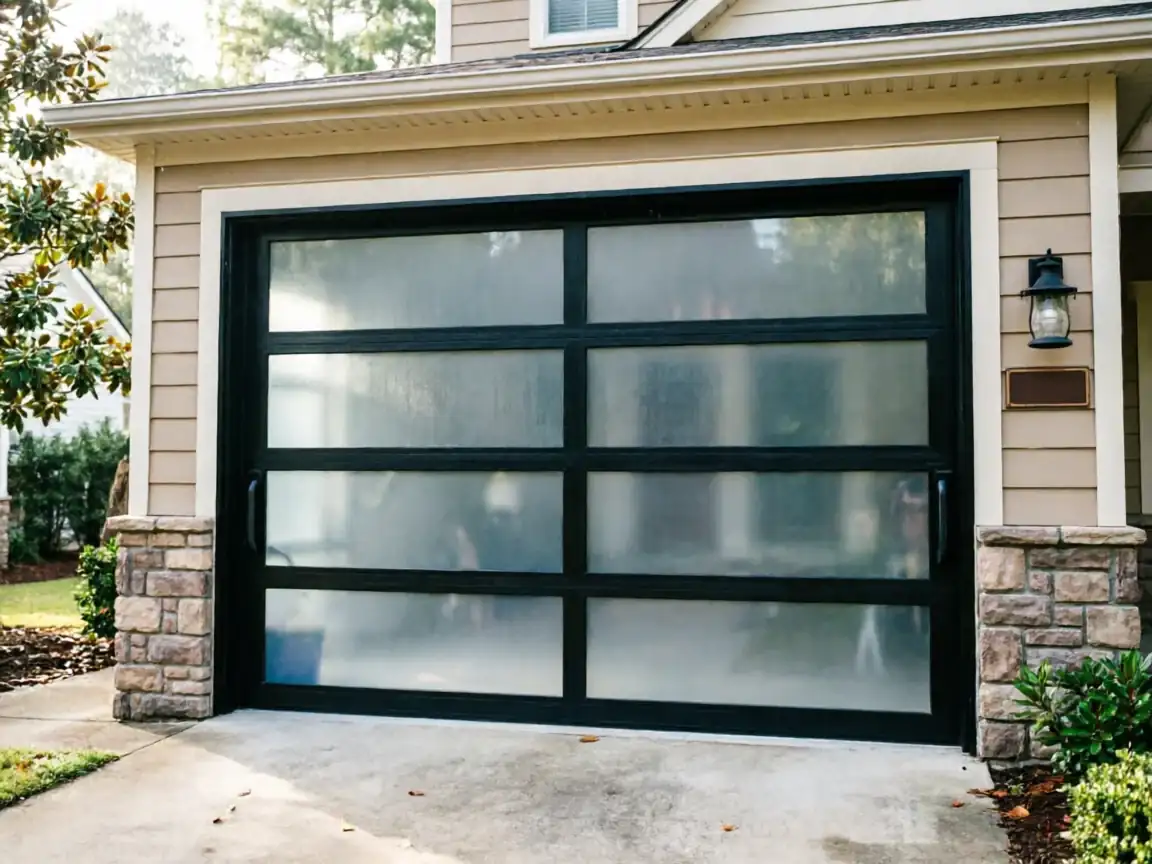
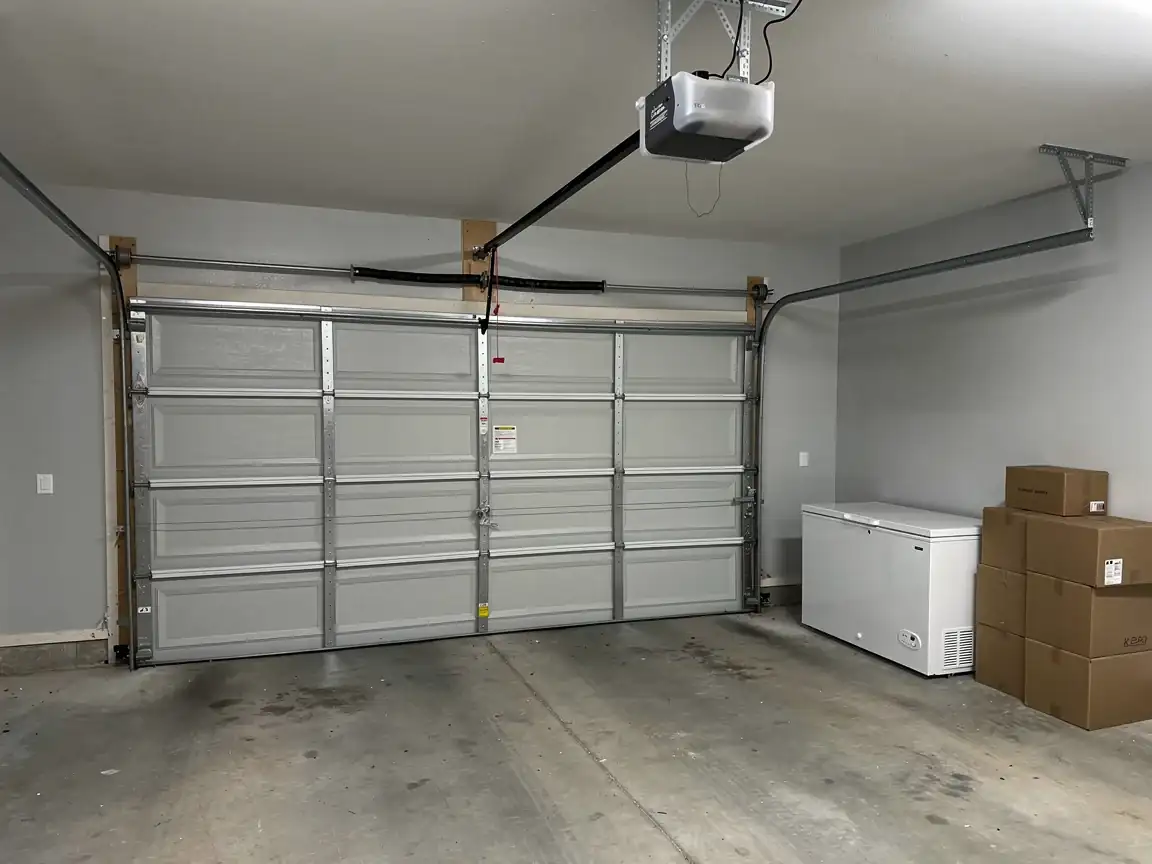
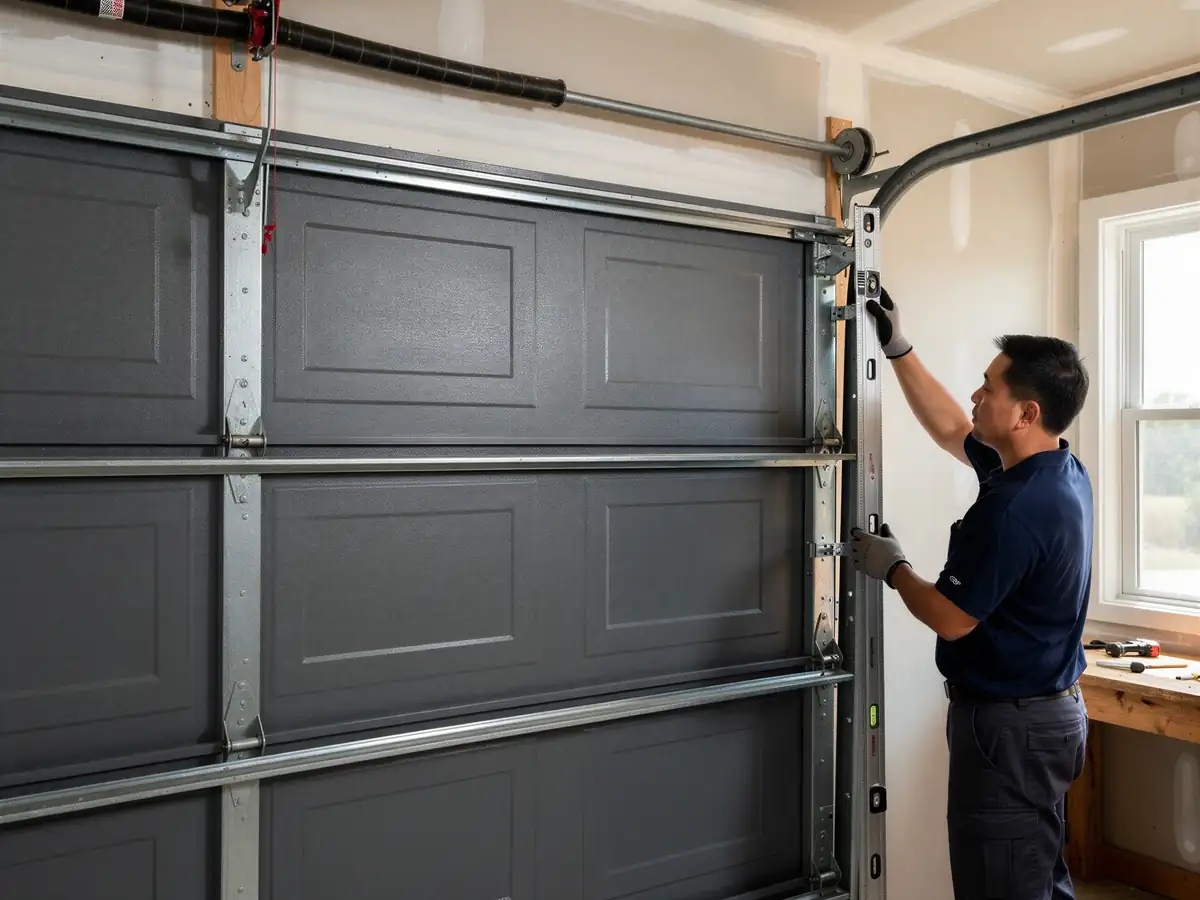
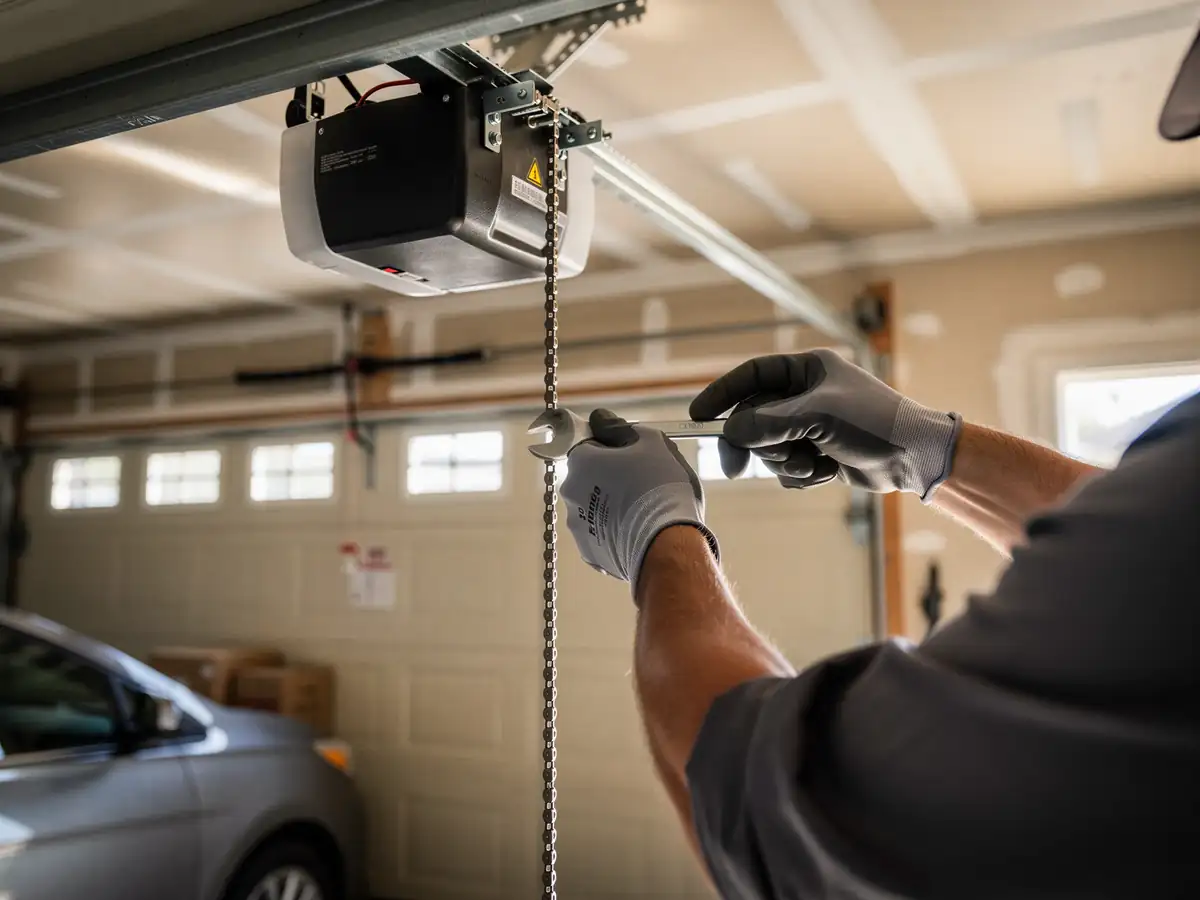
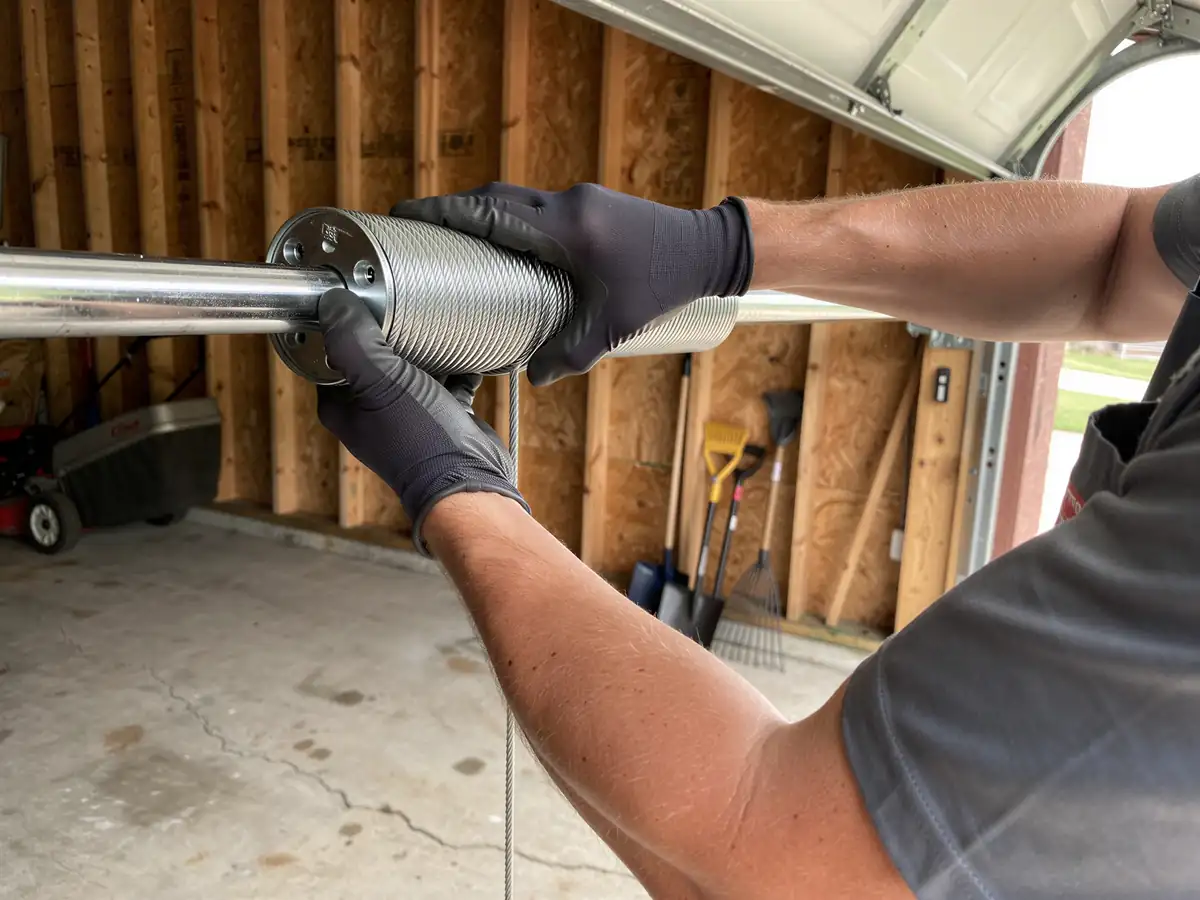
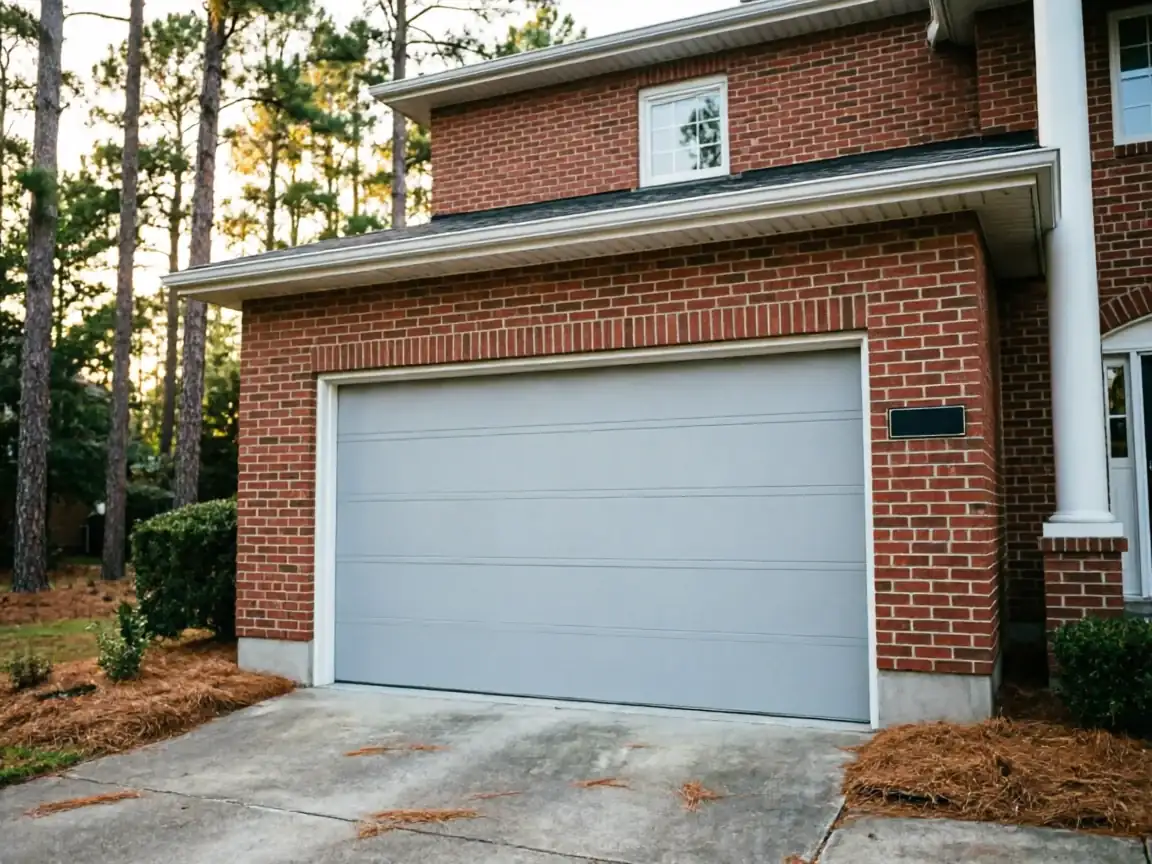
Triana sits about 14 miles from our shop in Decatur, and the trip matters less than what we find when we get there. Across the wider Decatur area, houses span 1972 to 2012 with a median build year of 1988 - a lot of older torsion setups and one-piece doors. Triana itself skews much newer, with a median build year around 2012. That's a different door altogether: sectional steel panels, lighter-gauge torsion springs sized for insulated doors, and openers with rolling-code circuit boards instead of the mechanical limit switches you'd find on a 1980s install. We carry the belt-drive and chain-drive openers, steel roller assemblies, and standard-lift torsion springs that this newer stock actually uses. What we don't keep on the truck is obsolete hardware for pre-1980s doors, because that's simply not what's installed out here. If your house in Triana is one of the older exceptions, tell us when you call so we bring the right spring and track instead of guessing at the job site.
Getting It Booked In
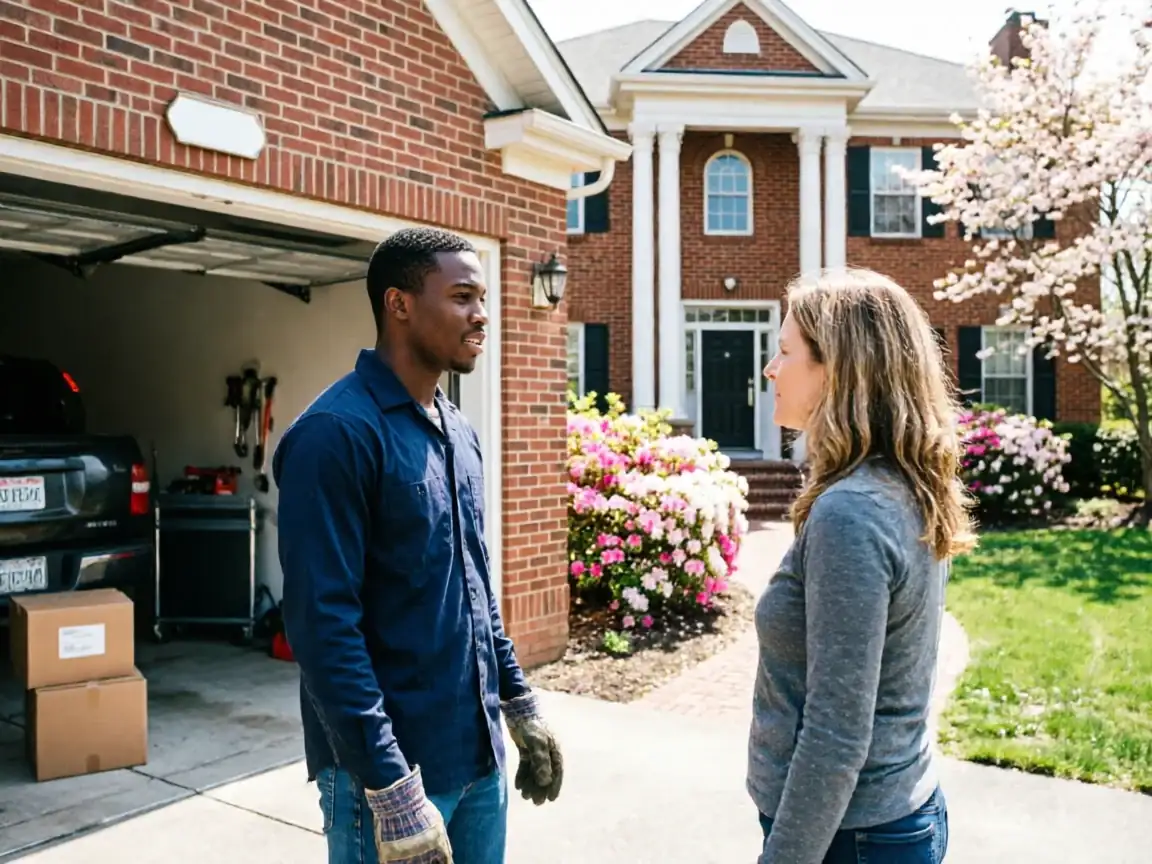
We run out of Decatur, about 14 miles from Triana, so when you call we'll ask a few questions before the truck ever leaves - door brand if you know it, whether it's a single or double, and roughly how old the house is. For a service area where median household income runs over $102,000, a fair number of homeowners are in houses still under builder warranty on some components, so it's worth checking your closing paperwork before you call us for something the builder might still cover. Otherwise, tell us what the door is doing (or not doing) and we'll bring parts that match a newer sectional setup rather than hauling a mixed bag of hardware for a door era that isn't common in Triana.
What Can Go Wrong
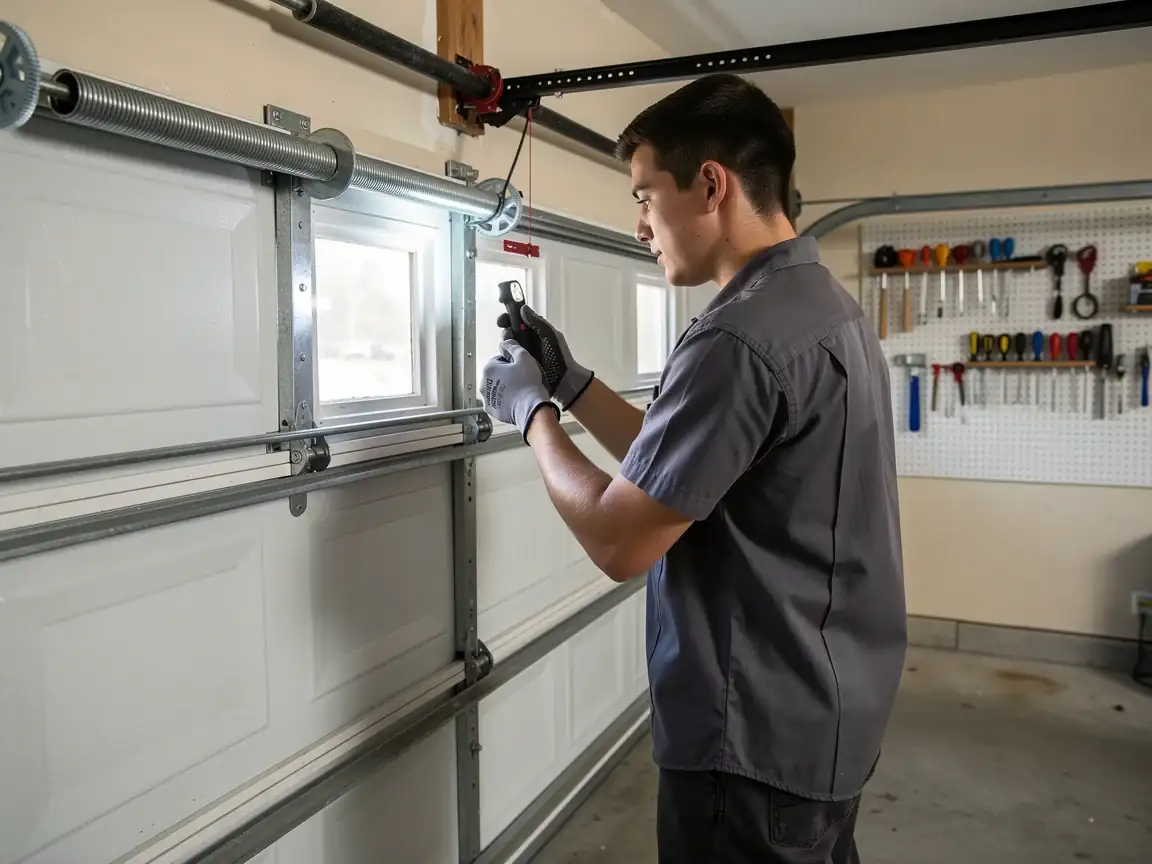
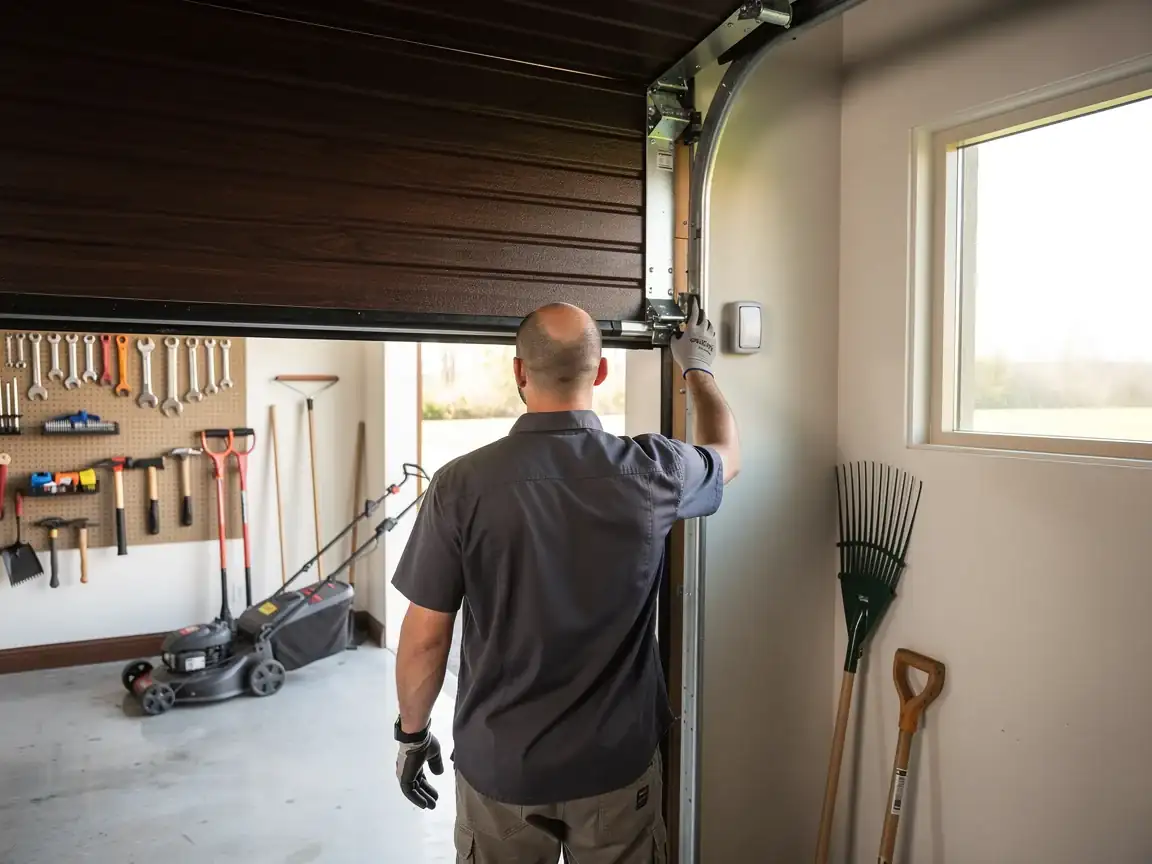
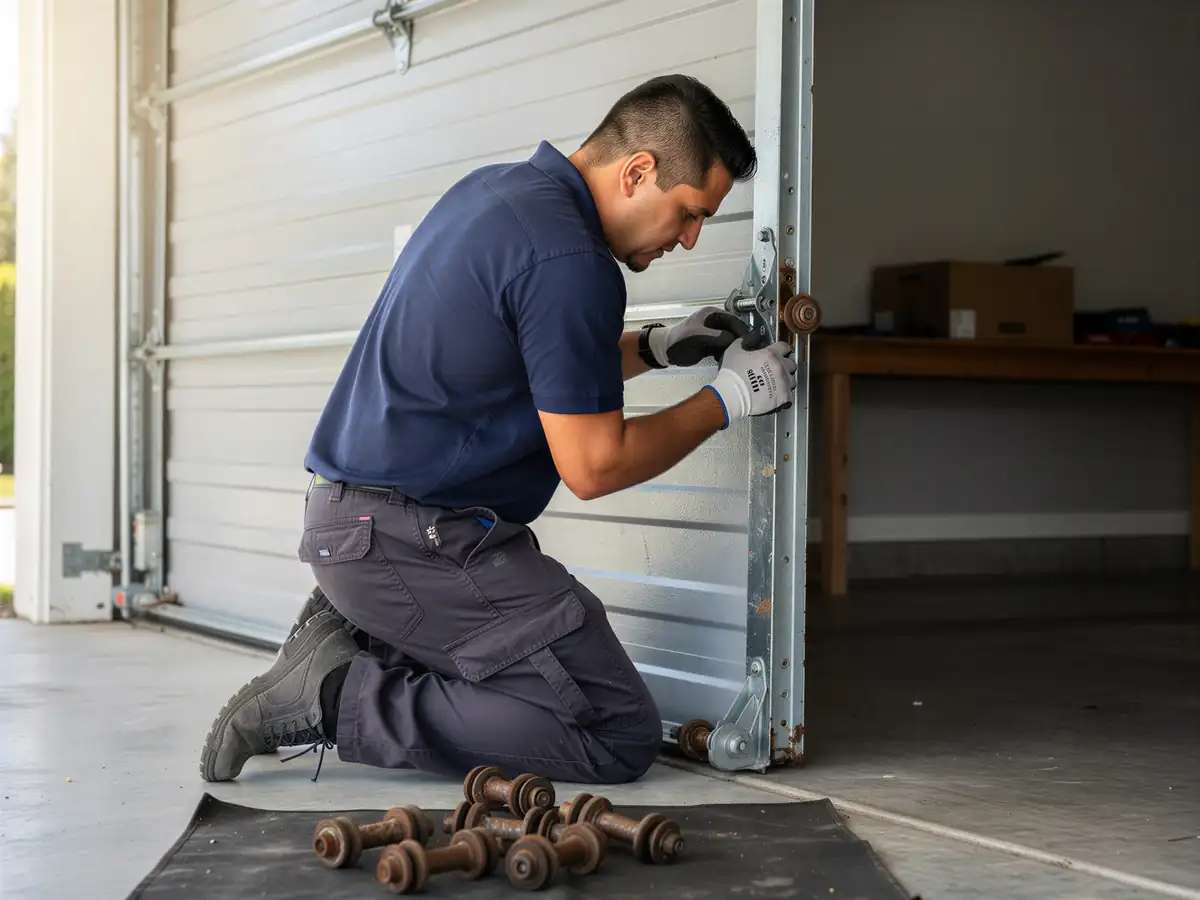
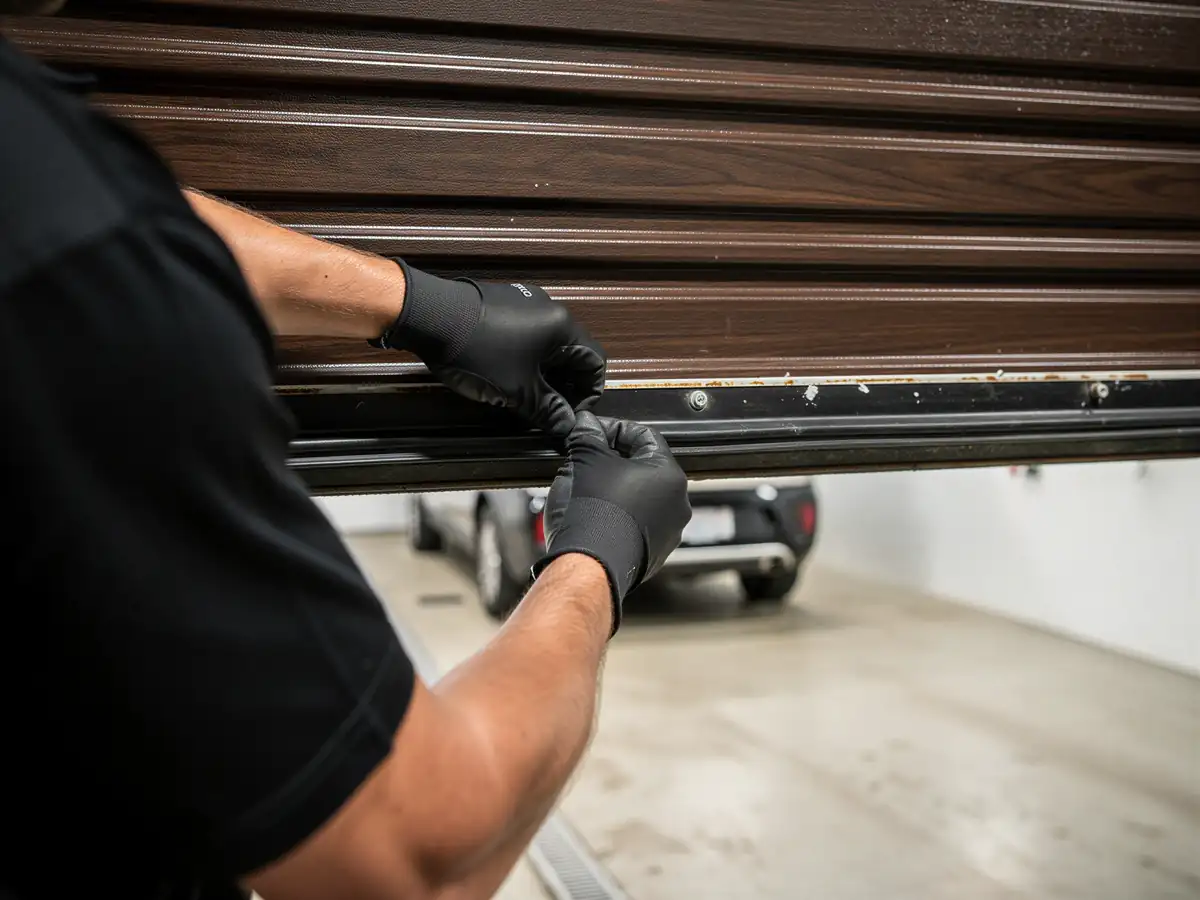
Cold-moderate winters put stress on any door, but the failure points on a newer Triana door look different than on an older one across the rest of the service area. Nylon rollers on 2000s-and-later doors wear out and crack in the cold rather than binding like the steel rollers on older tracks. Opener logic boards on this era are more sensitive to power surges during winter storms than the simple relay-switch openers from the 1980s. Torsion springs sized for lighter insulated panels still fatigue and snap, just on a different cycle count than the heavier springs on older one-piece doors. We also see photo-eye sensor misalignment more in this housing stock, since these doors shipped standard with safety sensors that older installs never had - a bumped sensor, not a broken door, is sometimes the whole problem.