Stocked Parts
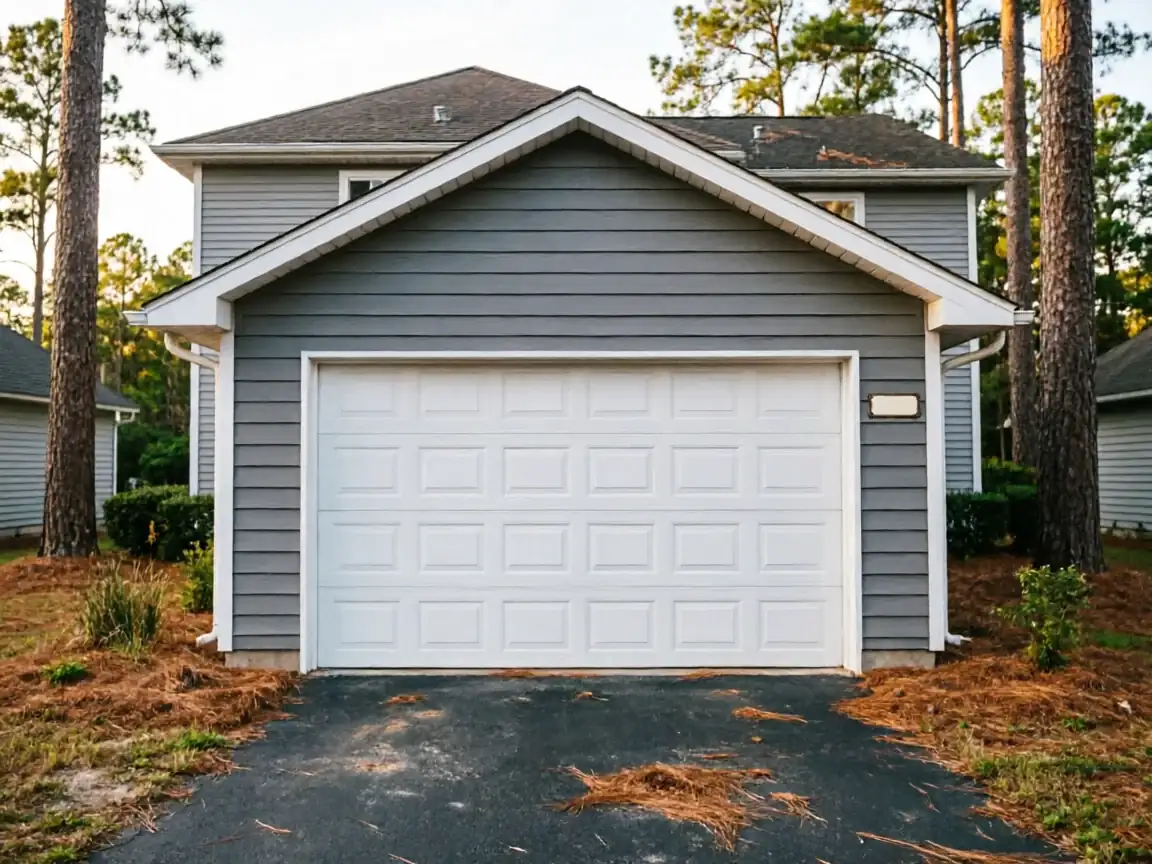
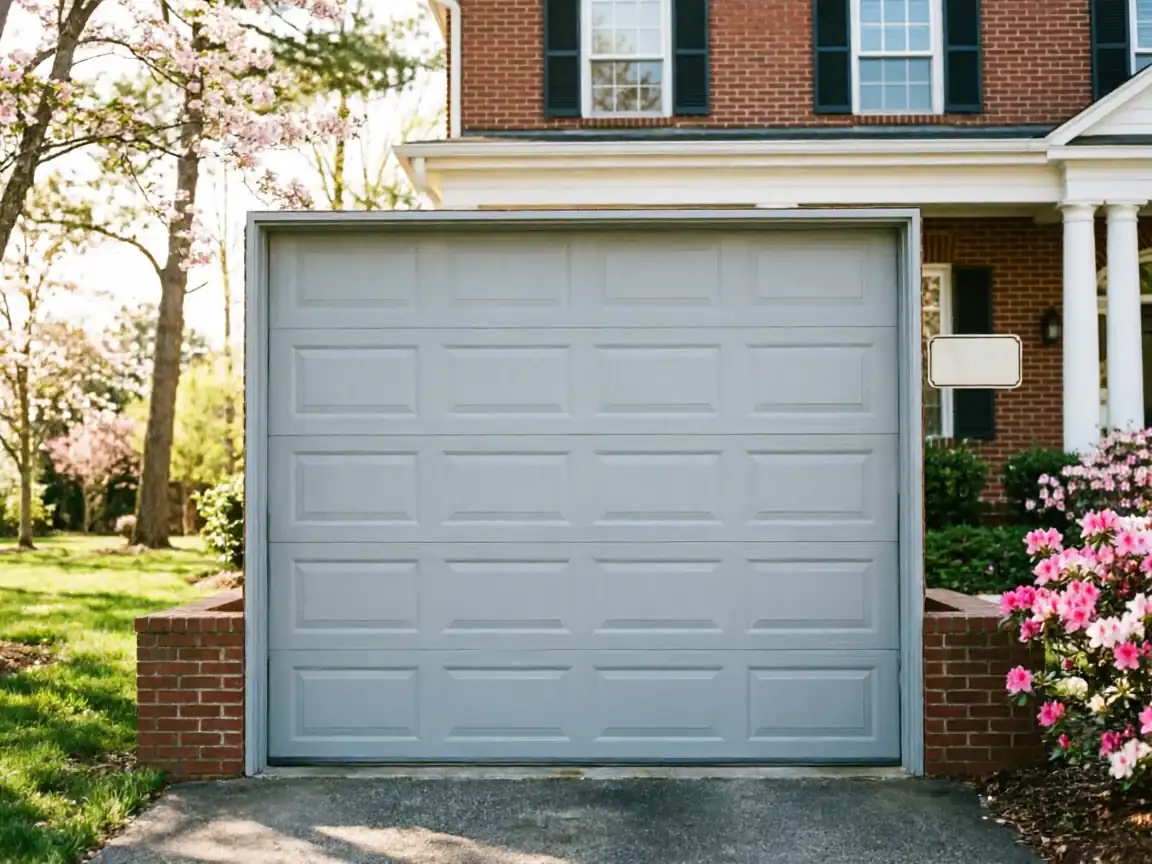
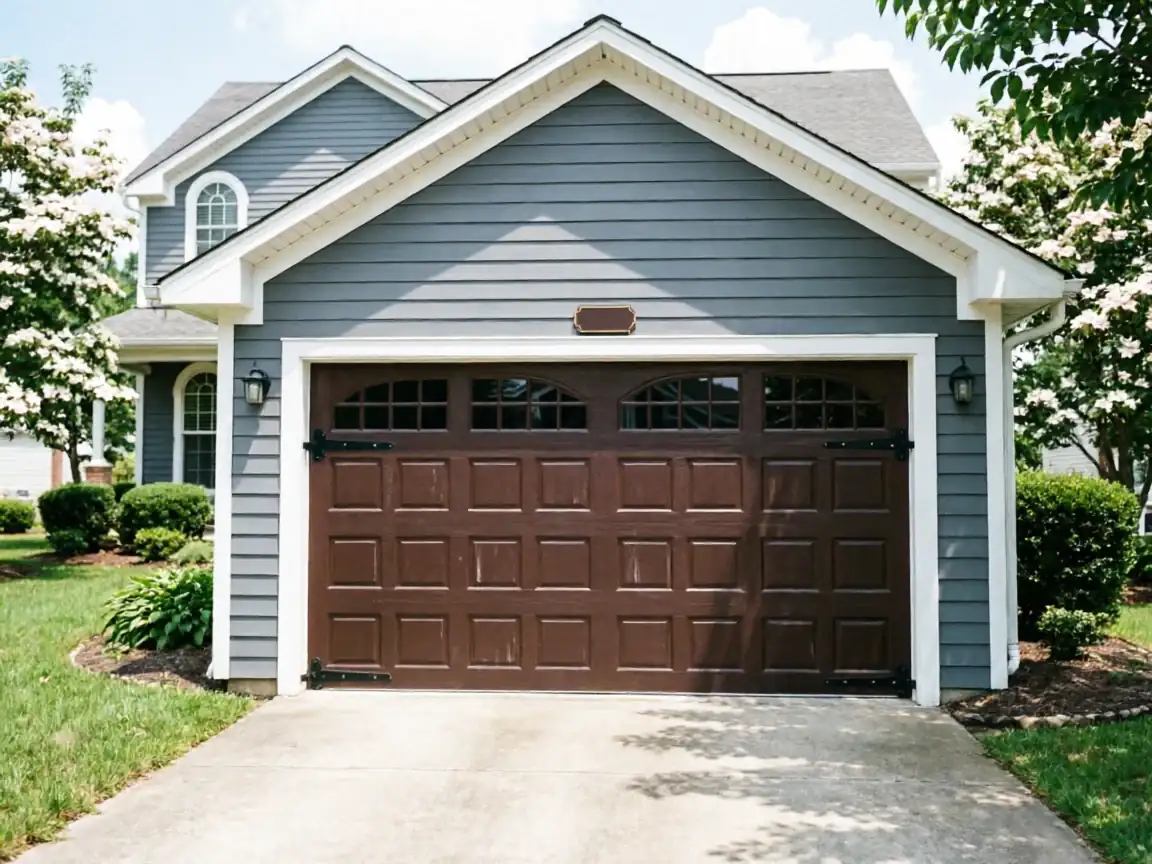
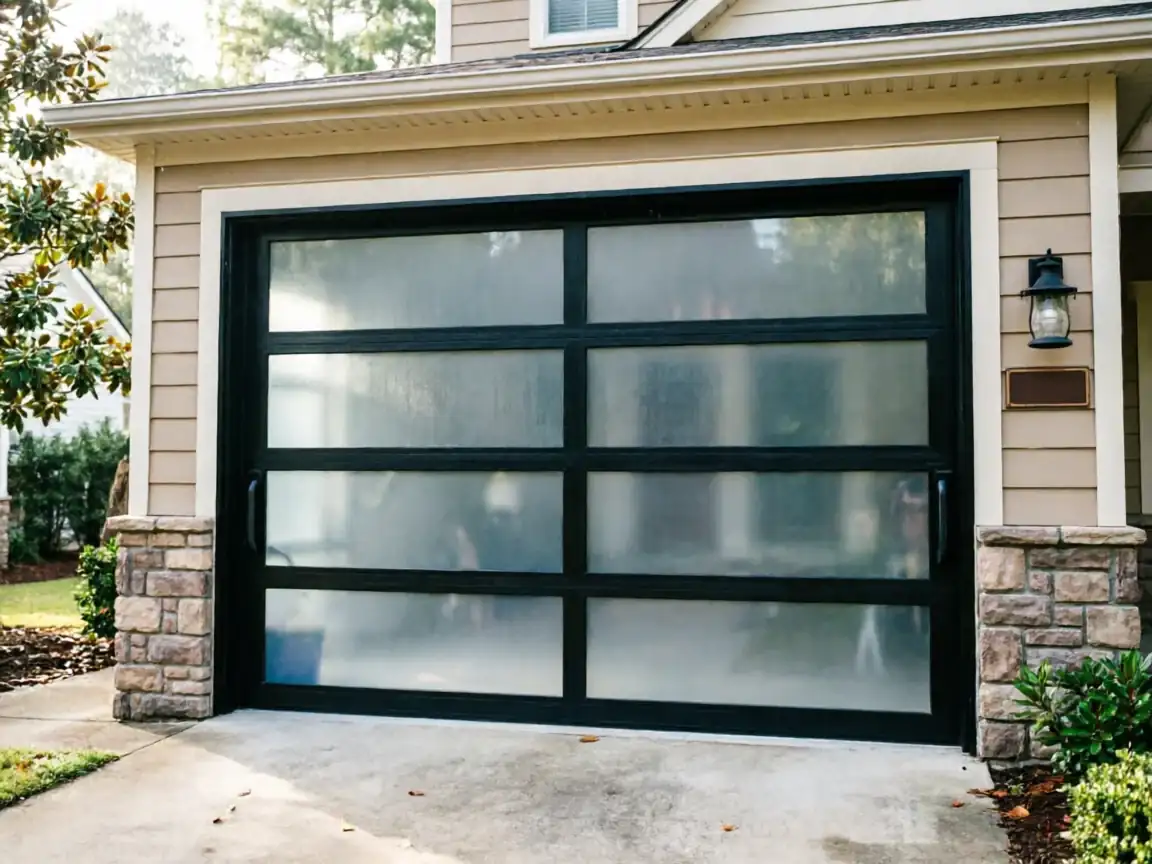
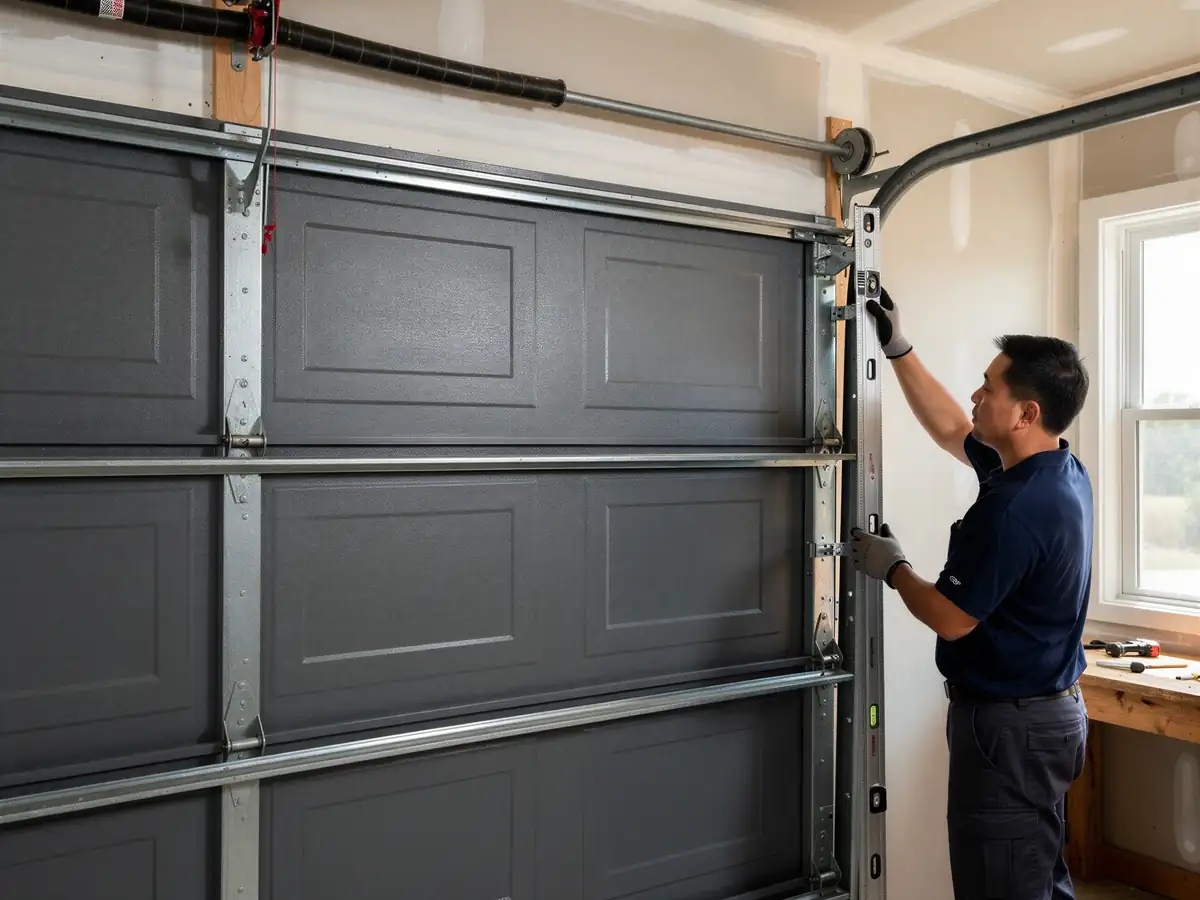
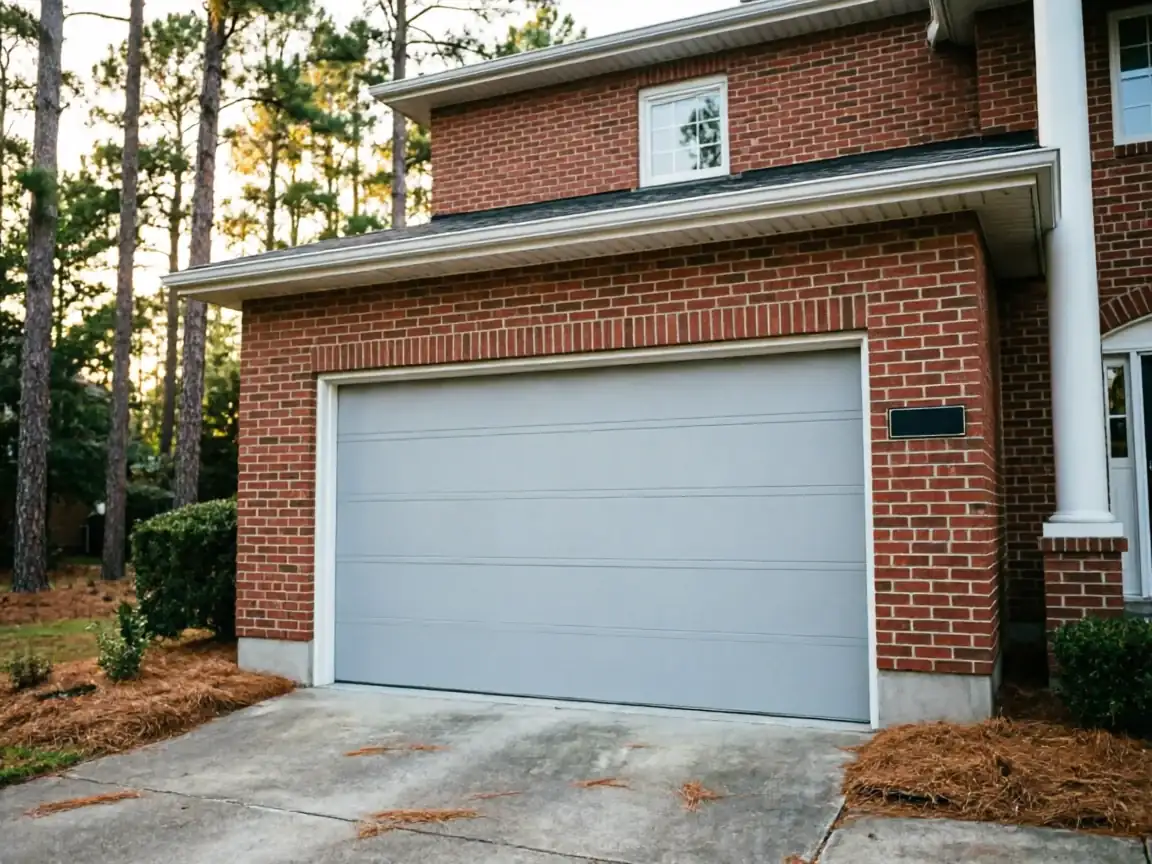
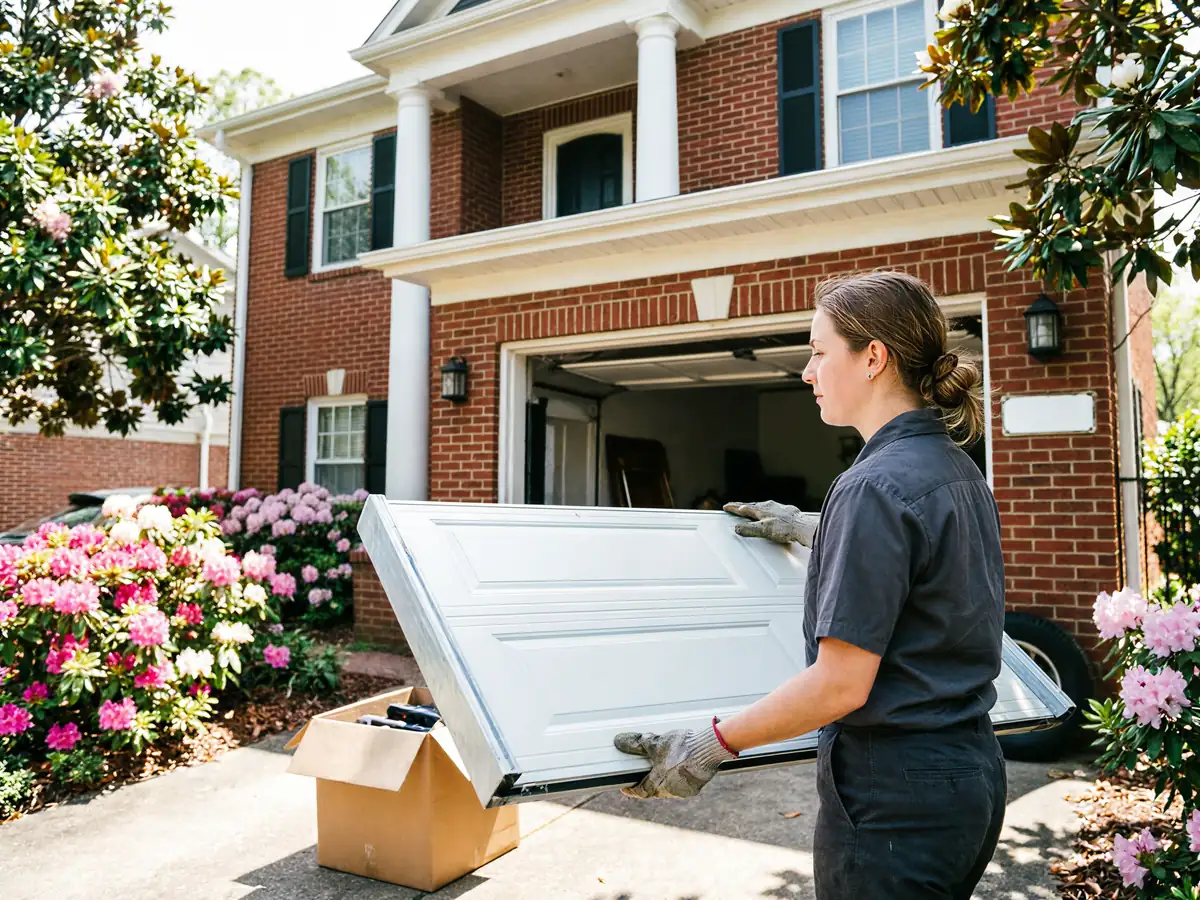
Triana sits 14 miles from our shop in Decatur, and that drive shapes how we plan a panel job here. We don't carry every profile on the truck for every town, so when a call comes in from Triana, the first thing we check is what's actually on the door, because this isn't Decatur's older housing stock. Triana's homes carry a median build year around 2012, decades newer than the 1988 median across the rest of the service area. That means steel sectional panels on standard modern track widths, not the older wood-composite or oversized panel styles we deal with closer in. For a straight panel swap on a door from this era, we're usually matching a common width and can often source it without a special order. Where it gets slower is custom colors or insulated panels with a specific R-value facing - those sometimes take a supplier order, and we'll tell you that up front on the phone rather than promise a same-visit fix we can't back. We bring what a 2010s-era sectional door typically needs; we confirm the exact match once we're looking at the track and hinge spacing in person.
Getting It Booked In
Call ahead so we can plan the trip out to Triana alongside other stops that day - we're coming from Decatur, and a scheduled window works better for everyone than a same-hour ask. When you call, have the door's brand name or a photo of the data label ready if you can find it; on a 2000s-2010s build it's usually stamped on the inside of the top panel or a side stile. Tell us which panel is damaged (top, bottom, or a middle section) and whether the opener still runs the door at all, since a jammed panel can bind the whole track. With Triana's household income running higher than the rest of our coverage area, we also get more calls asking about a full matching-panel upgrade rather than just a patch repair - we're glad to quote both and let you decide which makes sense for the door's age and condition.
What Can Go Wrong
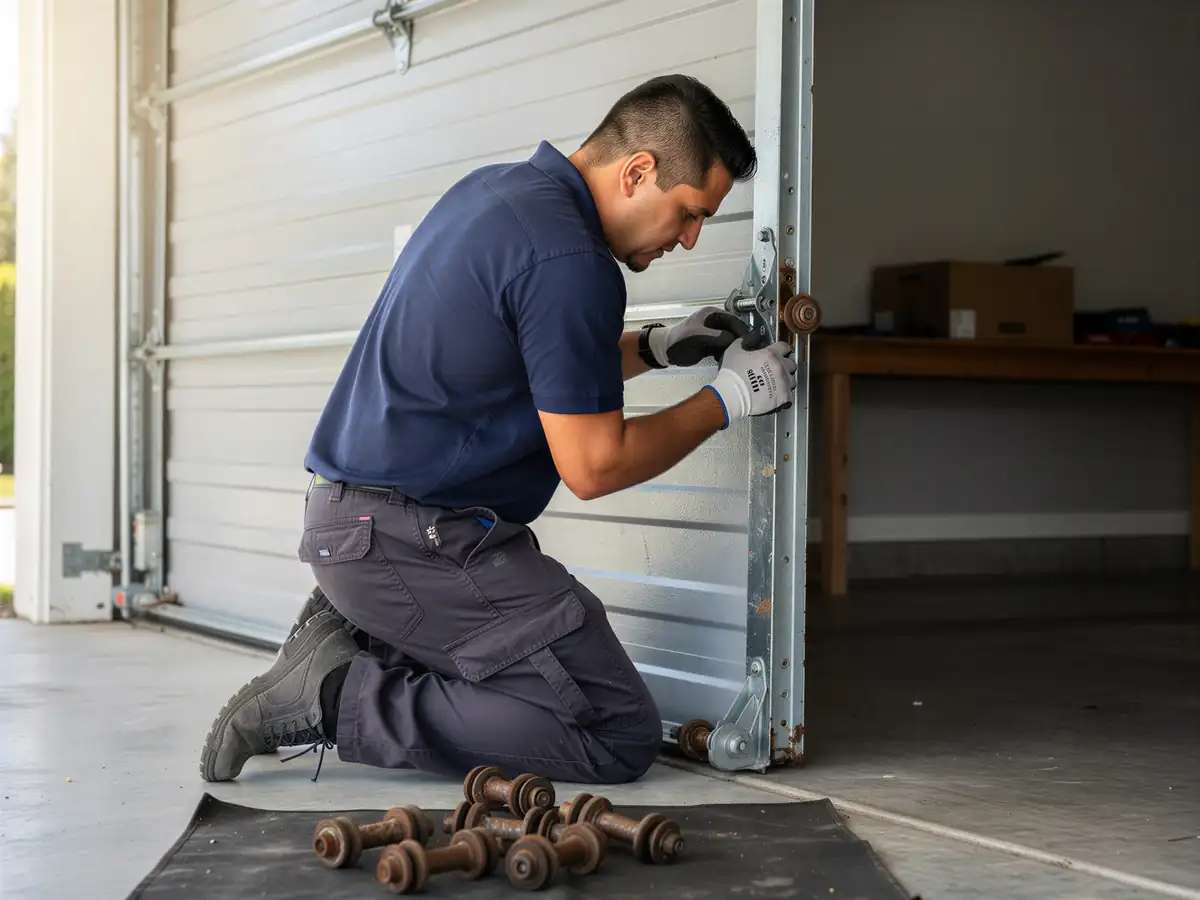
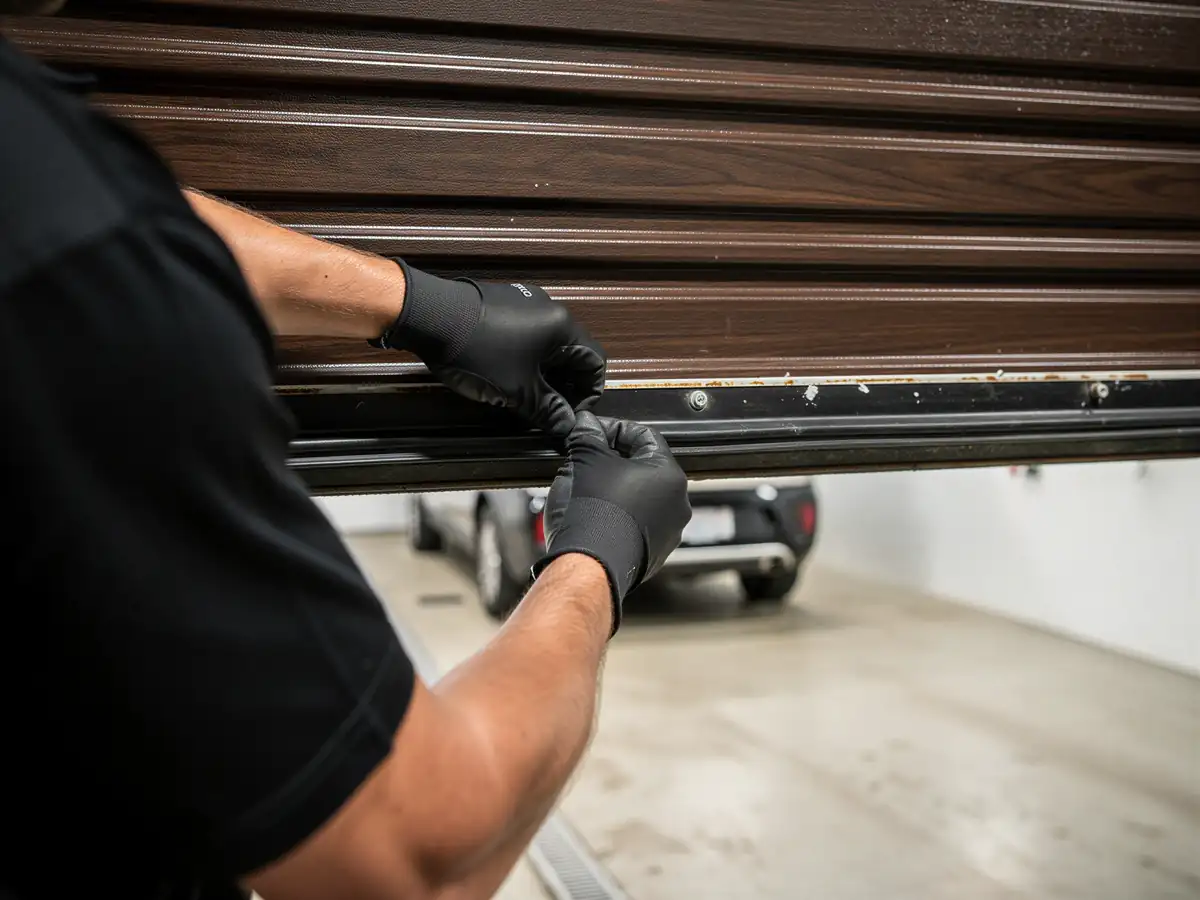
On a door built in the last 10 to 15 years, the most common panel failure we see isn't material fatigue - it's an impact. A car bumper, a trailer hitch backing in wrong, a basketball at the wrong angle against a thin steel face. Because Triana's stock skews newer, we see fewer of the rust-through or UV-brittle panel failures that show up on older doors elsewhere in the area; steel finishes from this era hold up better against the moderate cold-climate swings here. What we do see is impact damage concentrated on bottom panels, since that's the height a bumper or a kid's bike actually hits. We also check the track and rollers any time a panel's bent, because a dented panel can still look fine while it's quietly pushing the roller out of alignment - leave that and you're back to a second call in a few months for a track that's walked itself crooked.