Stocked Parts
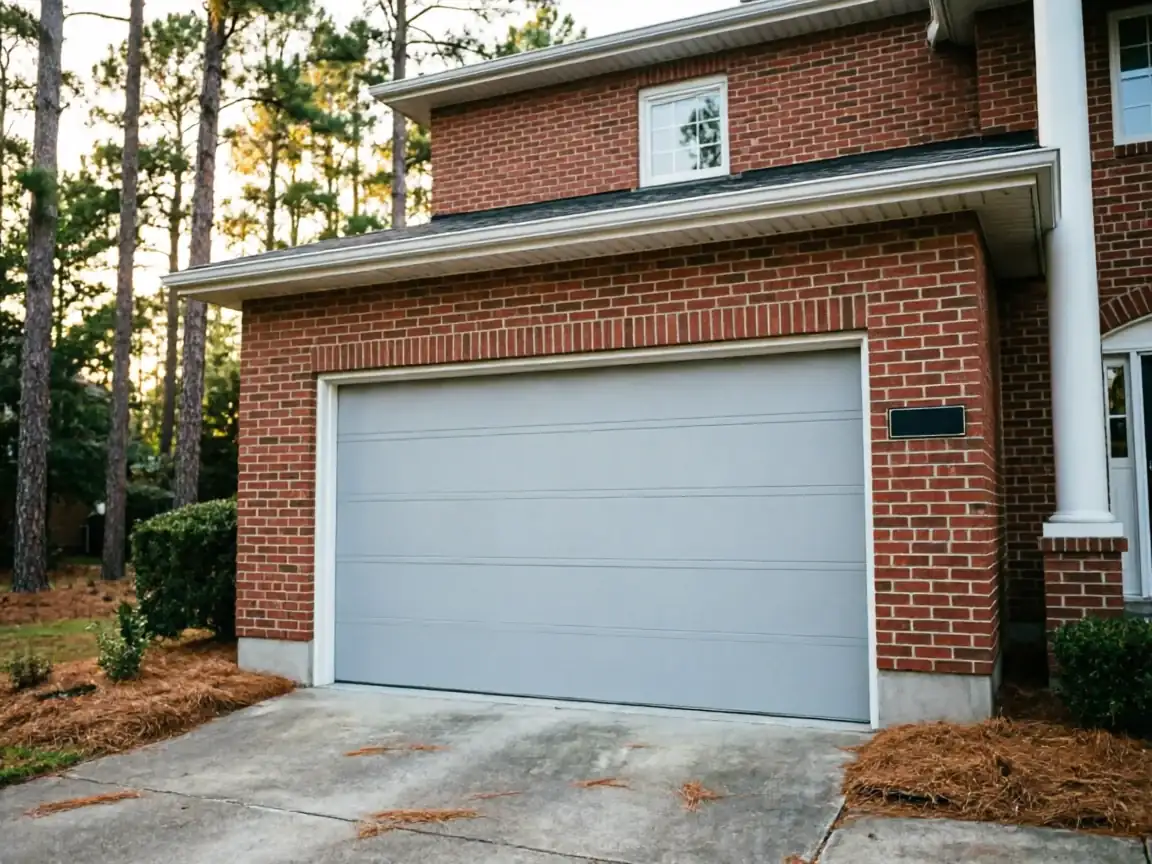
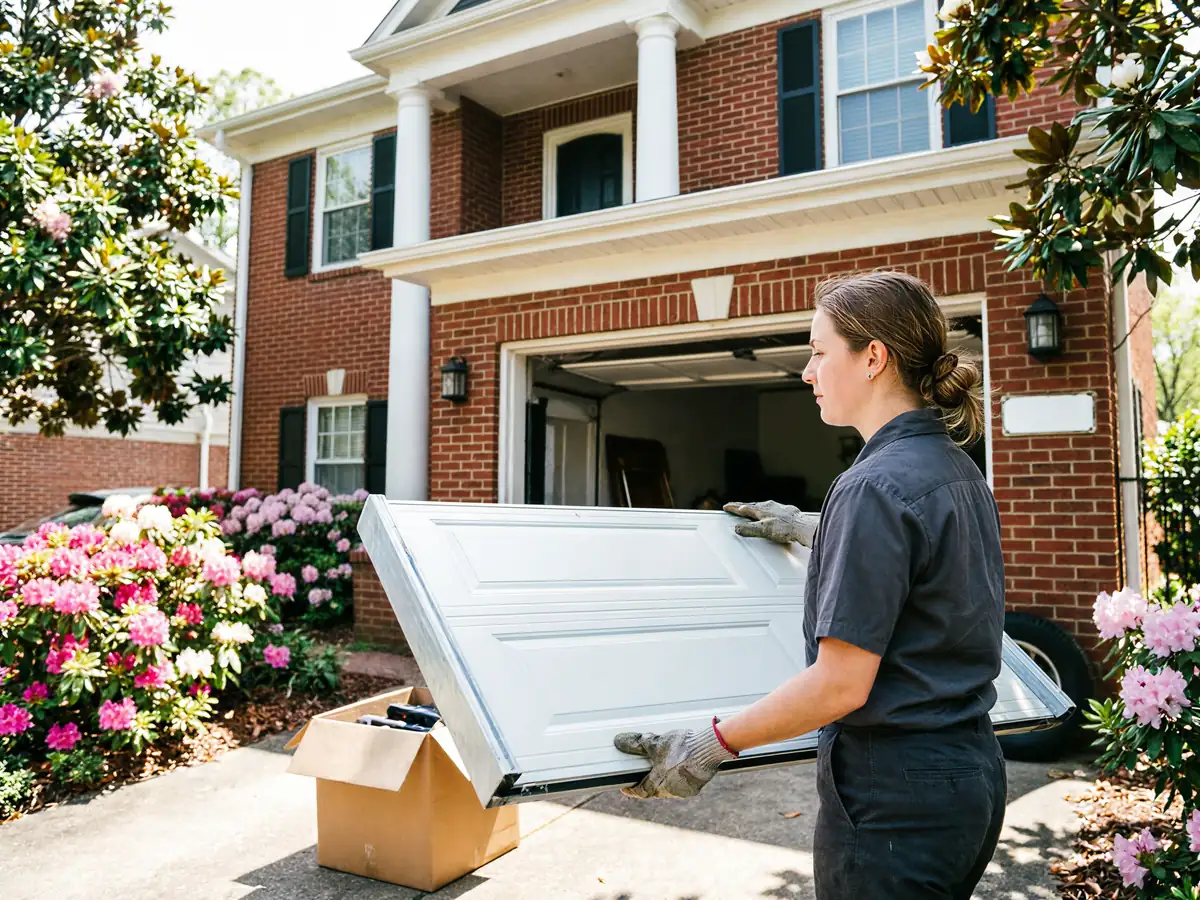
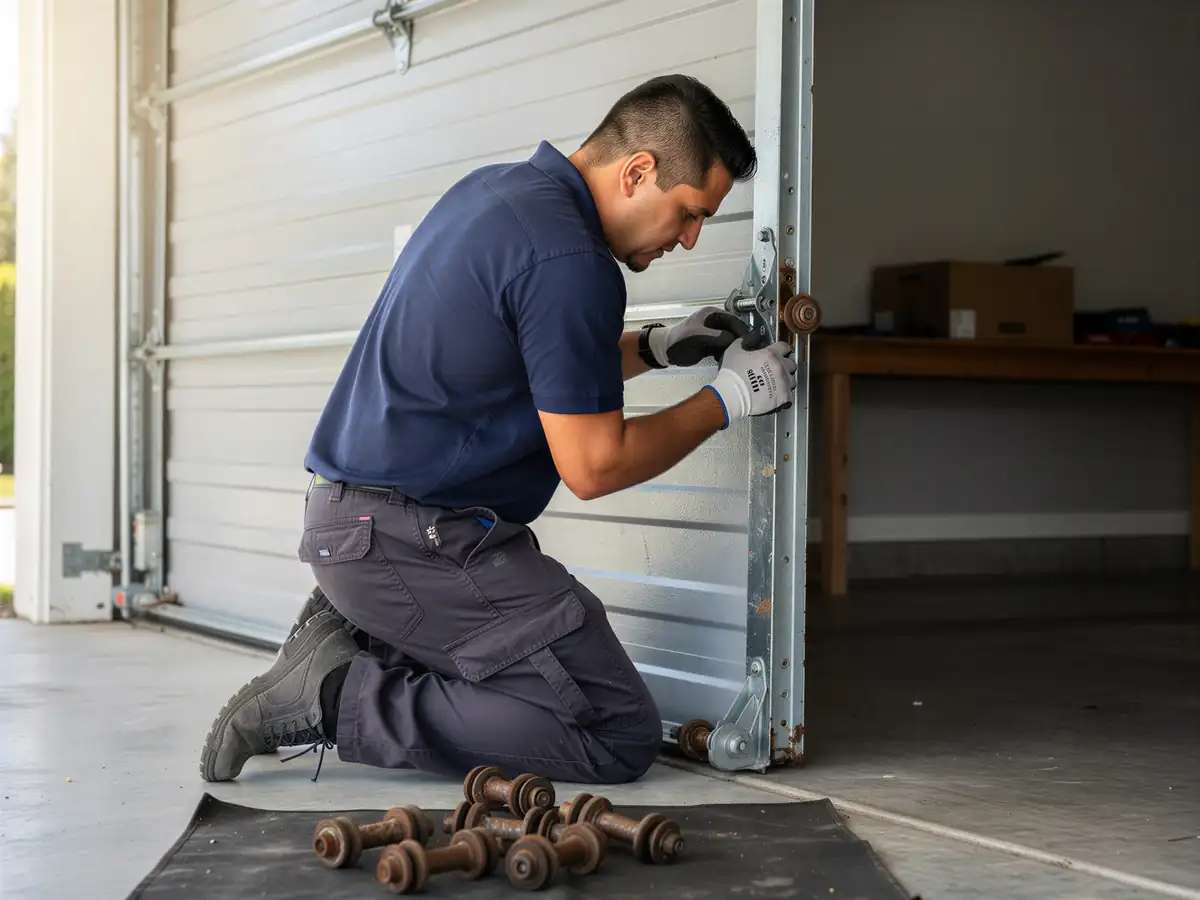
Triana is a small place - about 1,359 households - and the housing here skews newer than most of what we see on the rest of the route out of Decatur. A lot of it went up right around 2012, which matters more than it sounds like it should. Builder-grade doors from that era almost always shipped with 7-ball nylon rollers on a standard 2-inch stem, sealed bearing or not depending on the package the builder picked. We carry both the plain nylon replacements and the sealed-bearing upgrade on the truck, because once we're out at a house in Triana we'd rather finish the job than schedule a second trip. What we don't stock are oddball sizes - short-stem rollers for narrow track radius doors that showed up on a handful of older stock mixed into the area. If that's what's on your door, we'll confirm it before the appointment, not after we've already driven the 14 miles out from the shop.
Median household income here runs well above the income across the rest of our coverage area - over $102,000 compared to the high-60s elsewhere - and we see that show up in which roller people choose. More Triana customers ask for the sealed 13-ball steel upgrade up front instead of the nylon match, even on a door where nylon would do the job fine.
Getting It Booked In
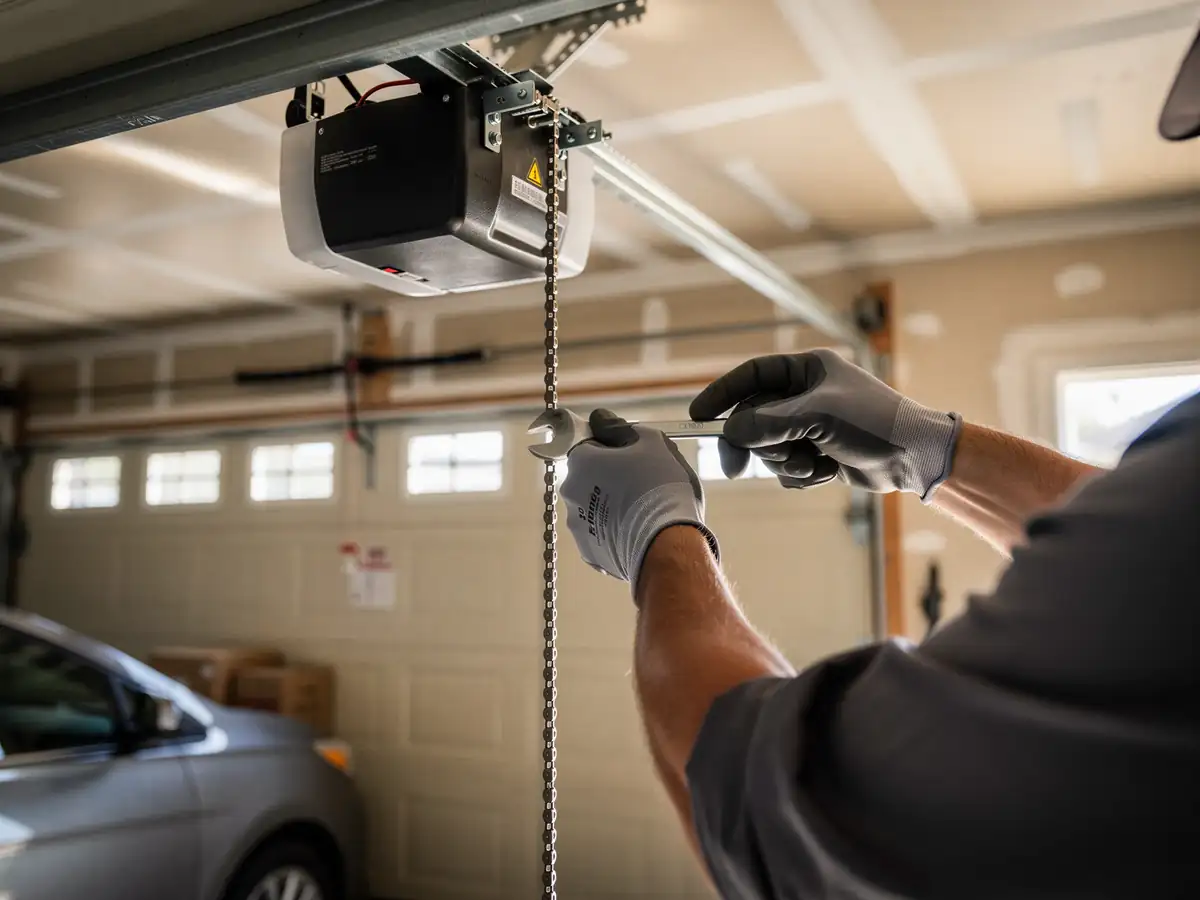
We run jobs in Triana from the Decatur shop - it's a 14-mile drive, so there's no local branch or drop-in counter to walk into, but the truck covers the route regularly. When you call, tell us what you're hearing: a grinding noise as the door moves, a roller that's visibly cracked or missing a ball, or a door that's started riding rough in the track on one side. That tells us whether to load a standard roller kit or plan for a section of track as well, which keeps us from showing up short a part on a 14-mile trip. If your opener is newer - common given the building era here - have the model number ready too, since some newer openers flag roller drag through the wall control before the noise becomes obvious.
What Can Go Wrong
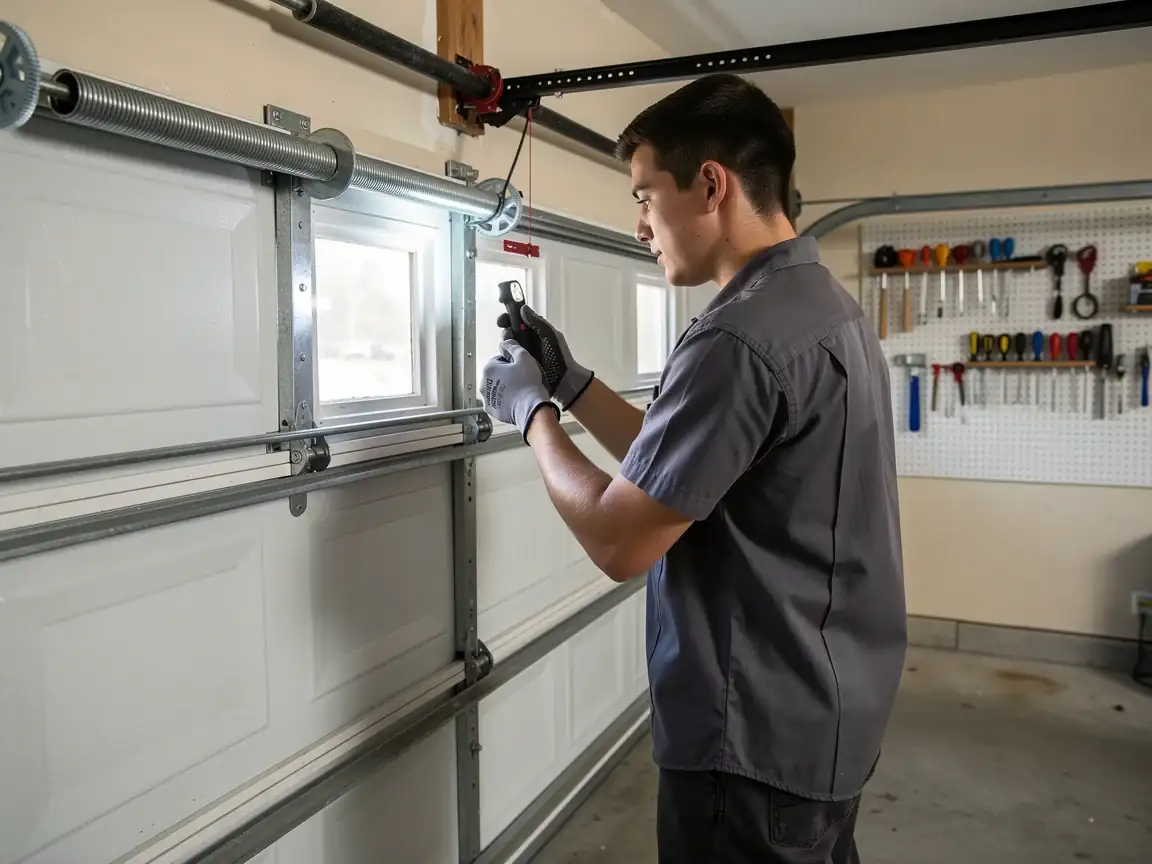
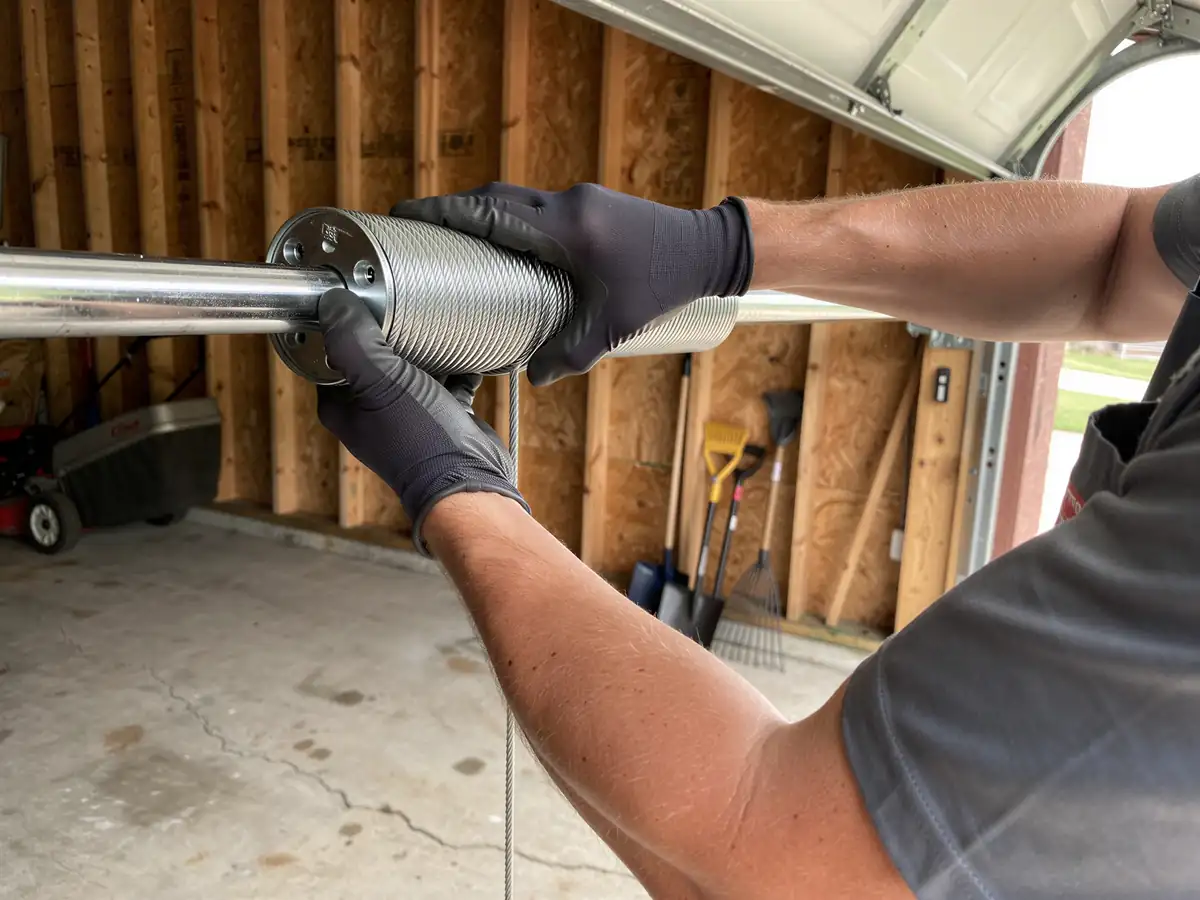
The most common failure on Triana's newer stock is a cracked nylon roller - the plastic wheel splits or chips and the stem starts riding directly on the track edge, which is loud before it's dangerous. Less common but worse is a bearing that's seized inside a sealed roller; the wheel stops turning at all and the door starts dragging it along the track, flattening one side. We also see rollers that are fine but sitting in a track that's been knocked slightly out of parallel - usually from something hitting the door from outside, a car bumper or a dropped tool, rather than from age. One thing we won't do is sell you a full roller replacement when the real problem is a loose hinge letting a panel flex; that's a different fix, and swapping rollers on it just delays the actual repair.