Time on the Job
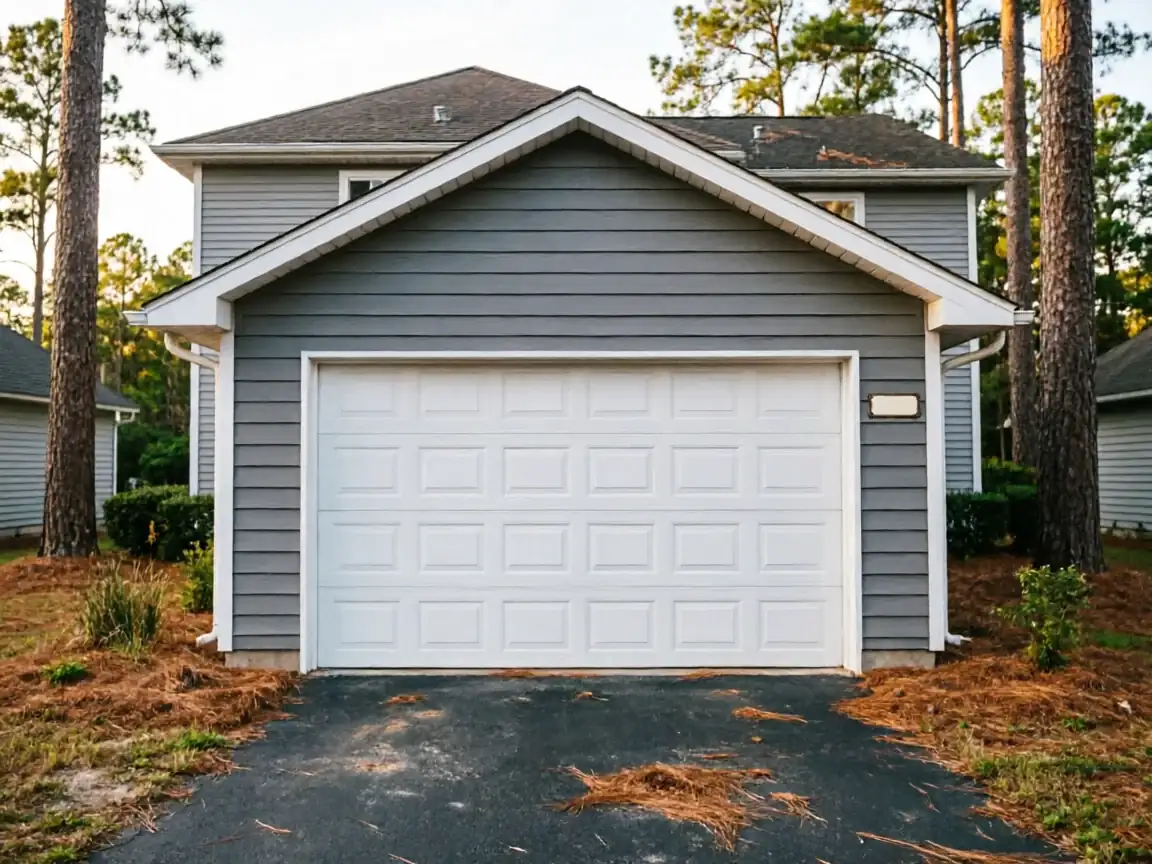
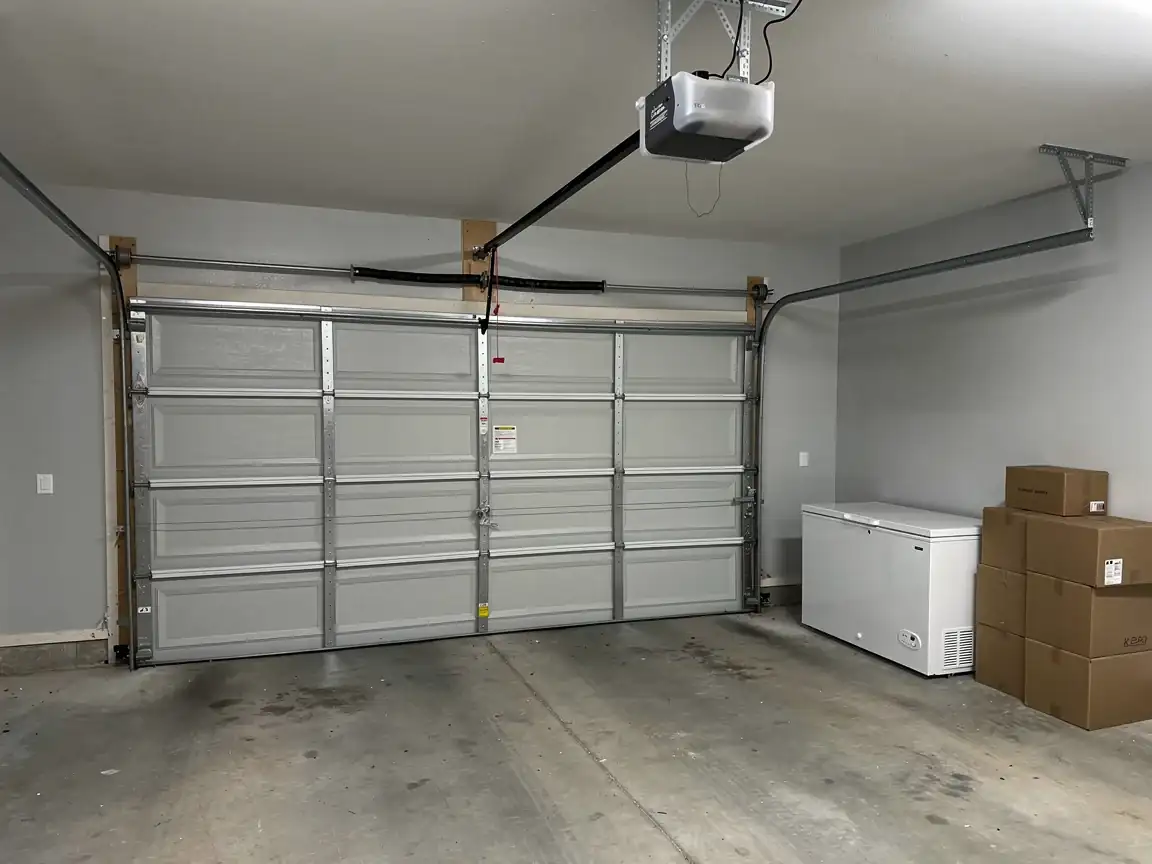
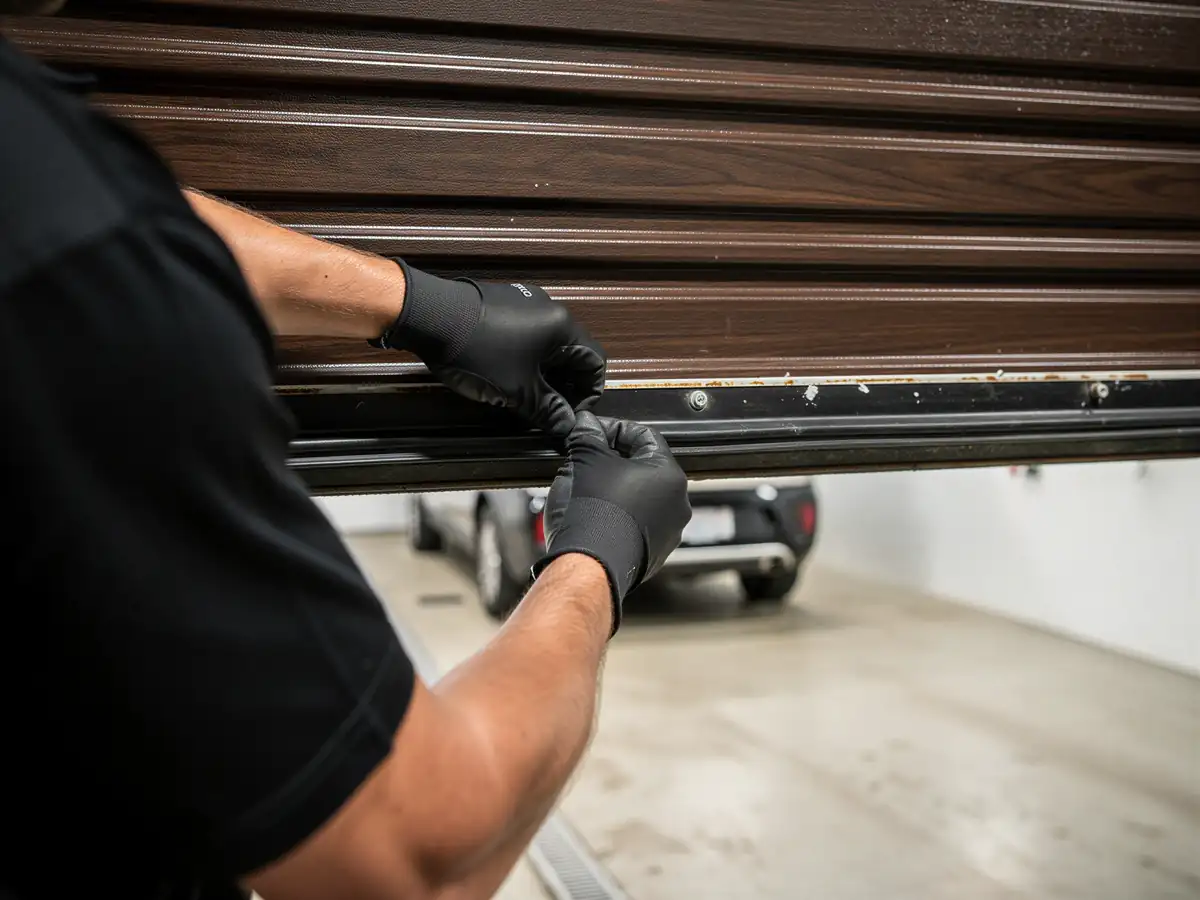
Falkville's homes carry a median build year of 1972, which puts this town well ahead of the broader service area, where the median across the seven areas we cover runs closer to 1988. That fourteen-year gap matters for openers specifically. A house built in 1972 has usually gone through one opener already - maybe two - and what's bolted to the ceiling now is often a chain-drive unit from the 80s or 90s, not the belt-drive, Wi-Fi-connected models going into newer construction elsewhere in the area. The doors themselves tend to be standard single-car steel, non-insulated, sized for the era's builders rather than today's wider bays. That combination - an older door on an older rail with an older motor - is what we're actually walking into on most Falkville calls, not a generic 'opener broken' situation. We drive out from Decatur, about 14 miles, so we're not a local shop with a storefront on your street, but we know what we're going to find before we unload the truck, because the housing stock here tells us ahead of time.
Can You Do This Yourself
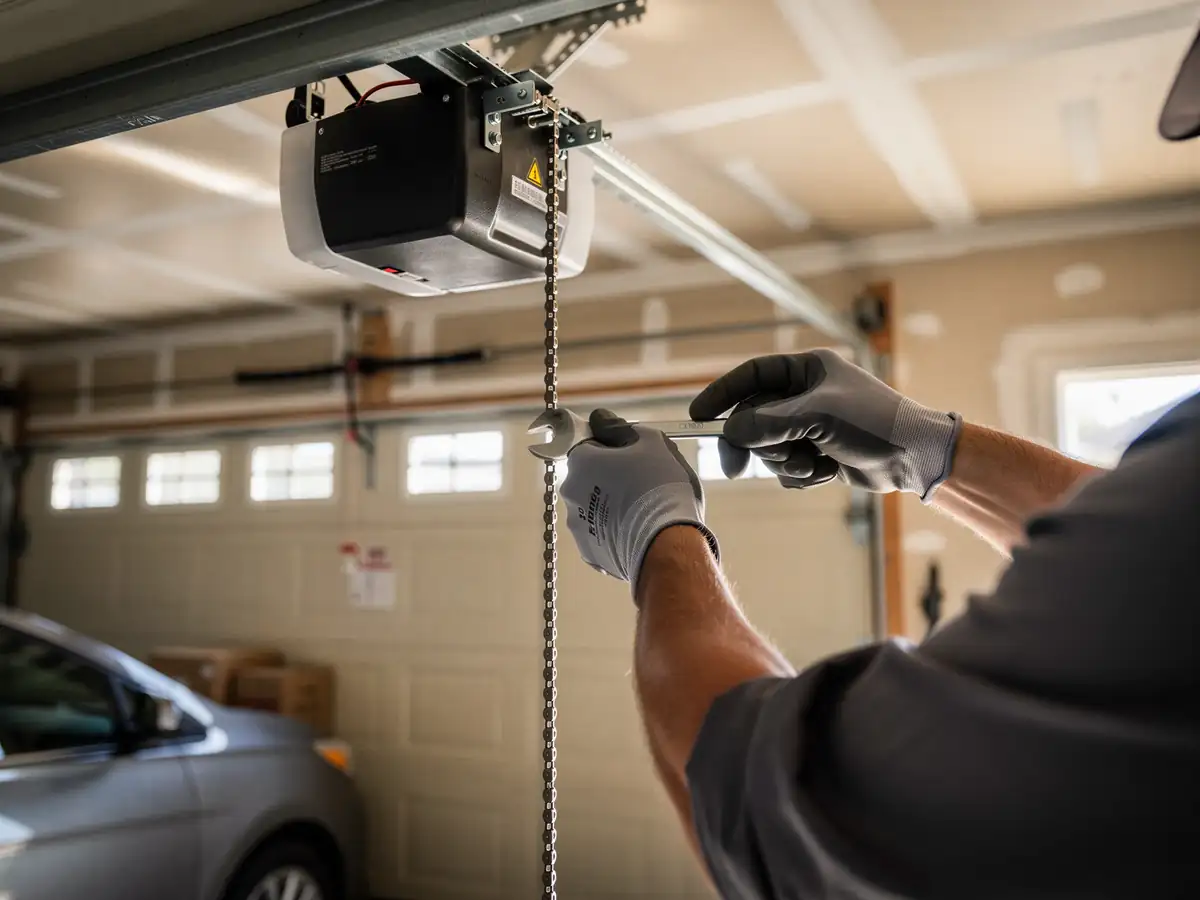
Adjusting the travel limits or the force setting on a chain-drive opener is something a lot of Falkville homeowners can do with the owner's manual, if the unit still has one and the dials haven't corroded shut. Swapping a remote battery or re-pairing a keypad is simple. Where we'd tell you to stop: anything involving the motor head itself, the gear and sprocket assembly, or wiring at the wall control. On a unit old enough to be original to a 1972 house, parts are often discontinued, and opening the housing to chase a worn gear usually ends with us getting a call anyway once the wrong part's been ordered twice. If the board's dead, that's a replacement decision, not a repair one, and we'll tell you that straight rather than bill you for a part that won't outlast the motor around it.
What Causes It Around Here
This area sits in a cold-moderate climate band, and that swing between a humid summer and a genuinely cold winter is hard on an opener's internals over 40-plus years. Grease in the gearset thickens and seizes in cold starts, then the motor works harder to compensate, and that extra load is what finally cooks a tired capacitor or strips a plastic gear that's already brittle with age. Houses built around 1972 also tend to have detached or less-insulated garages, so the opener sits through the full temperature range with none of the buffering a conditioned space would give it. None of this is a design flaw - it's just what four decades of seasonal swing does to a motor that was never meant to run that long.