Time on the Job
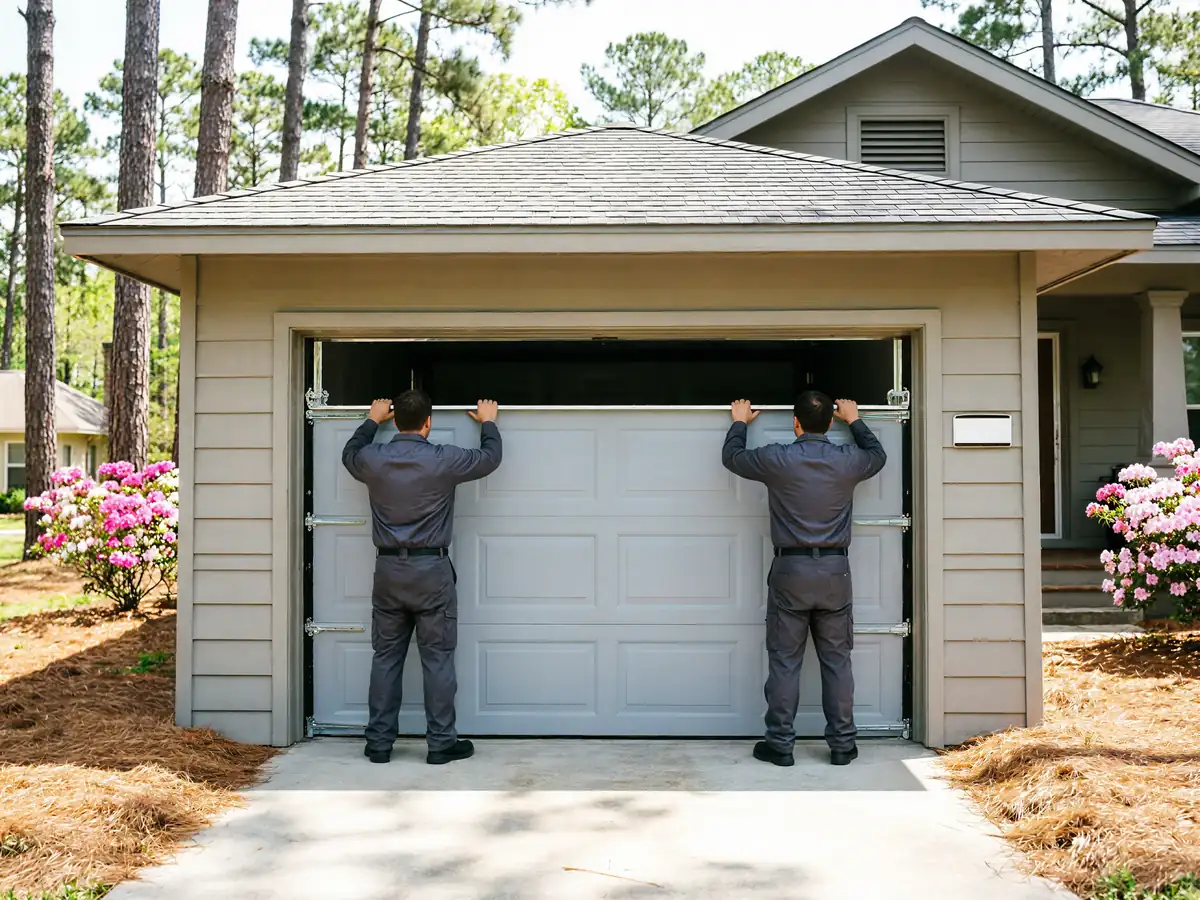
Falkville is a small place - 454 households, not a subdivision-heavy sprawl like some of the towns we cover. That size matters for how the work comes in. We're not fielding ten calls a week from new-construction openers here; we're fielding calls from the same handful of doors that have been working the same springs and tracks for decades. We run out from Decatur, about 14 miles down the road, and because the call volume from a town this size is lower, a visit here is usually a single job, not a route stacked with three stops in the same subdivision. That's worth knowing going in: there's no branch office in Falkville, no local depot, just a truck that comes from Decatur when you call. It doesn't change what we can fix. It does mean we're not already parked two streets over when your spring lets go.
Can You Do This Yourself
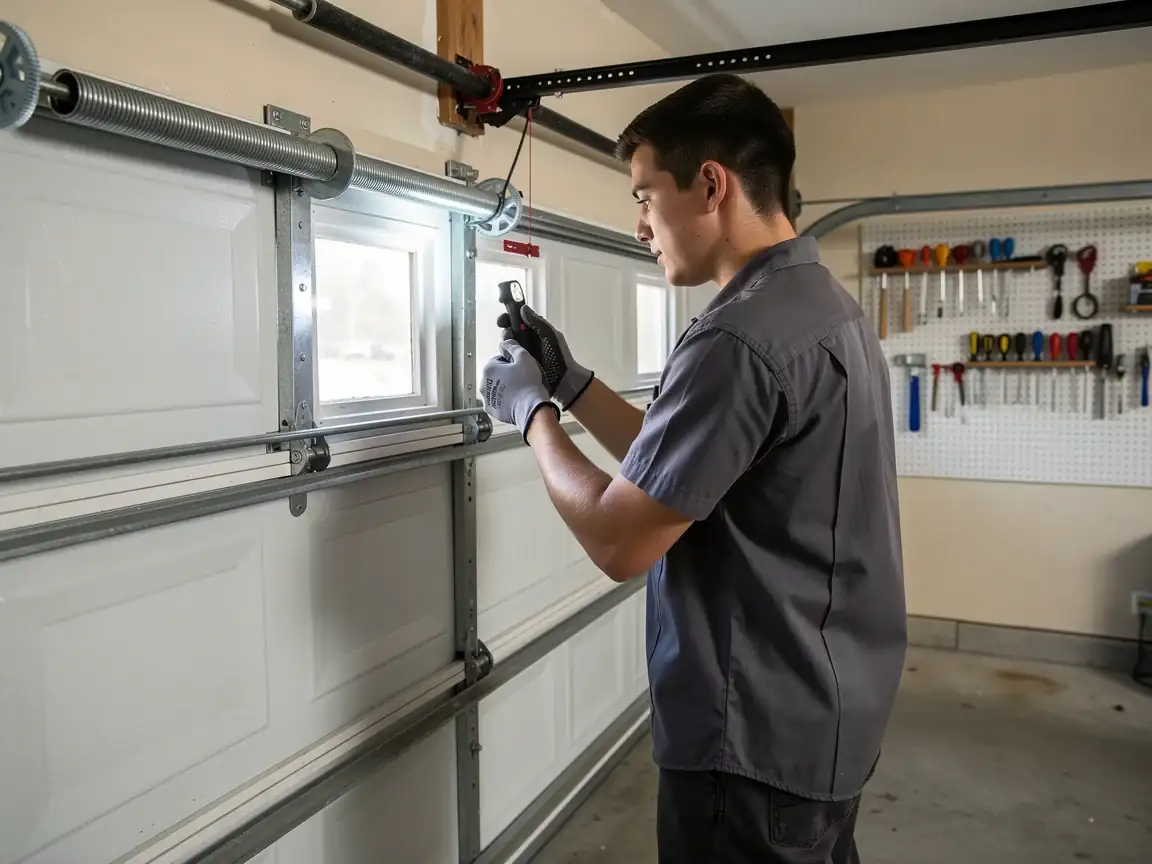
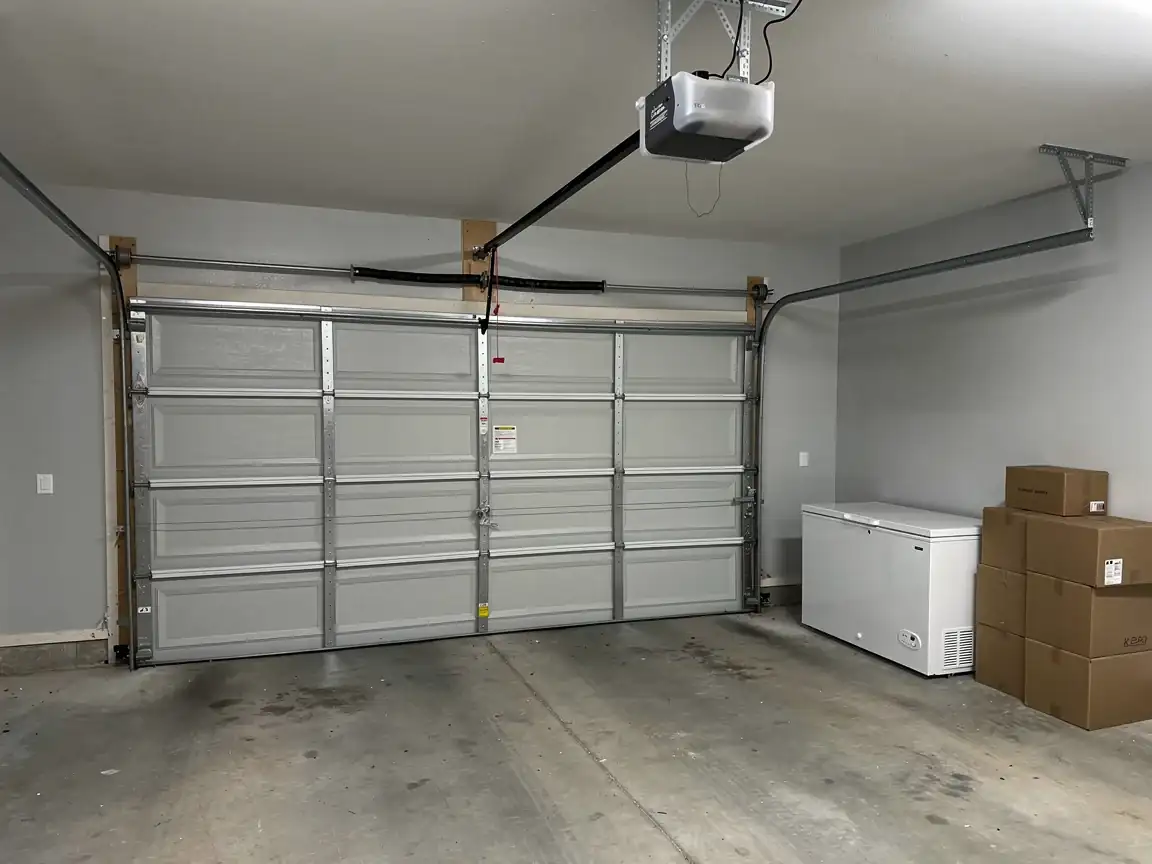
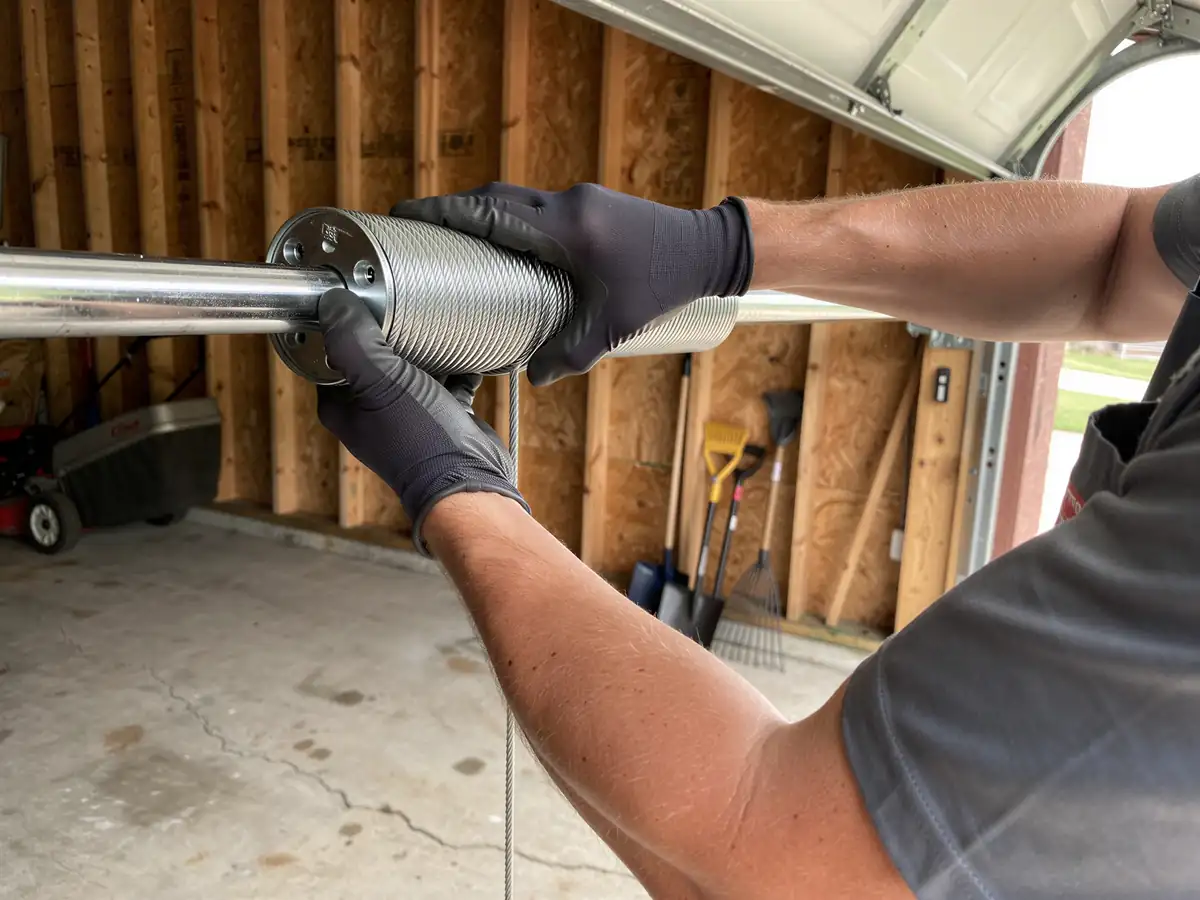
Some of it, yes - tightening loose hardware, lubricating hinges and rollers, clearing a photo-eye sensor that's knocked out of alignment. None of that needs a truck. What you shouldn't touch is the torsion spring itself. It's wound under enough tension to do real damage if it lets go while you're working on it, and on a door this old the spring has likely never been replaced with the correct size to begin with, which is a judgment call best made by someone who's looked at a few hundred of these. If your door is sagging on one side or the opener is straining and reversing, that's a spring or cable problem, not an adjustment job. We'll tell you straight if a repair isn't worth it against replacing the door - we don't pad a bill with a fix that won't hold.
What Causes It Around Here
The area sits in a cold-moderate climate band, which doesn't mean brutal winters, but it does mean enough temperature swing through the year to stiffen grease in bearings and make steel springs more brittle in the cold months than the warm ones. Combined with a housing stock that, in Falkville's case, skews older than the 1988 area median, you get a specific failure pattern: springs that were already near the end of their cycle count snapping on the first cold snap, not in July. Median household income here runs lower than the service-area figure, around $43,145 against the wider area's $67,863, which is part of why we see more repair calls than full-replacement calls out this way - people fix what's fixable before they replace it, and on a lot of these doors that's still the right call.