Getting It Booked In
Moulton sits about 18 miles from our shop in Decatur, so this isn't a same-hour drop-in the way it might be for a job closer to the shop. We ask what the door is doing - grinding, jumping the track, shaking the wall on the way up - before we load the truck, because roller wear shows up in specific ways and we'd rather bring the right parts the first time than make a second trip. If you can tell us whether the noise happens on the way up, the way down, or both, that alone usually tells us whether we're looking at rollers, track, or both.
We don't keep a branch in Moulton. Every job here is a trip out from Decatur, which is worth knowing up front if you're hoping for a quick same-day fix on a Friday afternoon - we'll do our best, but we're not parked around the corner.
With roller replacement specifically, once we're on site the job itself is usually quick. The travel is the longer part of the visit, not the repair.
What Can Go Wrong
A lot of what we see in Moulton traces back to the age of the housing stock
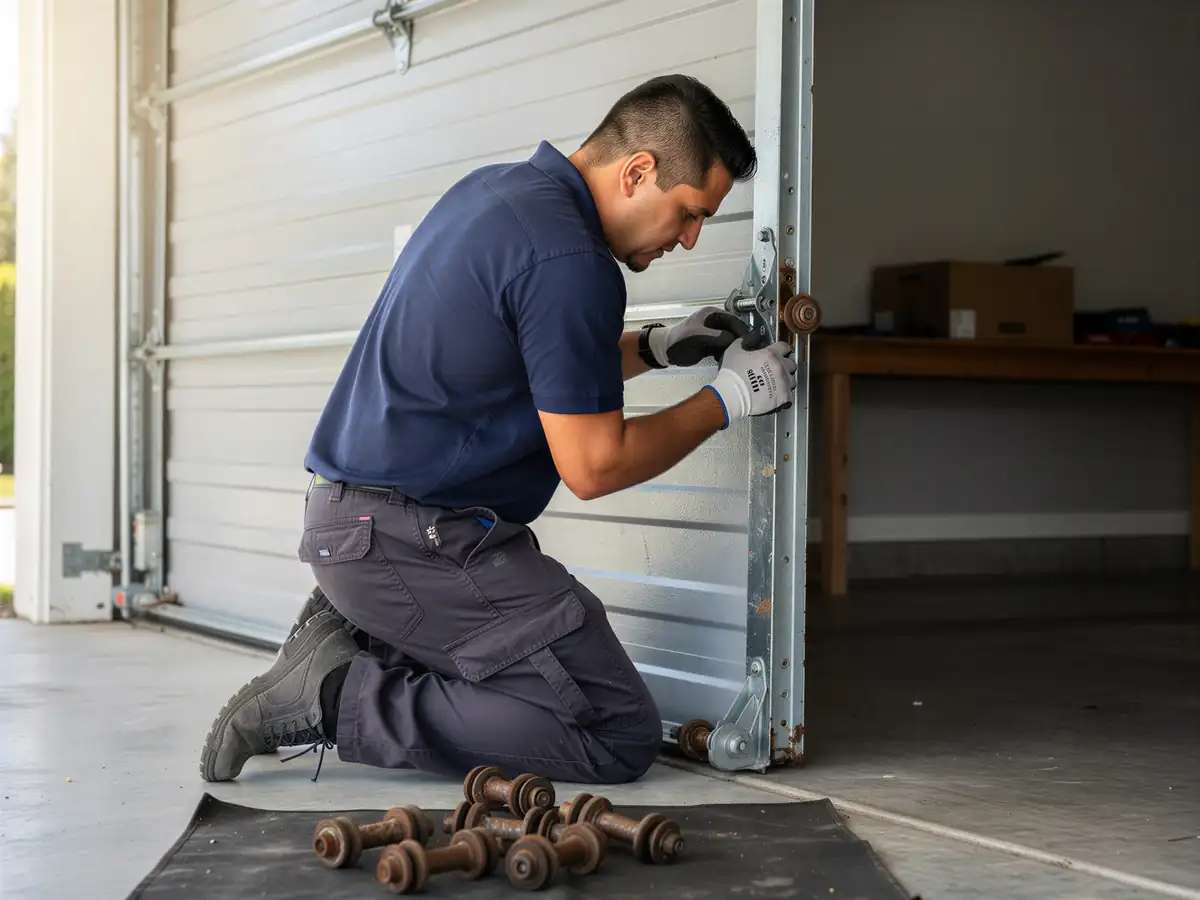
Median build year here runs around 1978, which is older than the typical house across the rest of our service area, where the stock skews more toward the 1980s and 90s. Doors from that era were built with steel rollers running in steel track, and steel-on-steel wears a specific way: the roller stem bends slightly, the wheel flattens on one side, and the door starts to walk sideways in the track instead of rolling straight through it.
In a cold-moderate climate like this one, that wear accelerates in winter
Steel contracts, grease stiffens, and a roller that was marginal in October can seize or crack by January. Once a roller seizes, it doesn't roll at all - it drags, and dragging is what chews up the track edge and eventually bends it.
The failure we see most in houses this age isn't a dead opener or a snapped cable
It's rollers that have gone from "noisy" to "stuck," with the owner not realizing how much track damage happened in between.
Stocked Parts
For doors built around the late 1970s, the roller stem length and the track gauge are usually a known quantity, and we carry sealed-bearing steel rollers sized to match that older hardware on the truck. We also carry nylon rollers for owners who want a quieter door and are willing to trade a little long-term load capacity for less noise - a fair trade on a lot of Moulton's lighter residential doors.
What we don't carry is every obscure roller size for every door ever made. If your door has a track profile that's been modified or replaced piecemeal over the years, we may need to measure on site and order a match rather than swap it on the spot. That's the honest limit of what fits on a truck - we stock for what's common, not for everything.
How We Fix It
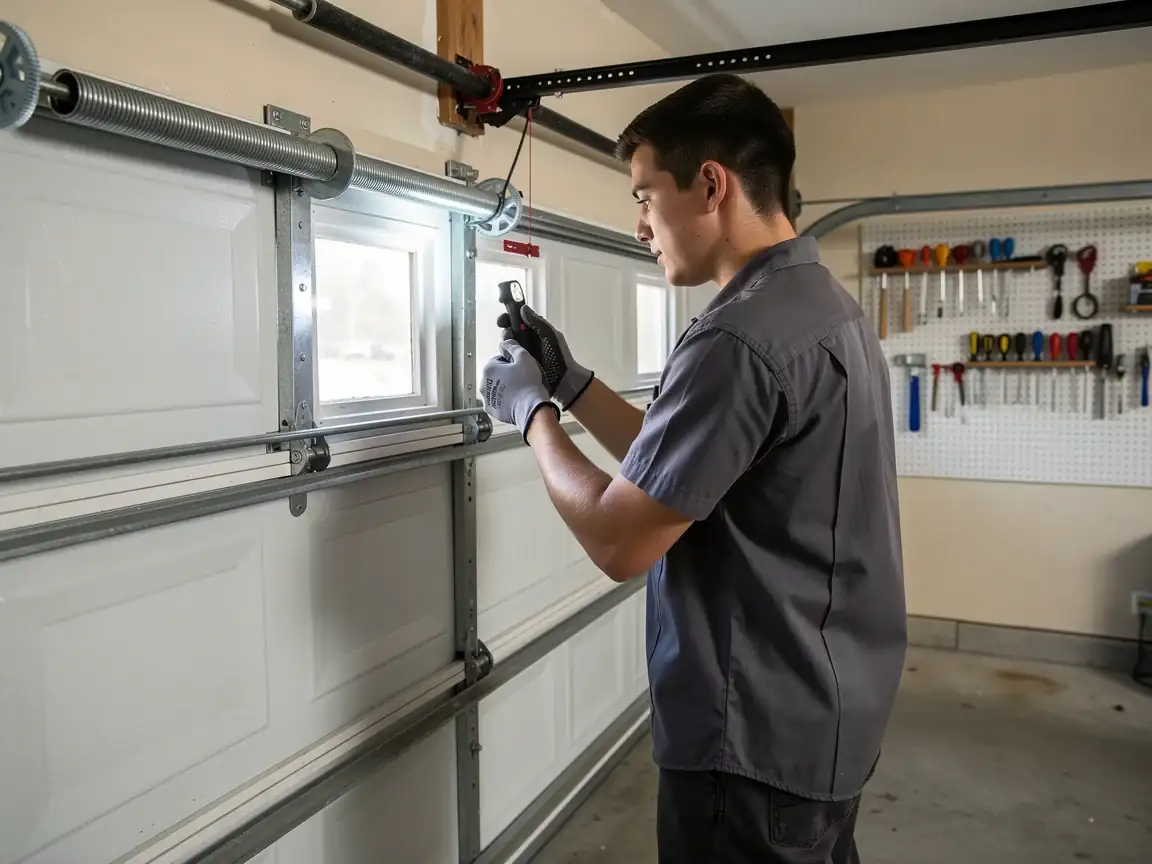
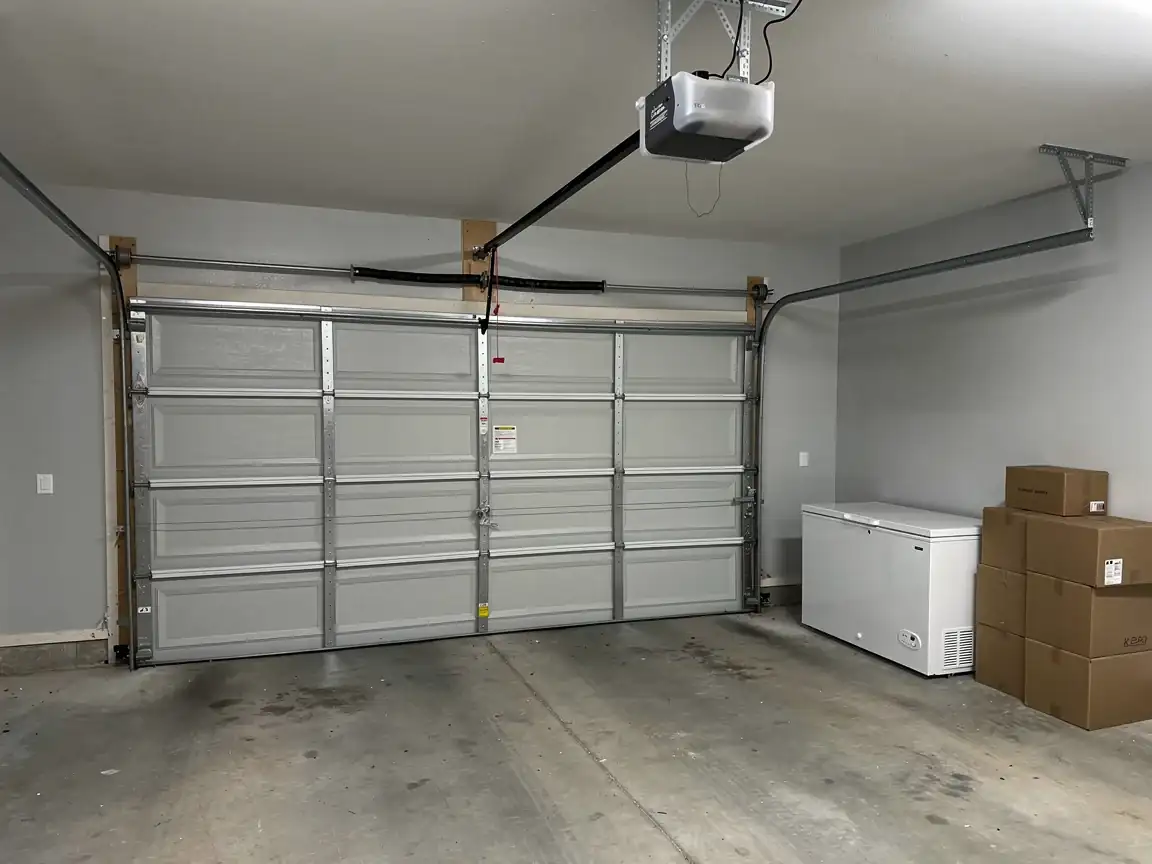
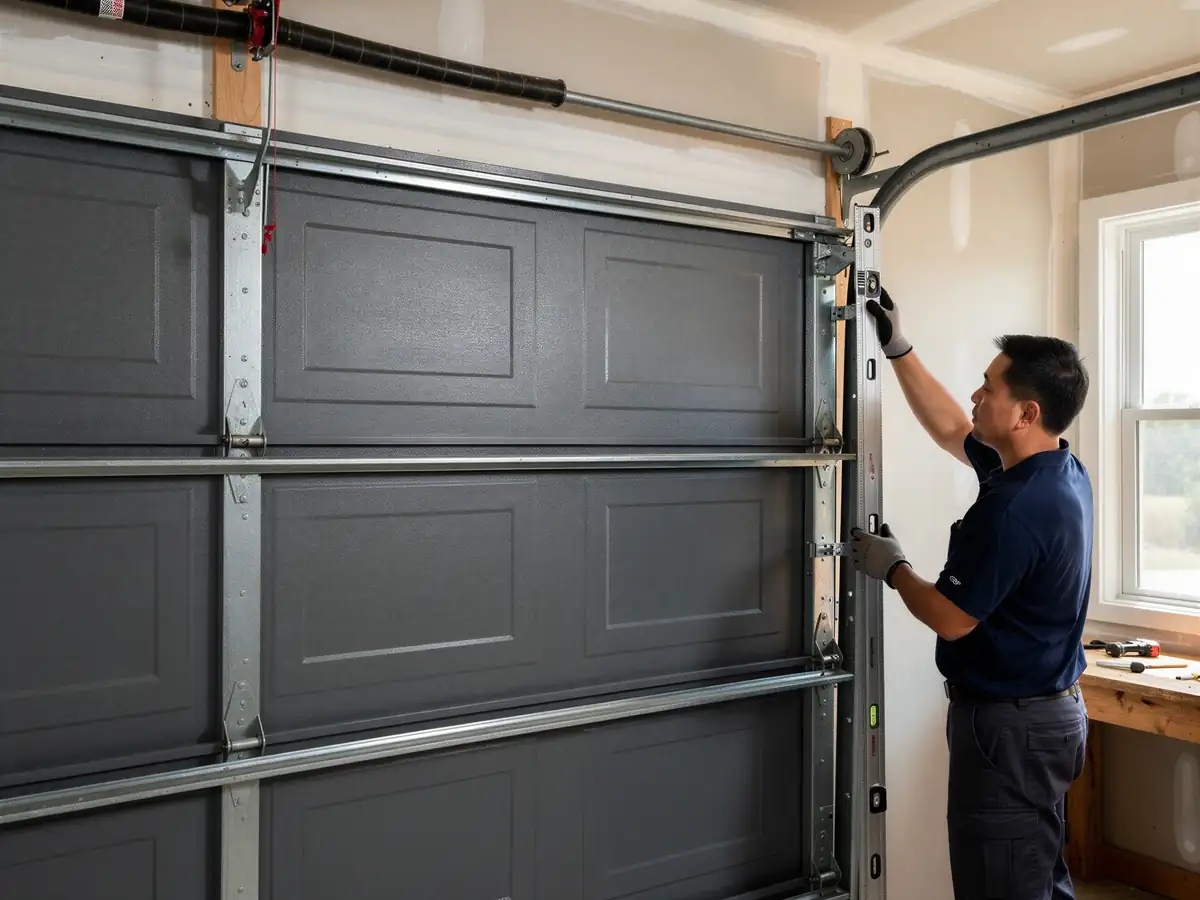
We take the door down section by section rather than pulling all the rollers at once, because a door under spring tension with no rollers in the track is not something you want to leave half-finished. Each roller gets checked against the track for wear pattern before it comes out, since a flattened wheel on one side tells us the track itself needs straightening or realignment, not just a new roller.
Once the new rollers are in, we run the door through a full open-close cycle a few times and watch the track for any side-to-side wobble. On a house with original 1970s-era track, we're also checking the track brackets, since the lag screws holding them to the jamb have had decades to work loose, and a tight new roller running against a loose bracket will just start the wear cycle over again.
The Cost of This Job
Roller replacement is one of the less expensive garage door repairs
Which matters here - household income across Moulton runs lower than the broader service area average, and we try to be straight about what's actually needed versus what's nice to have. If the track itself is still straight and the rollers are the only thing worn, replacing just the rollers is the right call and there's no reason to talk anyone into more.
Where the cost goes up is when the track has to come off and get re-hung
Or when a door this age has rollers worn badly enough that the opener has been straining against the drag for months - at that point you may be looking at an opener issue stacked on top of the roller issue. We'll tell you flat out if we think you're better off putting money into one and not the other, rather than replacing parts that don't need it.