Getting It Booked In
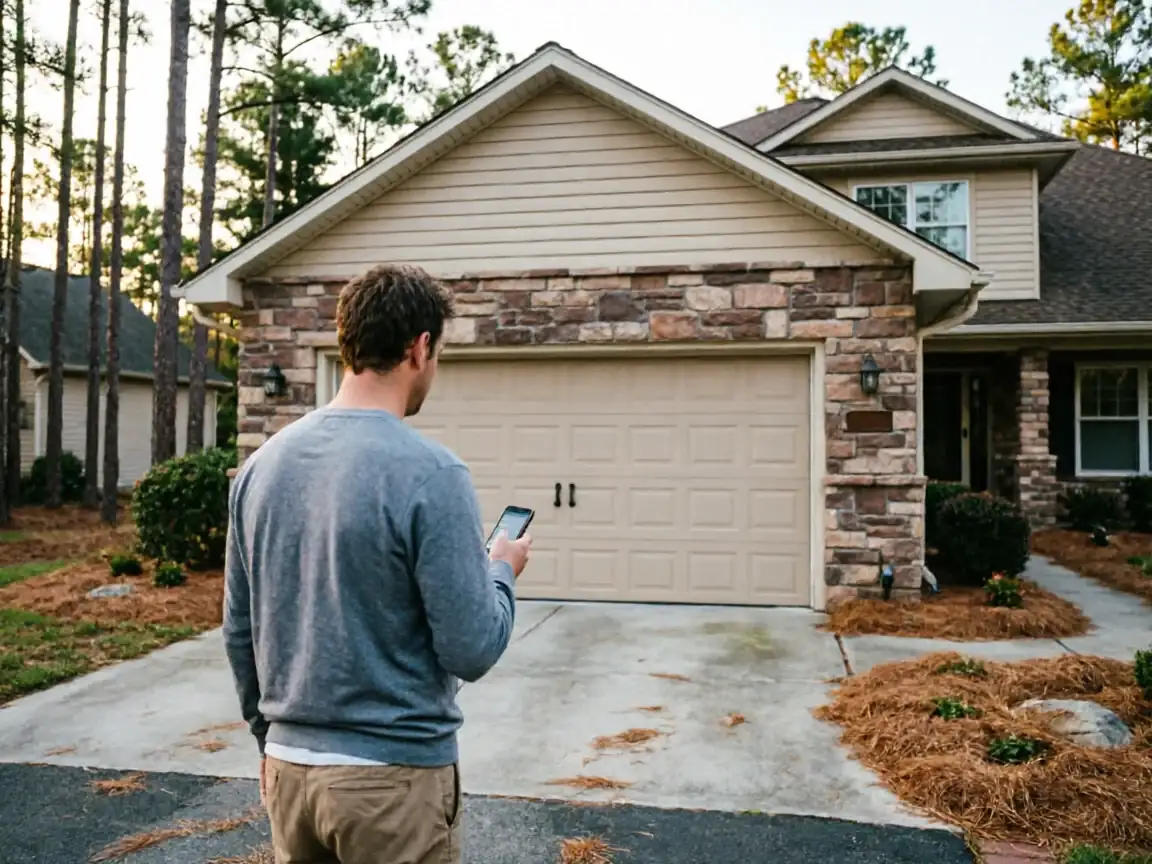
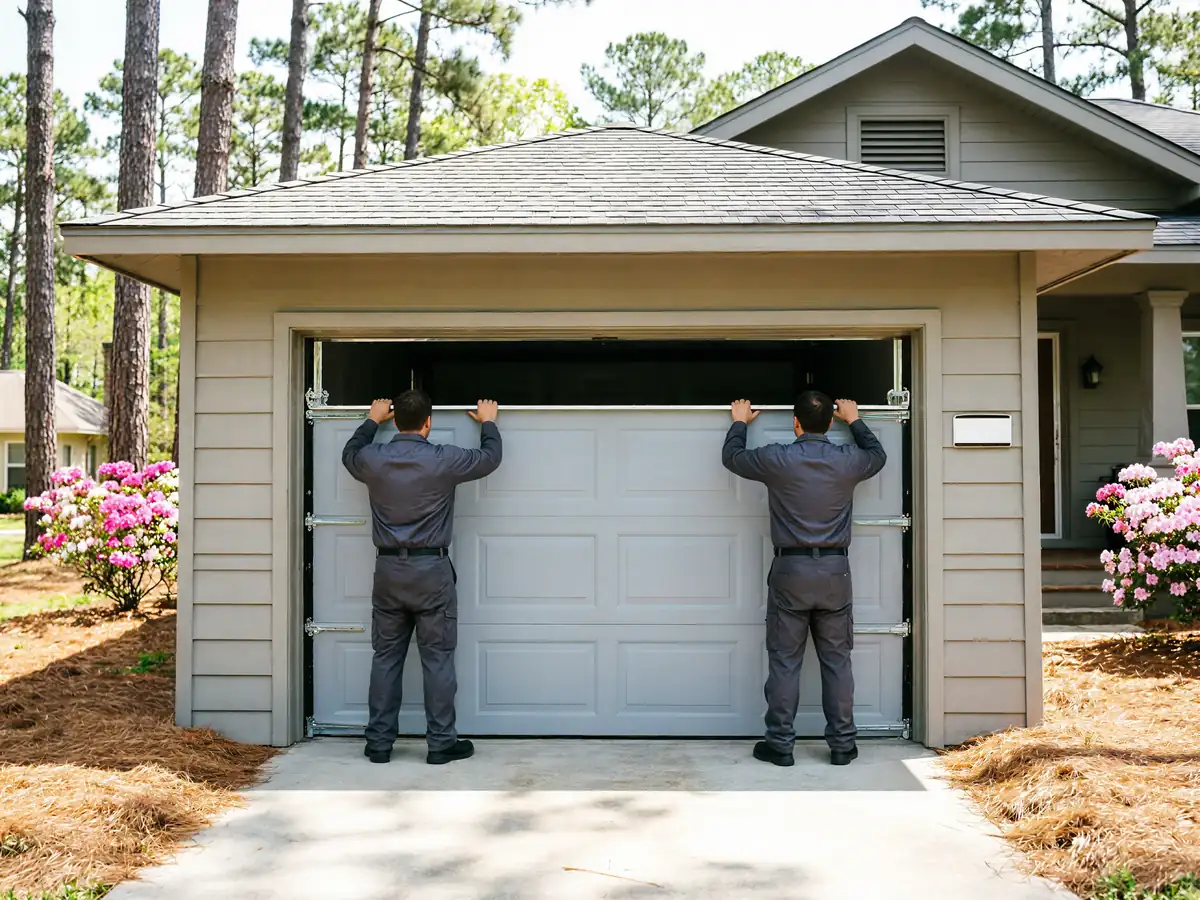
Moulton sits about 18 miles from our shop in Decatur, so when you call about a dead opener, we're scheduling a drive out, not a walk-in. That's worth knowing up front: we don't keep a crew stationed in Moulton, and we're not going to pretend otherwise. What we can tell you is that the job itself usually doesn't take long once the truck is there - most opener failures in this area are one of a handful of things we see over and over in houses from this build era.
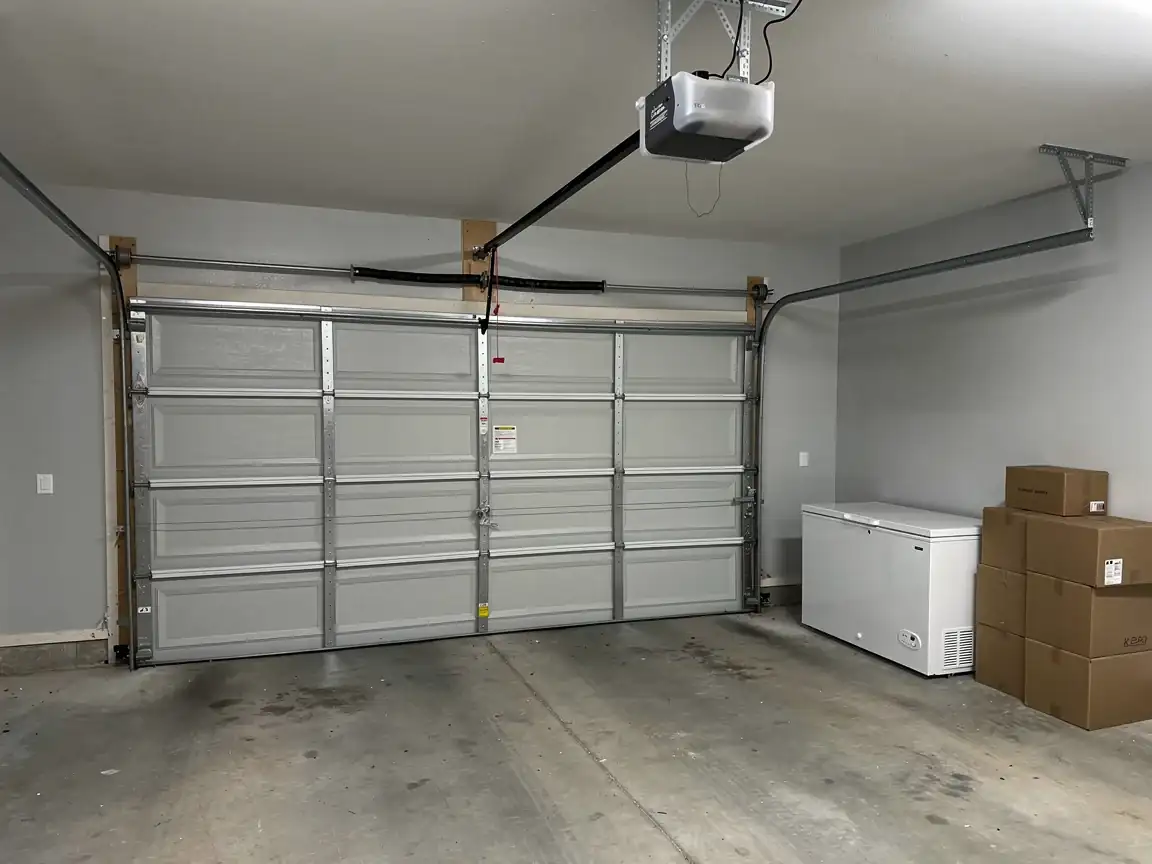
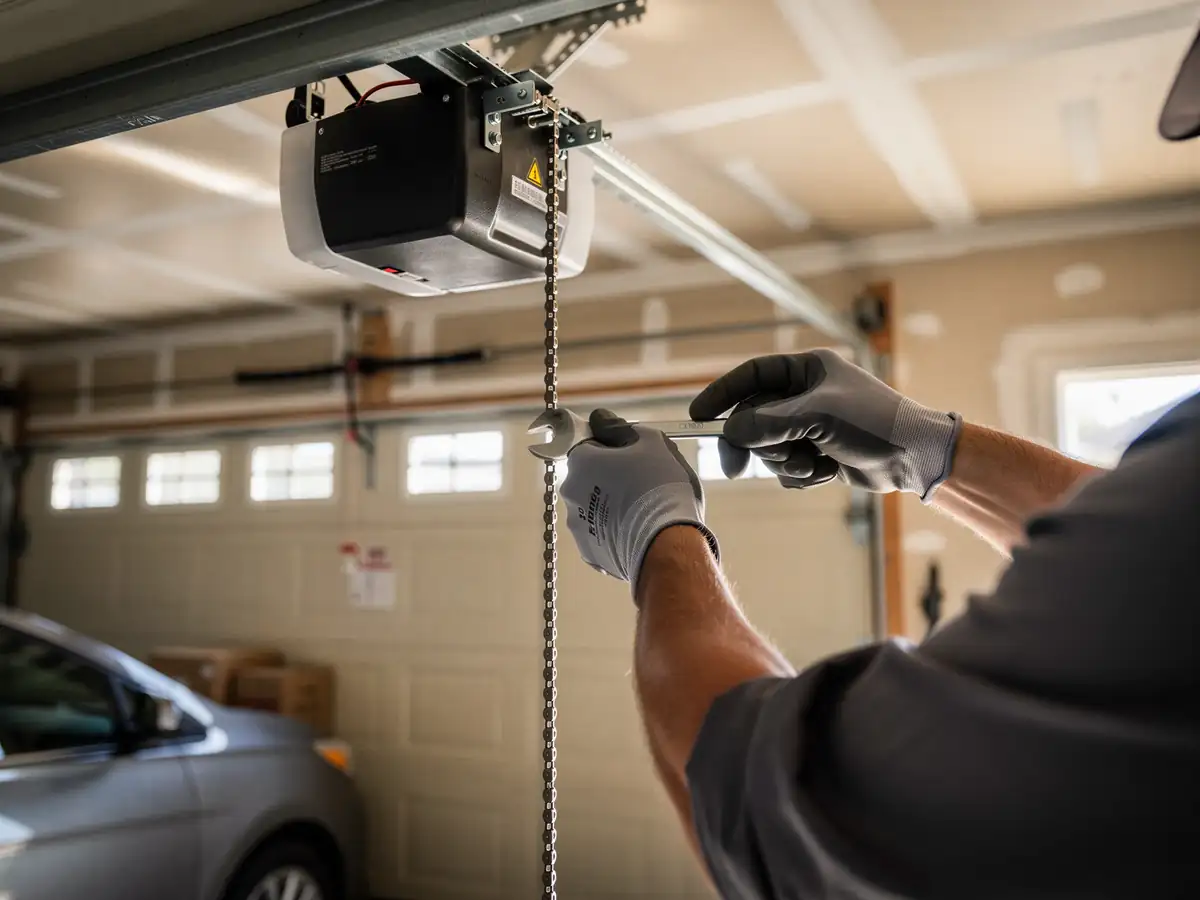
Because the town's median year built sits around 1978, a lot of what we find hasn't been touched since the house was framed. If your opener has never been swapped, there's a good chance it's original or close to it, and that changes what we bring on the truck before we even get there. Tell us the brand on the motor housing if you can read it, or just tell us it's the chain-drive unit bolted straight to a wood header - either helps us show up with the right parts the first time instead of the second.
What Can Go Wrong
An opener built in the late 1970s or early 1980s was never designed to run for forty-plus years
And the parts most likely to fail are the ones nobody looks at: the drive gear inside the motor housing, the capacitor, and the logic board if it ever got upgraded from a straight relay system. Chain-drive units from that era also strip their sprockets once the gear wears thin, which shows up as a motor that hums but doesn't move the door.
Safety eyes are the other common failure
Mostly because they were added to older systems after the fact rather than built in. If your opener predates 1993, it may not have had sensors installed at all until a previous owner retrofitted them - sometimes badly, with wiring run along the wall instead of through the frame. We also see a lot of manual-to-automatic conversions where the original door hardware is fine but the opener bracket was never matched to the door weight, which burns out motors early.
The area's housing is still mostly 1980s-90s stock even where it isn't quite as old as Moulton's own median
So a lot of these failures repeat house to house once you're in this part of the service area.
Stocked Parts
We carry the gears, capacitors, and sensor kits that fit the chain-drive units most common in houses from the 1978 era, because those are the ones that keep failing out here. What we don't stock on the truck is a board for every opener ever made - if yours is a less common brand from that period, we may need to order the specific logic board rather than swap it same-visit. That's the honest limitation: parts for very old or obscure opener models sometimes take a few days to get in, and we'd rather tell you that up front than promise a same-day fix we can't back up.
For the more recent builds in this service area, closer to the 1988 median across the wider territory, belt-drive and screw-drive units are more common, and those parts move faster since they're newer and more standardized. Either way, we bring diagnostic gear to confirm what's actually dead - motor, board, or sensor - before we quote a part, so you're not paying to replace something that still works.
How We Fix It
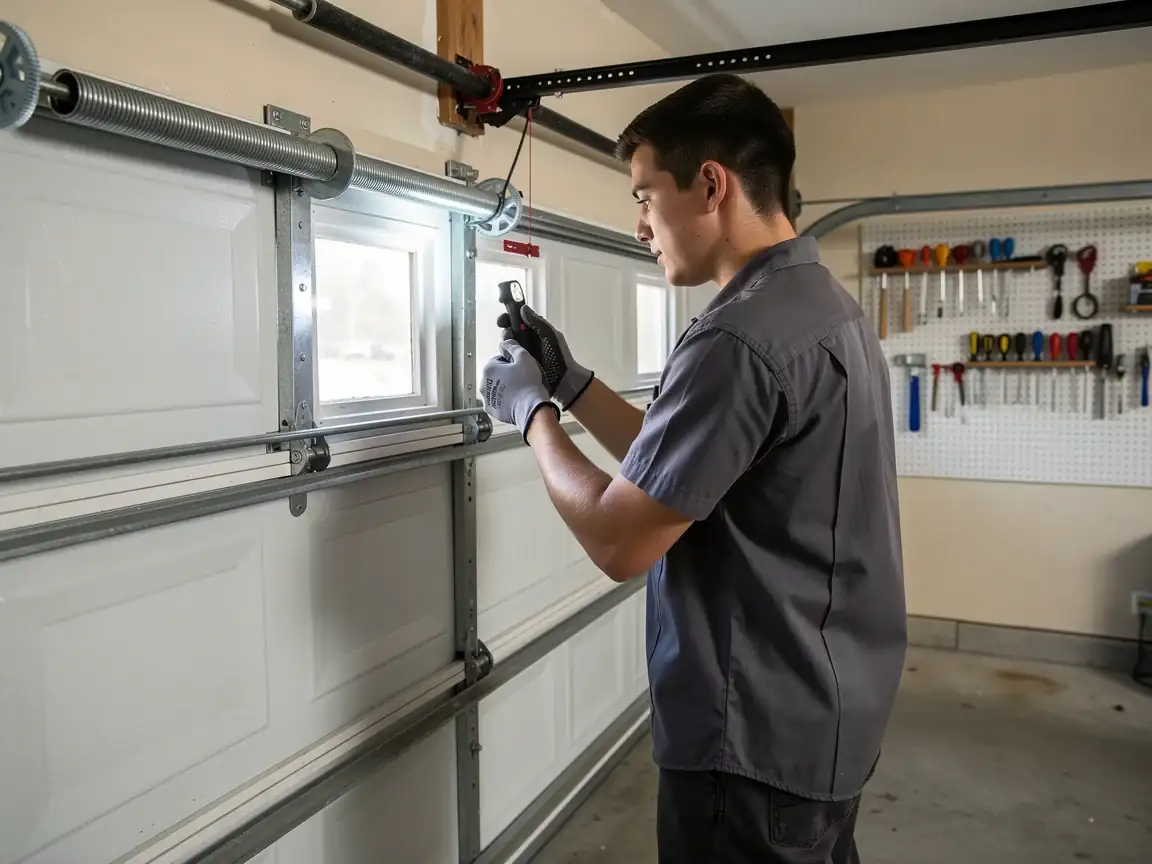
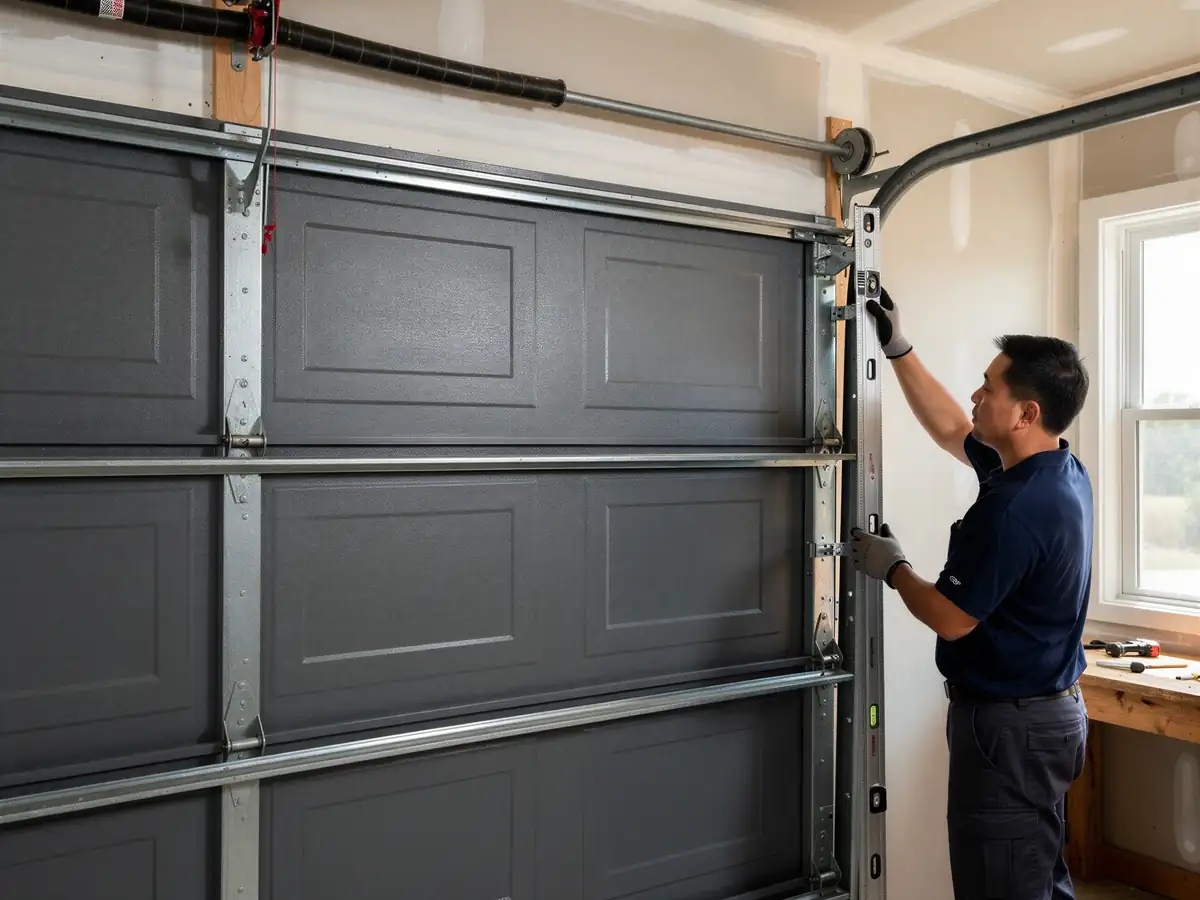
First call is always the circuit board and the safety sensors, since those fail more often than the motor itself and they're the cheaper fix. If the drive gear has stripped - common on original 1970s-era chain units - we replace the gear and kit rather than the whole motor when the housing is still sound. A full opener swap only happens when the motor's gone, the board's gone, or both, and at that point it's rarely worth nursing a forty-year-old unit along.
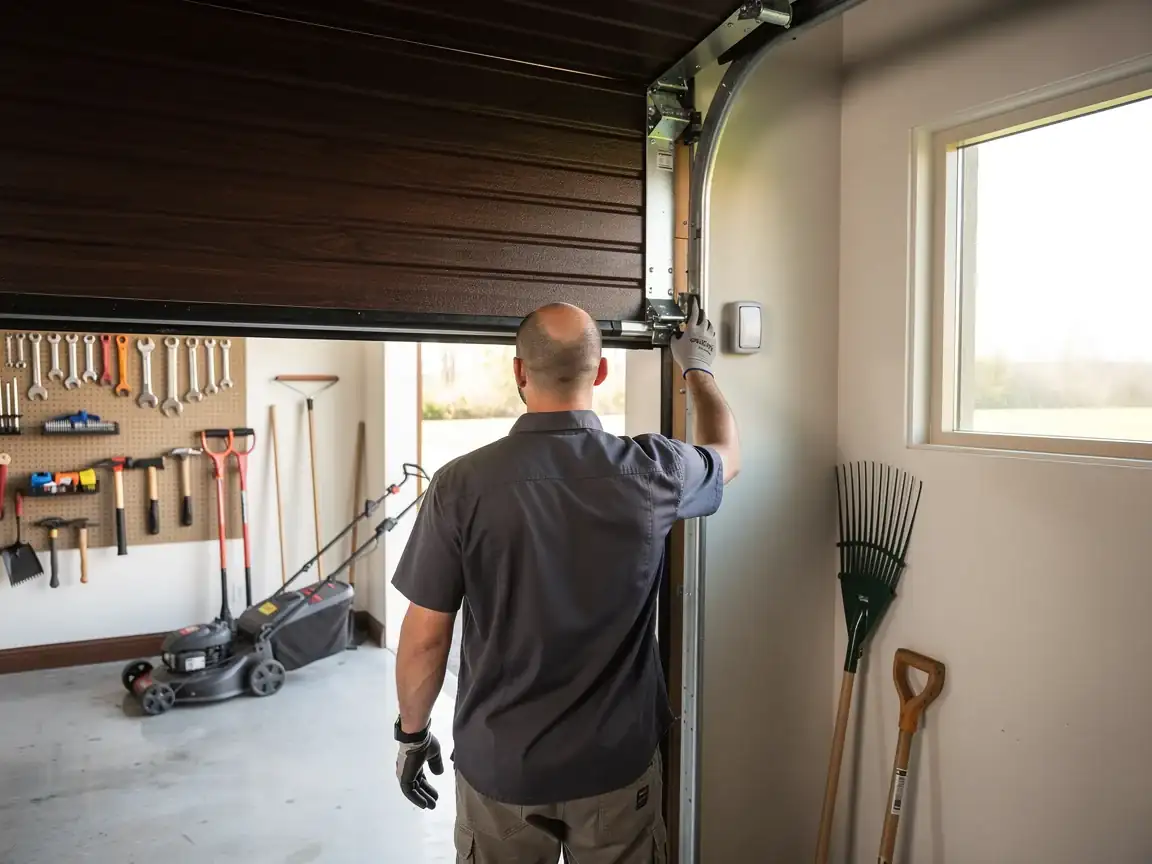
We test the whole system afterward, not just the opener: travel limits, force settings, and the sensor alignment, because a new opener bolted to an old door that's out of balance will just burn out again. That matters more here than it might elsewhere, given how many houses in this part of the service area are running hardware close to the home's original build year.