Getting It Booked In
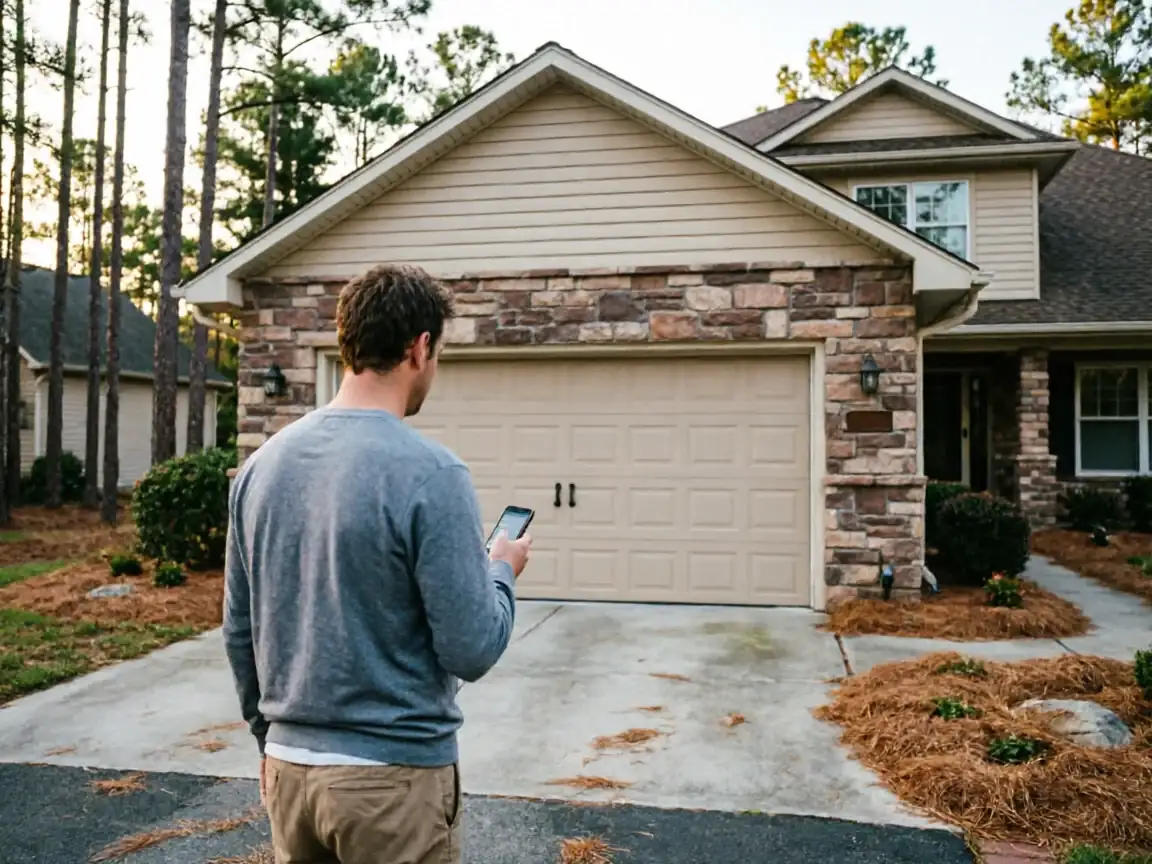
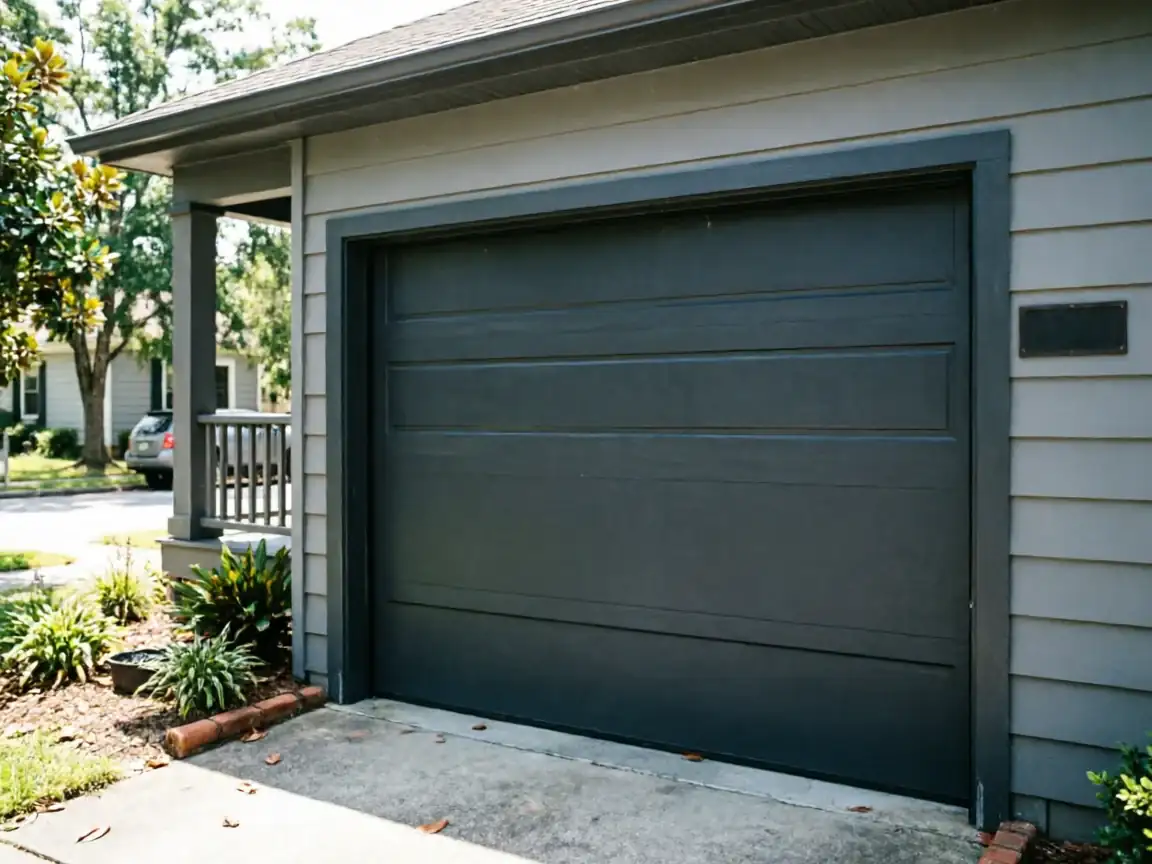
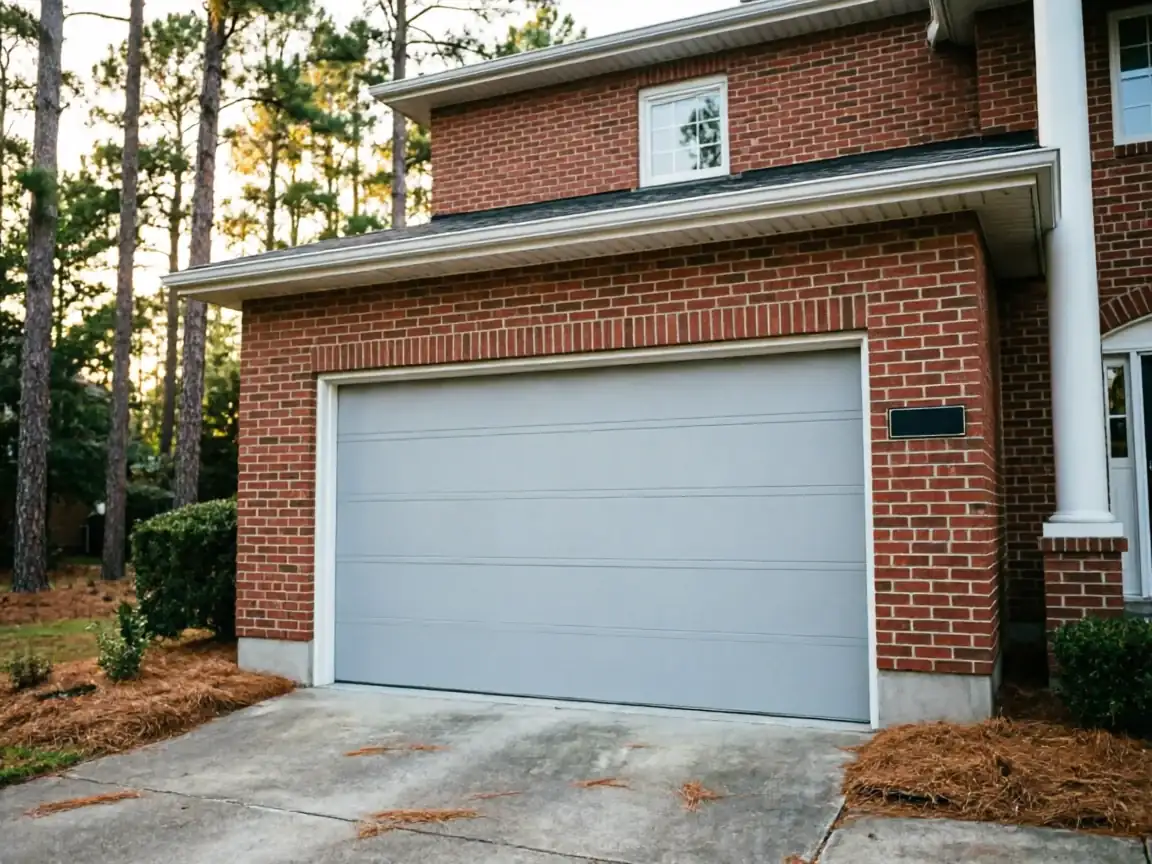
Moulton sits about 18 miles out from our Decatur shop, so panel jobs here get scheduled as a trip rather than a drop-in. That's not a complaint - it's just how the geography works, and it means we ask a few more questions up front than we would for a closer call: door width, how many sections, whether it's the bottom panel that took the hit or one higher up. A dented bottom panel from a trailer backing in is a different job than a top section buckled by wind load. Tell us the brand if it's visible on the end stile, and a photo helps more than a phone description ever will, since panel widths and section heights shifted more than people expect across the decades these doors were built. We'd rather confirm the part before the truck leaves Decatur than find out on site that we need to order it and come back. That second trip costs you time, not just us.
Stocked Parts
We keep common panel sections, end stiles, and hinge hardware sized for the steel, non-insulated doors that make up most of what's out in Moulton and the surrounding area built from the 1970s through the 90s. If your door matches a panel width and section height we carry, we can usually get it done in one visit without a special order. Where we run into trouble is an exact color or embossing match on an older door - paint lines and panel textures from that era aren't all still in production, so a replacement section may be a close match rather than identical, especially on anything custom-ordered back when the house was new. We'll tell you straight if that's the case before we start the job, not after you're staring at a slightly different panel in your driveway. It's a fair trade-off most owners are glad to make rather than replace the whole door over one bad section.
How We Fix It
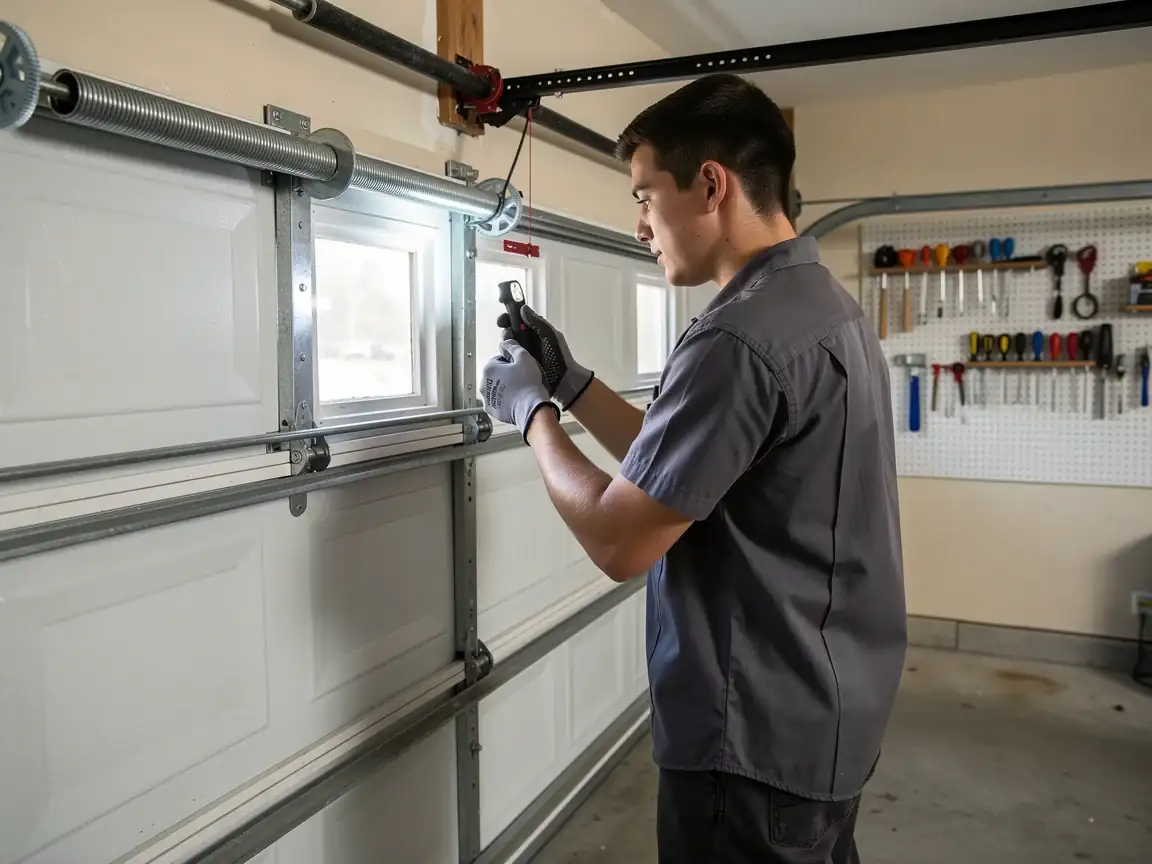
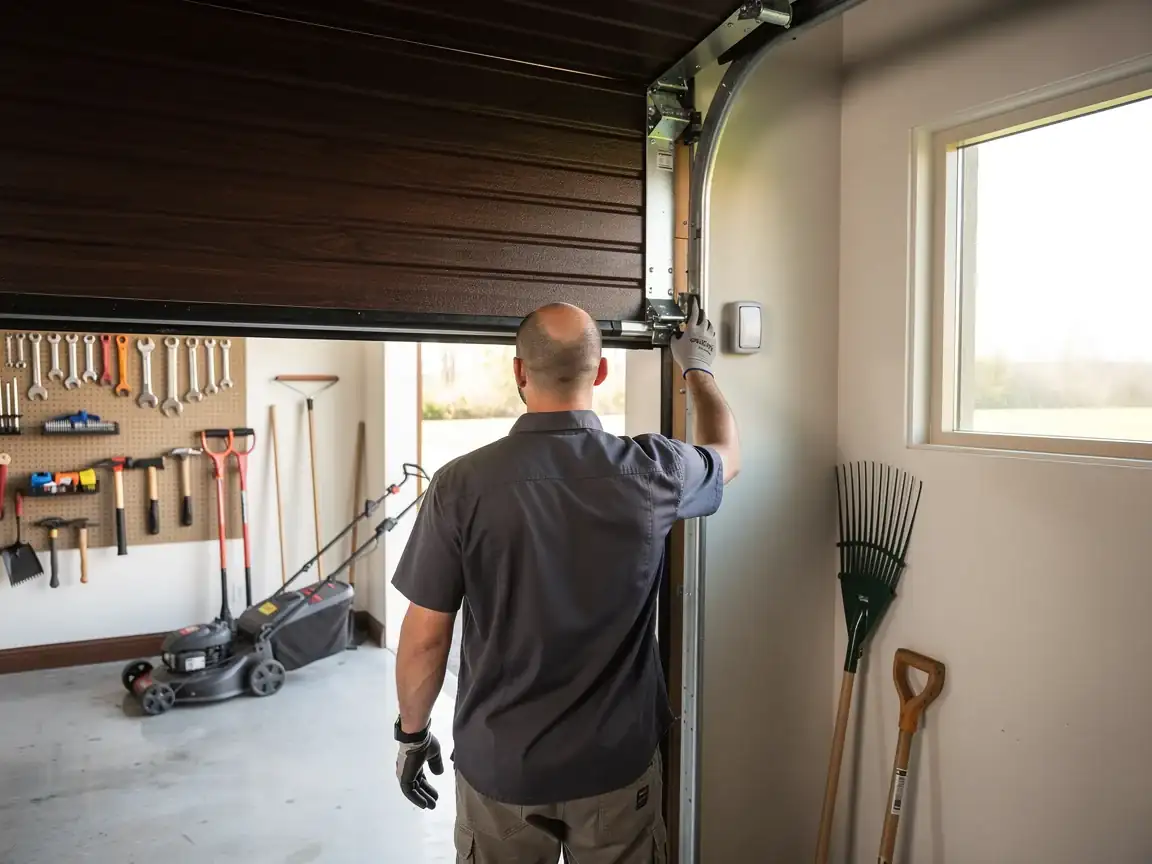
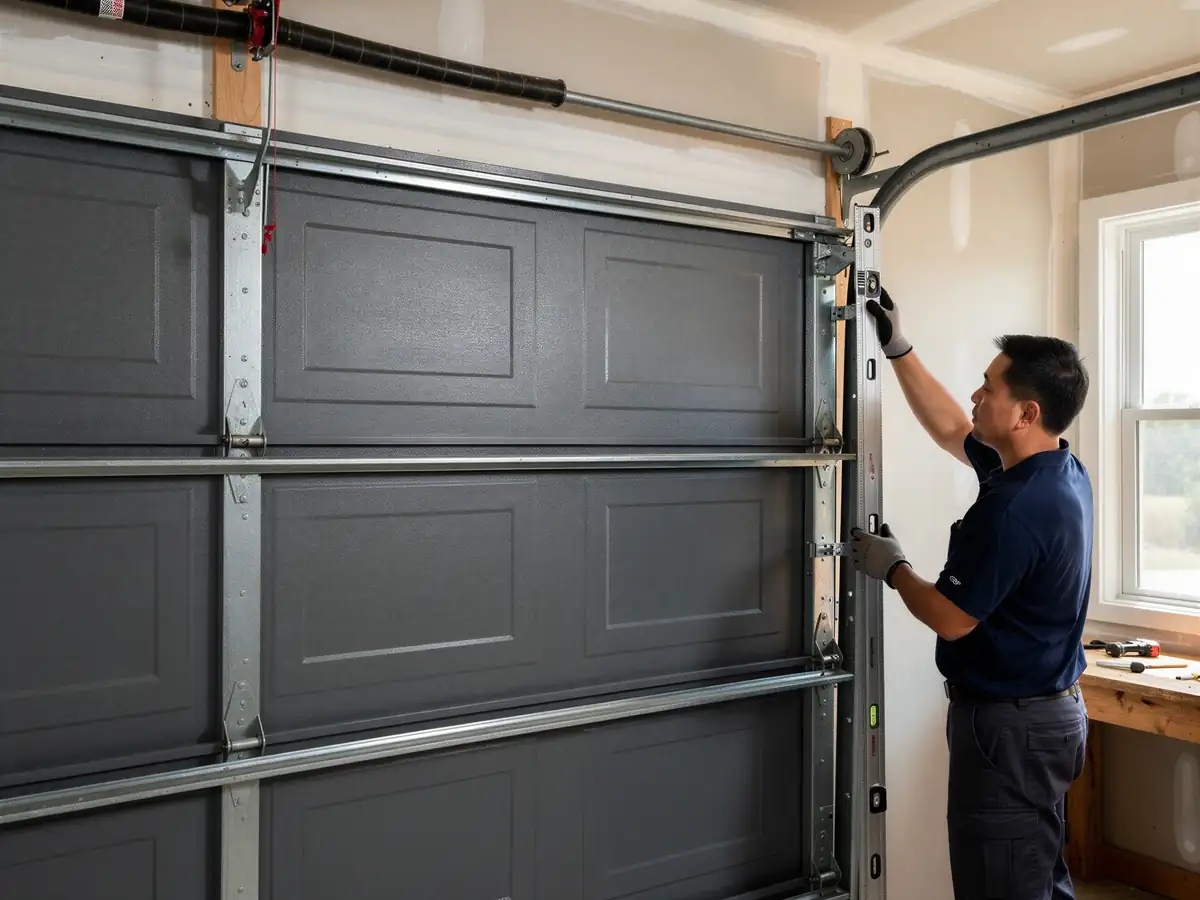
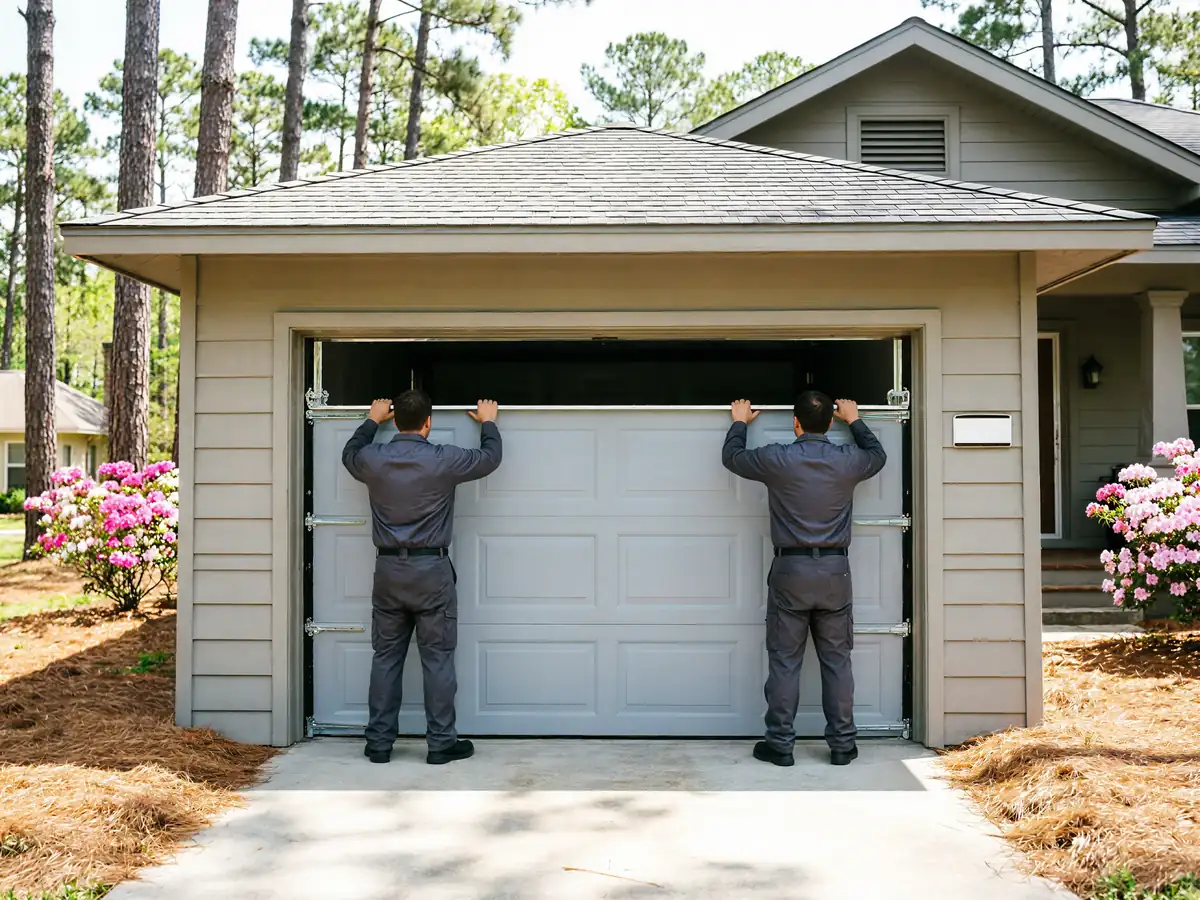
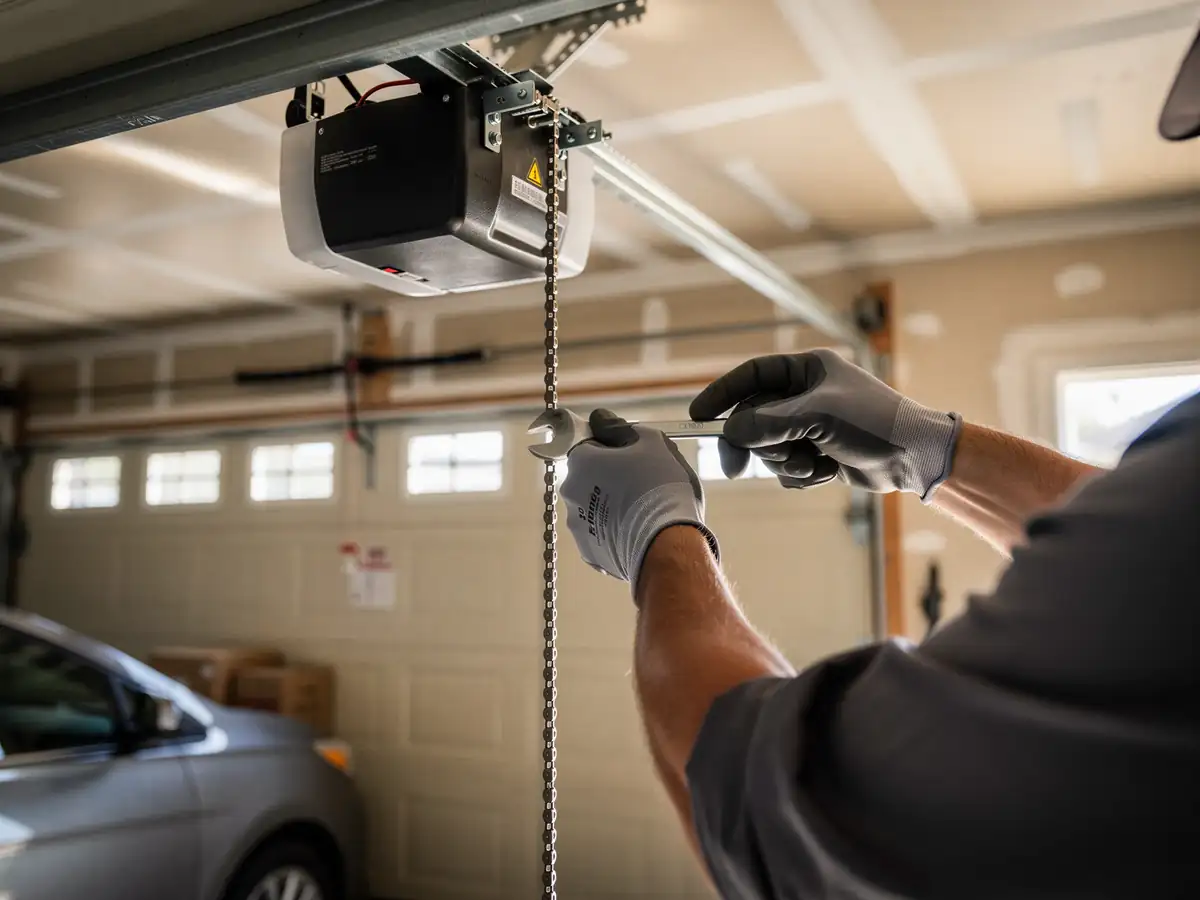
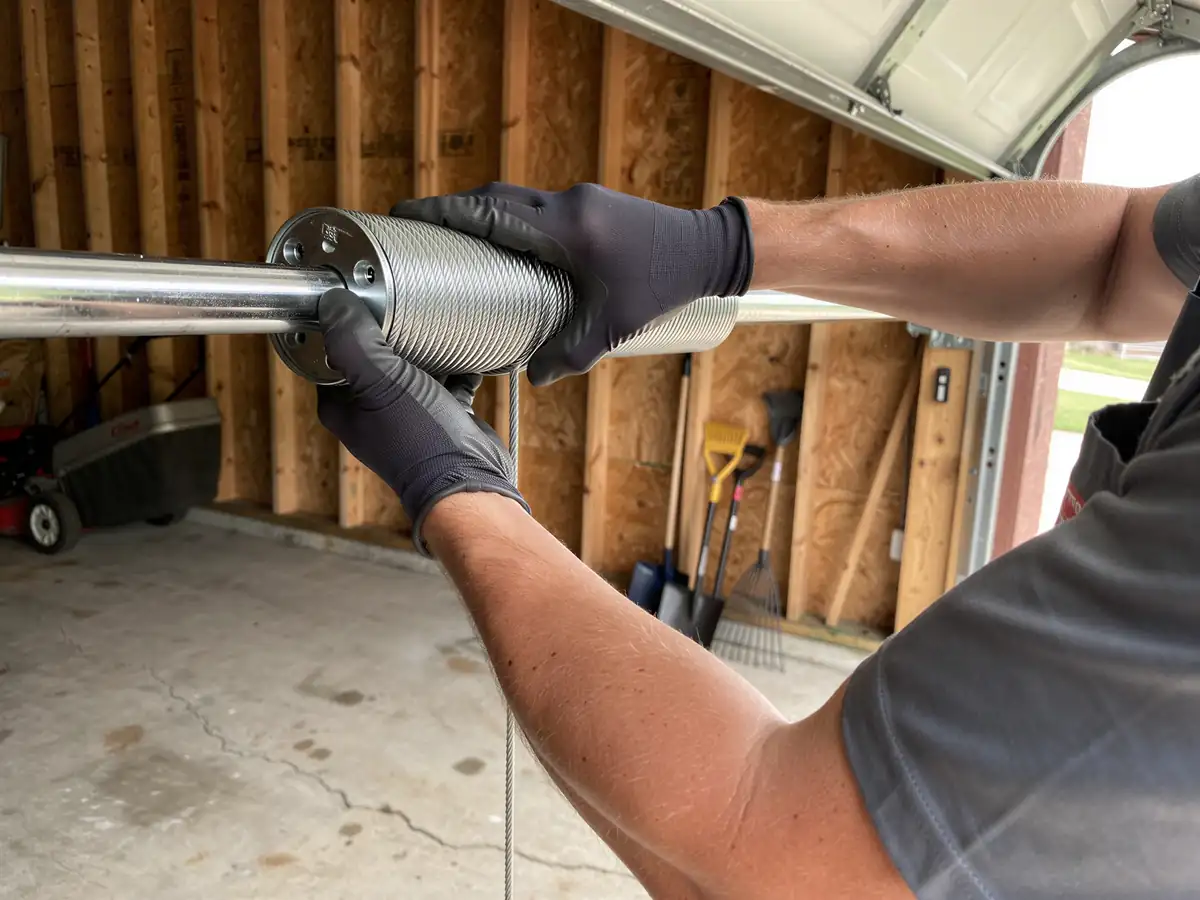
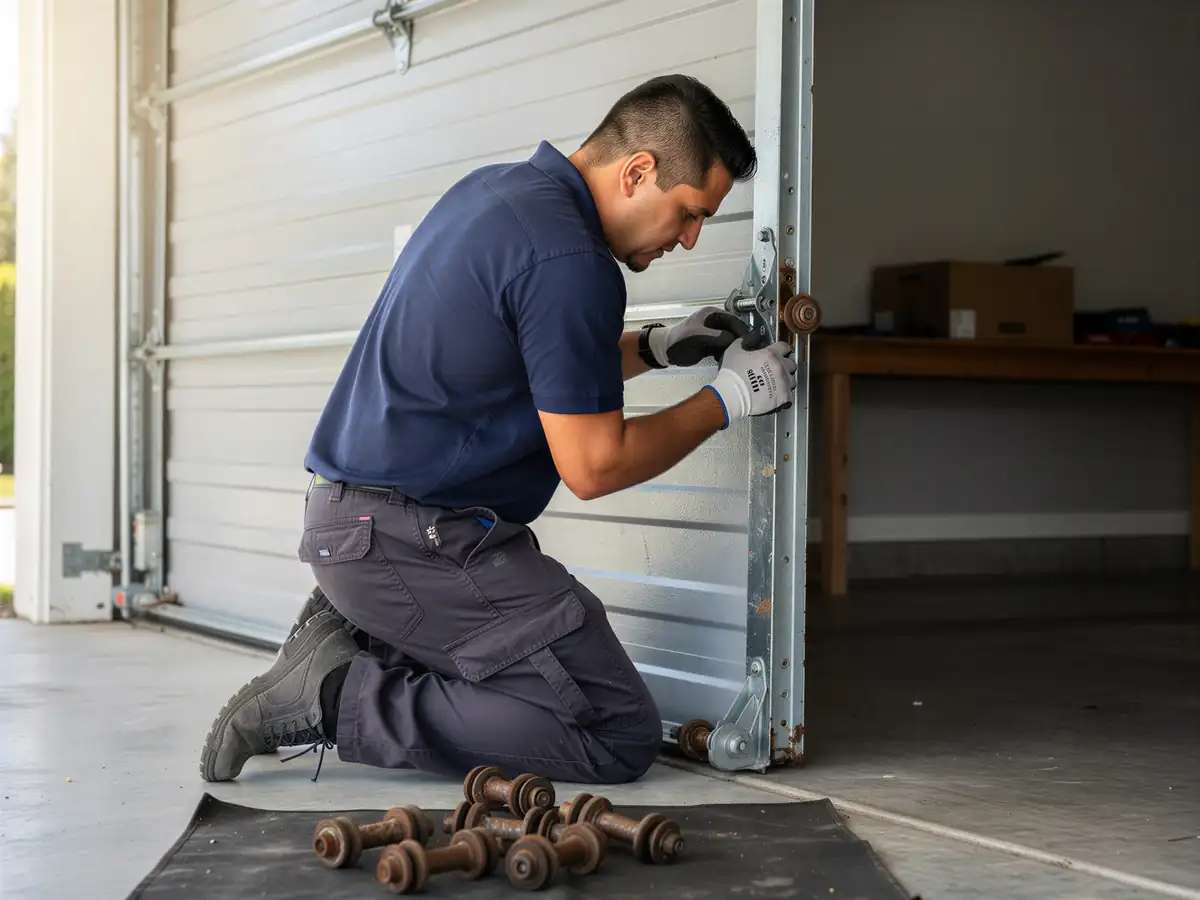
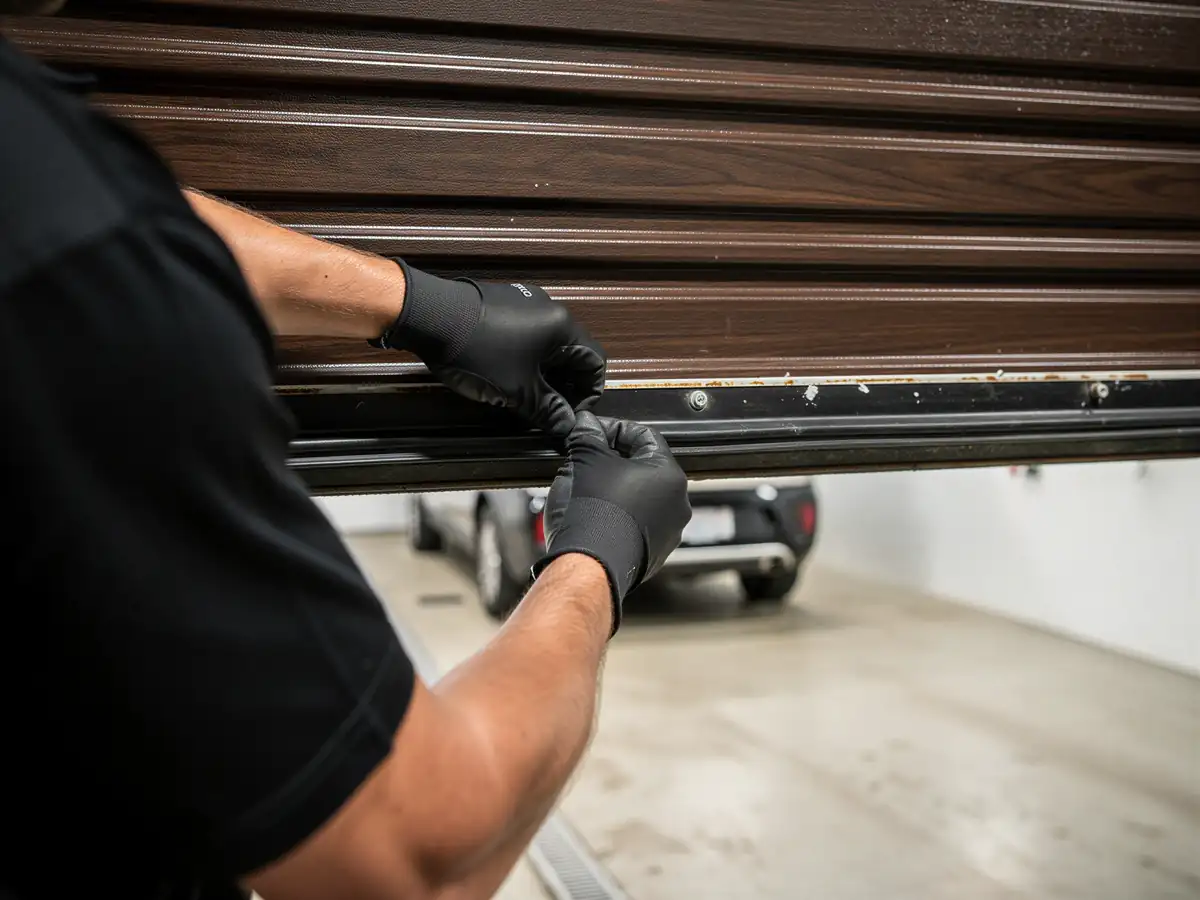
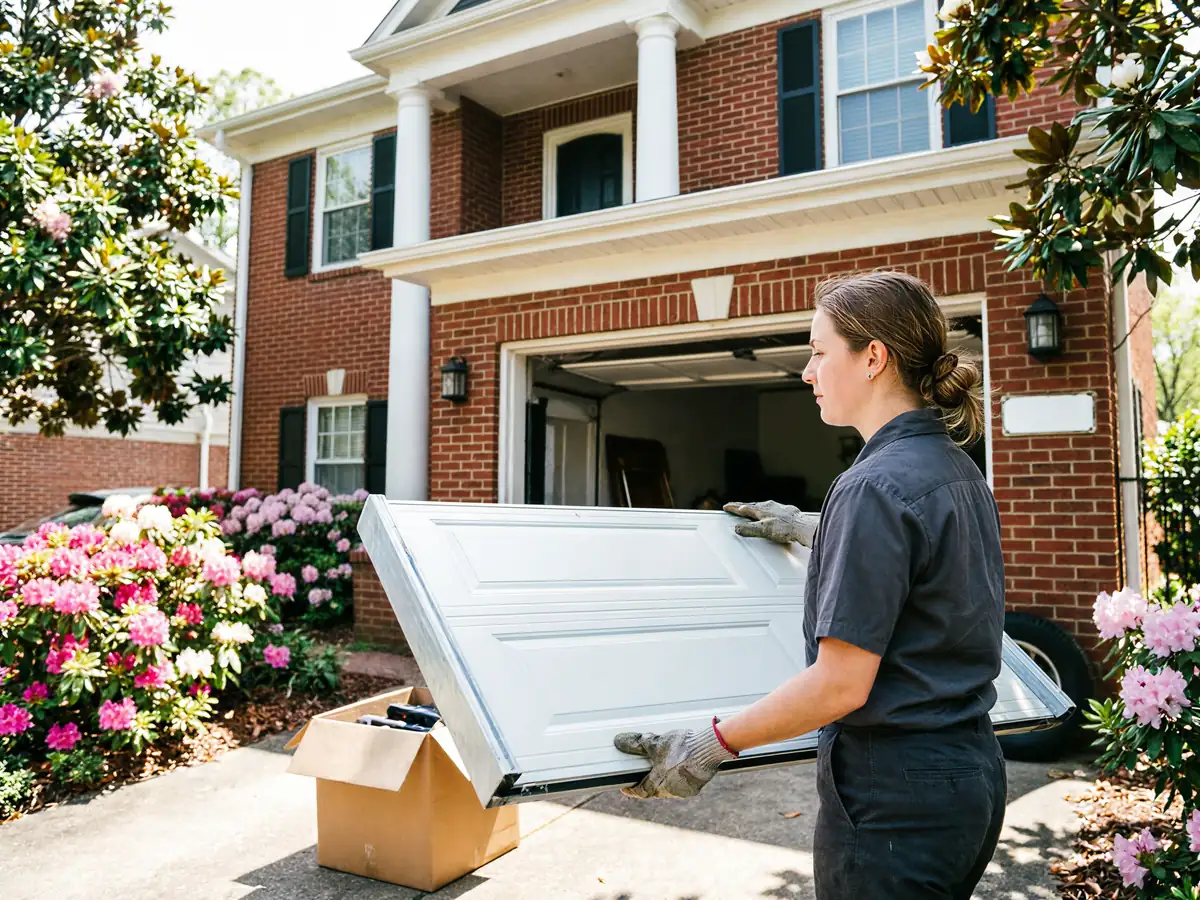
First we pull the damaged section off the track without disturbing the spring tension on the rest of the door - on an older torsion or extension setup, rushing that step is how a second problem gets created. Then we check the end stiles and hinges on the sections above and below the damaged one; on a door that's been running since the late 70s, the hardware around a failed panel is often fatigued too, even if it looks fine. We replace what's worn, not just what's broken, and reset the track alignment once the new or matched section is hung. Last step is cycling the door a dozen times by hand before we ever touch the opener, checking for drag or binding in the track that a quick visual check would miss. If the whole door is past the point where a panel swap makes sense, we'll say so rather than patch something that'll be back in your driveway again next year.